
Water Magnesium Hydroxide Ultrafine Grinding Mill for High-Purity Fine Powder Production
We provide a wide range of mills — including Raymond mill, trapezoidal mill, vertical mill, ultrafine mill, and ball mill, obtained ISO9001 international quality certification, EU CE certification, and Customs Union CU-TR certification. Suitable for processing minerals such as limestone, phosphate, quicklime, kaolin, talc, barite, bentonite, calcium carbonate, dolomite, coal, gypsum, clay, carbon black, slag, cement raw materials, cement clinker, and more.
The discharge range of these mills can be adjusted to meet specific processing needs, typically from 80-400 mesh, 600-3250 mesh, and can achieve the finest particle size of up to 6000 mesh(D50).
If you are looking for a reliable grinding solution to turn stone or minerals into fine powder, please feel free to contact our online customer service.
Introduction to Ultrafine Grinding of Magnesium Hydroxide
Magnesium hydroxide, often used as a flame retardant, wastewater treatment agent, and pharmaceutical intermediate, demands exceptional purity and precise particle size distribution. The production of high-purity fine powder from this material requires specialized milling equipment capable of handling its unique characteristics—namely, its lamellar crystal structure and tendency to agglomerate. The MW Ultrafine Grinding Mill stands out as a solution engineered for these exacting requirements, delivering consistent, ultra-fine outputs with minimal contamination.
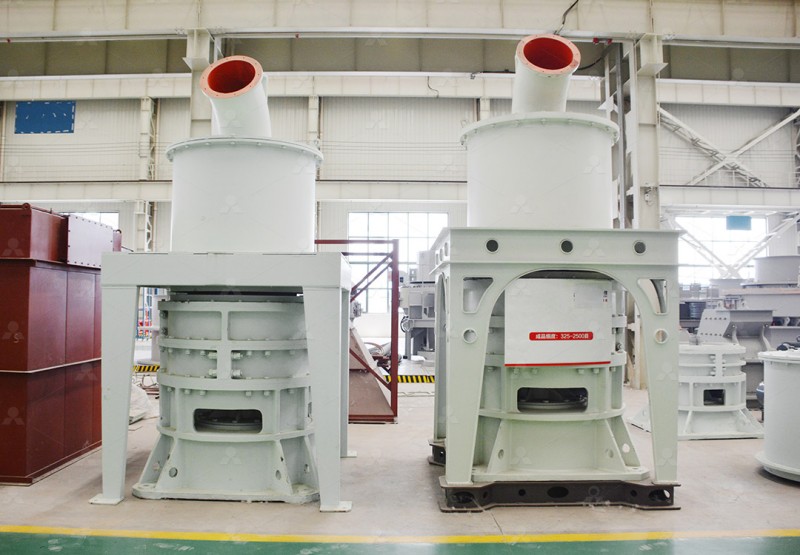
Traditional grinding methods often struggle with magnesium hydroxide due to its soft, layered nature. Ball mills may introduce excessive iron contamination, while jet mills consume high energy and yield inconsistent particle shapes. The MW series, with its German-engineered cage-type powder selector and newly designed grinding curves, offers a breakthrough: it achieves fineness ranges from 325 to 2500 mesh, and critically, can achieve a screening rate of d97 ≤ 5 μm in a single pass. This is pivotal for industries like cosmetics and high-end plastics, where particle uniformity directly impacts product performance.
Technical Specifications and Application Suitability
For water magnesium hydroxide processing, the MW Ultrafine Grinding Mill accepts an input size of 0-20 mm, making it compatible with standard crusher outputs. Its capacity ranges from 0.5 to 25 tph, allowing scalability from pilot plants to full-scale production. The absence of rolling bearings and screws in the grinding chamber eliminates common failure points—a critical advantage when processing materials that might generate fine dust capable of penetrating traditional seals.
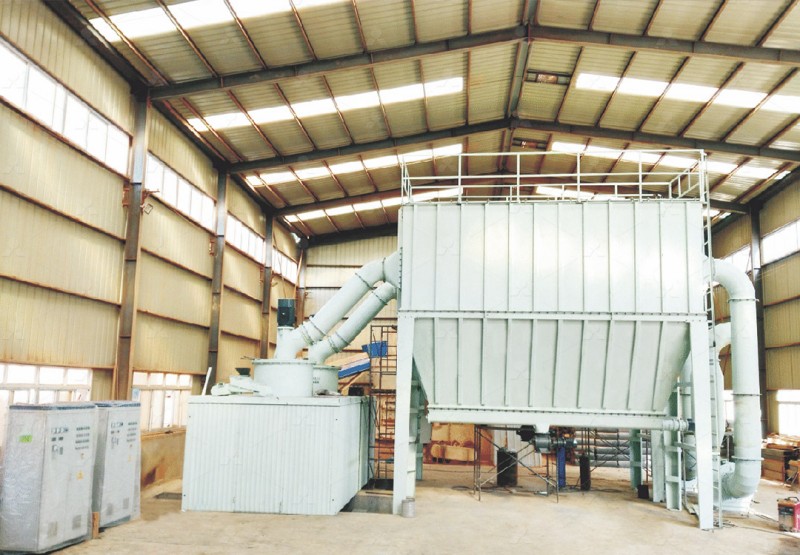
Applications extend beyond pure magnesium hydroxide. The mill handles limestone, calcite, dolomite, petroleum coke, gypsum, barite, marble, talc, and coal powder with equal efficiency. In chemical industries, paint manufacturing, cosmetics, medicine, and food additives, the ability to switch between materials without cross-contamination is invaluable. The efficient pulse dust collector and muffler ensure that the whole production line meets stringent environmental standards, an increasingly important factor in global operations.
Energy Efficiency and Yield Advantages
One of the standout features of the MW grinding mill is its energy performance. Compared to jet grinding mills and stirred grinding mills, the production capacity is 40% higher at the same fineness and power consumption. Against ball mills, the yield is twice as large, yet the system energy consumption is only 30% of a jet mill. For magnesium hydroxide producers, this translates directly to lower cost per ton and reduced carbon footprint.
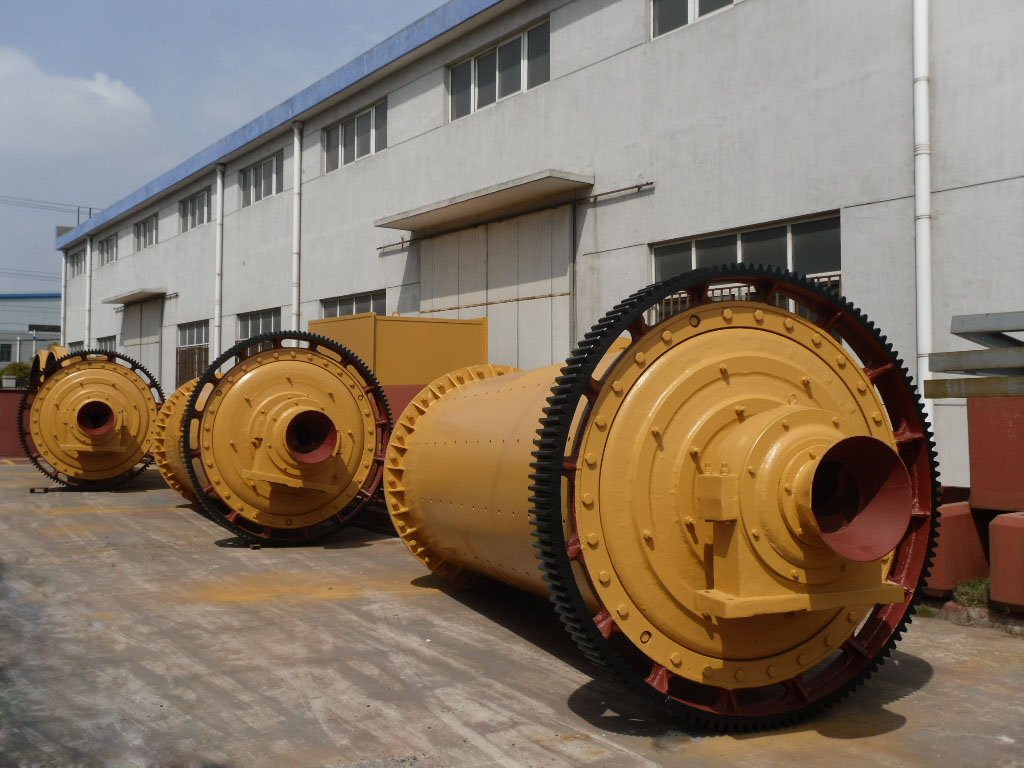
This efficiency stems from the newly designed grinding curves of the roller and grinding ring, which enhance the grinding action without increasing power draw. The multi-head cage-type powder selector, configured according to user requirements, optimizes the balance between yield and fineness. Operators can fine-tune the system for maximum throughput when producing coarser grades, or switch to ultra-fine settings for specialty chemical applications—all without mechanical changes.
Operational Stability and Maintenance
Long-term reliability is built into every MW mill. The lubricating device is installed externally on the main shaft, allowing lubrication without shutdown—a feature that supports 24-hour continuous operation. This is particularly valuable in industries like power plant desulfurization or metallurgy, where downtime incurs significant costs. The digitalized processing approach, with tens of CNC machine tools controlling every aspect from steel plate cutting to paint spraying, ensures that each core part meets exacting tolerances.
For those requiring even higher capacities or different material properties, the LUM Ultrafine Vertical Grinding Mill offers an alternative. With an input size of 0-10 mm and capacity up to 18 tph, the LUM mill incorporates Taiwan grinding roller technology and German powder separating technology. Its double position-limiting technology prevents destructive impacts from machine vibration, and the reversible structure allows quick roller sleeve replacement. This mill is particularly suited for superfine dry powder of non-metal ores where whiteness and cleanliness are paramount.
Working Principle and Process Flow
The MW mill operates on a multi-stage grinding principle. The motor drives the main shaft and turnplates via a reducer. Dozens of rollers rotate against the raceway of the ring through pins. Material, crushed by a hammer crusher and fed evenly by a vibrating feeder, falls to the central part of the upper turnplate. Centrifugal force moves it to the raceway for initial grinding. After passing the first raceway, material proceeds to the second and third turnplates for progressive size reduction. A blower inhales external air, carrying the ground powder to the separator. The turbine in the separator drops coarse particles for regrinding while fine powder enters the cyclone collector. Air current with residual dust is purified through the filter before exiting via the blower and muffler.
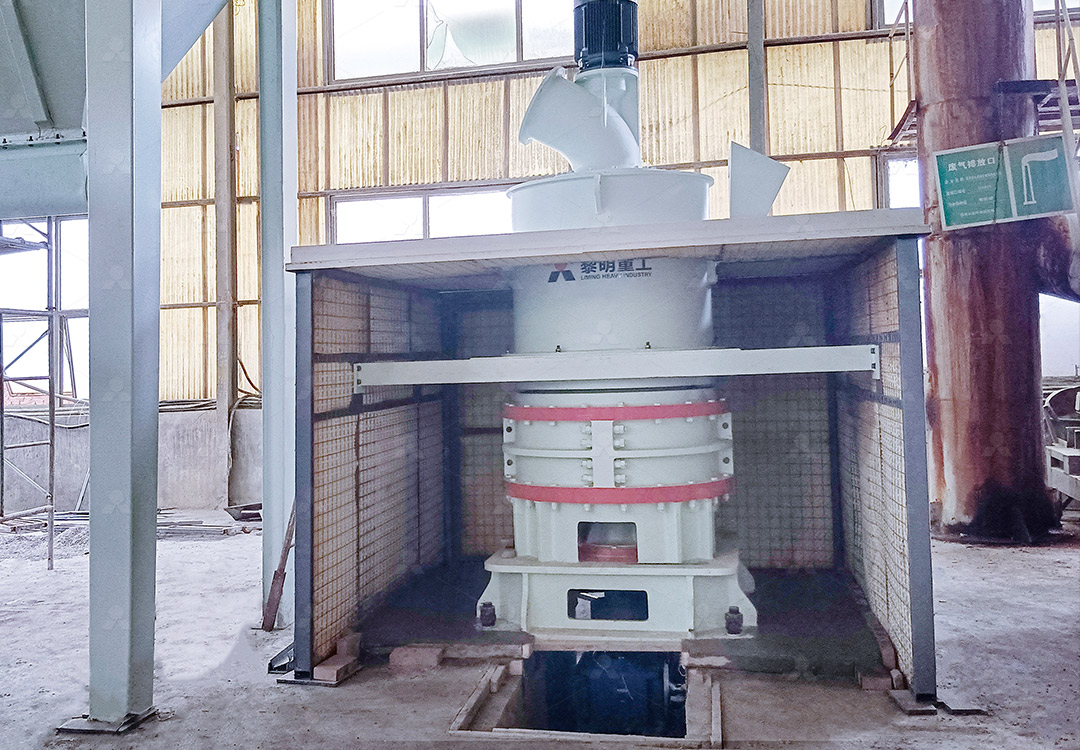
This closed-loop system ensures that no dust escapes, and the silencer reduces noise to acceptable levels. The entire operation is organized according to national environmental protection standards, making the MW mill a responsible choice for modern manufacturing facilities.
Product Recommendation
For water magnesium hydroxide producers targeting high-purity fine powder, we recommend the MW Ultrafine Grinding Mill for its unmatched precision and efficiency. If your project demands even higher throughput with enhanced drying capabilities, the LUM Ultrafine Vertical Grinding Mill provides an excellent alternative. Both machines are backed by LIMING’s comprehensive spare parts supply and technical services, ensuring worry-free operation from installation through years of production.
Frequently Asked Questions
- What is the typical moisture content allowable in the feed for magnesium hydroxide grinding?
The MW mill can handle materials with moisture up to about 6% without issues. For higher moisture, a pre-drying step or the use of the LUM mill with hot air integration is recommended. - How often do the grinding rollers and rings need replacement when processing magnesium hydroxide?
With magnesium hydroxide’s moderate abrasiveness, roller and ring life typically ranges from 6 to 12 months under continuous operation, depending on feed purity and target fineness. - Can the MW mill achieve a particle size below 5 microns?
Yes, the mill is designed to achieve d97 ≤ 5 μm in a single pass when configured with the appropriate cage-type powder selector and operating parameters. - What is the power consumption per ton for magnesium hydroxide grinding?
Power consumption varies with target fineness, but typically ranges from 30 to 50 kWh per ton for 1250 mesh product, significantly lower than jet mills. - How does the mill prevent iron contamination in the final product?
The grinding chamber contains no rolling bearings or screws that could introduce metal debris. The wear-resistant alloy used in rollers and rings minimizes contamination, making the mill suitable for pharmaceutical-grade applications. - What is the recommended maintenance schedule for the MW mill?
Daily checks include lubrication levels and filter condition. Monthly inspections cover roller wear and belt tension. Annual overhaul of the separator and bearing assembly is recommended. - Can the same mill be used for both magnesium hydroxide and other materials without cross-contamination?
With proper cleaning between runs—using a purge material like limestone—the mill can switch materials. Dedicated production lines are recommended for pharmaceutical or food-grade applications. - What after-sales support does LIMING provide?
LIMING offers technical services, original spare parts, and remote troubleshooting support. We take responsibility for every machine produced, ensuring worry-free operation.