
High-Efficiency Grinding Mill Equipment for Powder Coatings: Optimizing Particle Size and Production Quality
We provide a wide range of mills — including Raymond mill, trapezoidal mill, vertical mill, ultrafine mill, and ball mill, obtained ISO9001 international quality certification, EU CE certification, and Customs Union CU-TR certification. Suitable for processing minerals such as limestone, phosphate, quicklime, kaolin, talc, barite, bentonite, calcium carbonate, dolomite, coal, gypsum, clay, carbon black, slag, cement raw materials, cement clinker, and more.
The discharge range of these mills can be adjusted to meet specific processing needs, typically from 80-400 mesh, 600-3250 mesh, and can achieve the finest particle size of up to 6000 mesh(D50).
If you are looking for a reliable grinding solution to turn stone or minerals into fine powder, please feel free to contact our online customer service.
Introduction: The Critical Role of Grinding in Powder Coatings
Producing high-quality powder coatings is not just about the raw materials; it is fundamentally about the precision of the particle size distribution. An inconsistent grind leads to poor fluidization, uneven film thickness, and subpar gloss. For manufacturers aiming to compete in the automotive, architectural, or industrial coatings sectors, the grinding mill is the heart of the production line. Selecting equipment that delivers narrow particle size distribution while maintaining high throughput and low energy consumption is no longer a luxury—it is a necessity.
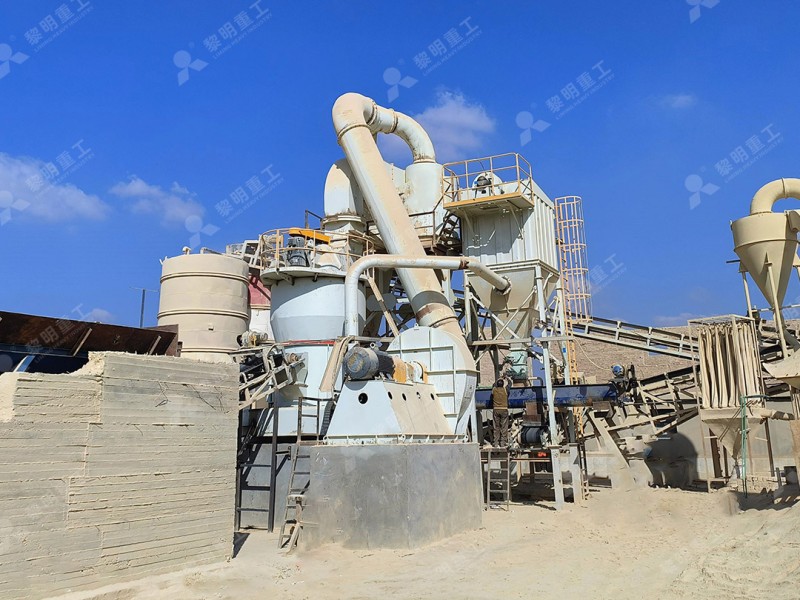
Over the past decade, the industry has shifted away from traditional ball mills and jet mills towards more efficient vertical and roller-type mills. These modern systems offer better control over fineness, reduced iron contamination, and significantly lower operational costs. This article delves into the technical aspects of optimizing your grinding process for powder coatings, highlighting key features of advanced machinery that can elevate your product quality.
Understanding Particle Size Requirements in Powder Coatings
The optimal particle size for powder coatings typically ranges between 10 and 80 microns, with a target distribution (d50) often around 20-40 microns. Coarser particles lead to a rough surface texture, while excessively fine particles (below 10 microns) cause issues with dusting and poor fluidization in the spray gun. Achieving a d97 ≤ 5μm for certain high-end applications requires specialized grinding technologies.
The challenge lies in the fact that traditional grinding methods often result in a wide distribution curve. This is where the design of the grinding chamber and the classification system becomes paramount. Equipment featuring German-derived cage-type powder selectors, for instance, provides superior cut-point precision, allowing operators to dial in exactly the required fineness without excessive recirculation of oversized material.
Key Features for High-Efficiency Grinding
1. Elimination of Rolling Bearings and Screws in the Grinding Chamber
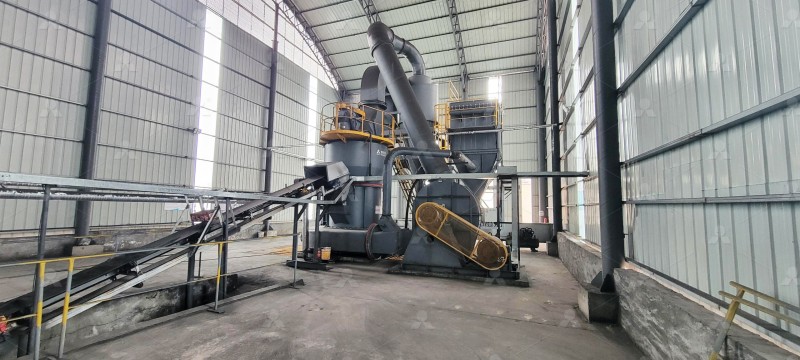
One of the most common failure points in older mill designs is the presence of rolling bearings and screws inside the grinding chamber. These components are susceptible to damage from high temperatures and abrasive powders, leading to frequent shutdowns for seal replacement. Leading suppliers, such as Liming Heavy Industry, have addressed this by designing chambers that are completely free of rolling bearings and screws. This not only eliminates the risk of bearing failure but also prevents product contamination from lubricants or metal shavings. The external lubrication system allows for continuous 24-hour operation, a critical factor for high-volume powder coating production.
2. Adjustable Fineness and High Screening Rate
Flexibility is key. A single production line may need to switch between a coarse grind for primer coatings and an ultra-fine grind for topcoats. Modern mills offer fineness adjustments ranging from 325 mesh to 2500 mesh (approximately 45 microns down to 5 microns). The use of a multi-head cage-type powder selector allows for precise control. For instance, when aiming for a high-gloss automotive clear coat, the mill must achieve a screening rate where d97 is ≤5μm in a single pass. This capability directly impacts the final product’s surface smoothness and gloss retention.
3. Energy Efficiency and Yield
Energy consumption is a major cost driver. When comparing the MW Ultrafine Grinding Mill against traditional jet mills, the system energy consumption is only about 30% while achieving a 40% higher capacity. Similarly, the LUM Ultrafine Vertical Grinding Mill incorporates multi-head powder separating technology combined with PLC control, reducing energy consumption by 30-50% compared to common mills. This is achieved by optimizing the grinding curve of the roller and ring, which increases the material bed formation efficiency and reduces the ‘over-grinding’ of fine particles.
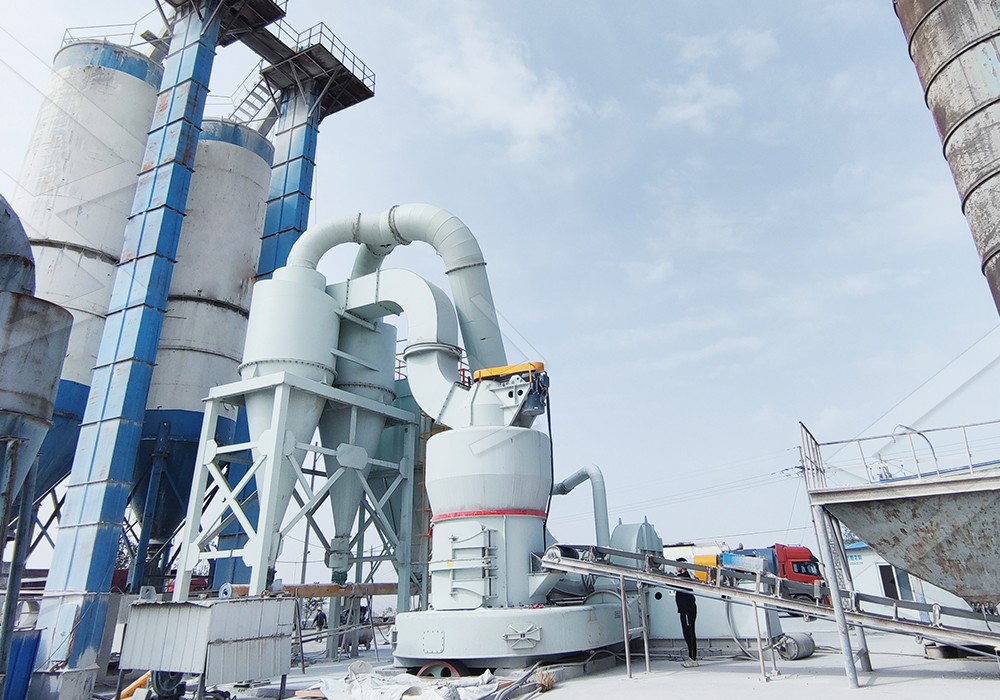
Recommended Solution: For applications requiring ultra-fine powders with tight control, we strongly recommend the MW Ultrafine Grinding Mill. It accepts input sizes up to 20 mm and delivers outputs of 0.5 to 25 tph, making it ideal for both pilot plants and full-scale production of high-end powder coatings.
Features That Protect Your Investment
Digitalized Processing and Precision Manufacturing
The quality of the final powder is directly linked to the precision of the mill’s core components. Advanced manufacturing techniques, such as numerical control (NC) machining for steel plate cutting, bending, and planing, ensure that the grinding roller and ring curves are exact. This eliminates vibration and ensures consistent grinding pressure across the entire life of the wear parts. A mill built with digital precision will maintain its performance parameters longer, reducing the need for recalibration.
Environmental Compliance and Noise Reduction
Powder coating facilities face increasing scrutiny regarding dust and noise pollution. Modern grinding mills are equipped with efficient pulse dust collectors that prevent any dust from escaping into the atmosphere. Additionally, the inclusion of mufflers and noise elimination rooms brings the operational noise down to levels compliant with strict environmental standards. This allows plants to operate in urban areas or near residential zones without complaints.
Working Principle: From Feed to Fine Powder
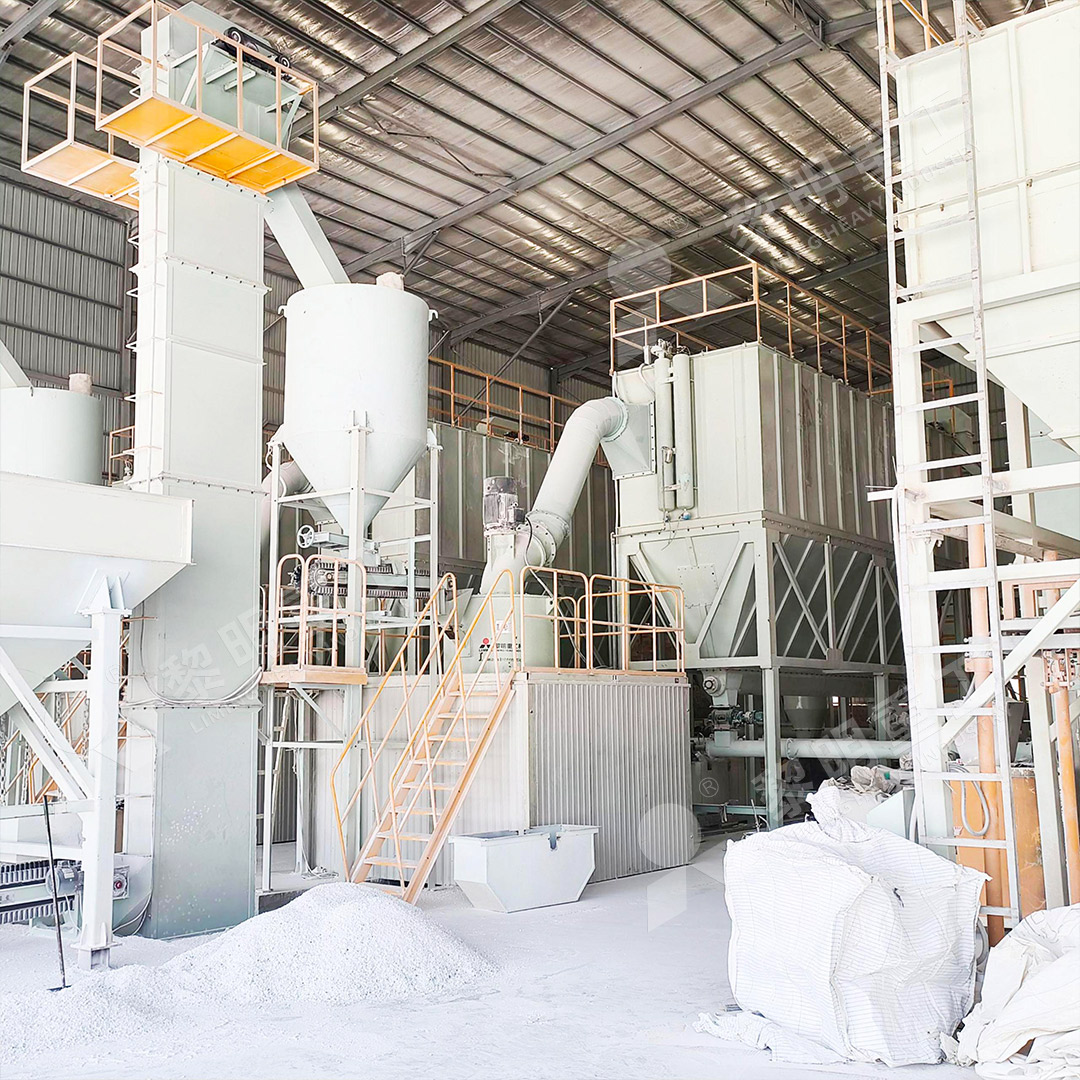
Understanding the flow of material helps in troubleshooting and optimization. In the MW Ultrafine Grinding Mill, material enters the hopper and is fed by a vibrating feeder to the center of the upper turnplate. Centrifugal force pushes the material towards the raceway of the ring. Here, dozens of rollers crushing it into powder. After passing through multiple turnplates for progressive grinding, the powder is carried by an air stream to the separator. The turbine in the separator throws coarse particles back for re-grinding, while the fine powder passes through to the cyclone collector.
For the LUM Ultrafine Vertical Grinding Mill, the process involves a rotating millstone and hydraulic rollers. Material falls onto the center of the millstone and is ground under pressure. The air ring at the periphery lifts the fine particles to the separator, while heavier materials (like iron debris) fall to the bottom for discharge. This design ensures a very low iron content in the final product, a crucial factor for white and light-colored powder coatings.
Recommended Solution: For operations that prioritize high throughput and low maintenance on larger batches, the LUM Ultrafine Vertical Grinding Mill is an excellent choice. With a capacity of 5-18 tph and input size up to 10 mm, it is designed for stability and ease of maintenance, featuring a reversible structure for quick roller shell replacement.
Conclusion: Choosing the Right Mill for Your Business
Optimizing particle size in powder coatings is a multi-faceted challenge that requires a robust, flexible, and precise grinding solution. Factors such as the elimination of internal bearings, the ability to adjust fineness across a wide range (325-2500 mesh), and low energy consumption are decisive factors. By investing in equipment that offers digital precision, environmental compliance, and high yield rates, manufacturers can significantly reduce their cost per ton while improving the consistency of their final product. Whether you choose the versatility of the MW series or the rugged efficiency of the LUM series, ensure your equipment supplier provides comprehensive spare parts support and technical service to keep your line running worry-free.
Frequently Asked Questions (FAQs)
Q1: What is the typical fineness range required for powder coatings, and can your mills achieve it?
A: Standard powder coatings require a fineness of 20-40 microns (d50). Our MW Ultrafine Grinding Mill can achieve a fineness between 325-2500 mesh (approximately 45-5 microns), easily covering the top end of the spectrum. The cage-type selector ensures a very narrow distribution, which is critical for high-gloss finishes.
Q2: How does your mill prevent iron contamination, which is a major issue for white coatings?
A: Our LUM Ultrafine Vertical Grinding Mill features a design where the grinding roller and millstone do not contact directly. Furthermore, an automatic slag-discharge system removes any iron debris that enters the mill. This keeps the iron content in the final powder extremely low, preserving the whiteness and purity of the material.
Q3: Can these mills run continuously for 24 hours without stopping for maintenance?
A: Yes. The MW and LUM mills are designed for continuous operation. The key feature is the external lubrication system, which allows for lubrication without shutting down the main shaft. Since there are no rolling bearings or screws inside the grinding chamber, the risk of unexpected mechanical failure is greatly reduced.
Q4: What is the meaning of ‘d97 ≤ 5μm’ specifications?
A: ‘d97’ indicates that 97% of the particles in the output are smaller than 5 microns. This is a very fine specification typically required for high-performance topcoats. Our mills can achieve this screening rate in a single pass, meaning the majority of the material meets the specification immediately without needing to be recycled multiple times.
Q5: How much energy can I save compared to my old ball mill?
A: Significant savings. When using the MW Ultrafine Grinding Mill, the system energy consumption is only about 30% of a jet mill and it offers twice the yield of a ball mill. The LUM series reduces energy consumption by 30-50% compared to traditional grinding mills. Exact savings depend on your specific feed material and target fineness, but the reduction in electricity bills is often the primary return on investment.
Q6: Are spare parts readily available for these mills?
A: Absolutely. Liming Heavy Industry maintains a sufficient supply of original spare parts for all its models. We take responsibility for every machine and provide technical services to ensure worry-free operation. Key wear parts like grinding rollers and rings are made from high-alloy wear-resistant materials, offering a service life 1.7-2.5 times longer than standard manganese steel parts.