
High-Capacity Limestone Grinding Mill Recommendations for Maximum Output
We provide a wide range of mills — including Raymond mill, trapezoidal mill, vertical mill, ultrafine mill, and ball mill, obtained ISO9001 international quality certification, EU CE certification, and Customs Union CU-TR certification. Suitable for processing minerals such as limestone, phosphate, quicklime, kaolin, talc, barite, bentonite, calcium carbonate, dolomite, coal, gypsum, clay, carbon black, slag, cement raw materials, cement clinker, and more.
The discharge range of these mills can be adjusted to meet specific processing needs, typically from 80-400 mesh, 600-3250 mesh, and can achieve the finest particle size of up to 6000 mesh(D50).
If you are looking for a reliable grinding solution to turn stone or minerals into fine powder, please feel free to contact our online customer service.
Introduction
When you are in the business of processing limestone for industries like cement, power plant desulfurization, or construction materials, the grinding mill you choose directly impacts your bottom line. You need a machine that can handle the feed size, deliver consistent fineness, and do it all without eating into your profits with high energy costs or constant downtime. Having spent years in the field, I have seen operations struggle with older equipment that just cannot keep up with modern demands. This article offers straightforward, professional recommendations for high-capacity limestone grinding mills, focusing on maximizing output while keeping operational headaches to a minimum.
The key to selecting the right mill lies in understanding your material characteristics and target output. Limestone typically has a medium hardness and a Mohs scale rating around 3-4. For high-volume production, you need a mill that can process coarse feed efficiently without sacrificing the quality of the final powder. We will look at two proven workhorses from our lineup that are particularly effective for this task: the LM Vertical Grinding Mill and the MTW European Trapezium Grinding Mill.
Why Vertical Mills are a Game-Changer for Limestone
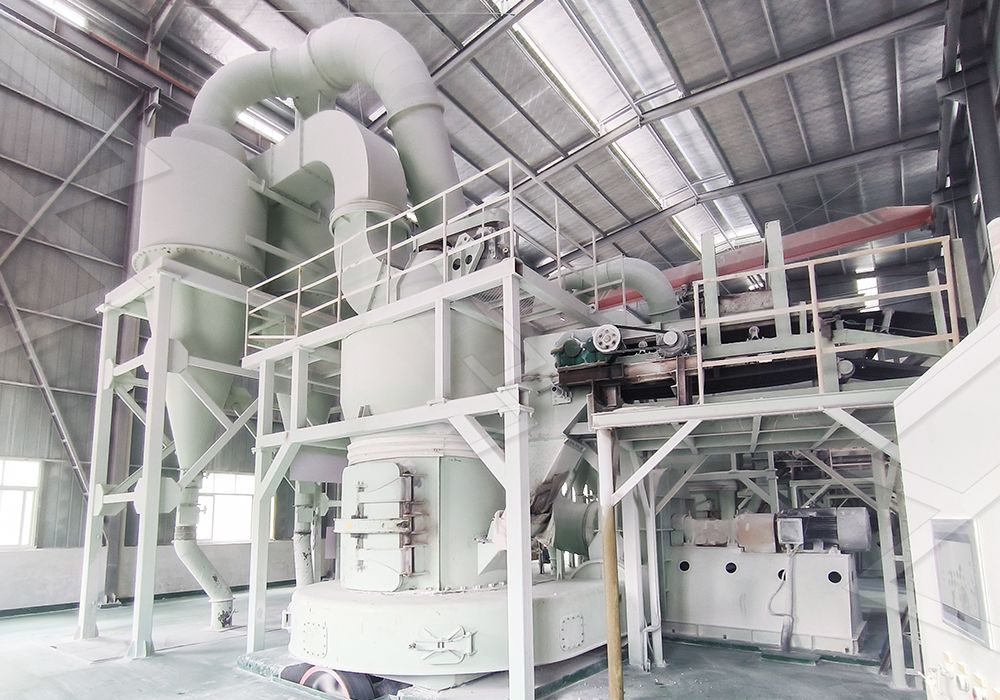
For operations that require crushing, drying, grinding, and classifying in a single unit, the vertical roller mill is the undisputed leader. The LM Vertical Grinding Mill is specifically engineered for this. I have visited plants where switching from traditional ball mills to this vertical mill cut their energy consumption by more than 30%. The design is compact, integrating all processes into one system, which reduces the footprint by about 50% compared to a ball mill system. This is not just about saving floor space; it is about streamlining the entire flow, reducing material handling, and lowering the overall investment in auxiliary equipment.
The grinding principle is efficient. The material is fed onto a rotating grinding table and crushed under hydraulically loaded rollers. Because the material stays in the mill for a very short time (typically 2-3 minutes), you get a consistent product with very low iron content. This is critical for applications like desulfurization or white cement where purity matters. The system operates under negative pressure, so dust is not a problem, and the noise levels are surprisingly low. For maximum output of limestone powder in the range of 80-600 mesh, this mill is hard to beat.
Precision and Efficiency with the Trapezium Mill
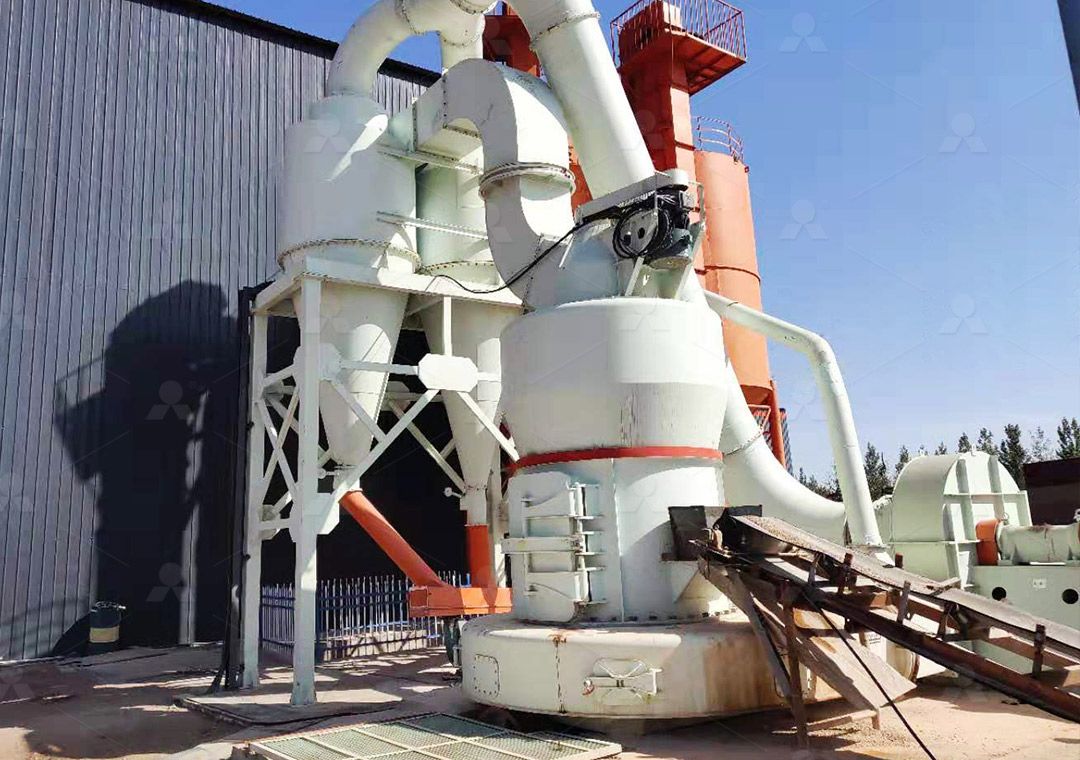
Now, if your focus is on producing finer powders with exceptional precision, the MTW European Trapezium Grinding Mill is the tool for the job. I have seen this machine handle limestone feed up to 50mm and produce everything from coarse powders for construction to fine grades for filler applications. The bevel gear transmission system makes the entire drive more compact and efficient. One of the standout features is the cambered air duct. Unlike traditional straight air ducts, this design has lower resistance, which allows the airflow to move smoothly and disperse the material effectively. This directly translates to lower energy consumption per ton of finished product.
The grinding rollers and rings are made from a wear-resistant alloy developed in collaboration with scientific institutes. This means they last 1.7 to 2.5 times longer than standard manganese steel parts. In practical terms, this means less downtime for replacing parts and more time spent producing. The split shovel blade design also increases the working area, boosting the overall grinding efficiency. If you need a limestone grinding mill that offers a perfect balance of high capacity, fine fineness (up to 2500 mesh with other models, but consistently in the 80-800 mesh range here), and low maintenance, then the MTW series is a solid choice.
Key Features to Look For When Selecting a Limestone Mill
When you are evaluating machines for maximum output, do not just look at the horsepower. You need to look at the entire system. Here are a few things that matter on the plant floor. First, the lubrication system. The MTW European Trapezium Grinding Mill uses a dilute oil lubrication system for the grinding roller, which is a major step up from traditional grease lubrication. It is maintenance-free in the sense that you do not need to constantly add grease; the oil bath does the work, which is much more convenient and reduces maintenance costs. Second, look at the separator technology. A high-efficiency cage-type powder concentrator, like the one on the MTW series, allows for tighter control of the final product particle size, leading to higher screening rates and less recirculation of coarse particles.
Another critical factor is vibration control. The MTW European Trapezium Grinding Mill features an elastic volute damping structure. This is not a small detail. In a grinding mill, vibration can cause massive damage, leading to cracks in the volute or even damage to the main shaft. This damping structure effectively isolates the vibration from the engine base, ensuring the powder concentrator operates smoothly and preventing catastrophic failures. For the LM Vertical Grinding Mill, the hydraulic system and the double position-limiting technology (electronic and mechanical) ensure that the grinding roller never directly smashes the millstone, even if there is a sudden vibration from a mine blast or a large piece of tramp iron. This stability is directly linked to higher uptime and, therefore, higher output.
Comparing the Two: LM vs. MTW for Limestone
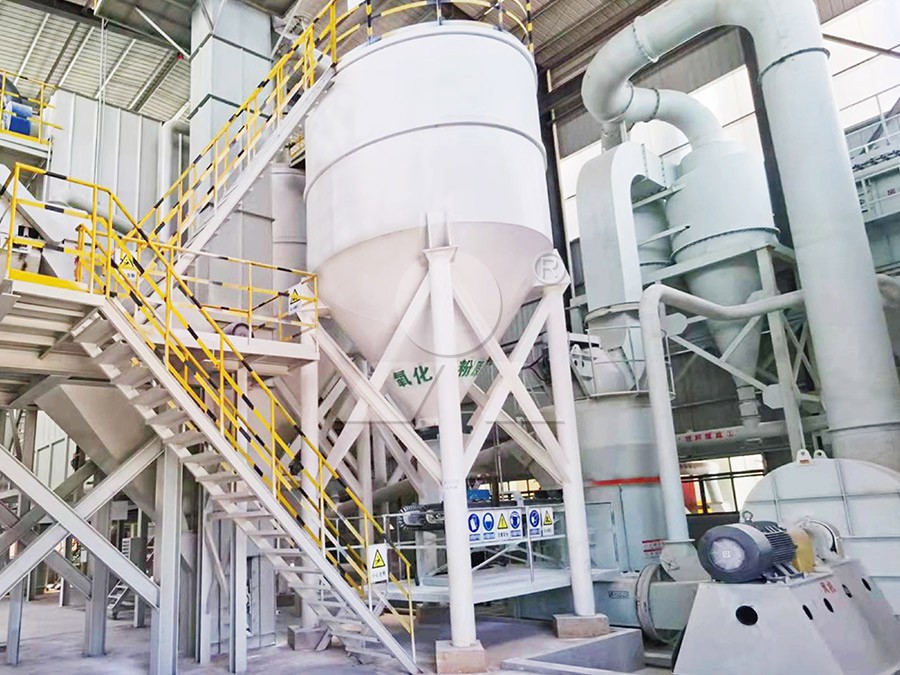
Choosing between the two often comes down to your specific application. If you have a large-scale operation processing massive volumes of limestone for cement or power plant use, the LM Vertical Grinding Mill is usually the better bet. Its capacity ranges from 3 to 340 tph, and it can handle feed sizes up to 70mm. It is a complete system that does everything, and its operating costs are significantly lower than a ball mill. I have seen these mills run 24/7 with minimal issues, thanks to the externally mounted lubrication system that allows for maintenance without shutting down.
On the other hand, if your priority is flexibility, finer fineness control, and a lower initial investment for medium-to-high capacity (3-55 tph), the MTW European Trapezium Grinding Mill is the star player. It is incredibly efficient for what it does, and the ease of maintenance on the grinding roller is a huge plus for operations without a dedicated engineering team. For limestone grinding, both are excellent, but the MTW series gives you a bit more finesse in the final product.
Maintenance and Long-Term Reliability
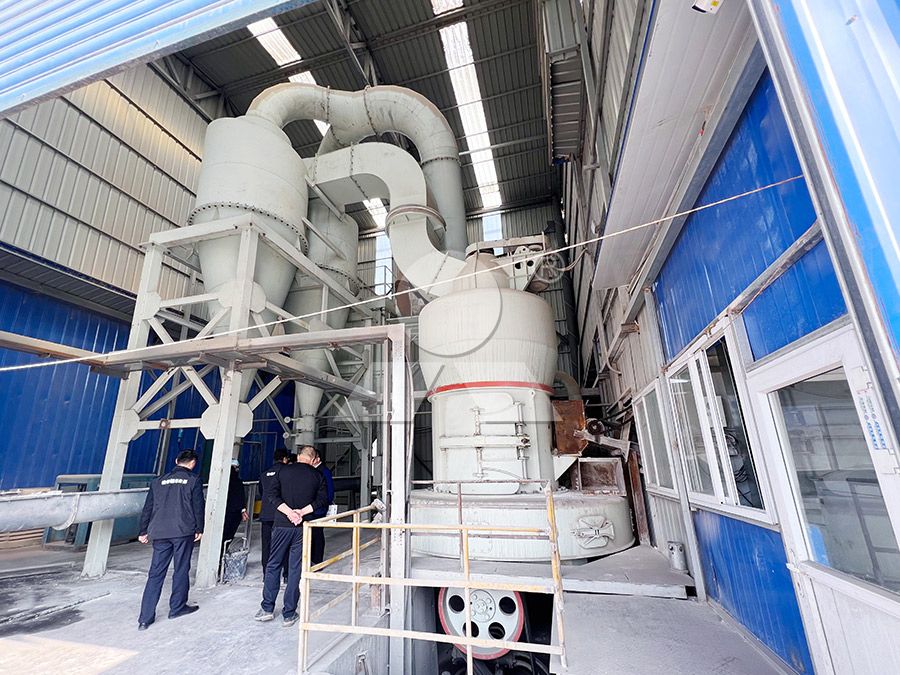
One of the most frustrating things for any plant manager is a mill that is down for unscheduled maintenance. This is where our manufacturing philosophy pays off. Both the LM and MTW mills are built with a focus on digitalized processing. We use tens of lines of numerical control machine tools. Every steel plate cut, every bend, and every part is machined to high precision. This is not a generic claim; it is a practical fact. The core parts, like the grinding rollers and rings, fit perfectly, extending their service life. We also keep a sufficient supply of original spare parts in our warehouses. I have seen many operators worry about sourcing parts from overseas, but we make sure that any part you need is available quickly, ensuring worry-free operation.
Conclusion
In the grinding industry, you get what you pay for. Buying a cheap mill often leads to high energy bills, frequent breakdowns, and poor product quality. For high-capacity limestone grinding, the LM Vertical Grinding Mill and the MTW European Trapezium Grinding Mill represent the pinnacle of current technology. They offer the best combination of efficiency, reliability, and output. If you want to maximize your production and keep your operation running smoothly, these are the machines I would recommend without hesitation. They are not just equipment; they are long-term partners in your business success.
Frequently Asked Questions (FAQ)
- Q: What is the typical feed size for limestone entering the LM Vertical Grinding Mill?
A: The LM Vertical Grinding Mill can handle a feed size up to 70 mm. This is a significant advantage because it eliminates the need for a secondary crusher in many cases, simplifying the upstream process. - Q: Can the MTW European Trapezium Grinding Mill produce powder for the paint industry?
A: Yes, it is well-suited for this. The mill produces a very consistent particle size with low iron content, which is crucial for maintaining the whiteness and purity required for paint, cosmetics, and food additive applications. The adjustable fineness allows you to hit the exact spec. - Q: How much energy can I save by using an LM Vertical Grinding Mill instead of a ball mill?
A: Typically, you can expect to save between 30% to 40% in energy consumption. The vertical mill uses a material bed grinding principle, which is much more efficient than the impact and attrition grinding in a ball mill. - Q: What is the main difference in maintenance between the LM and MTW mills?
A: The LM mill uses an external lubrication device, allowing you to lubricate the main shaft without stopping the machine, which is great for continuous operation. The MTW mill uses a dilute oil lubrication system for the grinding roller, which is an oil bath system that requires less frequent attention compared to grease systems, lowering routine maintenance costs. - Q: Is environmental protection a problem with these mills?
A: Not at all. Both mills are designed to be eco-friendly. The LM mill operates under a sealed, negative pressure system with no dust overflow and low noise. The MTW mill is equipped with a professional dust remover that ensures very low dust emission concentrations, meeting strict national environmental protection standards. - Q: What spare parts are typically needed for long-term operation?
A: The most common wear parts are the grinding roller and ring (or table liner). We supply original spare parts that are made from high-performance wear-resistant materials, ensuring they last longer and maintain the mill’s efficiency. You will also need to consider filters for the pulse dust collector and seals over time.