
3015 Raymond Mill: Key Specifications and Application Guide for Industrial Powder Processing
We provide a wide range of mills — including Raymond mill, trapezoidal mill, vertical mill, ultrafine mill, and ball mill, obtained ISO9001 international quality certification, EU CE certification, and Customs Union CU-TR certification. Suitable for processing minerals such as limestone, phosphate, quicklime, kaolin, talc, barite, bentonite, calcium carbonate, dolomite, coal, gypsum, clay, carbon black, slag, cement raw materials, cement clinker, and more.
The discharge range of these mills can be adjusted to meet specific processing needs, typically from 80-400 mesh, 600-3250 mesh, and can achieve the finest particle size of up to 6000 mesh(D50).
If you are looking for a reliable grinding solution to turn stone or minerals into fine powder, please feel free to contact our online customer service.
Introduction to the 3015 Raymond Mill
The 3015 Raymond Mill represents a foundational solution in the world of industrial powder processing. Designed as a first-generation grinding machine, this unit has been refined to deliver reliable, low-cost operation for customers who need consistent output without frills. It is particularly suited for small to medium-scale operations where floor space is limited and budgets are tight. Over the years, the 3015 model has proven itself in a wide array of industries, from cement and coal preparation to desulfurization and non-metallic mineral milling.
This article provides a detailed breakdown of the 3015 Raymond Mill’s key specifications, its core working principles, and the most common applications. We will also explore how the machine compares with newer, more advanced models and offer practical guidance on selecting the right unit for your specific processing needs.
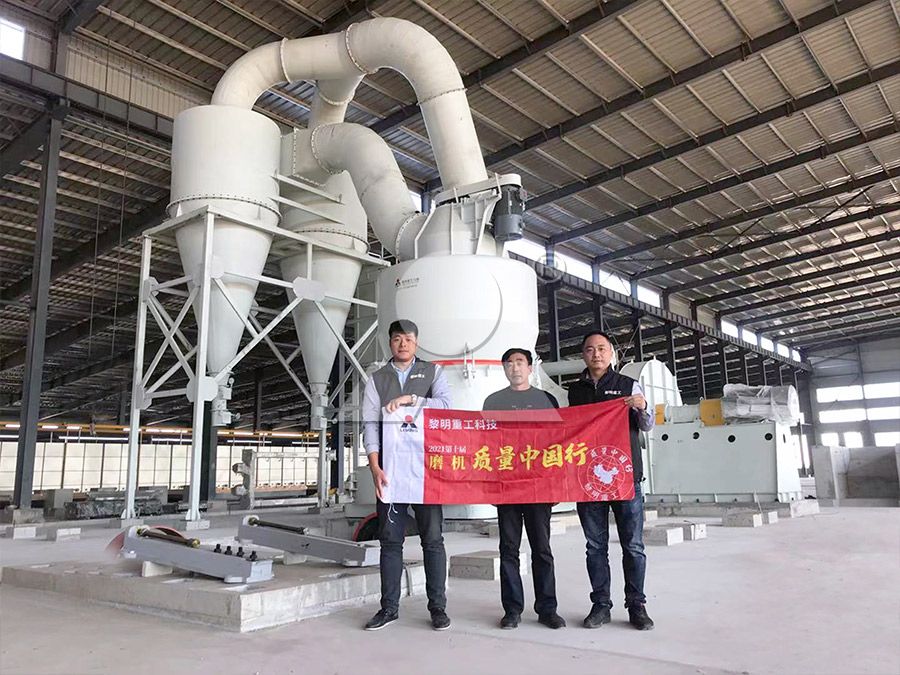
Core Specifications and Performance Data
Understanding the technical limits of the 3015 Raymond Mill is essential for proper integration into any production line. The unit is designed for raw material input sizes of less than 25 millimeters. This relatively small feed size requirement means that primary crushing equipment is almost always necessary ahead of the mill. The capacity range for standard operation falls between 0.6 and 5 tons per hour, making it an ideal choice for pilot plants, small factories, or those just entering the ultrafine powder market.
One of the standout aspects of the 3015 model is its compact footprint. The entire system, including the main grinding chamber, separator, blower, and cyclone collector, occupies significantly less space than comparable ball mill systems. This reduces civil engineering costs and allows for simple installation in existing facilities. The power consumption is also kept low, with the entire system requiring only a moderate electrical supply, which directly translates into lower operating overheads.
For customers looking to push into higher yield applications, LIMING’s MTW-Z European Trapezium Mill offers a significant upgrade path. The MTW-Z uses dilute oil lubrication for the grinding roller, eliminating the need for frequent grease maintenance, and it features a cage-type powder concentrator that can boost capacity up to 55 tph. If you need a larger throughput while keeping energy costs in check, the MTW-Z is the logical next step.
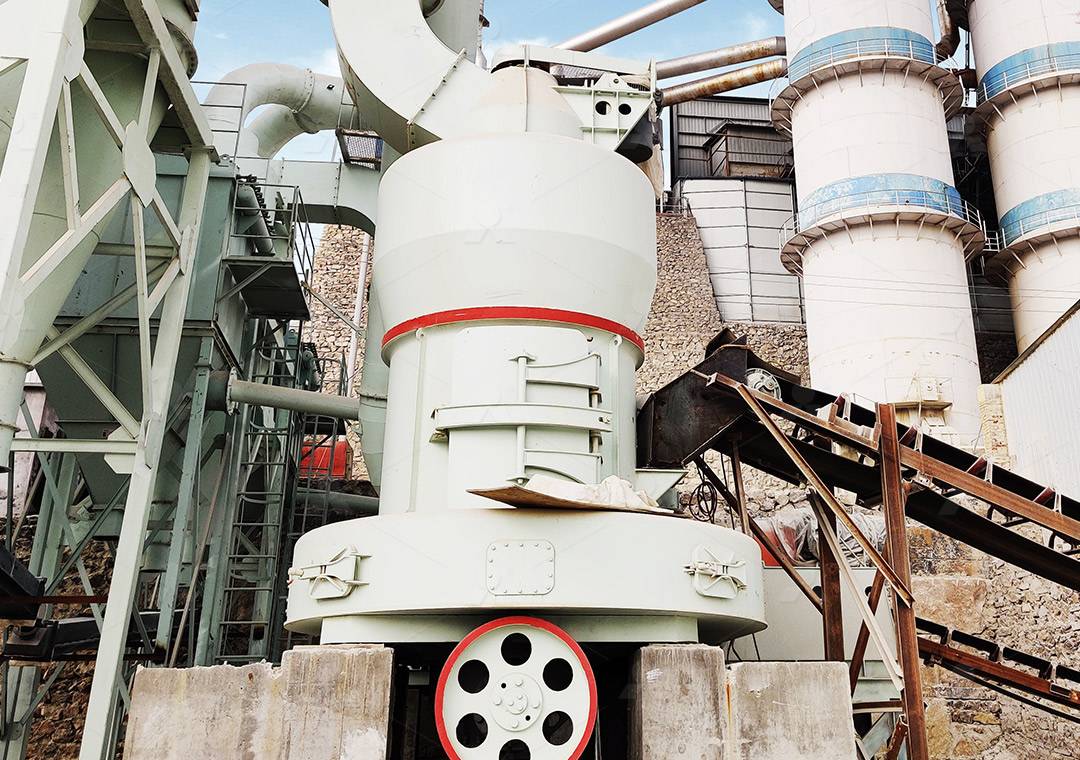
Application Fields and Material Compatibility
The 3015 Raymond Mill is not a one-trick pony. It handles a broad spectrum of non-flammable, non-explosive materials with a Mohs hardness of less than 7 and humidity below 6 percent. Common feedstocks include limestone, gypsum, barite, marble, talc, coal powder, and various phosphate ores. In the construction materials sector, it is used to produce fine powders for cement additives and wall putty. In the energy industry, it grinds pulverized coal for boiler feed, while in the chemical sector, it processes materials like bentonite and kaolin.
One real-world scenario where the 3015 excels is in small-scale calcium carbonate production. A typical setup might involve a jaw crusher reducing 50 mm rock down to under 25 mm, followed by the Raymond mill producing a 200-mesh powder at roughly 2 tph. This output is ideal for use as filler in paints, plastics, or rubber. The machine’s simple airflow system and cyclonic separation ensure that the final product has a consistent particle size distribution, which is critical for downstream quality control.
For operations that demand even finer grades, LIMING’s MW Ultrafine Grinding Mill is the recommended partner. The MW mill can adjust fineness between 325 and 2500 mesh, achieving d97 less than or equal to 5 microns in a single pass. It uses a cage-type powder selector based on German technology, and its pulse dust collector keeps the entire process clean. If your market demands superfine powders for cosmetics, medicine, or food additives, the MW series will deliver the spec you need.
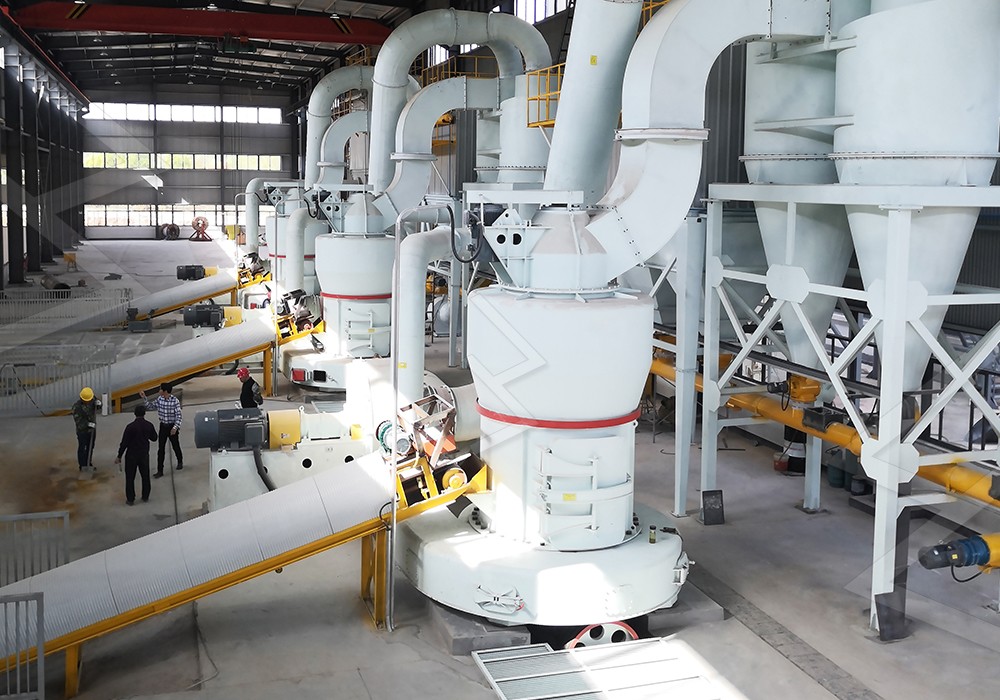
Working Principle: How It Gets the Job Done
The operation of the 3015 Raymond Mill is straightforward yet robust. Raw material is first crushed by a jaw crusher to the required size. The crushed material is then elevated into a storage hopper and fed evenly into the grinding chamber by an electromagnetic vibrating feeder. Inside the chamber, the rollers oscillate outward due to centrifugal force, pressing against the grinding ring. A shovel blade scoops up the material and sends it into the gap between the roller and ring, where the actual grinding occurs.
As the material is ground, a blower pushes air through the chamber. The airflow carries the fine particles upward into the separator. The separator acts as a screen, allowing only particles of the correct size to pass through into the cyclone collector. Oversized particles fall back down into the grinding chamber for another pass. The cyclone collector then separates the finished powder from the air stream, discharging it through a valve as final product. The cleaned air is recirculated back to the blower, creating a closed-loop system that minimizes dust and material loss.
One key advantage of this design is its simplicity. There are no complex bearings or screws inside the grinding chamber itself, which reduces the risk of mechanical failure. The entire airflow system operates under negative pressure, which virtually eliminates dust spillage into the work environment. This makes the 3015 compliant with basic environmental regulations, especially when combined with a downstream pulse dust collector.
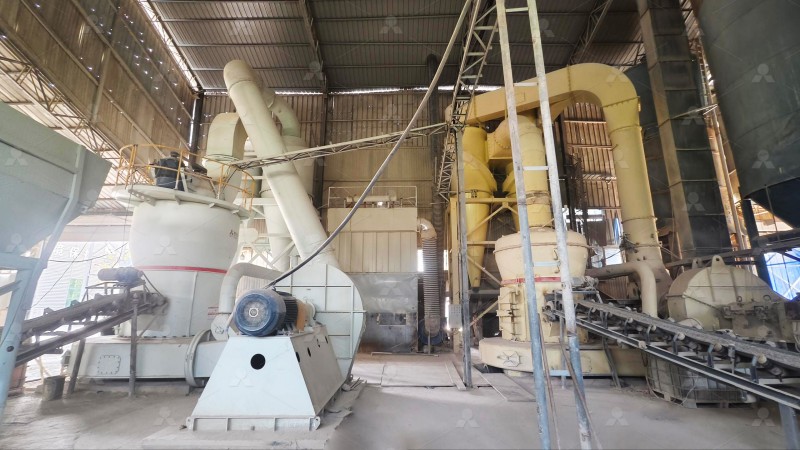
Comparing the 3015 with Modern Alternatives
While the 3015 Raymond Mill remains a workhorse, it is important to understand its limitations relative to newer technologies. The machine uses a shovel-and-ring grinding mechanism, which inherently limits its capacity and fineness range compared to vertical roller mills. For instance, LIMING’s LUM Ultrafine Vertical Grinding Mill can process materials up to 10 mm in feed size and deliver 5 to 18 tph capacity while achieving fineness down to 325-2500 mesh. LUM also employs a reversible structure for easier roller maintenance and a hydraulic system for precise pressure control.
Similarly, the LM Vertical Grinding Mill integrates crushing, drying, grinding, and classifying into one unit, which means it can take feed sizes up to 70 mm and produce up to 340 tph. This is a completely different league from the 3015. For high-volume cement, slag, or coal grinding, the LM series offers a 30 to 40 percent reduction in energy consumption compared to ball mills, plus it can be installed outdoors, saving building costs.
That said, the 3015 remains relevant for niche applications. If your operation demands a simple, low-investment machine for occasional use or for processing small batches of special materials, the 3015 is difficult to beat. It is also an excellent teaching tool for new operators who need to understand grinding fundamentals before moving to more complex systems.
Final Recommendations for Processing Engineers
Selecting the right grinding mill is about balancing budget, capacity, and required fineness. For basic calcium carbonate, gypsum, or barite grinding at 100-400 mesh with a throughput under 5 tph, the 3015 Raymond Mill is a cost-effective choice. The low capital expenditure and simple maintenance schedule make it a favorite among small businesses and startups.
However, if you anticipate scaling up production or if your clients start demanding finer powders (above 600 mesh), you should future-proof your investment by considering the MW Ultrafine Grinding Mill or the LUM series. Both offer digitalized control, higher efficiency, and the ability to handle multiple material types without cross-contamination issues. LIMING also provides comprehensive spare parts support and technical service for every machine we sell, ensuring worry-free operation for years to come.
Frequently Asked Questions (FAQ)
- What is the maximum feed size for the 3015 Raymond Mill?
The maximum input size is less than 25 millimeters. Larger materials must first be processed through a jaw crusher or similar primary reduction equipment. - Can the 3015 Raymond Mill grind sticky materials like kaolin or bentonite?
It can handle materials with less than 6% humidity. For sticky or high-moisture materials, pre-drying or a mill with integrated drying capability, like the LM Vertical Mill, is recommended. - How often do I need to replace the grinding roller and ring?
Service life depends on the abrasiveness of the material. For limestone, the rollers and rings typically last 6 to 12 months of continuous operation. Periodic inspection is advised. - Is the 3015 Raymond Mill environmentally friendly?
Yes, the closed-loop airflow system and optional pulse dust collector keep dust emissions very low. The machine also generates minimal noise compared to ball mills. - Can I achieve a fineness of 600 mesh on the 3015?
The standard 3015 is optimized for 80-400 mesh. For finer powders (600 mesh and above), the MW Ultrafine Grinding Mill is a better fit. - What is the power consumption for a 3015 system?
Total installed power typically ranges from 30 to 50 kW depending on the configuration, including the main motor, blower, and feeder. - Does LIMING provide spare parts for the 3015 Raymond Mill?
Yes, we maintain a sufficient stock of original spare parts, including roller shells, rings, shovel blades, and bearings, to ensure uninterrupted production. - How long is the warranty period?
LIMING offers a standard 12-month warranty on new machines. Extended service contracts are available upon request. - Can the mill be operated 24/7?
Yes, the 3015 is designed for continuous operation. The lubricating system allows for external maintenance without complete shutdown. - What is the difference between the 3015 and the MTW-Z European Trapezium Mill?
The MTW-Z is a newer generation with higher capacity (up to 55 tph), larger feed size (0-50 mm), and lower maintenance due to dilute oil lubrication. The 3015 is better for smaller, simpler setups.