
Optimizing Fine Powder Production: A Comprehensive Guide to the MTM Series Overpressure Trapezium Mill
We provide a wide range of mills — including Raymond mill, trapezoidal mill, vertical mill, ultrafine mill, and ball mill, obtained ISO9001 international quality certification, EU CE certification, and Customs Union CU-TR certification. Suitable for processing minerals such as limestone, phosphate, quicklime, kaolin, talc, barite, bentonite, calcium carbonate, dolomite, coal, gypsum, clay, carbon black, slag, cement raw materials, cement clinker, and more.
The discharge range of these mills can be adjusted to meet specific processing needs, typically from 80-400 mesh, 600-3250 mesh, and can achieve the finest particle size of up to 6000 mesh(D50).
If you are looking for a reliable grinding solution to turn stone or minerals into fine powder, please feel free to contact our online customer service.
Introduction to Modern Fine Powder Grinding
In the competitive landscape of industrial mineral processing, achieving consistent, high-quality fine powder is not just a goal—it is a necessity. The demand for ultra-fine materials with precise particle size distribution has driven innovation in grinding technology. Among the various solutions available, the MTM Series Overpressure Trapezium Mill stands out as a robust, efficient, and environmentally friendly workhorse. This guide will walk you through the critical aspects of optimizing your fine powder production line, from machine selection to operational best practices, ensuring you get the most out of your investment.
Whether you are processing limestone, barite, gypsum, or petroleum coke, the principles of efficient grinding remain constant. We will explore the mechanical innovations that set modern mills apart and provide actionable insights for operators and plant managers.
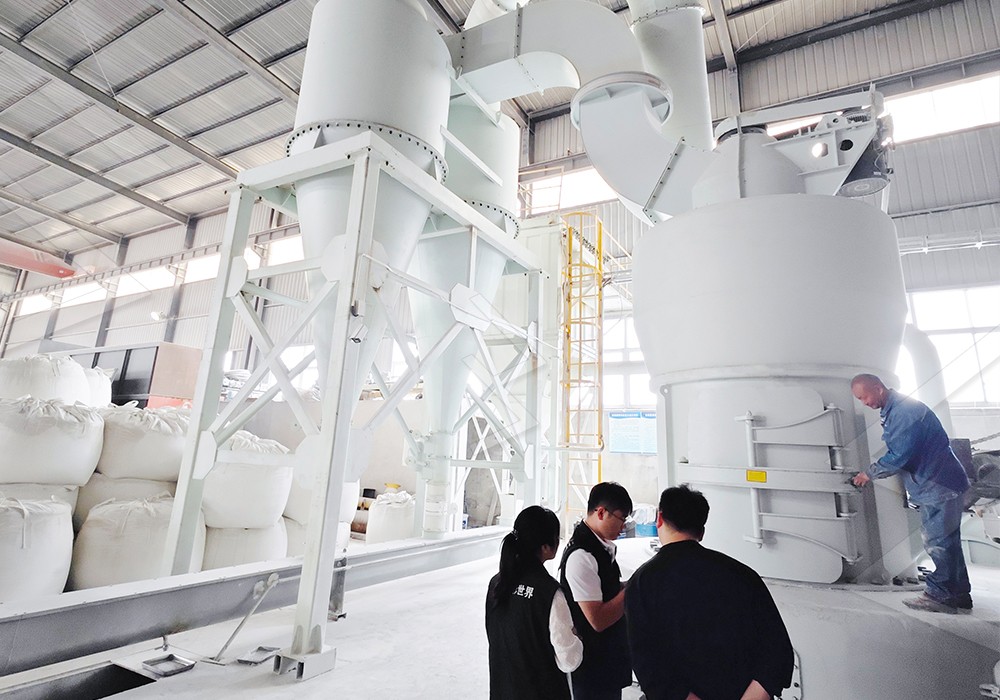
Technological Core: The Trapezium Grinding Principle
Traditional Raymond mills often suffer from high energy consumption and limited capacity. The MTM series addresses these issues head-on. The defining feature is the trapezium-shaped grinding roller and ring. Unlike conventional vertical or horizontal mills, the trapezium design creates a graded, stable material bed. This geometry allows for a larger grinding surface area without increasing the machine’s footprint. The result is a 10-15% increase in capacity compared to similar high-pressure mills, while maintaining the same power consumption.
Another critical upgrade is the elastic volute damping structure. In older models, vibration from the main shaft could damage the powder concentrator and lead to mechanical failures. The MTM’s special elastic structure, combined with rubber shock pads, isolates vibrations effectively. This not only protects the concentrator but also ensures a more consistent output fineness. For operations requiring a fine product between 325 and 2500 mesh, the cage-type powder concentrator offers low resistance and high separation efficiency.
Operational Optimization: Feeding, Airflow, and Maintenance
Optimization is not just about the machine itself; it is about the entire system. Proper feeding is the first step. The MTM mill works best when the feed size is below 50 mm and the material is fed evenly. Using a jaw crusher and a vibrating feeder ensures that the mill does not choke or experience power surges. The closed-loop airflow system is another area where operators can fine-tune performance. By adjusting the blower speed and the separator rotor speed, you can control the fineness of the final product without stopping the machine.
Maintenance is often the biggest cost factor in grinding operations. The MTW-Z series, a close relative of the MTM, features a diluted oil lubrication system for the grinding rollers. This eliminates the need for frequent grease injections and reduces the risk of bearing failure. Similarly, the absence of screws and rolling bearings inside the grinding chamber of the MW Ultrafine Grinding Mill ensures that you do not lose production time due to loose parts or seal damage. We highly recommend the MW Ultrafine Grinding Mill for applications where ultra-fine powder (d97≤5μm) is required, as its multi-head cage-type powder selector delivers unmatched precision.
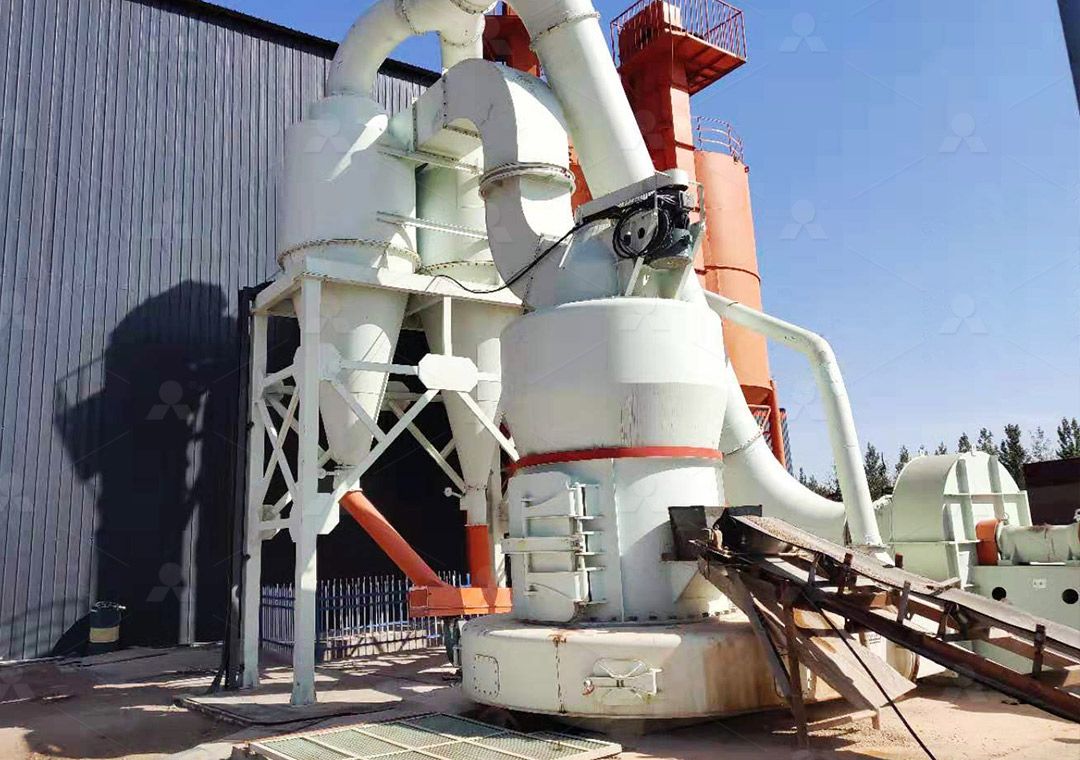
Environmental Compliance and Noise Reduction
Modern grinding plants must meet strict environmental standards. The MTM series is designed with this in mind. The entire milling system operates under negative pressure, preventing dust from escaping into the workshop. The integrated pulse dust collector captures fine particles with high efficiency, ensuring that the air exhausted from the system is clean. Additionally, a dedicated muffler and noise elimination room can be configured to bring noise levels down to acceptable limits.
For customers who need to balance high capacity with environmental responsibility, consider the LUM Ultrafine Vertical Grinding Mill. It uses a unique roller shell and lining plate curve that creates a stable material layer, reducing iron contamination and improving product whiteness. Its PLC-based control system allows for precise adjustment of grinding pressure and speed, making it ideal for high-value applications like cosmetics and food additives.
Cost Analysis: Total Cost of Ownership
When evaluating a grinding mill, the purchase price is only part of the equation. Total cost of ownership includes energy consumption, spare parts, and downtime. The MTM series excels here. The cambered air duct improves airflow dynamics, reducing resistance and saving energy. The grinding rollers and rings are made from wear-resistant alloys developed in collaboration with scientific institutes. These parts last 1.7 to 2.5 times longer than traditional high-manganese steel parts.
Furthermore, the digitalized processing ensures that every component, from the main shaft to the housing, is machined to high precision. This reduces the likelihood of premature failures. LIMING also guarantees a sufficient supply of original spare parts, so you are never stuck with a non-operational mill. For high-volume producers, investing in the LM Vertical Grinding Mill can be a game-changer. It integrates crushing, drying, and grinding into one system, reducing the overall footprint and capital expenditure by up to 50% compared to a ball mill system.

Case Study: From Line to Finished Product
Consider a producer of petroleum coke powder. The raw material enters the jaw crusher, is reduced to 20-30 mm, and is then fed into the MTM mill. Inside the grinding chamber, the rollers press the material against the ring. The hot air from the blower dries the material and carries the fine particles to the separator. The coarse particles fall back for re-grinding, while the fine powder is collected in the cyclone collector and bag filter. The entire process is automated, requiring only one operator per shift. The final product achieves a fineness of D90<10 microns, with a throughput of 8 tons per hour.
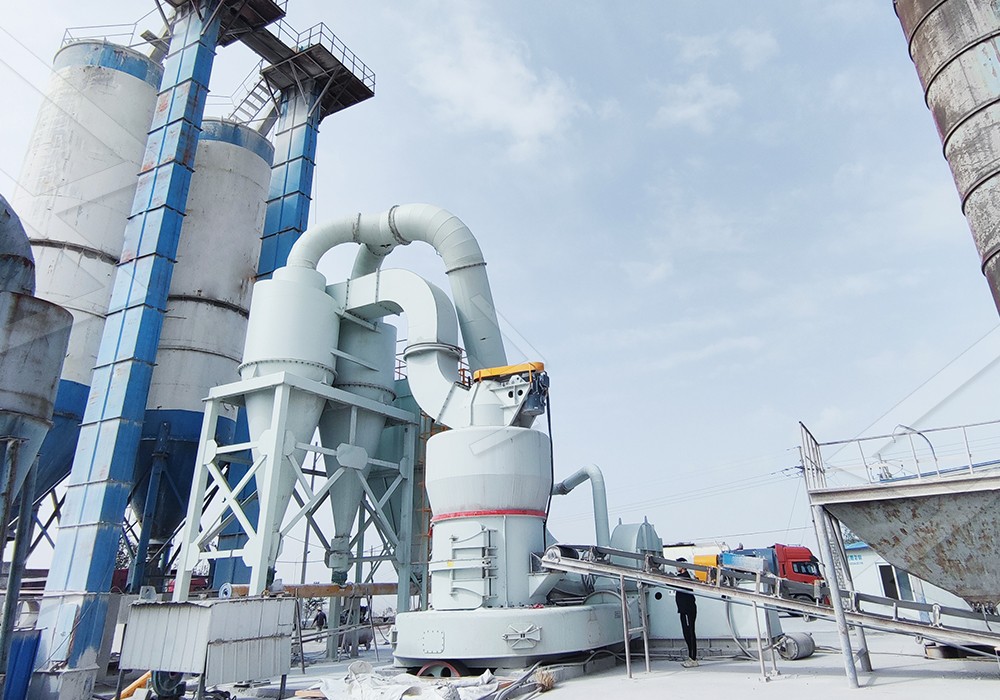
The key takeaways from this operation are consistency and control. By maintaining a stable feed rate and optimizing the separator speed, the plant can switch between different product specifications in under 15 minutes.
Conclusion
The MTM Series Overpressure Trapezium Mill represents a significant leap forward in fine powder production. Its combination of high capacity, low energy consumption, and robust construction makes it suitable for a wide range of materials, from soft minerals like talc to harder materials like barite. By following the optimization tips in this guide—focusing on feed control, airflow management, and regular maintenance—you can maximize your return on investment. For specialized ultra-fine grinding needs, the MW Ultrafine Grinding Mill and LUM Vertical Grinding Mill are excellent alternatives that offer precision and purity.
Remember, the right equipment is just the beginning. Partnering with a manufacturer that offers comprehensive technical support and a reliable supply of spare parts ensures that your production line keeps running smoothly for years.
Frequently Asked Questions (FAQ)
1. What is the maximum feed size for the MTM Trapezium Mill? The recommended maximum feed size is 0-50 mm. Larger lumps should be pre-crushed with a jaw crusher to ensure efficient operation and protect the mill internals.
2. How does the MTM mill compare to a ball mill in terms of energy consumption? The MTM series typically saves 30-50% in energy consumption compared to a traditional ball mill, primarily due to its efficient grinding principle and optimized air duct design.
3. Can I use the MTM mill to grind materials with high moisture content? Yes, but the moisture content should generally be below 6%. For higher moisture levels, the mill can be equipped with a hot air system for in-situ drying during grinding.
4. What fineness range can the MTW-Z European Trapezium Mill achieve? The MTW-Z mill can produce powder with a fineness ranging from 80 to 400 mesh (180 to 38 microns). For finer powders, the MW Ultrafine Grinding Mill is recommended.
5. How often do I need to replace the grinding rollers and rings? The replacement interval varies with the abrasiveness of the material. For limestone, the rollers and rings can last 6-12 months. Using the wear-resistant alloy parts supplied by LIMING extends this life by up to 2.5 times.
6. Is the mill difficult to install? No, the MTM and MTW-Z mills are designed with a compact structure. Most models can be installed on a concrete foundation without the need for heavy civil engineering. The manufacturer provides on-site guidance.
7. Does the system require a dedicated dust collector? Yes, a pulse dust collector is necessary to meet environmental discharge standards. The MTM mill is compatible with a standard bag-type or pulse-jet collector.
8. Can I produce multiple grades of powder using the same mill? Yes. By adjusting the rotating speed of the powder separator rotor and the grinding pressure (via the hydraulic system), you can switch between different fineness grades without changing mechanical parts.
9. What is the warranty period for these mills? LIMING typically offers a 12-month warranty from the date of commission, covering defects in materials and workmanship. Extended warranties are available upon request.
10. How do I get spare parts for the mill? LIMING maintains a warehouse with original spare parts for all its models. Orders can be placed through your local distributor or directly with the factory. A digital inventory system ensures rapid dispatch.