
High-Quality Coking Coal Grinding Mill Machinery Manufacturer for Efficient Pulverizing
We provide a wide range of mills — including Raymond mill, trapezoidal mill, vertical mill, ultrafine mill, and ball mill, obtained ISO9001 international quality certification, EU CE certification, and Customs Union CU-TR certification. Suitable for processing minerals such as limestone, phosphate, quicklime, kaolin, talc, barite, bentonite, calcium carbonate, dolomite, coal, gypsum, clay, carbon black, slag, cement raw materials, cement clinker, and more.
The discharge range of these mills can be adjusted to meet specific processing needs, typically from 80-400 mesh, 600-3250 mesh, and can achieve the finest particle size of up to 6000 mesh(D50).
If you are looking for a reliable grinding solution to turn stone or minerals into fine powder, please feel free to contact our online customer service.
Introduction: The Backbone of Efficient Coking Coal Processing
In the world of metallurgy and industrial fuel production, coking coal stands as a cornerstone material. Its transformation from raw lumps into a fine, consistent powder is a critical step in processes like coke manufacturing for blast furnaces and pulverized coal injection (PCI). The efficiency of this pulverizing stage directly impacts energy consumption, product quality, and overall operational costs. For plant managers and procurement specialists, selecting a high-quality coking coal grinding mill machinery manufacturer is not just a purchase—it is a strategic decision that determines long-term productivity.
At LIMING, we understand the unique challenges of grinding coking coal: its abrasiveness, the need for precise fineness, and the demand for continuous, trouble-free operation. Our engineering team has spent decades refining grinding technologies to address these exact points. We do not just build machines; we engineer solutions that deliver efficient pulverizing while minimizing downtime and environmental impact.

The Core Challenge: Achieving Consistent Fineness with Low Energy Use
Coking coal grinding is distinct. Unlike softer minerals, coal contains varying levels of moisture and volatile matter, and its grindability (Hardgrove Index) can fluctuate. A standard mill may struggle with high energy consumption, excessive wear, or inconsistent particle size. This is where our proprietary designs make a measurable difference.
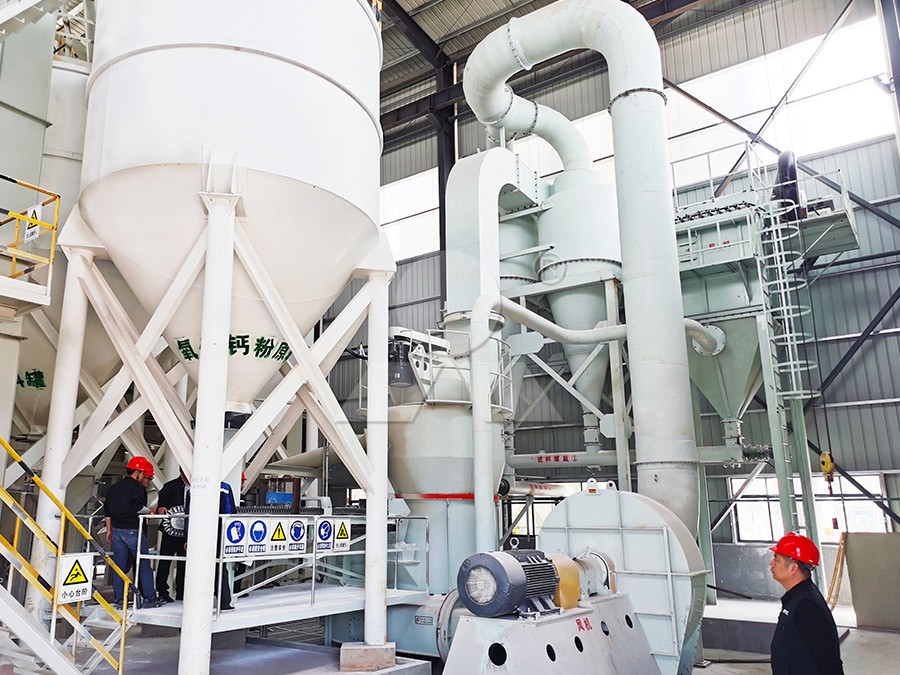
Consider the MW Ultrafine Grinding Mill. For operations needing ultra-fine powder (down to d97≤5μm), this machine is a game-changer. Its grinding curves are engineered to maximize efficiency; with the same power input, its capacity is 40%% higher than jet mills and double that of traditional ball mills. Yet, energy consumption is only 30%% of a jet mill. For a coking coal plant running 24/7, this translates into thousands of dollars saved annually.
Another standout is the LUM Ultrafine Vertical Grinding Mill. It integrates Taiwan roller technology and German powder separation. For coking coal, its multi-head powder separator allows operators to switch between different fineness demands quickly, reducing waste. The double position-limiting technology prevents destructive vibration, ensuring stable operation even when feed coal properties vary.
Why Traditional Mills Fall Short on Coking Coal
Many plants still rely on older Raymond mills or ball mills. However, for high-capacity coking coal grinding, these systems present clear disadvantages. Ball mills, for instance, are known for high iron contamination—a serious issue for coke quality where purity matters. They also occupy large floor areas and consume excessive power.
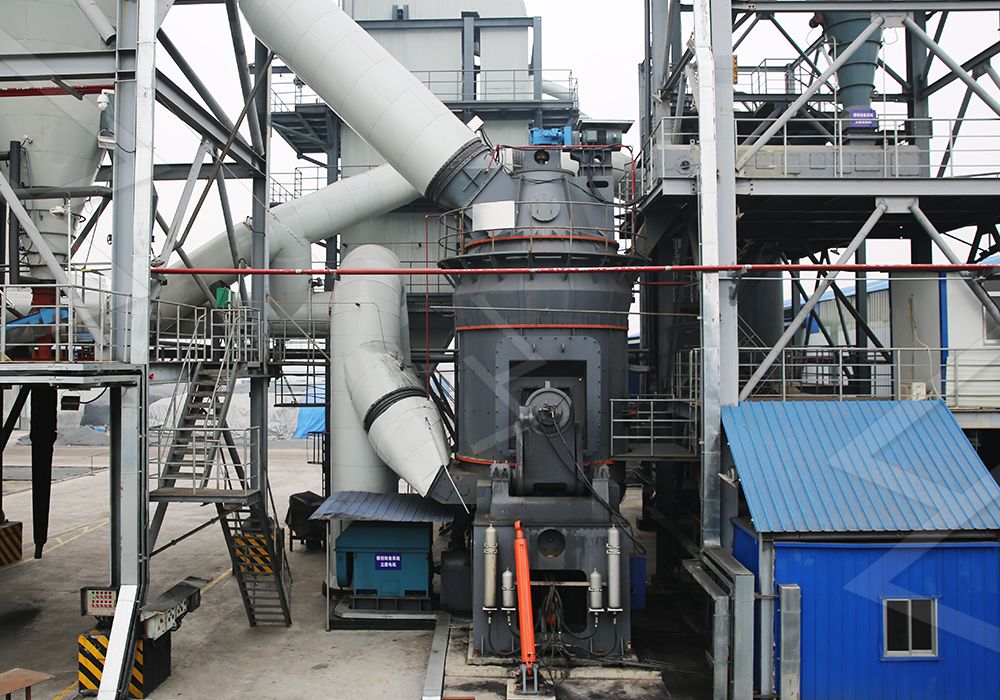
Our LM Vertical Grinding Mill solves this by integrating crushing, drying, grinding, and classifying in one unit. Its footprint is 50%% smaller than a ball mill system, and energy savings reach 30-40%%. For coking coal with moisture content, the drying capacity within the mill is robust. The grinding roller and millstone do not contact directly, which keeps iron content in the final powder very low—critical for maintaining the whiteness and chemical purity of the coke product.
Furthermore, the short residence time (materials stay in the mill for only 2-3 minutes) allows for quick adjustments to quality. If the coal source changes, operators can correct fineness almost instantly without waiting for a full grinding cycle.
Environmental and Maintenance Advantages
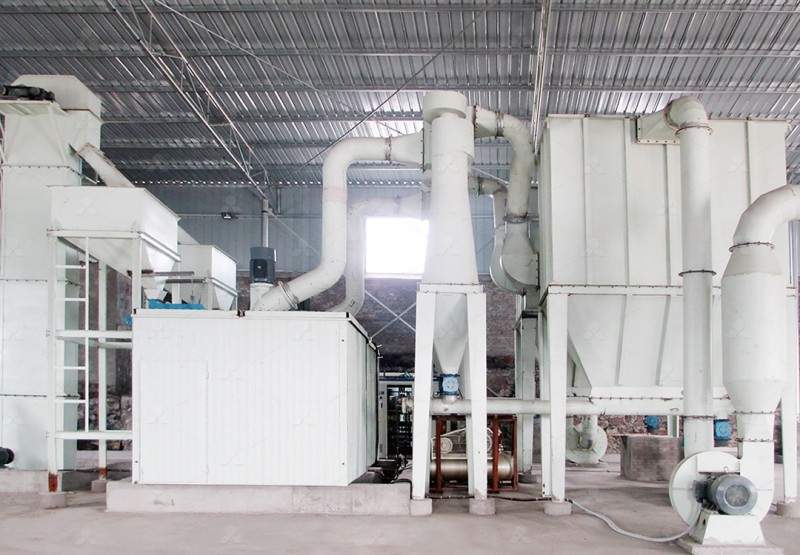
Modern plants cannot ignore environmental regulations. Our mills are designed with eco-friendly operations in mind. The MW Ultrafine Grinding Mill is equipped with an efficient pulse dust collector and a muffler. This means no dust pollution and noise levels kept to a minimum, meeting national environmental standards without the need for expensive retrofit.
Maintenance is another pain point. Traditional mills have bearings and screws inside the grinding chamber that fail frequently. Our MW mill eliminates rolling bearings and screws from the chamber entirely. The lubrication system is installed externally, allowing oil changes without shutting down the machine. Production can continue for 24 hours without interruption. For the LUM mill, the reversible structure allows maintenance crews to swing the grinding roller out of the body for inspections in minutes, drastically reducing shutdown losses.
We also guarantee sufficient supply of original spare parts. Because LIMING handles both production and sales, we take full responsibility for every machine. Our customers never face the frustration of incompatible components or long waiting periods.
Digitalization for Precision Control
All our mills benefit from digitalized processing. We use tens of lines of numerical controlling machine tools for manufacturing. Steel plate cutting, bending, planing, milling, and paint spraying are all numerically controlled. This ensures that core parts like the grinding roller shell and liner plate have high dimensional precision. The result is a machine that runs truer, lasts longer, and produces more uniform powder.
For coking coal, where the final particle size distribution directly affects combustion efficiency or coke strength, this precision is non-negotiable. Operators can set parameters via PLC control systems and monitor real-time output quality. The integration of expert-level automation allows remote control, freeing up personnel for other critical tasks.
Conclusion: A Partner for Long-Term Efficiency
Choosing a high-quality coking coal grinding mill machinery manufacturer is about more than just the hardware. It is about engineering support, spare parts availability, and a commitment to reducing your total cost of ownership. At LIMING, we have served countless clients in the coal grinding sector, from power plants to steel mills, and our machines are proven under the toughest conditions.
Whether you need the ultra-fine capabilities of the MW Ultrafine Grinding Mill or the high-capacity, low-footprint design of the LUM Ultrafine Vertical Grinding Mill, we have the solution. Contact us today for a consultation on your specific coking coal pulverizing needs.
Frequently Asked Questions (FAQ)
1. What is the typical input size for coking coal grinding in your mills?
For the MW Ultrafine Grinding Mill, the maximum input size is 20 mm. For LUM Ultrafine Vertical Grinding Mill, it is 10 mm. Larger materials must first be crushed to these sizes using a primary crusher like our jaw crusher.
2. Can your mills handle coal with high moisture content?
Yes. Both the LM Vertical Grinding Mill and LUM Ultrafine Vertical Grinding Mill have integrated drying capabilities. Hot air can be introduced into the mill to dry the coal during grinding, making them suitable for materials with up to 15-20%% moisture.
3. How long do the wear parts (rollers and rings) last when grinding coking coal?
The lifespan depends on the coal’s abrasiveness and operating parameters. However, our wear-resistant alloy materials extend service life by 1.7 to 2.5 times compared to traditional high-manganese steel. Typical intervals range from 6 months to 2 years under normal conditions.
4. How does your mill reduce iron contamination in the final powder?
Our vertical mills (LM and LUM) are designed so that the grinding roller and millstone do not make direct metal-to-metal contact. This minimizes iron from mechanical wear. Additionally, any iron particles are either discharged from the slag outlet or are easily separated from the final product due to their weight.
5. Is it possible to adjust the fineness while the mill is running?
Absolutely. The powder concentrator speed can be adjusted via the PLC control system. For both the MW and LUM mills, you can change the rotor vanes’ speed to achieve fineness between 325 and 2500 meshes without stopping production.
6. What after-sales service do you provide?
LIMING offers lifetime technical support, including on-site installation guidance, commissioning, and training. We stock a comprehensive inventory of original spare parts to ensure minimal downtime. Our engineers can also visit your site for scheduled maintenance inspections.
7. How does your mill compare to ball mills in terms of energy efficiency?
Our vertical mills typically consume 30-50%% less energy than ball mills for the same throughput. The MW Ultrafine Grinding Mill system energy consumption is only 30%% of a jet mill, while capacity is double that of a ball mill.
8. Can the mill be integrated into an existing plant layout with limited space?
Yes. The LM Vertical Grinding Mill occupies about 50%% of the floor area required by a ball mill system. It can also be installed outdoors with minimal structural modifications, reducing civil engineering costs.
9. What safety features are included for grinding coal (a combustible material)?
Our mills are designed with inerting systems options, explosion vents, and temperature monitoring sensors. The negative pressure operation prevents dust leakage, and the pulse dust collector reduces the risk of dust accumulation. We always recommend combining the mill with a proper fire suppression system for coal applications.
10. How long does it take to deliver a mill once an order is placed?
Delivery time varies by model and customization. Standard models like the MW mill typically take 30-45 days from order to shipment. Customized solutions (e.g., special voltage, automation level) may require 60-90 days. We can provide a precise timeline based on your requirements.