
Optimizing Coal Pulverization with Automatic Coal Grinding Mills
We provide a wide range of mills — including Raymond mill, trapezoidal mill, vertical mill, ultrafine mill, and ball mill, obtained ISO9001 international quality certification, EU CE certification, and Customs Union CU-TR certification. Suitable for processing minerals such as limestone, phosphate, quicklime, kaolin, talc, barite, bentonite, calcium carbonate, dolomite, coal, gypsum, clay, carbon black, slag, cement raw materials, cement clinker, and more.
The discharge range of these mills can be adjusted to meet specific processing needs, typically from 80-400 mesh, 600-3250 mesh, and can achieve the finest particle size of up to 6000 mesh(D50).
If you are looking for a reliable grinding solution to turn stone or minerals into fine powder, please feel free to contact our online customer service.
Introduction: The Challenge of Coal Pulverization
Coal pulverization is a critical process in many industries, particularly in power generation, cement production, and steel manufacturing. The goal is simple: reduce raw coal into a fine powder that can be efficiently burned or processed. However, achieving consistent fineness, high throughput, and low energy consumption is anything but simple. Traditional grinding methods often struggle with issues like high iron contamination, excessive noise, and dust pollution. This is where modern automatic coal grinding mills step in, offering a path to optimize the entire process.
Why Automation Matters in Coal Grinding
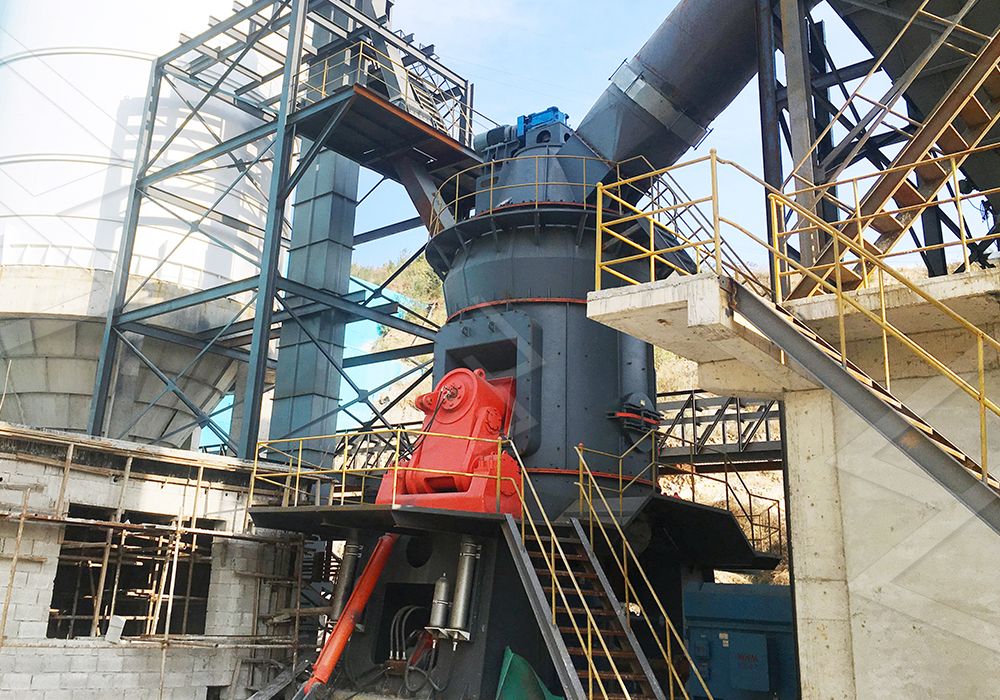
Manual or semi-automatic systems require constant operator intervention to adjust parameters like feed rate, grinding pressure, and classifier speed. This leads to inconsistencies, higher labor costs, and increased downtime. An automatic coal grinding mill, by contrast, uses advanced PLC control systems to monitor and adjust these variables in real-time. The result is a stable operation that maintains product quality even when coal moisture or hardness fluctuates. For instance, the LUM Ultrafine Vertical Grinding Mill from Liming integrates multi-head powder separating technology with PLC control, allowing operators to precisely set grinding pressure and rotor speed. This not only boosts efficiency but also cuts energy consumption by 30%% to 50%% compared to conventional mills.
Key Features to Look for in a Coal Grinding Mill
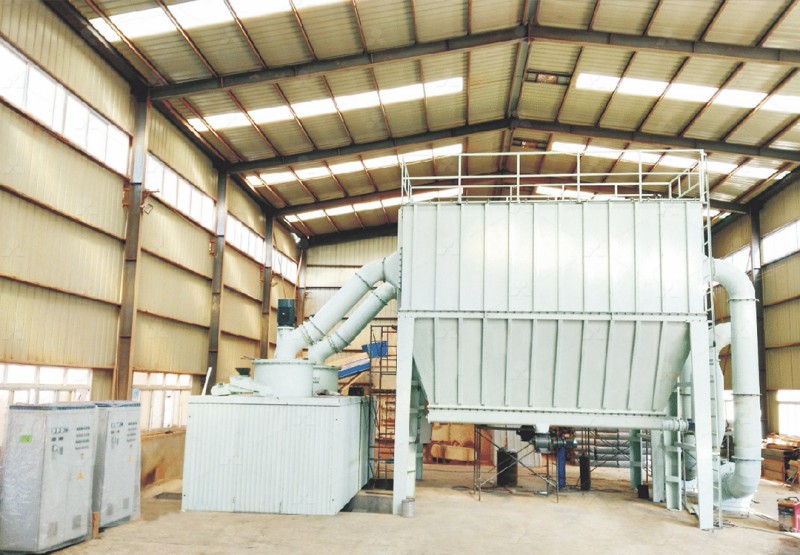
When selecting equipment for coal pulverization, several features directly impact optimization. First, consider the grinding curve design. Mills like the MW Ultrafine Grinding Mill use newly engineered grinding curves for the roller and ring, which enhance grinding efficiency. With the same power and fineness, this mill yields 40%% higher capacity than jet mills and twice the output of ball mills, while using only 30%% of the energy. Second, dust control is non-negotiable. The MW mill comes with an efficient pulse dust collector and a muffler, ensuring zero dust pollution and low noise—essential for meeting environmental standards. Third, maintenance ease matters. The MW mill has no rolling bearings or screws inside the grinding chamber, eliminating common failure points and allowing 24-hour continuous operation with external lubrication.
How Automatic Mills Improve Product Quality
Coal powder fineness is a key parameter. Too coarse, and combustion is incomplete; too fine, and energy waste occurs. Automatic mills excel here by offering adjustable fineness. The MW Ultrafine Grinding Mill, for example, can produce powders from 325 to 2500 mesh, with a screening rate of d97 ≤ 5 μm in a single pass. This precision is achieved through a German-engineered cage-type powder selector, which can be configured for different yield and fineness requirements. Similarly, the LUM Vertical Mill’s unique roller shell and lining plate curves minimize material lingering and repeated grinding, producing a high rate of finished product in one pass. This not only improves whiteness and cleanliness—important for applications like paint and cosmetics—but also ensures stable chemical composition in the coal powder.
Real-World Performance Data: Why These Mills Stand Out
Numbers tell the story. The MW Ultrafine Grinding Mill handles input sizes up to 20 mm and delivers capacities from 0.5 to 25 tph, making it suitable for both small-scale and medium-scale operations. Its energy consumption is just 30%% of a jet mill, translating to significant cost savings over time. For larger operations, the LUM Ultrafine Vertical Grinding Mill takes inputs up to 10 mm and offers capacities from 5 to 18 tph, with energy savings of 30%% to 50%% over common mills. Both mills feature digitalized processing with CNC-controlled steel cutting, bending, and milling, ensuring high precision in core components. Additionally, Liming provides a sufficient supply of original spare parts and technical support, so downtime is minimized.
Working Principles That Drive Efficiency
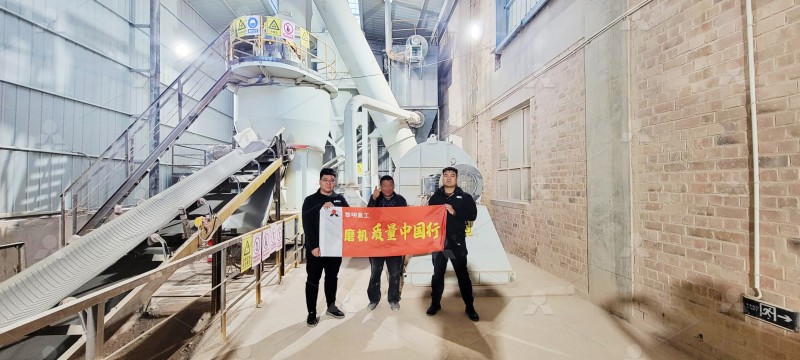
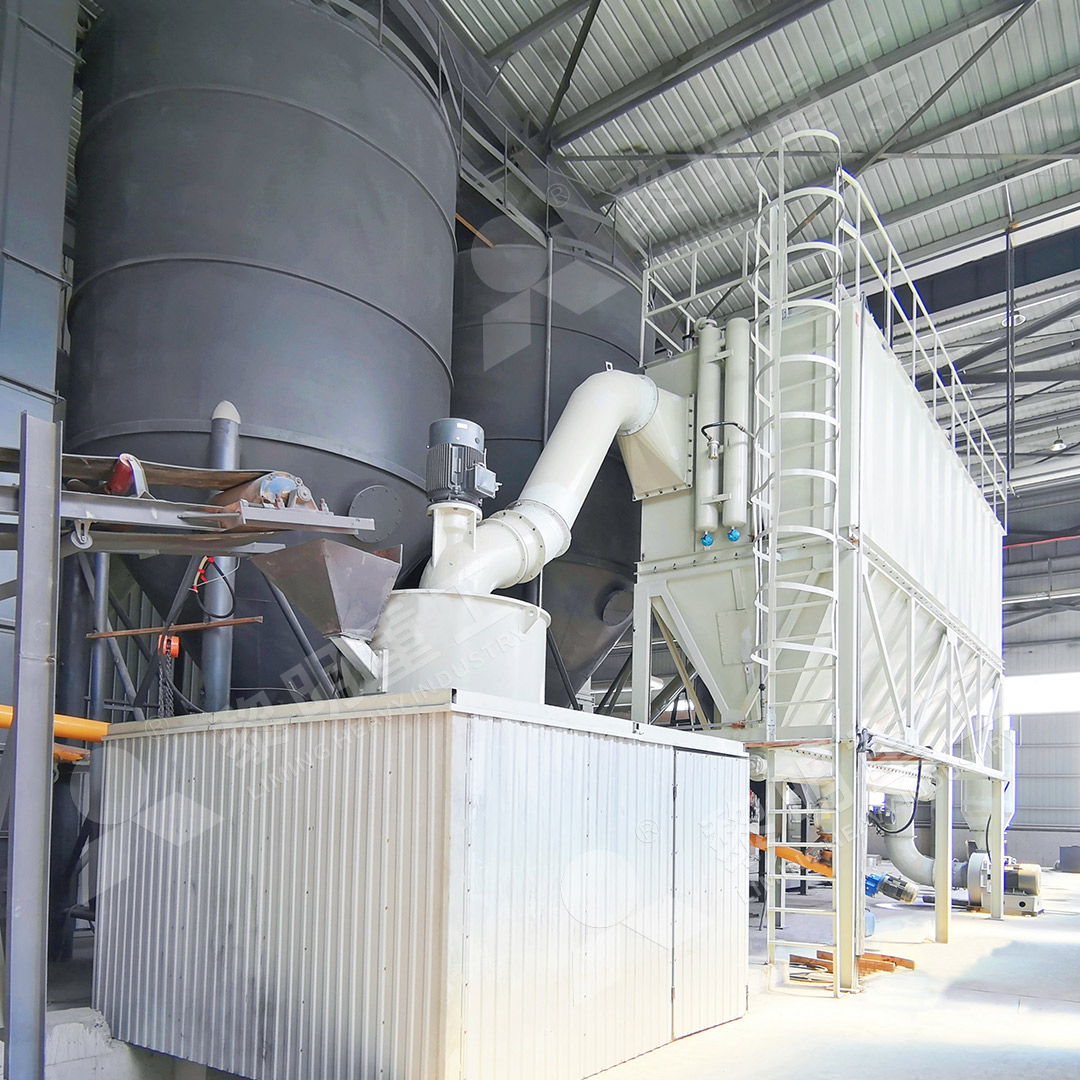
Understanding how these mills operate highlights their optimization benefits. In the MW Ultrafine Grinding Mill, the motor drives the main shaft and turnplates through a reducer, causing dozens of rollers to rotate against the raceway ring. Crushed material is fed from a hopper via a vibrating feeder to the center of the upper turnplate, where centrifugal force pushes it outward for grinding across three turnplates. A blower carries the fine powder to a separator; coarse particles drop back for regrinding, while fine powder moves to a cyclone collector. The air is purified through a filter and muffler before exiting. This closed-loop system ensures minimal waste and consistent output.
The LUM Ultrafine Vertical Grinding Mill works differently. A main motor turns the millstone through a reduction box, with airflow entering from below. Materials from a screw feeder land on the millstone center and move outward under centrifugal force, getting crushed by rollers. A material bed forms, enabling inter-particle grinding. The air current carries ground materials to a separator where coarse particles fall back, and fine powder is collected. This design reduces grinding time and iron contamination, as the rollers and millstone rarely touch directly.
Conclusion: The Future of Coal Pulverization
Optimizing coal pulverization is no longer just about grinding harder; it is about grinding smarter. Automatic coal grinding mills from Liming, such as the MW Ultrafine Grinding Mill and the LUM Ultrafine Vertical Grinding Mill, offer tangible benefits: higher yields, lower energy use, precise fineness control, and eco-friendly operation. With digitalized manufacturing and robust after-sales support, these mills provide a worry-free path to improved productivity. For any operation looking to reduce costs and enhance quality, investing in such technology is a step in the right direction.
Frequently Asked Questions (FAQ)
- What is the maximum input size for the MW Ultrafine Grinding Mill? The MW mill can handle materials up to 20 mm in size, making it suitable for coal that has been pre-crushed to a manageable dimension.
- Can these mills process materials other than coal? Yes, both the MW and LUM mills are designed for a variety of materials, including limestone, calcite, dolomite, barite, marble, talc, gypsum, and many more used in chemical, paint, and cosmetic industries.
- How fine can the coal powder be ground? The MW mill offers adjustable fineness from 325 to 2500 mesh, with a screening rate of d97 ≤ 5 μm. The LUM mill also allows fine adjustment through rotor speed changes.
- What maintenance is required for these automatic mills? Routine checks include monitoring wear on roller shells and liners. The LUM mill features a reversible structure for easy roller maintenance, while the MW mill has external lubrication that allows 24-hour operation without shutdown.
- How do these mills reduce energy consumption? The MW mill uses only 30%% of the energy of a jet mill, thanks to its optimized grinding curves and efficient classifier. The LUM mill reduces energy by 30%% to 50%% through multi-head powder separation and PLC control.
- Are these mills environmentally friendly? Yes. Both models are equipped with pulse dust collectors and mufflers to eliminate dust and reduce noise, meeting national environmental standards. The LUM mill operates under negative pressure to prevent dust spills.
- What is the typical capacity range for these mills? The MW Ultrafine Grinding Mill has a capacity of 0.5 to 25 tph, ideal for small to medium operations. The LUM Ultrafine Vertical Grinding Mill offers 5 to 18 tph, suited for larger-scale production.
- How does automation improve product consistency? PLC systems in mills like the LUM automatically adjust grinding pressure, feed rate, and separator speed, compensating for variations in coal hardness and moisture to produce uniform powder fineness.
- What after-sales support does Liming provide? Liming offers original spare parts, technical services, and a sufficient supply of wear components to ensure worry-free operation. Their digitalized manufacturing ensures high precision for replacement parts.
- Can these mills be installed outdoors? Yes, the LUM mill and other Liming vertical mills have a compact design that allows outdoor installation, reducing construction costs and saving indoor space.