
Working Principle of Stone Grinding Mill Machinery: A Comprehensive Guide
We provide a wide range of mills — including Raymond mill, trapezoidal mill, vertical mill, ultrafine mill, and ball mill, obtained ISO9001 international quality certification, EU CE certification, and Customs Union CU-TR certification. Suitable for processing minerals such as limestone, phosphate, quicklime, kaolin, talc, barite, bentonite, calcium carbonate, dolomite, coal, gypsum, clay, carbon black, slag, cement raw materials, cement clinker, and more.
The discharge range of these mills can be adjusted to meet specific processing needs, typically from 80-400 mesh, 600-3250 mesh, and can achieve the finest particle size of up to 6000 mesh(D50).
If you are looking for a reliable grinding solution to turn stone or minerals into fine powder, please feel free to contact our online customer service.
Introduction to Stone Grinding Mill Machinery
Stone grinding mills have been the backbone of material processing industries for decades. From limestone to marble, from coal to barite, the need to reduce large chunks of rock into fine, usable powder is universal. But not all grinding mills are created equal. The technology behind these machines has evolved significantly, moving from simple ball mills to highly efficient ultra-fine grinding systems. This guide dives deep into the working principles of modern stone grinding mill machinery, focusing on what makes them tick and how they deliver consistent, high-quality results.
At the heart of this evolution is the drive for higher efficiency, lower energy consumption, and finer product control. Whether you are in the chemical industry, paint manufacturing, or cosmetics, the quality of your final product often starts with the consistency of your powder. Understanding the mechanics behind the mill you choose is not just an engineering exercise; it is a business decision. Today, we explore the core concepts that drive these machines, with a special focus on models like the MW Ultrafine Grinding Mill and the LUM Ultrafine Vertical Grinding Mill, which represent the cutting edge of this technology.
The Core Principle: From Rock to Powder
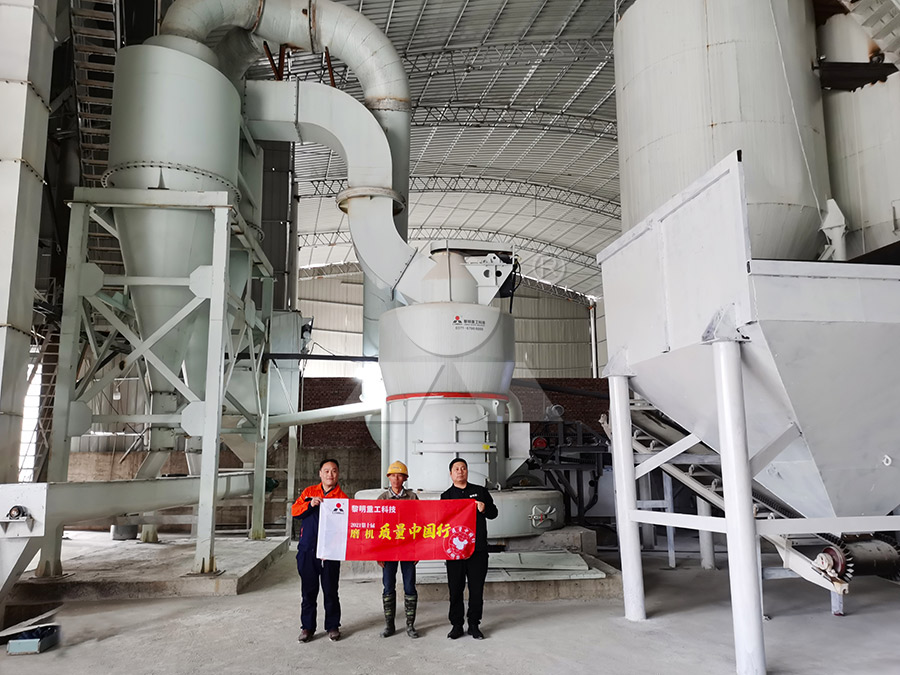
The fundamental goal of any stone grinding mill is to apply sufficient force to break down material particles. This is typically achieved through a combination of crushing, grinding, and classifying. The process usually starts with a crusher that reduces large rocks (often up to 20-50 mm in size) into a manageable feed size. This material is then fed into the main grinding chamber.
Inside the chamber, the magic happens. In a mill like the MW Ultrafine Grinding Mill, the motor drives a main shaft connected to a turnplate. Dozens of rollers are pinned to this plate, and as it rotates, centrifugal force pushes these rollers outward against a fixed grinding ring. The material is scooped up, crushed between the roller and the ring, and ground into a fine powder. The key innovation here is the ‘multi-stage’ approach. After the first pass, the material moves to subsequent turnplates for finer grinding, ensuring that every particle is reduced to the target size. This layered process is what allows for output fineness ranging from 325 to 2500 mesh.
Another popular approach is the vertical roller mill (VRM) design, seen in the LUM Ultrafine Vertical Grinding Mill. Here, the grinding table rotates, and the rollers are stationary. The material falls onto the center of the table and is carried outward by centrifugal force. The rollers crush the material as it passes under them, forming a material bed. This ‘bed of material’ grinding is critical; it reduces metal-to-metal contact, lowering wear and tear and improving the efficiency of the grinding action. The ground material is then swept up by an air stream and directed to a classifier.
The Role of the Classifier and Air System
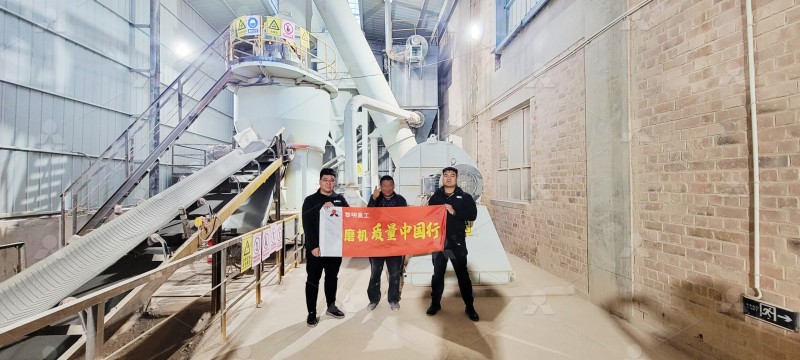
Grinding is only half the story. The other half is classification. After the material is ground, it is carried by an air stream (generated by a blower) into a powder separator or classifier. This device spins at a high speed, acting like a centrifuge. Coarse particles that are not yet fine enough are thrown outward by centrifugal force and dropped back into the grinding chamber for further processing. Fine particles, which meet the required specification, are allowed to pass through the rotor vanes and are collected in a cyclone collector or bag filter.
This closed-loop system is what makes modern mills so efficient. It prevents over-grinding (which wastes energy and can damage the product’s properties) and ensures a consistent particle size distribution. In the MW Ultrafine Grinding Mill, the cage-type powder selector, utilizing German technology, provides high precision separation, allowing for a screening rate of d97≤5μm in a single pass. This level of control is non-negotiable in industries like pharmaceuticals and high-end cosmetics where particle uniformity directly impacts product performance.
The air system also plays a vital role in cooling the mill and transporting the material. The entire system is typically operated under negative pressure to prevent dust leakage. Mills like the MW and LUM are equipped with efficient pulse dust collectors and silencers, meaning the operation meets strict environmental standards. This is a significant step up from older mills that could be a source of significant dust pollution and noise.
Key Technological Advancements
Modern stone grinding mills have abandoned many of the pitfalls of older designs. For instance, the MW Ultrafine Grinding Mill has no rolling bearings or screws inside the grinding chamber. This eliminates the common problem of bearing seal damage and loose screws damaging the machine. The lubricating device is installed externally on the main shaft, allowing for ‘lubrication without shutdown.’ This means the mill can run 24 hours a day, seven days a week, which is critical for large-scale industrial operations.
Digitalization has also taken hold. Factories now use tens of lines of numerical control machine tools to manufacture parts. Steel plate cutting, bending, milling, and painting are all controlled numerically. This high machining precision means that core parts—like the grinding roller and ring—fit perfectly, run true, and last longer. For the LUM Ultrafine Vertical Grinding Mill, specific innovations include double position-limiting technology (electronic and mechanical) to prevent the destructive impact of a roller smashing into the millstone during a vibration event, such as a mine explosion. This provides a level of operational stability that was previously unattainable.
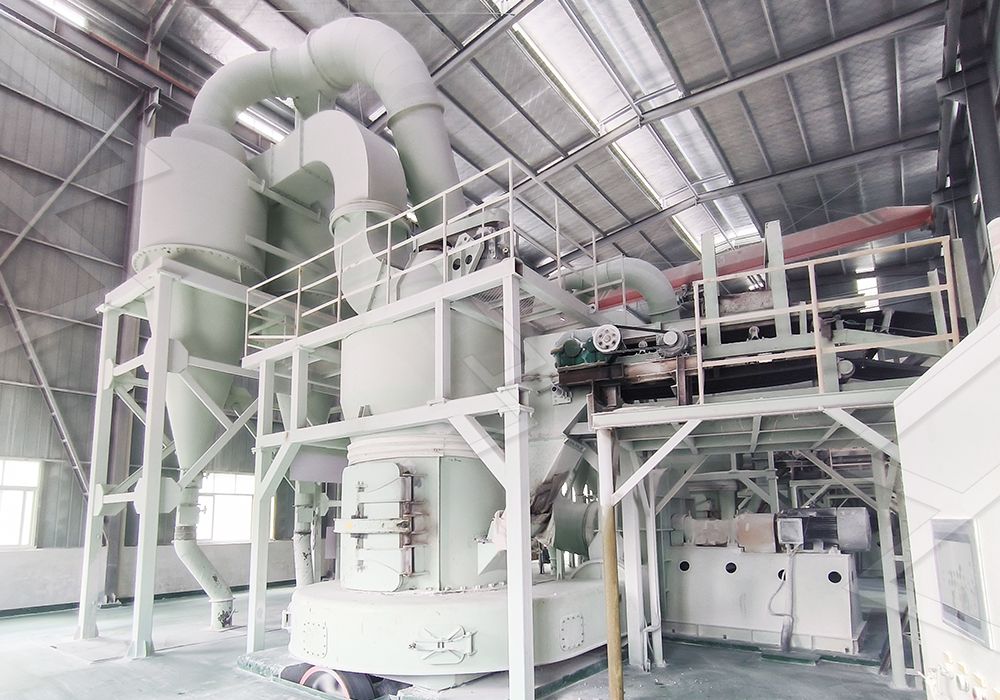
Another clever feature is the reversible structure on the LUM mill. Changing out heavy grinding rollers was once a major, time-consuming maintenance job. Now, a hydraulic system allows an operator to swing the roller out of the body for quick and easy inspection or replacement of the roller shell and liner plates. This reduces downtime significantly, saving money in the long run. Furthermore, the grinding curves on the rollers and rings have been mathematically optimized to increase grinding efficiency. The result is that compared to a jet mill or stirred mill, the production capacity of the MW Ultrafine mill is 40% higher, while the system energy consumption is only 30% of a traditional jet mill.
Practical Applications and Material Handling
These mills are not just for one type of stone. Their versatility is a major selling point. Commonly processed materials include limestone, calcite, dolomite, gypsum, barite, marble, talc, and coal powder. The specific application determines which mill is the best fit. For instance, a Raymond Mill might be sufficient for coarse limestone powder for construction, but for superfine dry powder of non-metal ores like calcite or barite used in paint or cosmetics, the MW Ultrafine Grinding Mill is the go-to choice.
The working principle for material flow begins with a jaw crusher. The crushed material is elevated to a hopper and then fed into the mill by a vibrating feeder. For the LUM Ultrafine Vertical Grinding Mill, the main motor drives the millstone via a reduction box. As the material enters, it is ground by the rollers, then taken away by the air current at the air ring. Large pieces fall back to the millstone, while the fine powder is collected. Sundries like iron pieces are scraped to a slag-discharge opening, effectively self-cleaning the system. This robust design ensures that the quality of the final product is high, with low iron content and excellent whiteness.
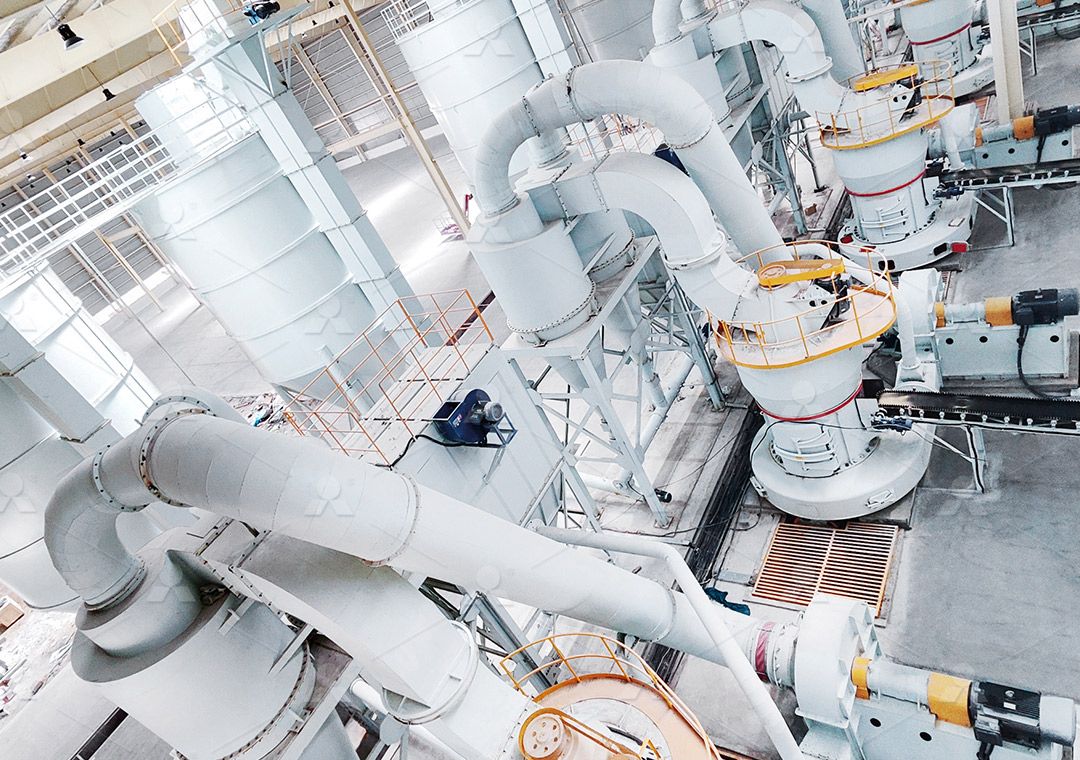
In conclusion, understanding the working principle of your stone grinding mill is essential for optimizing production. Whether you need the ultra-fine capabilities and low energy consumption of the MW Ultrafine Grinding Mill (Input Size: 0-20 mm, Capacity: 0.5-25 tph) or the stable, high-capacity output of the LUM Ultrafine Vertical Grinding Mill (Input Size: 0-10 mm, Capacity: 5-18 tph), the technology is designed to be precise, eco-friendly, and cost-effective. By choosing a machine with digitalized processing, efficient dust collection, and innovative grinding curves, you are investing in the future of your production line.
Frequently Asked Questions (FAQ)
- What is the difference between the MW Ultrafine Grinding Mill and a traditional ball mill?
The MW Ultrafine Grinding Mill is significantly more efficient. It uses a multi-stage grinding ring and roller system to achieve higher yields and lower energy consumption. While a ball mill uses steel balls to impact and grind material, the MW mill uses centrifugal force to press rollers against a ring, resulting in a finer product (up to 2500 mesh) with 40% higher capacity and much lower noise levels. - Can the LUM Ultrafine Vertical Grinding Mill handle materials with high moisture content?
Yes, the LUM mill is capable of handling materials with a certain degree of moisture. The hot air entering from the air intake during operation helps to dry the material as it moves across the millstone. However, for extremely high moisture materials, a separate drying step or pre-drying is recommended to prevent clogging. - How do I maintain the grinding rollers and rings on the MW mill?
The MW Ultrafine Grinding Mill is designed for low maintenance. Since there are no bearings or screws inside the chamber, the main concern is the wear of the roller shells and rings. The external lubrication system allows you to lubricate the main shaft without stopping the machine. For roller and ring replacement, the design allows for relatively easy access. The digital manufacturing ensures that replacement parts fit precisely, reducing downtime. - Is the stone grinding mill machinery environmentally friendly?
Absolutely. Modern machines like the MW and LUM series are equipped with efficient pulse dust collectors and silencers. The entire system operates under negative pressure, so no dust escapes into the environment. The noise levels are far lower than older mill types, and the energy consumption is significantly reduced, making them compliant with strict environmental standards. - What fineness can I expect from the MW Ultrafine Grinding Mill?
The product fineness is adjustable between 325 and 2500 meshes. The machine uses a new cage-type powder selector that allows for very precise separation. It can achieve a screening rate of d97≤5μm in a single pass, which is ideal for high-value applications in the chemical, paint, and pharmaceutical industries. - How does the automatic control system work on these mills?
Both the MW and LUM mills can be equipped with advanced PLC control systems. This allows operators to set and monitor parameters like grinding pressure, separator speed, and feed rate. The system can automatically adjust these settings to maintain a consistent product quality. Remote control and local control modes are available, making the operation simple and labor-saving.