
500 Mesh Water Slag Grinding Mill: High-Efficiency Powder Processing for Industrial Applications
We provide a wide range of mills — including Raymond mill, trapezoidal mill, vertical mill, ultrafine mill, and ball mill, obtained ISO9001 international quality certification, EU CE certification, and Customs Union CU-TR certification. Suitable for processing minerals such as limestone, phosphate, quicklime, kaolin, talc, barite, bentonite, calcium carbonate, dolomite, coal, gypsum, clay, carbon black, slag, cement raw materials, cement clinker, and more.
The discharge range of these mills can be adjusted to meet specific processing needs, typically from 80-400 mesh, 600-3250 mesh, and can achieve the finest particle size of up to 6000 mesh(D50).
If you are looking for a reliable grinding solution to turn stone or minerals into fine powder, please feel free to contact our online customer service.
Introduction to 500 Mesh Water Slag Grinding
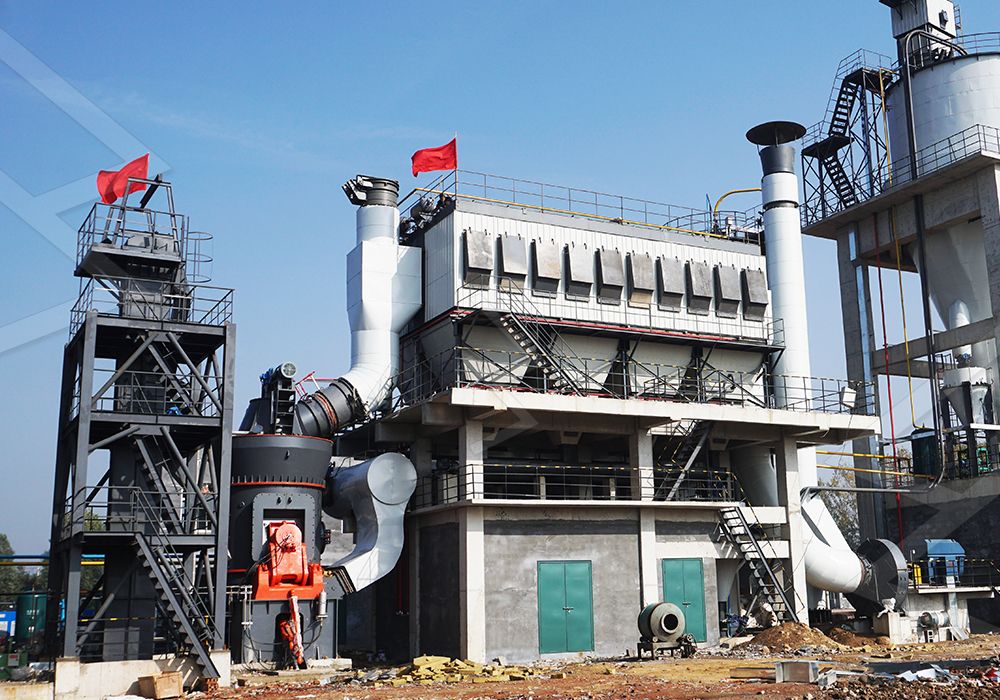
Water slag, a byproduct of steel manufacturing, presents both a disposal challenge and a valuable resource. When ground to a fineness of 500 mesh, it becomes a high-performance additive for cement and concrete, enhancing durability and reducing environmental impact. Achieving this level of fineness efficiently requires specialized milling technology. This article explores the key considerations for grinding water slag to 500 mesh and highlights advanced solutions from Liming Heavy Industry, a leader in industrial grinding equipment.
Why 500 Mesh Matters for Water Slag
Water slag, when ground to 500 mesh (approximately 25 microns), exhibits high pozzolanic activity. This means it reacts with calcium hydroxide in cement to form additional binding compounds, leading to stronger, more durable concrete. Industries such as construction, infrastructure, and precast concrete rely on this fine powder to reduce cement clinker usage, lower CO2 emissions, and improve workability. The challenge lies in achieving consistent fineness without excessive energy consumption or equipment wear.
Core Technology for Efficient Grinding
Modern grinding mills use advanced principles to overcome the hardness of water slag. Vertical roller mills and ultrafine grinding mills are preferred for their ability to combine grinding, drying, and classification in one system. Key features that drive efficiency include optimized grinding curves, multi-head powder separators, and integrated dust collection systems. These technologies ensure that the final product meets strict specifications for fineness, particle distribution, and purity.
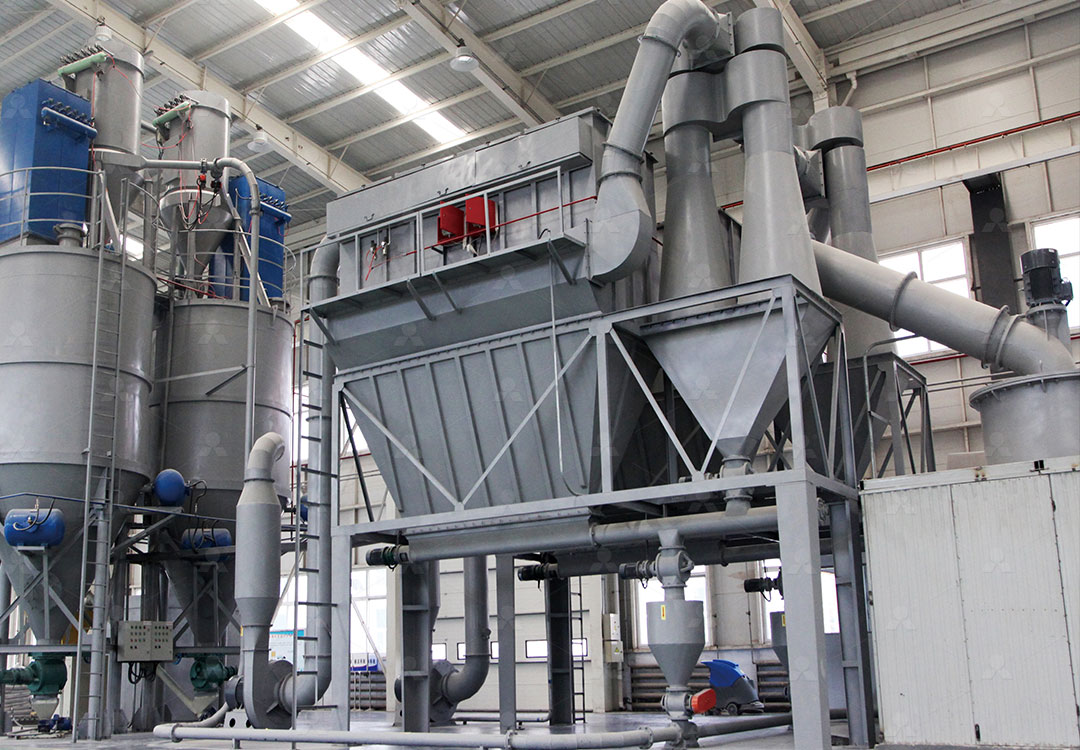
For achieving 500 mesh water slag, we highly recommend the MW Ultrafine Grinding Mill. This machine is engineered for ultra-fine powder production, handling feed sizes up to 20 mm and capacities from 0.5 to 25 tph. Its cage-type powder selector, based on German technology, allows precise adjustment between 325 and 2500 mesh. With a pulse dust collector and muffler, it operates cleanly and quietly, fully complying with environmental standards. The absence of rolling bearings and screws in the grinding chamber eliminates common maintenance headaches, making it a reliable choice for continuous 24-hour operation.
Key Features for Optimal Performance
- Higher Yielding, Lower Energy Consumption: Newly designed grinding curves boost capacity by 40% compared to jet mills, while energy use is only 30% of jet mill systems.
- Adjustable Fineness: Fineness can be tuned from 325 to 2500 mesh, with d97≤5μm achievable in a single pass.
- Eco-Friendly Operation: The pulse collector ensures zero dust pollution, and noise levels are minimized with built-in silencers.
- Digital Precision: CNC machining of core parts guarantees high accuracy and consistent performance.
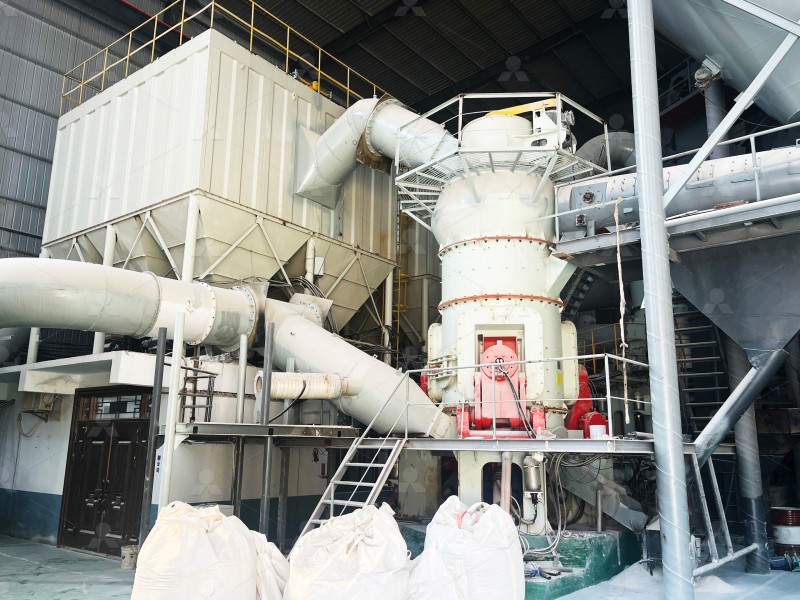
If your project requires even higher capacity with vertical mill advantages, consider the LUM Ultrafine Vertical Grinding Mill. It handles feed sizes up to 10 mm and delivers 5–18 tph. Features like double position-limiting technology and a reversible structure simplify maintenance. Its multi-head powder separation reduces energy consumption by 30–50% over traditional mills. Both models are supported by Liming’s comprehensive spare parts supply and technical services, ensuring worry-free operation.
Practical Considerations for Plant Operators
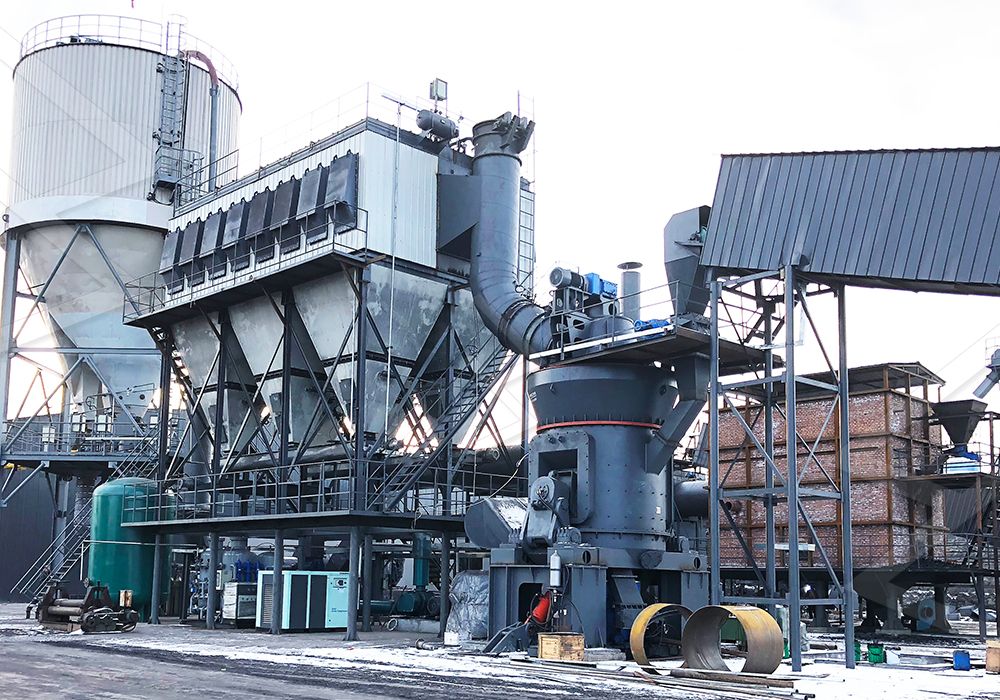
When selecting a mill for 500 mesh water slag, evaluate the following: feed material moisture content (typically 5–15% for water slag), required throughput, and available space. Vertical mills have a smaller footprint, often 50% less than ball mill systems, and can be installed outdoors. The grinding process should integrate drying if the slag is wet, as done by the LUM series. Also, consider the abrasiveness of slag; the wear-resistant alloys used in Liming mills extend component life by up to 2.5 times compared to standard materials.
Working Process in Detail
Let’s walk through the operational flow for the MW mill. The motor drives the main shaft and turnplates via a reducer. Raw water slag, crushed to below 20 mm, enters the hopper by elevator and is fed evenly onto the upper turnplate. Centrifugal force moves the material to the raceway, where rollers crush it. After the first ring, the material proceeds to subsequent turnplates for finer grinding. An external blower draws air into the mill, carrying the fine powder to a separator. The turbine rejects coarse particles for regrinding, while fine powder enters a cyclone collector and is discharged as product. A small amount of dust-laden air passes through a blower and muffler after filtration.
For the LUM mill, the main motor rotates the millstone via a reduction box. Material falls on the center of the millstone and moves outward under centrifugal force. Rollers crush and grind the material, forming a material bed for inter-particle grinding. The air current lifts fine particles to the separator; coarse particles fall back for regrinding. Eligible powder is collected by a dust collector. Iron debris, being heavy, moves to the mill’s edge and is discharged through a slag port. The rotor speed adjusts fineness, while hydraulic pressure changes accommodate different material hardness.
Conclusion
Grinding water slag to 500 mesh is a demanding but rewarding process. With the right equipment, operators can achieve high yields, low energy consumption, and consistent quality. Liming’s MW and LUM mills are purpose-built for such tasks, combining advanced German and Taiwanese technologies with rugged construction. Whether you need a compact vertical mill or a high-capacity ultrafine system, these machines deliver the performance required for modern industrial applications. Contact Liming to discuss your specific material and capacity needs for a tailored solution.
Frequently Asked Questions (FAQ)
Q1: What is the typical moisture content of water slag fed into the mill, and does the mill handle drying?
A: Water slag often has 5–15% moisture. The LUM Ultrafine Vertical Mill can integrate drying with hot air, while the MW mill requires pre-dried material for best results. Both systems can be adapted with additional drying equipment.
Q2: How long does it take to switch between fineness settings, say from 400 mesh to 500 mesh?
A: With the digital controls on the MW mill, adjusting the separator rotor speed takes just a few minutes. The system stabilizes within 15–20 minutes, allowing quick product changes without lengthy downtime.
Q3: What are the main wear parts in the MW mill, and how often do they need replacement?
A: The grinding rollers and rings are the primary wear components. Using the wear-resistant alloy options, service life is 1.7–2.5 times longer than standard parts, typically lasting 6–12 months depending on slag abrasiveness. The reversible design of LUM allows flipping one side to double life.
Q4: Is the MW mill suitable for other materials besides water slag?
A: Yes. It grinds limestone, calcite, dolomite, barite, marble, talc, gypsum, and many non-metallic minerals. It is also used in chemical, paint, cosmetic, and pharmaceutical industries for fine powders.
Q5: Can the mill operate continuously 24/7 without shutdown for lubrication?
A: Absolutely. The MW mill has an external lubricating device for the main shaft, allowing lubrication without stopping production. This feature is ideal for high-demand industrial environments.
Q6: What safety features protect the mill from damage during operation?
A: The LUM mill uses electronic and mechanical position-limiting technology to prevent roller-to-table contact, avoiding destructive vibration. Overload protection and vibration sensors are standard on both models.
Q7: How much floor space is needed for a 10 tph water slag grinding line?
A: A complete MW mill system with elevator, feeder, and dust collector occupies roughly 150–200 square meters. The LUM vertical mill is more compact, requiring about 100–150 square meters, and can be placed outdoors to save indoor space.
Q8: Does Liming provide on-site installation and training for operators?
A: Yes. Liming offers technical support, including installation guidance, commissioning, and operator training. Spare parts supply is guaranteed to minimize downtime.