
How to Choose the Right Basalt Grinding Mill for Trona and Industrial Powder Processing
We provide a wide range of mills — including Raymond mill, trapezoidal mill, vertical mill, ultrafine mill, and ball mill, obtained ISO9001 international quality certification, EU CE certification, and Customs Union CU-TR certification. Suitable for processing minerals such as limestone, phosphate, quicklime, kaolin, talc, barite, bentonite, calcium carbonate, dolomite, coal, gypsum, clay, carbon black, slag, cement raw materials, cement clinker, and more.
The discharge range of these mills can be adjusted to meet specific processing needs, typically from 80-400 mesh, 600-3250 mesh, and can achieve the finest particle size of up to 6000 mesh(D50).
If you are looking for a reliable grinding solution to turn stone or minerals into fine powder, please feel free to contact our online customer service.
Understanding the Grinding Challenge
Choosing the right grinding mill for basalt, trona, or other industrial minerals is not a one-size-fits-all decision. Basalt, with its high silica content and hardness, demands robust machinery that can withstand abrasive wear. Trona, on the other hand, is softer but often requires precise particle size control for applications in glassmaking or chemical processing. The key is to match the mill’s capabilities with the specific physical properties of your material and your production goals.
Key Considerations for Mill Selection
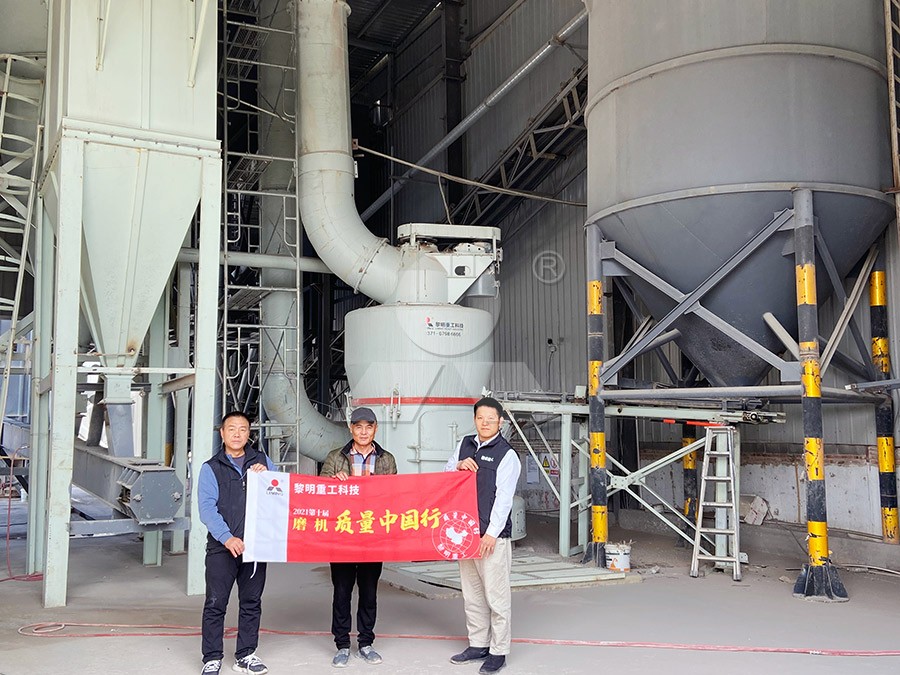
When evaluating grinding equipment, consider the feed size, required fineness, capacity, and energy efficiency. For basalt, which typically enters the mill with a top size of 20-30 mm, a mill that can handle coarse feed without jamming is essential. Trona, often pre-crushed to similar sizes, benefits from mills that offer adjustable fineness to meet downstream specifications. The MW Ultrafine Grinding Mill from LIMING is an excellent choice for applications demanding high fineness, offering an adjustable range from 325 to 2500 mesh with a capacity of 0.5-25 tph. Its advanced cage-type powder selector ensures precision separation, making it ideal for both basalt and trona powders used in paints, cosmetics, and food additives.
Matching Mill Type to Material Hardness
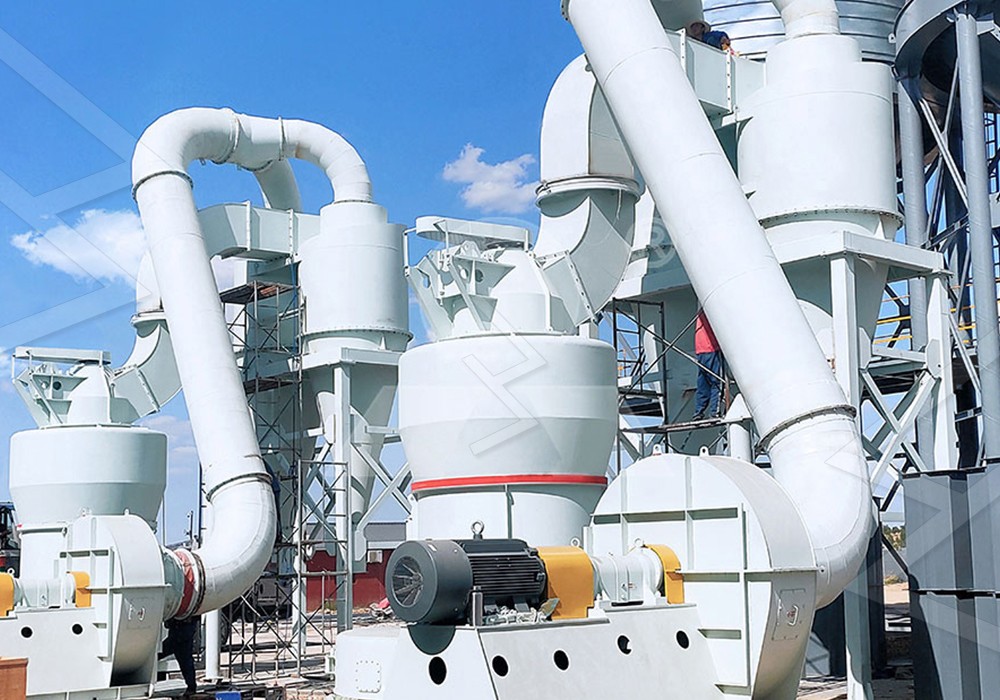
Basalt’s Mohs hardness of 6-7 means it can wear down standard grinding components quickly. Mills with wear-resistant alloys, like those used in the LUM Ultrafine Vertical Grinding Mill, offer prolonged service life. LUM features roller shells and lining plates designed for material layer formation, reducing direct metal-to-metal contact and minimizing iron contamination. For trona, which has a Mohs hardness of 2.5-3, a broader range of mills works, but energy efficiency becomes a priority. LUM’s multi-head powder separating technology reduces energy consumption by 30-50% compared to conventional mills, making it cost-effective for medium-scale operations (5-18 tph). It also includes double position-limiting technology for stable operation, even with varying feed quality.
Fineness and Particle Distribution
Industrial powder processing often requires tight control over particle size distribution. For applications like ceramics or pharmaceuticals, a narrow distribution is critical. The MW Ultrafine Grinding Mill can achieve a screening rate of d97≤5 μm in a single pass, thanks to its German-engineered separator. This mill also features a no-bearing, no-screw design in the grinding chamber, eliminating common failure points. For larger volumes of coarser products, the LM Vertical Grinding Mill (3-340 tph) integrates crushing, drying, and grinding into one system, reducing overall investment. Its short grinding time minimizes iron content, which is crucial for white or high-purity powders like talc or marble.
Environmental and Operational Considerations
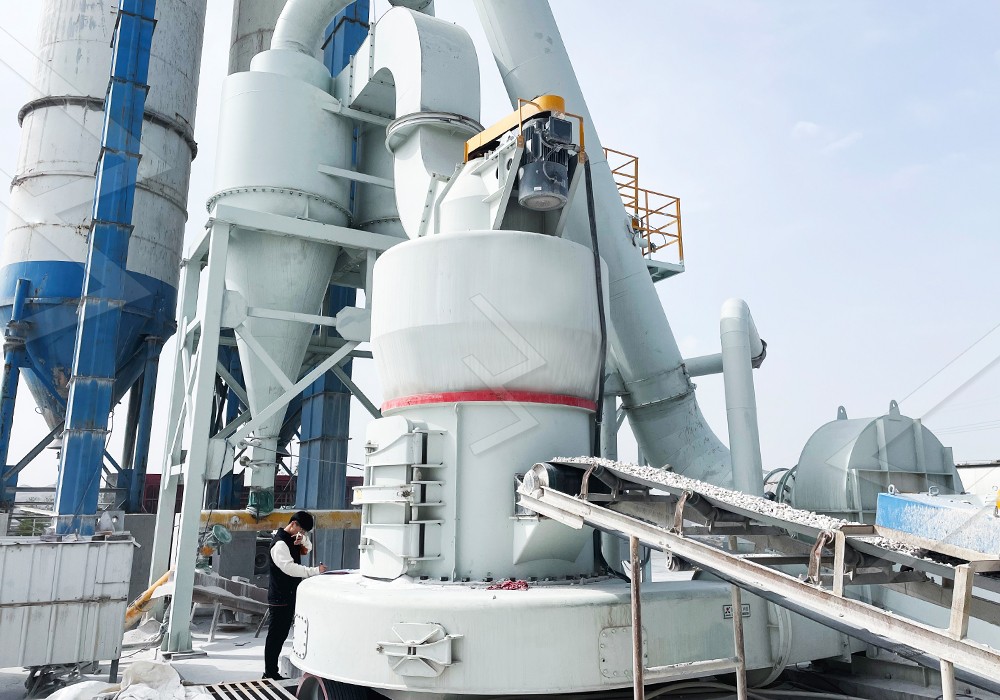
Modern processing facilities must comply with strict environmental standards. Both the MW and LUM mills come equipped with efficient pulse dust collectors and silencers, ensuring dust-free and low-noise operation. The MW mill’s external lubrication system allows 24-hour continuous production without shutdown for maintenance. For basalt processing, where dust is a major concern, these features not only improve workplace safety but also help meet regulatory requirements. Additionally, LIMING offers comprehensive spare parts support, ensuring worry-free operation over the long term.
Making the Final Decision
Start by defining your feed size, desired fineness, and required capacity. If you need ultra-fine powders with high precision, the MW Ultrafine Grinding Mill is your best bet. For larger throughput with medium fineness, the LUM Ultrafine Vertical Grinding Mill offers a balance of efficiency and durability. Always test your material with the manufacturer to confirm performance. LIMING provides technical services and original spare parts, so you can customize the solution to your specific needs.
FAQs
1. What is the best mill for grinding basalt into fine powder? The MW Ultrafine Grinding Mill is highly recommended for basalt due to its ability to achieve fineness up to 2500 mesh with low energy consumption and high wear resistance.
2. Can the same mill process both basalt and trona? Yes, the MW mill can handle both materials, but you must adjust the separator speed and grinding pressure. Trona requires less force and can be processed at higher throughputs.
3. How does feed size affect mill selection? Larger feed sizes (up to 20 mm for MW, 10 mm for LUM) require mills with robust feeding mechanisms. Pre-crushing is often necessary to ensure smooth operation and prevent damage.
4. What is the typical energy consumption for grinding basalt? Energy consumption varies, but the MW mill uses only 30% of the power of a jet mill for similar output, making it highly efficient for hard materials.
5. Are there environmental benefits to using these mills? Yes, both MW and LUM models include pulse dust collectors and noise reduction, meeting strict environmental standards without sacrificing performance.
6. How often do grinding rollers need replacement? With wear-resistant alloys, roller life is extended by 1.7-2.5 times compared to standard materials. Replacement intervals depend on material abrasiveness and operating hours.
7. Can the mill be integrated into an existing production line? Yes, LIMING mills are designed for modular integration. They can be paired with crushers, elevators, and classifiers to create a complete system.
8. What maintenance is required for the MW mill? The no-bearing, no-screw design reduces maintenance needs. External lubrication allows oil changes without stopping production, while digital controls simplify diagnostics.
9. What is the warranty on LIMING grinding mills? LIMING provides comprehensive after-sales support, including original spare parts and technical service. Warranty terms depend on the model and contract.
10. How do I determine the right capacity for my operation? Calculate your daily or hourly production requirements. The MW mill handles 0.5-25 tph, while the LUM covers 5-18 tph. Consult with LIMING engineers to match capacity to your needs.