
Iron Ying Rock Ore 5R Raymond Mill for Efficient Mineral Grinding
We provide a wide range of mills — including Raymond mill, trapezoidal mill, vertical mill, ultrafine mill, and ball mill, obtained ISO9001 international quality certification, EU CE certification, and Customs Union CU-TR certification. Suitable for processing minerals such as limestone, phosphate, quicklime, kaolin, talc, barite, bentonite, calcium carbonate, dolomite, coal, gypsum, clay, carbon black, slag, cement raw materials, cement clinker, and more.
The discharge range of these mills can be adjusted to meet specific processing needs, typically from 80-400 mesh, 600-3250 mesh, and can achieve the finest particle size of up to 6000 mesh(D50).
If you are looking for a reliable grinding solution to turn stone or minerals into fine powder, please feel free to contact our online customer service.
Introduction to the 5R Raymond Mill for Iron Ying Rock Ore Processing
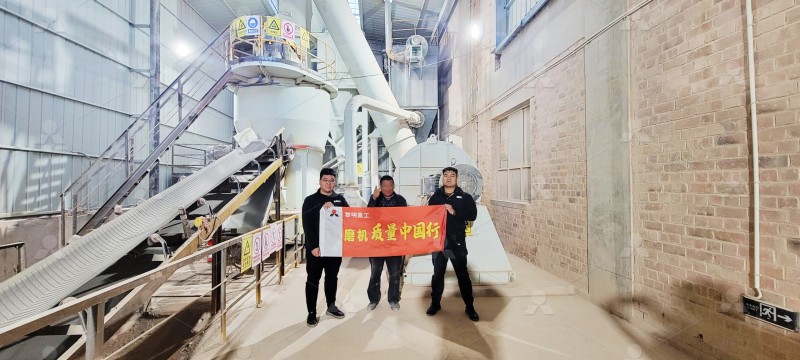
When it comes to grinding iron ore, specifically the challenging Iron Ying Rock variety, operators in the mineral processing sector require equipment that balances throughput, particle size control, and operational longevity. The 5R Raymond Mill series from Liming Heavy Industry has earned its reputation as a workhorse in this field. Unlike standard milling systems, the 5R mill is designed to handle the specific abrasive nature of iron-bearing materials without frequent downtime for part replacement. Its core strength lies in a robust grinding mechanism that minimizes energy waste while maximizing the surface area exposure of the ore particles for downstream beneficiation.
Why Iron Ying Rock Ore Demands Specialized Grinding
Iron Ying Rock generally refers to medium-hard to hard iron formations that contain significant quartz and silicate gangue. These ores are notorious for causing rapid wear on conventional grinding media. The 5R Raymond Mill addresses this through its unique oscillating roller and stationary ring design, which creates a centrifugal grinding action. The material is fed between the roller and the ring, and the pressure applied is sufficient to fracture the ore particles along grain boundaries. This selective grinding helps liberate the iron minerals from the waste rock, improving the efficiency of subsequent magnetic separation or flotation stages. The system operates under a closed-circuit airflow, which ensures that oversized particles are continuously returned to the grinding chamber until they meet the desired fineness standard.
Key Design Features of the 5R Series for Mineral Grinding
The 5R Raymond Mill differentiates itself through several engineering choices that directly impact operational efficiency. Firstly, the main unit is driven by a bevel gear transmission, which offers a smoother power transfer compared to traditional belt-driven systems, reducing mechanical losses. Secondly, the grinding rollers and rings are cast from high-manganese alloy steel, engineered for extended service life when processing abrasive ores. Thirdly, the mill incorporates a cambered air duct that lowers air resistance, allowing the fan to move more material with less horsepower. 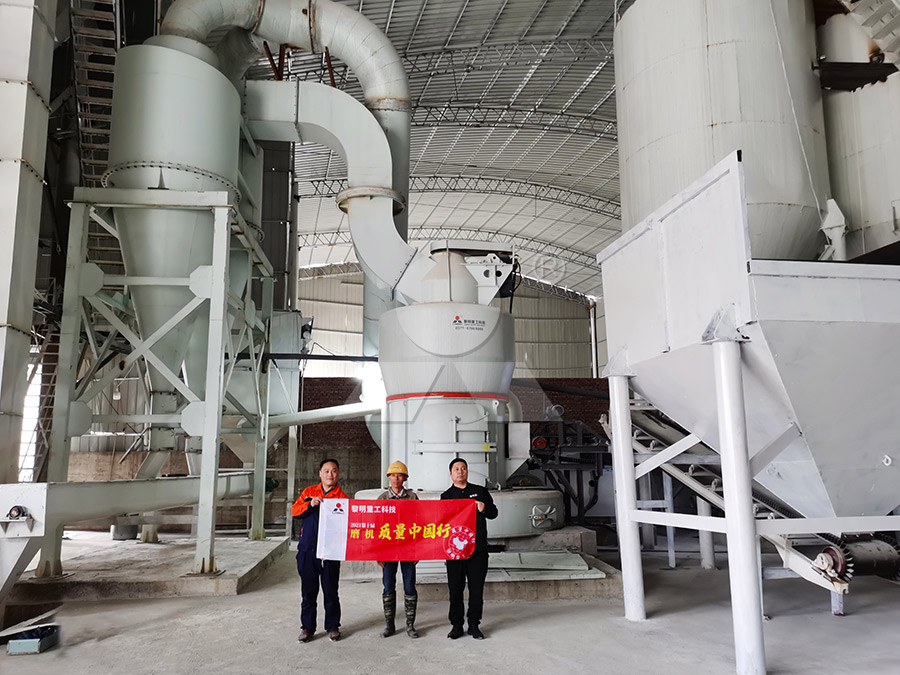 For operators dealing with Iron Ying Rock, the most critical feature is the automatic lubrication system for the roller bearings, which allows for continuous 24-hour operation without the need for manual greasing intervals. This directly translates to higher availability and lower labor costs.
Practical Performance Metrics in the Field
In a typical application scenario for Iron Ying Rock ore with a feed size of 20-25 mm and a moisture content below 6%, the 5R Raymond Mill consistently achieves a throughput rate that surpasses many comparative mill technologies. Fineness can be adjusted between 80 and 400 mesh to suit different downstream requirements. The system’s energy consumption per ton of ore ground is roughly 30% lower than that of a ball mill operating in a closed circuit. Furthermore, the integrated pulse dust collector ensures that the operation meets strict environmental standards, capturing fine particulates that would otherwise be lost as fugitive dust. This not only protects the health of the workforce but also recovers valuable mineral fines that would have been considered waste.
Recommended Solution: The LUM Ultrafine Vertical Grinding Mill
While the 5R Raymond Mill is excellent for standard industrial mineral fineness, clients who require a higher degree of particle refinement for their iron oxide products should consider the LUM Ultrafine Vertical Grinding Mill. This machine is engineered for fineness ranges from 325 to 2500 mesh, utilizing Taiwanese roller technology and German powder separation techniques. For applications needing extremely high brightness or specific surface area in the final iron powder, the LUM series offers a more energy-efficient path, consuming 30-50% less power than conventional mills while maintaining a stable material bed. Its reversible roller design simplifies maintenance, allowing the grinding roller to be swung out of the machine for rapid liner and roller shell replacement, minimizing shutdown time for the processing plant.
Operational Workflow for Iron Ore Processing
The setup begins with a primary jaw crusher reducing the run-of-mine ore to the required feeding size for the mill. The crushed ore is then elevated to a storage hopper, from which a vibrating feeder meters it into the grinding chamber. Inside the 5R Raymond Mill, the shovel blade lifts the material and feeds it between the rotating roller and the stationary ring. The centrifugal force generated by the roller’s rotation presses the material outward, crushing and grinding it. Airflow from the blower carries the ground particles upward to the classifier. Coarse particles are rejected and fall back to the grinding chamber, while the fine powder passes through and is collected in a cyclone separator or bag filter. 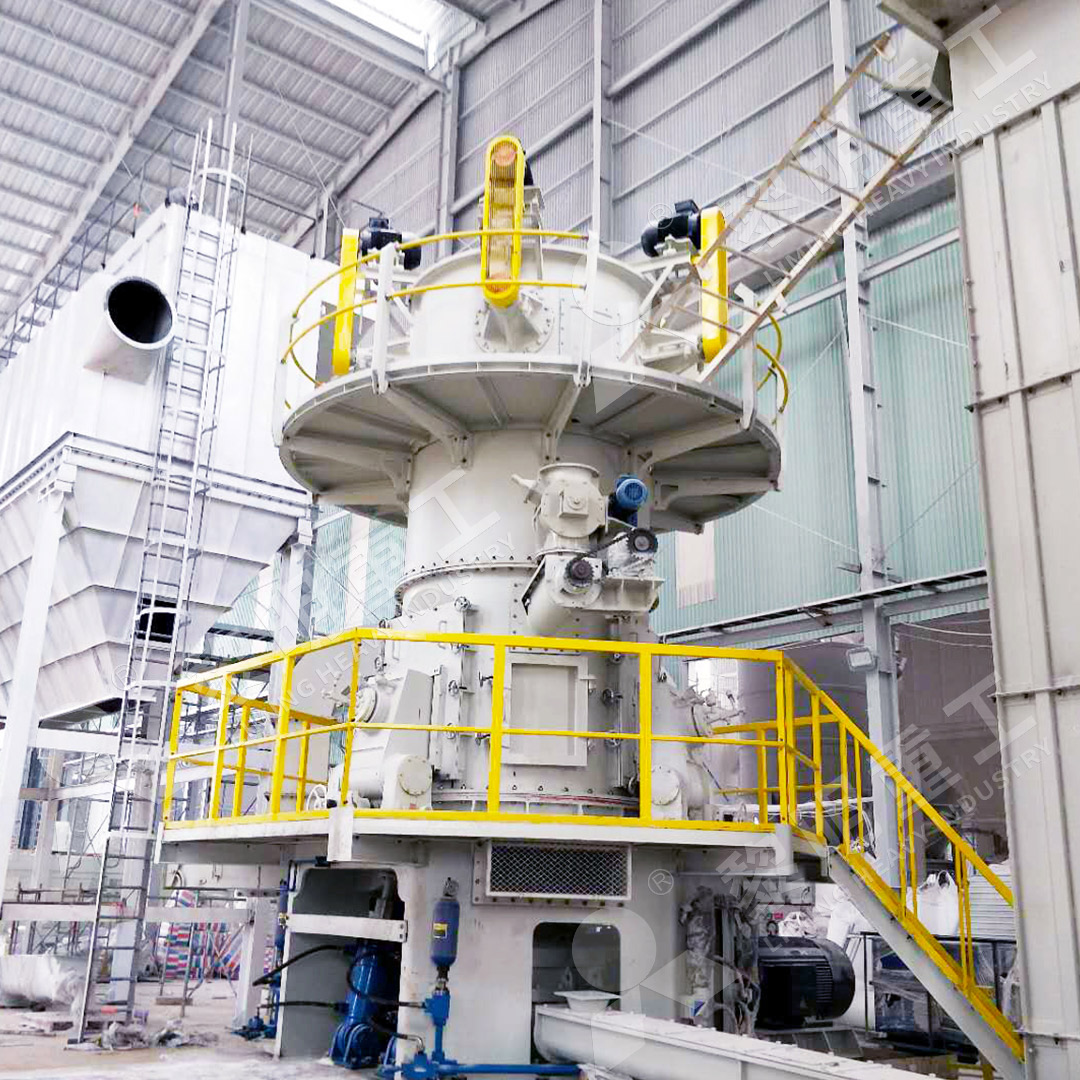 The entire system operates under negative pressure to prevent dust leakage, making it suitable for indoor installation near sensitive process areas.
Comparative Advantages over Ball Mills
For a plant upgrading from a traditional ball mill, the transition to the 5R Raymond Mill offers several tangible benefits. The capital investment for a Raymond mill system is notably lower than for a ball mill of equivalent capacity. The floor area required is roughly half, and the foundation costs are significantly reduced. In terms of maintenance, the Raymond mill has fewer rotating elements subject to catastrophic failure. There are no large gear ring and pinion sets that require periodic alignment and lubrication. The grinding components are accessible through a side door, allowing for quick inspection and replacement of worn parts without dismantling the entire mill. This accessibility is critical for remote mining operations where specialized mechanical support might be days away.
Maintenance and Spare Part Strategy
Liming Heavy Industry maintains a rigorous digital manufacturing process for core components. Steel plates are cut and bent using CNC machinery, ensuring that replacement grinding rollers and rings maintain precise dimensional tolerances. This guarantees that even after several replacement cycles, the machine’s performance remains consistent. We recommend that clients maintain a stock of critical spare parts including grinding roller assemblies, ring liners, and shovel blades. Our global supply chain ensures that these parts can be shipped within 48 hours to most major mining regions. This proactive approach to spares management prevents extended production stoppages and keeps the mill operating at peak efficiency over its decades-long service life. 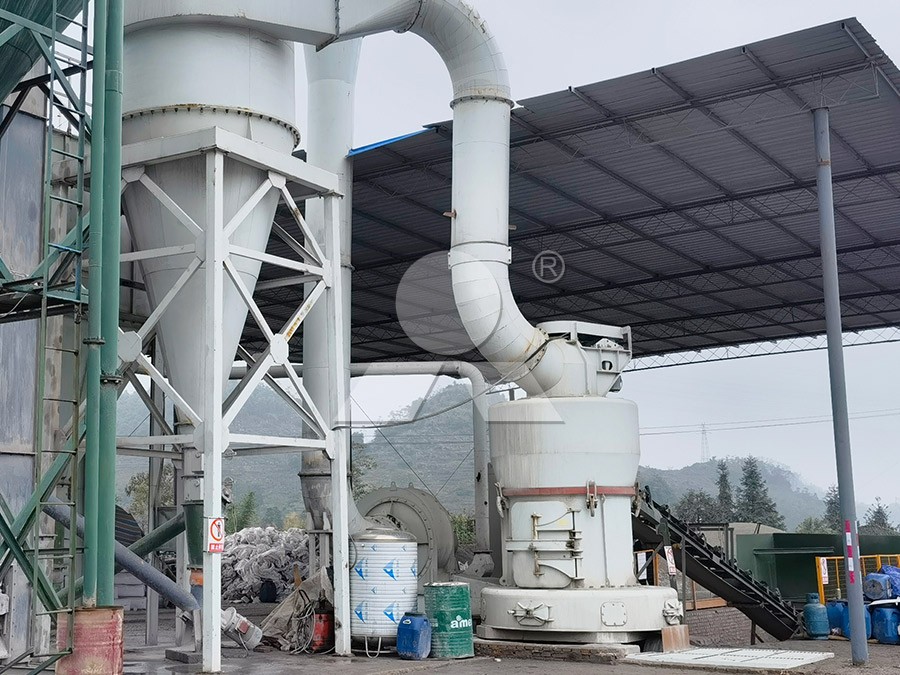
Conclusion and Next Steps
The 5R Raymond Mill remains a highly relevant technology for Iron Ying Rock ore grinding, offering a balance of low initial investment, moderate energy consumption, and reliable mechanical performance. For processing plants that require consistent output with minimal complexity, it is a proven solution. However, for operations targeting higher value products requiring ultra-fine particle distribution, integrating the MW Ultrafine Grinding Mill as a secondary grinding stage can unlock additional economic value. The MW series achieves a fineness of d97≤5μm with a screening rate unmatched by standard mills, and its pulse dust collector ensures a completely clean operation. To determine the optimal configuration for your specific ore characteristics, we recommend sending a representative sample to our test center for a free process simulation.
Frequently Asked Questions (FAQ)
1. What is the typical power consumption of the 5R Raymond Mill when grinding Iron Ying Rock?
The power consumption varies based on the hardness and moisture of the ore, but typical values range from 25 to 35 kWh per ton of finished product for a fineness of 100 mesh. This is significantly lower than a ball mill operating under similar conditions.
2. Can the 5R Raymond Mill handle sticky or high-moisture iron ore?
It is designed for materials with a moisture content below 6%. If the ore is stickier or wetter, a drying system or a hot air generator may need to be integrated into the air circuit to prevent material buildup inside the grinding chamber.
3. How often do the grinding rollers and rings need to be replaced?
For Iron Ying Rock ore, the service life of the high-manganese alloy rollers is typically between 800 and 1500 operating hours, depending on the specific silica content and feed size. We recommend a weekly visual inspection to monitor wear patterns.
4. What safety features are standard on this mill?
The 5R Raymond Mill is equipped with an overpressure relief system, vibration sensors on the main shaft, and a temperature monitoring system for the bearings. The electrical cabinet has overload protection and emergency stop functions.
5. Can the same mill be used to grind different types of ore?
Yes, the mill can be adjusted to handle different materials by changing the fineness setting via the classifier speed and adjusting the feed rate. However, switching from a highly abrasive ore like iron to a softer material may require cleaning of the grinding chamber to avoid cross-contamination.
6. Is technical support available during installation?
Absolutely. Liming Heavy Industry provides on-site commissioning engineers for all new installations. We also offer remote support via video call for troubleshooting after the warranty period. Our service centers stock original parts to ensure worry-free operation.