
Stone Multi-Function Grinding Mill: Versatile Powder Processing for Industrial Mineral Applications
We provide a wide range of mills — including Raymond mill, trapezoidal mill, vertical mill, ultrafine mill, and ball mill, obtained ISO9001 international quality certification, EU CE certification, and Customs Union CU-TR certification. Suitable for processing minerals such as limestone, phosphate, quicklime, kaolin, talc, barite, bentonite, calcium carbonate, dolomite, coal, gypsum, clay, carbon black, slag, cement raw materials, cement clinker, and more.
The discharge range of these mills can be adjusted to meet specific processing needs, typically from 80-400 mesh, 600-3250 mesh, and can achieve the finest particle size of up to 6000 mesh(D50).
If you are looking for a reliable grinding solution to turn stone or minerals into fine powder, please feel free to contact our online customer service.
Introduction to Stone Multi-Function Grinding Mills
In the realm of industrial mineral processing, the demand for efficient, versatile, and environmentally responsible grinding solutions has never been greater. Operators across the globe, from limestone quarries to chemical plants, seek machinery that can deliver consistent, ultra-fine powders while minimizing energy consumption and downtime. The stone multi-function grinding mill has emerged as a cornerstone technology in this space, offering a unified approach to crushing, grinding, classifying, and conveying. At the heart of modern mineral processing facilities, these mills transform raw materials into valuable commodities, serving industries such as construction, ceramics, paint, cosmetics, and food additives. This article delves into the core capabilities of these systems, examines operational advantages over traditional equipment, and highlights how cutting-edge designs address real-world production challenges.
Core Mechanisms and Operational Versatility
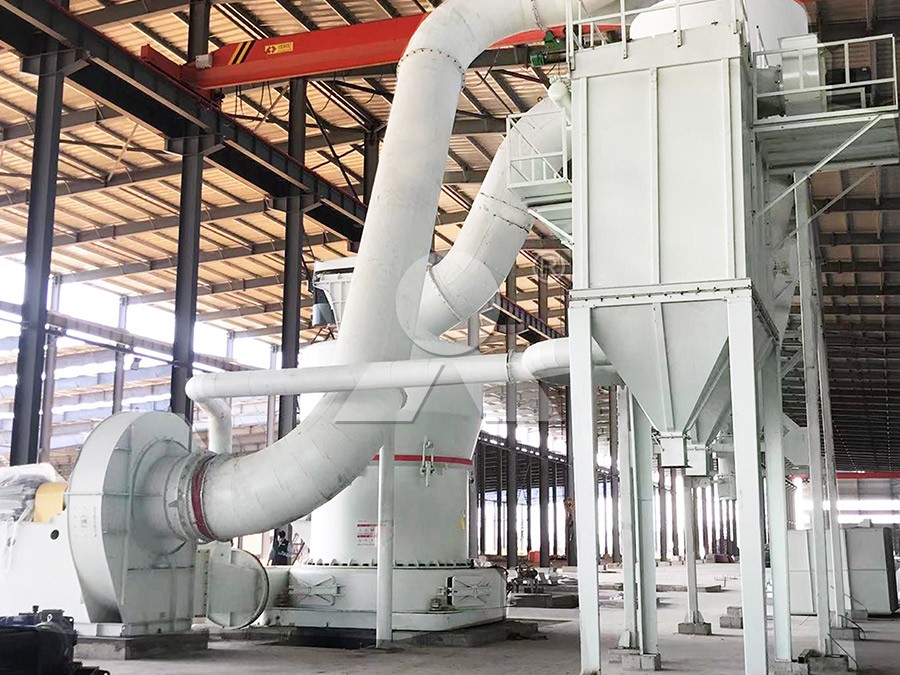
A stone multi-function grinding mill typically integrates several unit operations into a single, streamlined system. The working principle revolves around a rotating grinding table or ring, paired with one or more rollers that apply hydraulic or mechanical pressure to crush and shear the feed material. For example, the MW Ultrafine Grinding Mill exemplifies this concept with its multi-stage turnplate design. Material enters the central upper turnplate, is flung outward by centrifugal force, and cascades through successive raceways. Each pass through the rollers increases fineness, while a built-in cage-type powder selector—borrowing German separation technology—ensures precise cut points. The entire process is enclosed, operating under negative pressure to prevent dust escape. This design allows operators to adjust fineness between 325 and 2500 meshes, achieving a screening rate of d97≤5μm in a single pass. Such versatility makes it suitable for soft minerals like talc and calcite, as well as harder materials like barite and dolomite. The absence of rolling bearings and screws inside the grinding chamber eliminates common failure points, while an external lubrication system permits 24-hour continuous operation without shutdowns.

Comparative Efficiency and Yield Benefits
When evaluating grinding equipment, yield and energy consumption are primary decision drivers. Traditional ball mills and jet mills often suffer from high energy draw and low throughput for fine powders. Modern stone multi-function mills have turned this paradigm on its head. Consider the MW Ultrafine Grinding Mill: under identical power and fineness conditions, its production capacity is 40% higher than that of jet mills and stirred mills, and twice that of ball mills. System energy consumption, meanwhile, amounts to only 30% of a jet mill’s requirement. This leap in efficiency stems from newly engineered grinding curves on rollers and rings, which enhance material capture and reduce recirculation loads. Similarly, the LUM Ultrafine Vertical Grinding Mill incorporates multi-head powder separating technology and PLC controls, enabling rapid switching between product specifications. By optimizing grinding pressure and rotor speed, users can cut energy use by 30% to 50% compared to conventional vertical mills. These gains translate directly to lower operating costs per ton of finished product, a critical metric for high-volume mineral processors.

Environmental and Maintenance Advantages
Stringent environmental regulations have pushed mill designers to prioritize cleanliness and noise reduction. Stone multi-function mills today incorporate efficient pulse dust collectors and silencers as standard equipment. The entire milling system operates under negative pressure, meaning airborne dust is captured before it can escape. For instance, the MW Ultrafine Grinding Mill is outfitted with a pulse collector that ensures zero dust pollution during operation, while a muffler and noise elimination room keep sound levels within national standards. This eco-friendly footprint is vital for plants located near residential areas or in regions with tight emission caps. On the maintenance front, accessibility has been a focal point. The LUM Ultrafine Vertical Grinding Mill features a reversible structure that allows the heavy grinding roller to be swung out of the body for inspection and replacement of wear parts. Combined with a hydraulic adjustment system, this design minimizes shutdown losses. Digitalized machining—with tens of CNC lines handling plate cutting, bending, and milling—ensures that core components meet tight tolerances, extending service life. LIMING’s commitment to supplying original spare parts further guarantees worry-free operation over the machine’s lifecycle.
Application Scenarios and Material Adaptability
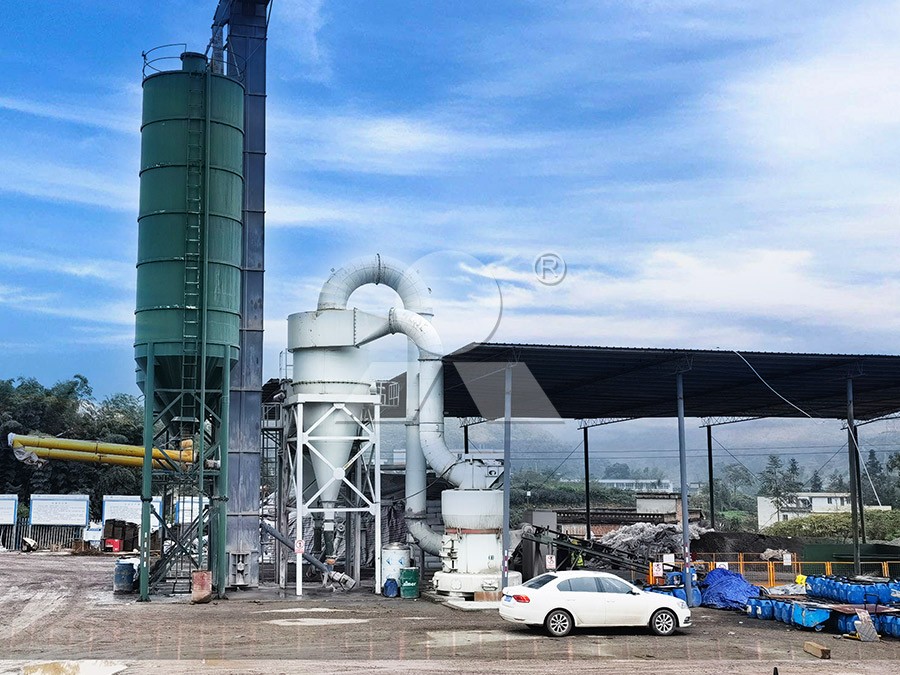
The true strength of a stone multi-function grinding mill lies in its ability to handle a broad spectrum of materials with minimal reconfiguration. Common feedstocks include limestone, calcite, dolomite, gypsum, barite, marble, talc, and petroleum coal. These minerals serve as base ingredients in cement, power plant desulfurization, metallurgy, chemical production, and construction materials. For ultra-fine applications, the mills produce powders used in paints, cosmetics, medicine, and food additives. The adjustable fineness range—from 325 mesh up to 2500 mesh—allows a single mill to serve multiple product lines. A plant processing calcite for paper coating, for example, can switch to producing talc for cosmetic filler by simply adjusting the powder selector speed and grinding pressure. This flexibility reduces the need for dedicated machines for each product, lowering capital expenditure. Additionally, the system’s ability to dry materials during grinding, thanks to hot air intake, makes it suitable for materials with residual moisture, further expanding its applicability.
Conclusion: A Strategic Investment for Modern Operations
Adopting a stone multi-function grinding mill represents a strategic move toward higher efficiency, lower environmental impact, and greater product flexibility. Whether processing bulk commodities like limestone for desulfurization or specialty minerals for high-value end uses, the technology delivers tangible benefits in yield, energy savings, and operational stability. By integrating digital controls, robust dust management, and easy-maintenance designs, these mills future-proof mineral processing operations against rising energy costs and tightening regulations. For any operation seeking to optimize its powder processing line, exploring models such as the MW Ultrafine Grinding Mill or the LUM Ultrafine Vertical Grinding Mill offers a clear path to improved profitability and sustainability.
Frequently Asked Questions (FAQ)
- What materials can be processed in a stone multi-function grinding mill? These mills handle non-flammable, non-explosive minerals with Mohs hardness below 9 and moisture under 10%. Common examples include limestone, calcite, dolomite, barite, talc, gypsum, marble, and petroleum coal. They are widely used in cement, power plant desulfurization, metallurgy, chemical, and construction industries.
- How does the MW Ultrafine Grinding Mill achieve ultra-fine powder without contamination? The design eliminates rolling bearings and screws inside the grinding chamber, removing common sources of metal wear contamination. An external lubrication system maintains the main shaft without shutdowns. The pulse dust collector and enclosed negative-pressure operation further prevent foreign particle ingress.
- What is the typical energy savings compared to a ball mill? Depending on the model and application, energy consumption can be reduced by 30% to 50%. For example, the MW Ultrafine Grinding Mill uses only 30% of the energy consumed by a jet mill for the same output, while the LUM Ultrafine Vertical Grinding Mill cuts energy use by 30%–50% relative to common grinding mills.
- Can the mill switch between different product fineness quickly? Yes. The PLC control system and multi-head powder separator allow operators to adjust grinding pressure, rotor speed, and separator settings in real time. This enables rapid transitions between fineness ranges of 325 to 2500 mesh without mechanical reconfiguration.
- How often do wear parts need replacement, and are spare parts readily available? Wear parts such as roller shells and liner plates are manufactured from high-chrome alloy, offering 1.7 to 2.5 times longer life than traditional manganese steel parts. LIMING maintains a sufficient supply of original spare parts and provides technical services to ensure minimal downtime.
- Is the mill suitable for outdoor installation? Many models, including the LM Vertical Grinding Mill, feature a compact design that occupies about 50% of the area required by a ball mill system. The sealed, weather-resistant construction allows outdoor placement, reducing building costs.
- What safety features are included for continuous 24-hour operation? Electronic limiting and mechanical limiting protection prevent direct contact between grinding roller and table, avoiding destructive vibration. The lubricating device operates externally, enabling oil changes without stopping production. The system is also equipped with emergency stop controls and overpressure protection.