
Crushed Stone Raymond Mill: Efficient Grinding Solutions for Industrial Pulverizing
We provide a wide range of mills — including Raymond mill, trapezoidal mill, vertical mill, ultrafine mill, and ball mill, obtained ISO9001 international quality certification, EU CE certification, and Customs Union CU-TR certification. Suitable for processing minerals such as limestone, phosphate, quicklime, kaolin, talc, barite, bentonite, calcium carbonate, dolomite, coal, gypsum, clay, carbon black, slag, cement raw materials, cement clinker, and more.
The discharge range of these mills can be adjusted to meet specific processing needs, typically from 80-400 mesh, 600-3250 mesh, and can achieve the finest particle size of up to 6000 mesh(D50).
If you are looking for a reliable grinding solution to turn stone or minerals into fine powder, please feel free to contact our online customer service.
Introduction: The Backbone of Modern Mineral Processing
In the world of industrial grinding, few machines have earned the trust and respect that the Raymond mill commands. For decades, this workhorse has been responsible for turning raw, rugged stone into the fine powders essential for a vast array of industries—from construction to chemicals, cosmetics to power generation. But let’s be honest: not all Raymond mills are created equal. The technology has evolved. The demands for efficiency, precision, and environmental compliance have tightened. Today, we are talking about a specific class of equipment: the crushed stone Raymond mill, engineered to deliver efficient grinding solutions for modern industrial pulverizing.
If you are in the business of processing non-metallic minerals like limestone, gypsum, barite, marble, or dolomite, you already know that the grinding stage is where profit margins are made or lost. An inefficient mill means high energy bills, inconsistent particle size, and excessive downtime for maintenance. That is why we need to examine the engineering principles and design innovations that separate a good mill from a great one.
Understanding the Mechanics: How a Raymond Mill Works
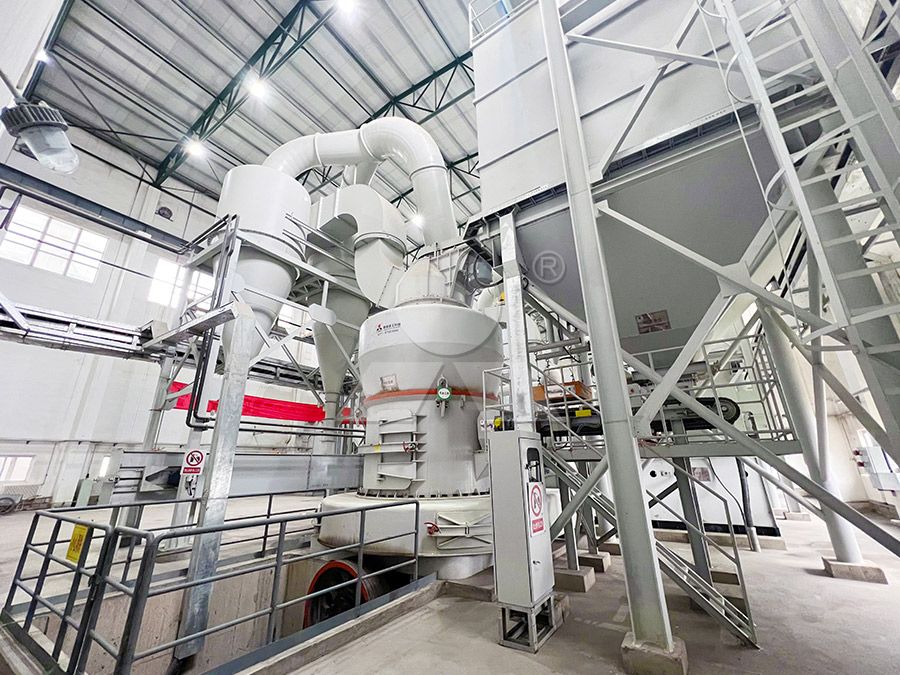
To appreciate the efficiency of a modern Raymond mill, you have to understand its basic anatomy. The system is deceptively simple, yet incredibly robust. Raw material, typically crushed to a size under 25 mm, is fed into the grinding chamber via an elevator and a vibrating feeder. Inside, a rotating shovel scoops the material and throws it between a stationary grinding ring and a set of oscillating rollers.
The centrifugal force generated by the rotation pushes the rollers outward against the ring. The material is crushed, ground, and sheared between these two surfaces. An air stream from a blower then carries the fine particles upward to a separator. Coarse particles fall back down for regrinding, while the fine powder passes through to a cyclone collector and is discharged as the final product. The entire airflow system is sealed and recirculated under negative pressure, minimizing dust leakage.
Where does efficiency come from? It’s in the details: the geometry of the grinding rollers, the design of the shovel blade, the precision of the separator, and the quality of the wear parts. A traditional Raymond mill might get the job done, but a modern, optimized version does it faster, cleaner, and with less power consumption.
Key Features That Drive Efficiency
When we talk about high-efficiency grinding, we are not just talking about speed. We are talking about the cost per ton of finished product. Here are the critical areas where a modern crushed stone Raymond mill excels:
- Energy Consumption: Older mills are notorious for being power-hungry. Modern designs, however, incorporate low-resistance air ducts and optimized transmission systems. For example, the use of a bevel gear overall drive instead of a traditional belt drive reduces friction and energy loss significantly.
- Powder Fineness Control: One of the biggest headaches for plant operators is inconsistent powder fineness. A high-quality Raymond mill uses a cage-type powder concentrator or a turbine separator, allowing operators to adjust the fineness from 80 mesh to over 600 mesh with precision. This flexibility is crucial for industries where particle size distribution directly impacts product quality, such as in paint or pharmaceutical additives.
- Wear Life: Let’s face it, grinding stone is hard work, and it eats up parts. The grinding rollers and rings are the heart of the machine. Mills that use rollers and rings made from high-chrome or wear-resistant alloys can extend service life by 1.5 to 2.5 times compared to standard high-manganese steel. This directly translates into fewer shutdowns and lower maintenance budgets.
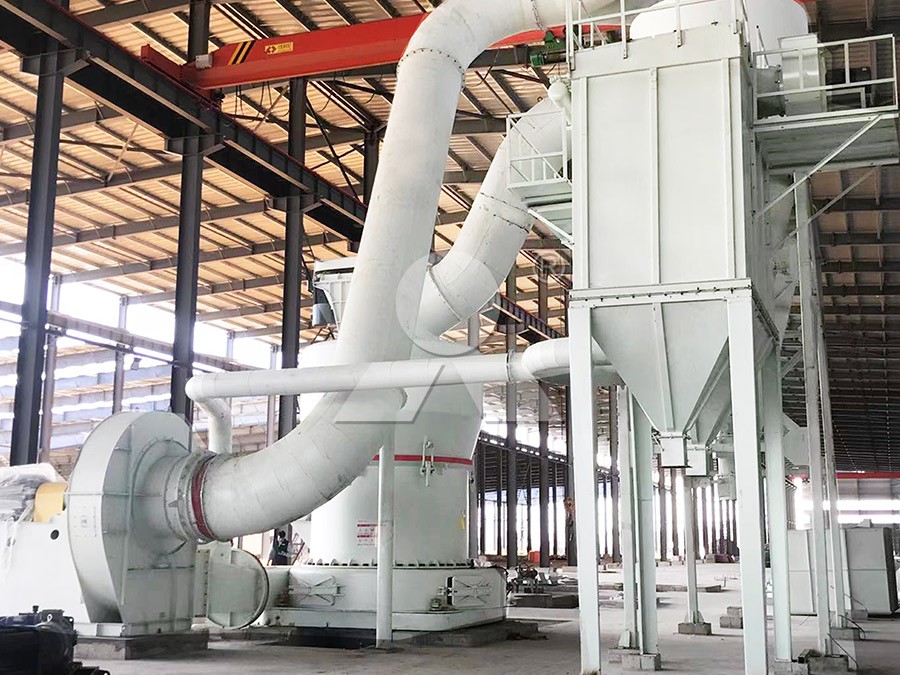
- Environmental Performance: Gone are the days when a grinding plant was a dusty, noisy nightmare. Modern systems are equipped with efficient pulse dust collectors and mufflers. The entire mill operates under negative pressure. This means no dust escapes into the atmosphere, and noise levels are kept within acceptable limits. It is not just about regulation compliance; it is about creating a safer, more pleasant working environment.
Solving Common Grinding Challenges
Every plant manager knows the pain of bearing failures. In traditional mills, rolling bearings and screws inside the grinding chamber are vulnerable to the harsh environment of dust and high temperature. When one fails, the entire machine stops. This is why intelligent design is so important. By removing rolling bearings and screws from the grinding chamber entirely, you eliminate a major failure point. External lubrication systems allow for oil changes without stopping the machine, enabling 24-hour continuous production.
Another common pain point is the “blocking” or “bridging” of material in the feed hopper, especially with sticky or damp materials. A proper feeder design, coupled with a well-designed shovel blade, ensures that material flows evenly into the grinding zone. The curvature of the shovel itself matters—a cambered design increases the working area and scoops material more effectively, preventing starvation of the grinding zone.
Special Applications: Beyond Basic Stone Grinding
While we often talk about limestone and barite, the versatility of a good Raymond mill extends far beyond. It is equally effective for materials like petroleum coke, gypsum, and bentonite. For those looking to push the boundaries of fineness, you might need to consider a dedicated ultra-fine grinding solution.
For applications requiring powders between 325 and 2500 mesh, the MW Ultrafine Grinding Mill is a game-changer. This machine is not a Raymond mill in the traditional sense; it is a specialized tool designed for the most demanding ultrafine grinding tasks. It features newly designed grinding curves for the rollers and ring, which boost production capacity by 40% compared to jet mills, while consuming only 30% of the energy. The multi-head cage-type powder selector ensures that the screening rate can reach d97≤5μm in a single pass. If your business demands ultra-fine powders with strict particle size distribution, this is the machine you need. It handles limestone, calcite, dolomite, and even materials for high-value applications like cosmetics and pharmaceuticals.
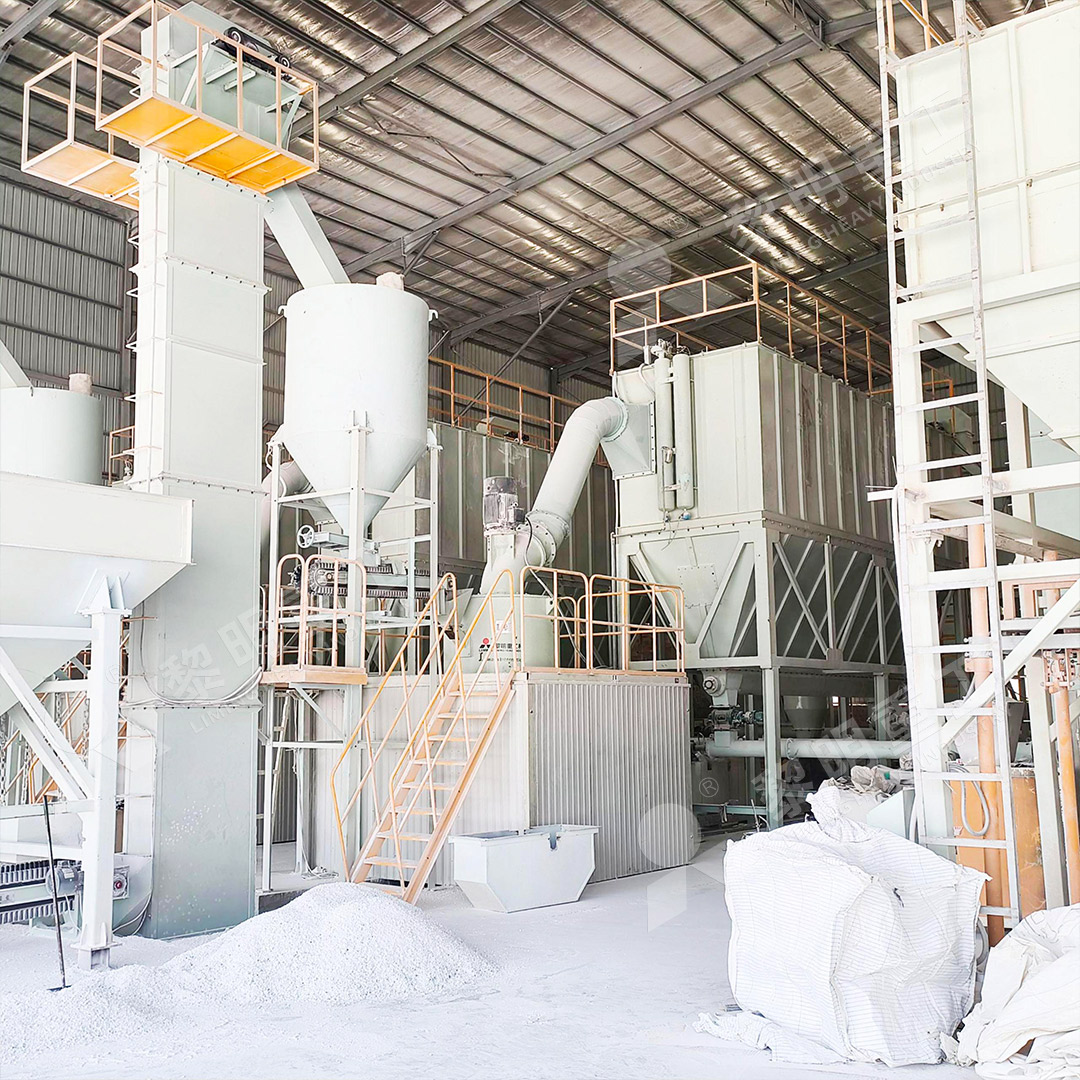
On the other hand, if your operation prioritizes high capacity with lower energy consumption per ton, the MTW European Trapezium Mill deserves a close look. It incorporates a unique bevel gear overall drive and an inner automatic thin-oil lubricating system. The cambered air duct reduces resistance, saving energy. But the standout feature is the split-type shovel blade and the pneumatic sealing device, which effectively prevents coarse powder from spilling. This ensures a higher quality final product with less waste. The grinding rollers and rings are made from a special wear-resistant alloy, giving them a lifespan up to 2.5 times longer than standard parts. For medium to high-capacity operations, this mill offers a perfect balance of reliability and efficiency.
The Role of Automation and Digitalization
We cannot ignore the impact of modern manufacturing. Today, the best grinding mills are not just welded together by hand. They are machined on tens of lines of numerical control machine tools. Every steel plate cutting, bending, planing, and milling operation is controlled with digital precision. This ensures that core components like the main shaft, the grinding ring, and the separator rotor are manufactured to exact tolerances. The result is a machine that runs smoother, vibrates less, and lasts longer.
Furthermore, advanced PLC control systems allow operators to adjust grinding pressure, separator speed, and feeding rates from a central panel or even remotely. This level of control is not a luxury; it is a necessity for plants aiming for ISO quality standards and minimal waste.
Making the Right Choice for Your Operation
Choosing the right mill is not about picking the biggest or the cheapest. It is about matching the machine to your material, your output requirements, and your operational constraints. Consider the following:
- Feed Size: Can your crusher produce material fine enough for the mill inlet? A standard Raymond mill requires feed under 25 mm.
- Fineness Requirement: Are you targeting 100 mesh or 1250 mesh? This dictates the type of separator and mill design you need.
- Moisture Content: If your material is damp, you may need a mill with a drying function or a hot air system.
- Total Capacity: Do you need 1 ton per hour or 50 tons per hour? This will guide you towards smaller Raymond mills or larger vertical roller mills.
Finally, remember that a mill is only as good as the support behind it. Reliable after-sales service, a ready supply of original spare parts, and technical guidance are critical. A machine that sits idle waiting for a part is a machine that is losing you money. Look for a manufacturer that stands by their equipment.
Conclusion: Grinding Forward
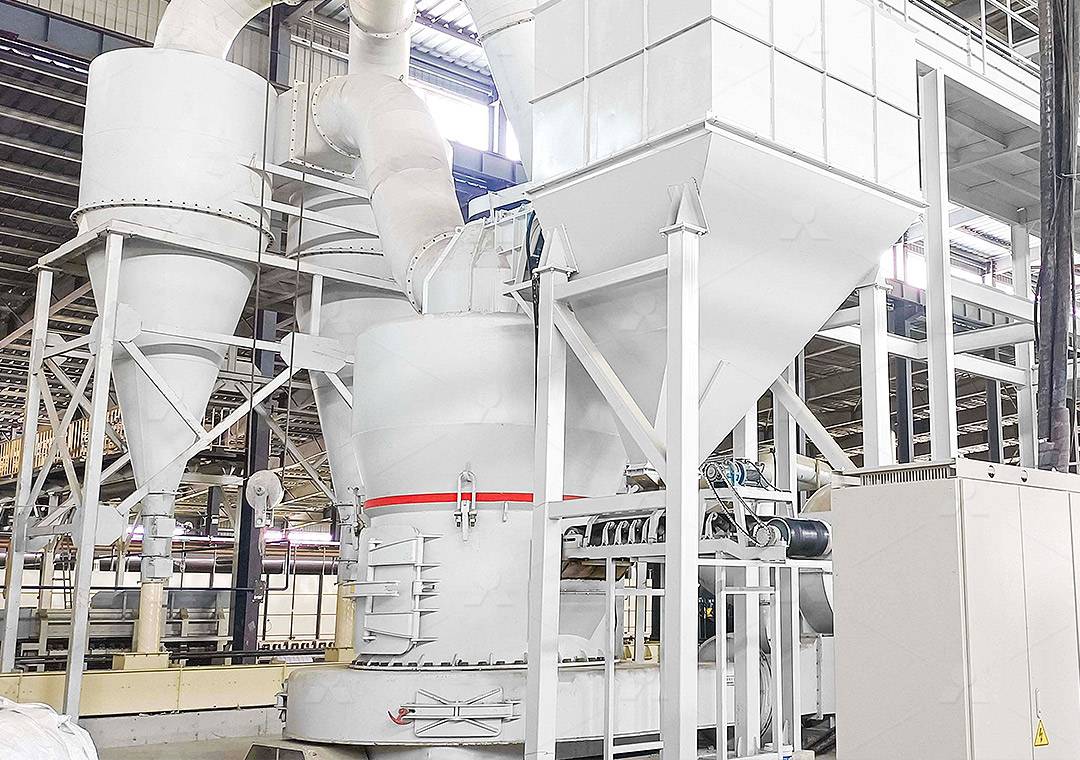
The world of industrial pulverizing is demanding, and it is not slowing down. Efficiency is no longer a buzzword; it is a financial imperative. The modern crushed stone Raymond mill, with its evolved design, digital manufacturing, and environmental controls, offers a reliable path to achieving high throughput at the lowest possible cost per ton. Whether you choose a robust MTW European Trapezium Mill for general purpose grinding, or push into ultra-fine territory with the MW Ultrafine Grinding Mill, the key is to invest in technology that is built for the long haul. When you get it right, the mill becomes more than just a machine—it becomes the most profitable part of your production line.
Frequently Asked Questions (FAQ)
- What is the difference between a standard Raymond mill and the MTW European Trapezium Mill? The MTW mill represents a significant upgrade. It features bevel gear direct drive (instead of a pinion and gear drive), a cambered air duct for lower resistance, and a pneumatic sealing device to prevent powder leakage. It also uses dilute oil lubrication for the rollers, which is maintenance-free compared to traditional grease lubrication. This results in higher efficiency, lower energy use, and reduced maintenance downtime.
- Can the MW Ultrafine Grinding Mill handle materials that are not limestone? Yes. The MW mill is designed for a wide range of non-metallic minerals and soft to medium-hard materials, including calcite, dolomite, barite, marble, talc, and petroleum coke. It is also used in the chemical, paint, and pharmaceutical industries for grinding additives and fillers.
- How fine can these mills grind crushed stone? A standard modern Raymond mill (like MTW series) can typically adjust fineness from 80 mesh up to about 600 mesh. The MW Ultrafine Grinding Mill is designed for much finer work, with a range of 325 mesh to 2500 mesh (d97≤5μm achievable).
- What is the typical energy consumption compared to a ball mill? A Raymond mill and its evolved versions (like MTW) generally consume 30% to 50% less energy than a traditional ball mill for the same throughput and fineness. The MW Ultrafine Grinding Mill consumes about 30% of the energy of a jet mill for the same fineness, and its output can be twice that of a ball mill.
- How often do the grinding rollers and rings need to be replaced? This depends heavily on the hardness and abrasiveness of the material being ground. However, using high-quality wear-resistant alloy parts (as found in modern mills), the life of rollers and rings can be extended by 1.5 to 2.5 times over standard high-manganese steel parts. Regular inspection is recommended, and the reversible design of many mills allows one side to be used before flipping, doubling the operational life.
- Is a dust collector necessary for the Raymond mill operation? Yes. Environmental regulations require it, and it is essential for good operation. The system works under negative pressure, and a pulse dust collector ensures that no dust escapes into the atmosphere. It also helps recover the final product, reducing waste.
- What maintenance is required for the MW Ultrafine Grinding Mill? One of its key features is low maintenance. There are no rolling bearings or screws inside the grinding chamber to fail. The lubricating device is installed outside the main shaft, allowing for lubrication without shutting down the machine. Routine checks on the separator, filters, and wear parts (rollers and rings) are necessary, but the design minimizes the need for complex disassembly.