
Petroleum Coke Powder Processing Equipment: Petroleum Coke Mill and Petroleum Coke Mill Price
We provide a wide range of mills — including Raymond mill, trapezoidal mill, vertical mill, ultrafine mill, and ball mill, obtained ISO9001 international quality certification, EU CE certification, and Customs Union CU-TR certification. Suitable for processing minerals such as limestone, phosphate, quicklime, kaolin, talc, barite, bentonite, calcium carbonate, dolomite, coal, gypsum, clay, carbon black, slag, cement raw materials, cement clinker, and more.
The discharge range of these mills can be adjusted to meet specific processing needs, typically from 80-400 mesh, 600-3250 mesh, and can achieve the finest particle size of up to 6000 mesh(D50).
If you are looking for a reliable grinding solution to turn stone or minerals into fine powder, please feel free to contact our online customer service.
Introduction to Petroleum Coke Powder Processing
Petroleum coke, often referred to as petcoke, is a carbon-rich solid derived from oil refining. It is a valuable fuel and raw material in industries such as cement, power generation, and chemical manufacturing. However, to unlock its full potential, petroleum coke must be ground into a fine powder. This is where specialized petroleum coke powder processing equipment, particularly petroleum coke mills, come into play. Selecting the right mill and understanding its price are critical for operational efficiency and cost management. This article delves into the world of petroleum coke mills, exploring their types, features, and the factors influencing petroleum coke mill prices.
Understanding Petroleum Coke Mills
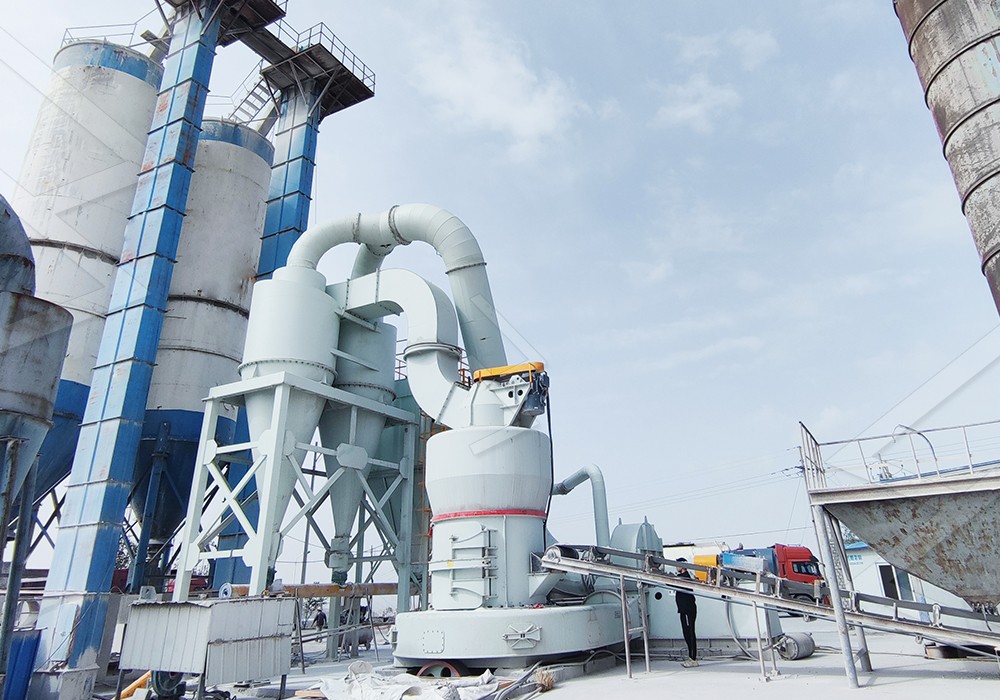
A petroleum coke mill is a grinding machine designed to reduce the particle size of petroleum coke. These mills operate on principles of compression, impact, and attrition. The choice of mill depends on factors like required fineness, throughput capacity, and energy efficiency. Among the various models available, vertical roller mills and ultrafine grinding mills are particularly popular for petcoke processing due to their high efficiency and ability to produce consistent product quality.
Types of Petroleum Coke Mills
Several mill types are suitable for grinding petroleum coke. Below are the key categories:
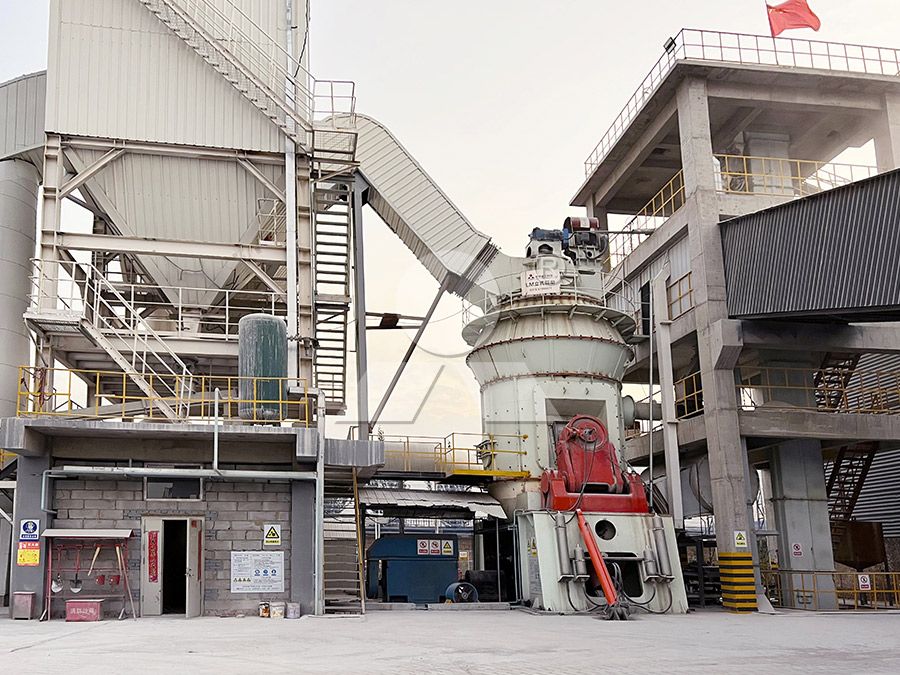
- Vertical Roller Mills (VRMs):These are industry workhorses for large-scale operations. They integrate crushing, grinding, and classification in one unit, offering low energy consumption and a small footprint.
- Ultrafine Grinding Mills:Designed for applications demanding extremely fine powders (325-2500 mesh). They feature advanced classifiers and efficient dust collection systems.
- Ball Mills:A traditional option, suitable for medium-scale production. However, they consume more energy compared to modern VRMs.
- Raymond Mills:Ideal for smaller capacities and coarser grinds, often used in pilot plants or low-volume production.
Key Features of Petroleum Coke Mills
Modern petroleum coke mills incorporate advanced technologies to improve efficiency and reduce environmental impact. Here are some standout features:
- High Grinding Efficiency:Mills like the MW Ultrafine Grinding Mill use specially designed grinding curves that boost production capacity by up to 40% compared to jet mills, while consuming only 30% of the energy.
- Adjustable Fineness:With cage-type powder selectors, operators can adjust fineness between 325 and 2500 mesh, meeting diverse industrial requirements.
- Eco-Friendly Operation:Equipped with pulse dust collectors and silencers, these mills operate with minimal dust and noise, complying with strict environmental regulations.
- Low Maintenance:Designs without rolling bearings or screws in the grinding chamber reduce the risk of damage and simplify lubrication, allowing 24-hour continuous operation.
Factors Influencing Petroleum Coke Mill Price
Petroleum coke mill prices vary widely based on several factors. Understanding these can help buyers make informed decisions:
- Capacity and Throughput:High-capacity mills designed for industrial-scale production naturally command higher prices. For instance, an LM Vertical Grinding Mill with a capacity of 3-340 tph costs significantly more than a small Raymond Mill.
- Technology and Automation:Mills with PLC control systems, digitalized processing, and advanced classifiers are more expensive but offer better precision and lower operating costs.
- Material Quality:The use of wear-resistant alloys for grinding rollers and rings, like those in MTW series mills, increases initial cost but extends service life by 1.7-2.5 times.
- Brand and After-Sales Service:Reputable brands like LIMING, which offer comprehensive spare parts supply and technical support, often have higher price tags but provide peace of mind.
- Customization:Mills tailored to specific materials or site conditions may incur additional engineering costs.
Recommended Petroleum Coke Mill Products
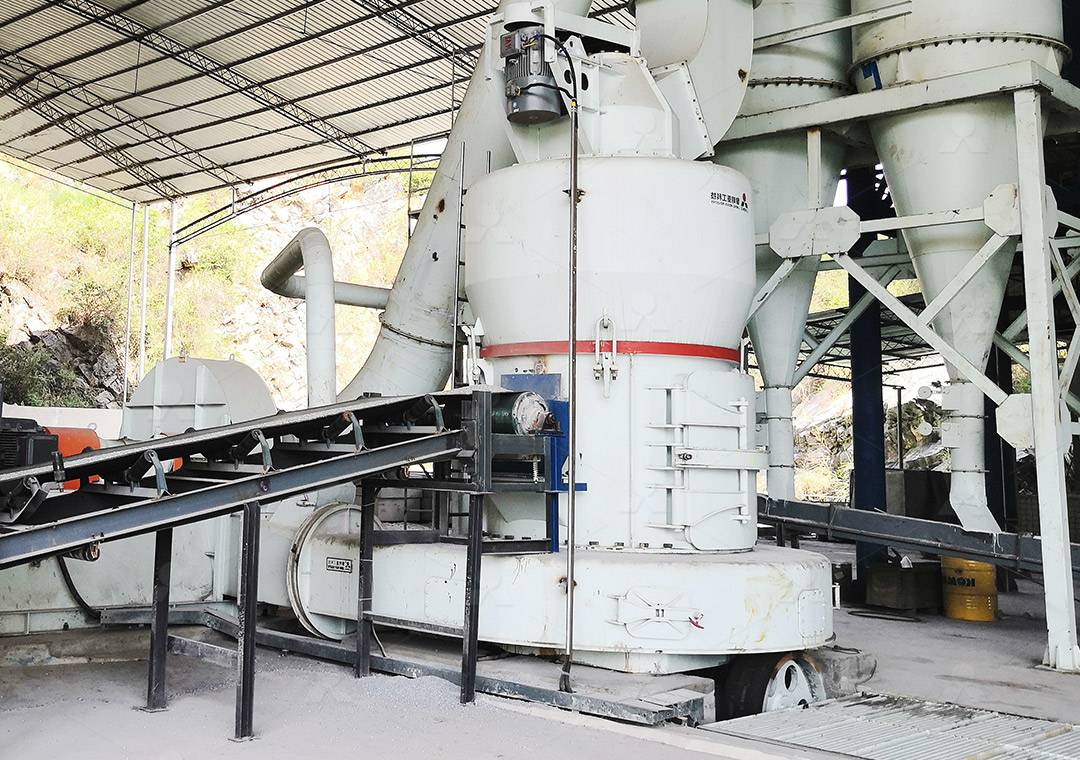
For businesses seeking reliable and high-performance petroleum coke processing equipment, we strongly recommend the MW Ultrafine Grinding Mill and the LUM Ultrafine Vertical Grinding Mill. Both mills excel in producing ultra-fine petroleum coke powder with exceptional efficiency.
The MW Ultrafine Grinding Mill features an input size of 0-20 mm and a capacity of 0.5-25 tph. It is ideal for operations requiring fineness up to 2500 mesh. Its dust-free operation and low energy consumption make it a sustainable choice. The LUM Ultrafine Vertical Grinding Mill, on the other hand, handles input sizes up to 10 mm with a capacity of 5-18 tph. It incorporates Taiwan grinding roller technology and German powder separation for superior performance. Both mills ensure stable operation, easy maintenance, and compliance with environmental standards.
Operational Efficiency and Cost Savings
Investing in a high-quality petroleum coke mill yields long-term benefits. For example, the LM Vertical Grinding Mill reduces energy consumption by 30-40% compared to ball mills, while its compact design cuts occupation area by 50%. Similarly, the MTW-Z European Trapezium Mill uses dilute oil lubrication for grinding rollers, minimizing maintenance downtime. These features translate into lower total cost of ownership, making them attractive despite higher upfront petroleum coke mill prices.
Conclusion
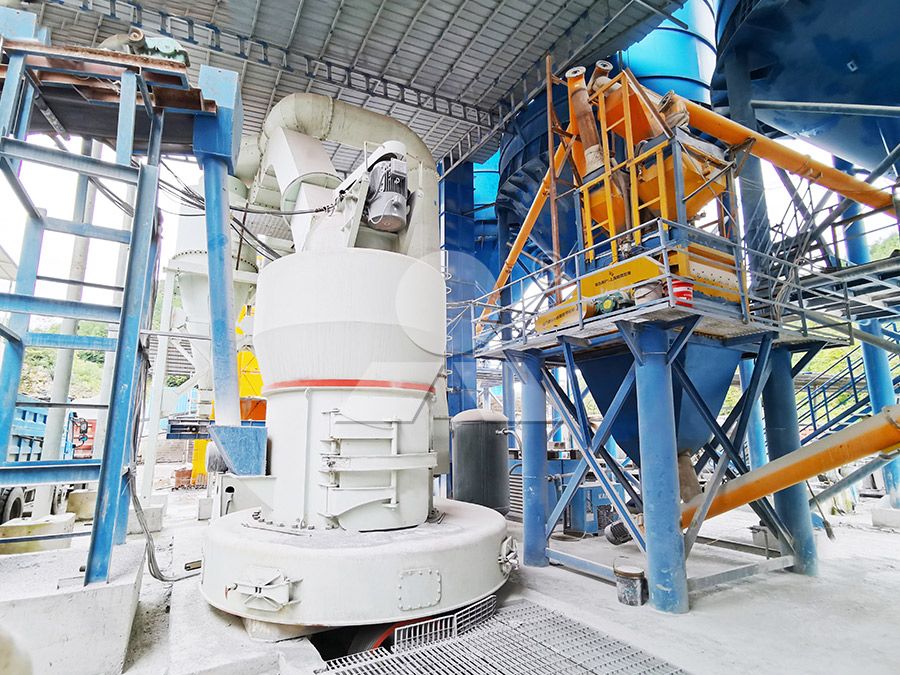
Selecting the right petroleum coke mill involves balancing performance, price, and long-term operational goals. With options ranging from ultrafine mills for fine powder to vertical mills for high throughput, there is a solution for every need. By focusing on energy efficiency, durability, and environmental compliance, modern mills like those from LIMING offer excellent value. When evaluating petroleum coke mill prices, consider not just the initial investment but also the operational savings and product quality improvements. For expert guidance and customized solutions, consulting with a reputable supplier ensures you get equipment that meets your specific requirements.
Frequently Asked Questions (FAQs)
- What is the ideal fineness for petroleum coke powder in industrial applications?
Most applications require fineness between 200 mesh and 325 mesh for fuel use, but ultra-fine grinding up to 2500 mesh is needed for specialty chemical products. - How does the petroleum coke mill price compare between ultrafine and standard mills?
Ultrafine mills like the MW series typically cost 20-40% more than standard mills due to advanced classifiers and dust collection systems, but offer higher value for fine powder production. - Can a petroleum coke mill handle other materials like limestone or coal?
Yes, many mills are versatile. For instance, the LUM Ultrafine Vertical Grinding Mill can process petroleum coke, calcite, limestone, and more with simple adjustments. - What are the maintenance requirements for a petroleum coke mill?
Routine maintenance includes checking grinding rollers, rings, and classifiers. Mills with reversible structures and external lubrication, like the LUM mill, simplify inspection and reduce downtime. - How does environmental regulation impact petroleum coke mill design?
Modern mills incorporate pulse dust collectors and silencers to meet emission standards. The MW Ultrafine Mill, for example, operates with zero dust pollution and low noise. - Is it possible to reduce energy consumption in petroleum coke grinding?
Definitely. Mills with optimized grinding curves and multi-head separators, such as the LM Vertical Mill, can cut energy use by 30-50% compared to traditional ball mills. - What is the typical lifespan of wear parts in a petroleum coke mill?
With wear-resistant alloys, grinding rollers and rings can last 1.7-2.5 times longer than standard manganese steel parts, depending on operating conditions. - Can I get a customized petroleum coke mill for my specific capacity needs?
Yes, manufacturers like LIMING offer customizable configurations, including multi-head powder selectors and hydraulic systems, to meet exact throughput and fineness requirements. - What after-sales support is available for petroleum coke mills?
Reputable suppliers provide technical services, original spare parts, and remote monitoring to ensure worry-free operation over the machine’s lifetime. - How long does it take to install a petroleum coke mill?
Installation time varies by model and site conditions, but typically ranges from 1 to 3 weeks for a standard vertical mill, including commissioning.