
Best Equipment for Producing Calcium Carbonate Powder
We provide a wide range of mills — including Raymond mill, trapezoidal mill, vertical mill, ultrafine mill, and ball mill, obtained ISO9001 international quality certification, EU CE certification, and Customs Union CU-TR certification. Suitable for processing minerals such as limestone, phosphate, quicklime, kaolin, talc, barite, bentonite, calcium carbonate, dolomite, coal, gypsum, clay, carbon black, slag, cement raw materials, cement clinker, and more.
The discharge range of these mills can be adjusted to meet specific processing needs, typically from 80-400 mesh, 600-3250 mesh, and can achieve the finest particle size of up to 6000 mesh(D50).
If you are looking for a reliable grinding solution to turn stone or minerals into fine powder, please feel free to contact our online customer service.
Introduction
When it comes to producing high-quality calcium carbonate powder, selecting the right grinding equipment is not just a technical decision—it is a business one. Calcium carbonate, whether derived from limestone, marble, or calcite, is a fundamental raw material in industries ranging from paper and paint to pharmaceuticals and food additives. The purity, particle size distribution, and production efficiency directly impact your final product’s market value. Over the years, I have worked with dozens of plants across the globe, and one truth remains constant: the mill you choose defines your operational success. In this article, I will walk you through the most effective equipment options for calcium carbonate powder production, highlighting key features that separate good mills from great ones.
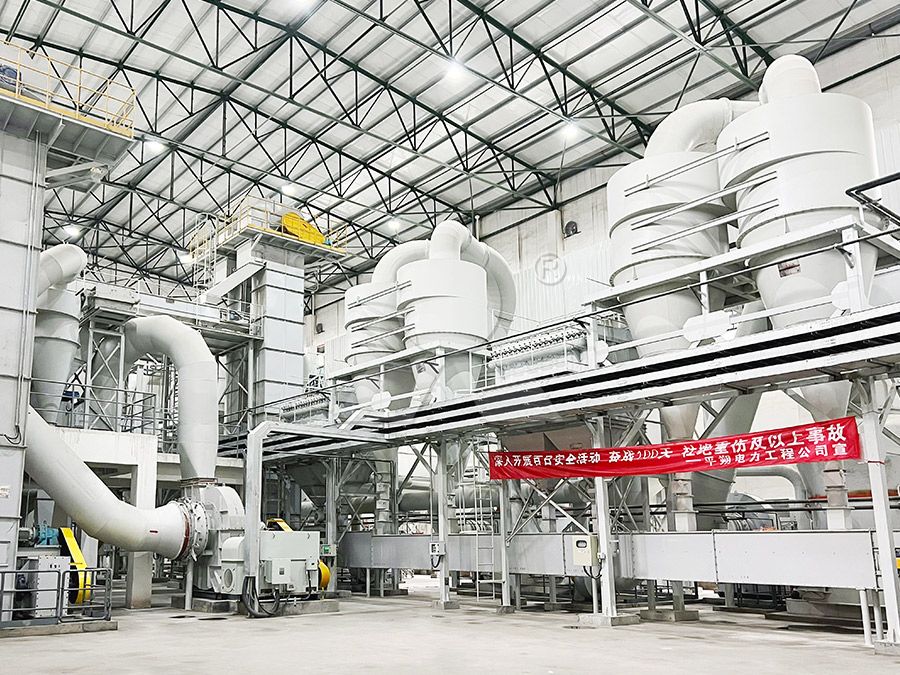
Understanding the Grinding Requirements for Calcium Carbonate
Calcium carbonate is a relatively soft mineral, typically ranking around 3 on the Mohs hardness scale. However, its grinding behavior can vary significantly based on the source material. Marble, for instance, is crystalline and tends to require more energy to break down than a softer chalk. The target fineness also plays a major role. For industrial fillers, a fineness of 325 mesh (45 microns) is common, but many applications now demand ultra-fine grades down to 2500 mesh (5 microns) or even finer. This is where equipment choice becomes critical. You cannot simply throw any mill at the problem and expect consistent results.
Key Equipment Options for Calcium Carbonate Grinding
Over the past two decades, the market has seen several mill types rise and fall in popularity. Ball mills, for example, are still widely used for coarse grinding due to their low initial investment. But they suffer from high energy consumption and significant iron contamination, which can degrade product whiteness. Raymond mills offer a middle ground for smaller capacities, but they struggle to achieve ultra-fine finishes. For modern producers, the real contenders are the vertical roller mills and ultra-fine grinding mills. Let us break down the most effective solutions.
MW Ultrafine Grinding Mill
For operations that demand ultra-fine calcium carbonate powder with controlled particle size distribution, the MW Ultrafine Grinding Mill stands out as a top performer. This machine is designed specifically for customers who need to make ultra-fine powder, handling input sizes up to 20 mm with a capacity ranging from 0.5 to 25 tph. One of the first things I noticed when visiting a client’s site in Vietnam using this mill was the almost complete absence of dust. The efficient pulse dust collector and muffler system keep the environment clean and quiet. The newly designed grinding curves of the roller and ring boost grinding efficiency by 40% compared to jet mills and stirred mills, while the system energy consumption is only 30% of a jet mill. The fineness is adjustable between 325 and 2500 mesh, and the cage-type powder selector, based on German technology, ensures a screening rate of d97 ≤ 5 μm in a single pass. What really impressed me was the absence of rolling bearings and screws inside the grinding chamber. This eliminates common breakdowns and allows for 24-hour continuous operation with external lubrication. If your goal is to produce premium-grade calcium carbonate for paint, cosmetics, or food additives, this is the machine to consider.
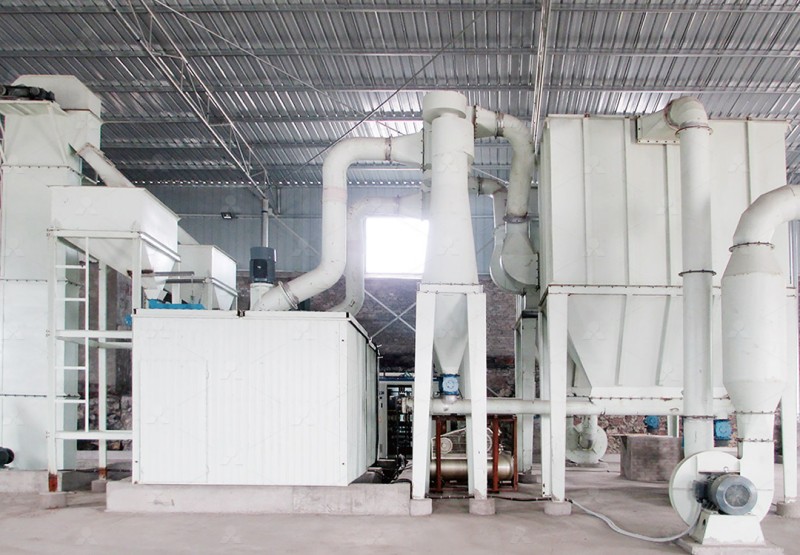
LUM Ultrafine Vertical Grinding Mill
Another exceptional choice for calcium carbonate producers is the LUM Ultrafine Vertical Grinding Mill. Independently designed by LIMING based on years of experience, it integrates ultra-fine grinding, grading, and transporting in one system. The input size is limited to 10 mm, and capacity ranges from 5 to 18 tph, making it ideal for medium-scale operations. The unique roller shell and lining plate grinding curve prevent materials from lingering too long, reducing iron content and improving whiteness. I recall a plant in Malaysia that switched from a traditional ball mill to the LUM mill and saw their product whiteness increase by 3 percentage points. The multi-head powder separating technology, controlled via a PLC system, allows precise adjustment of grinding pressure and rotor speed. Energy savings of 30% to 50% compared to common grinding mills are realistic. The double position-limiting technology—electronic and mechanical—prevents destructive impacts from machine vibration. Maintenance is also simplified with the reversible structure, which lets operators move the grinding roller out of the body for quick replacement of parts. For producers who value product purity and operational stability, the LUM mill delivers.
LM Vertical Grinding Mill for Higher Throughput
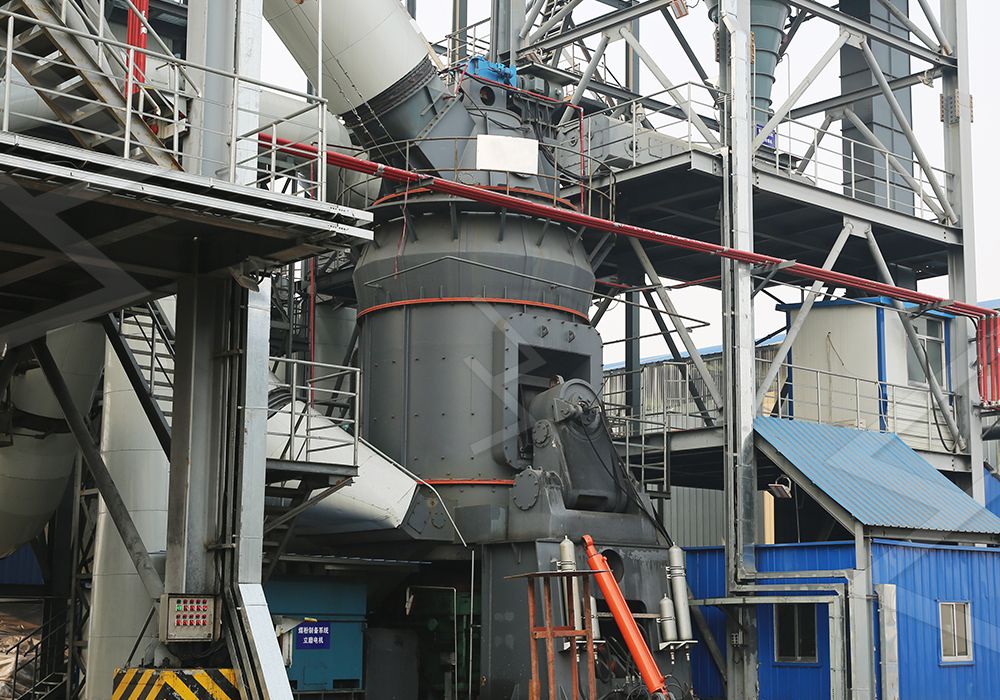
If your calcium carbonate production requires higher throughput, the LM Vertical Grinding Mill is worth a close look. With an input size of up to 70 mm and a capacity range of 3 to 340 tph, it is built for large-scale operations. This mill integrates crushing, drying, grinding, classifying, and conveying, reducing the coverage area by 50% compared to a ball mill system and cutting energy consumption by 30% to 40%. The grinding rollers and millstone do not contact directly, which keeps iron contamination low. I have seen this mill used effectively in power plant desulfurization projects where consistent fineness of 200 mesh is required. The automated control system allows for remote operation, and the sealed, negative-pressure design ensures no dust spills. For companies that need to balance high capacity with product purity, the LM vertical mill is a solid workhorse.
Comparative Analysis: Which Mill Fits Your Needs?
Choosing between these mills depends on your specific production goals. For ultra-fine grades below 10 microns, the MW Ultrafine Grinding Mill is the most suitable, thanks to its precision classifier and low energy consumption. For medium-scale production with a focus on product whiteness and easy maintenance, the LUM Ultrafine Vertical Grinding Mill offers an excellent balance. For high-capacity plants that also process other materials like slag or coal, the LM Vertical Grinding Mill provides versatility. Raymond mills and ball mills are still relevant for low-budget startups, but they cannot match the efficiency or product quality of these advanced systems. Remember, the initial investment in a better mill pays off quickly through lower operating costs and higher selling prices for your powder.
Practical Tips for Optimizing Calcium Carbonate Grinding
Beyond the machine itself, operational factors matter. Always pre-crush your material to the mill’s specified input size to avoid overloading. Monitor the moisture content—most mills perform best with materials below 6% moisture. Regular maintenance of the pulse dust collector and classifier rotor is critical for consistent fineness. And do not underestimate the importance of spare parts availability. LIMING’s policy of providing original spare parts and technical support ensures worry-free operation, which I have seen save clients weeks of downtime. One more thing: always run a test batch with your specific calcium carbonate source before committing to a full-scale purchase. The differences in mineralogy can surprise even experienced operators.
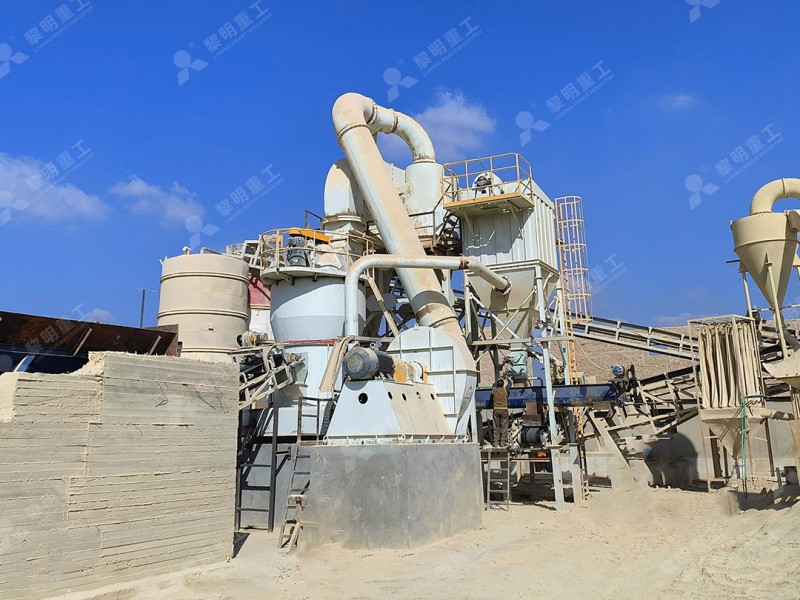
Conclusion
Producing calcium carbonate powder is both an art and a science. The equipment you choose must match your raw material, target fineness, capacity needs, and environmental standards. From my experience, the MW Ultrafine Grinding Mill and LUM Ultrafine Vertical Grinding Mill represent the best in class for ultra-fine and high-purity applications. They are not the cheapest options up front, but they deliver lower energy costs, less downtime, and a superior product that commands a premium price. If you are serious about entering or expanding in the calcium carbonate market, investing in one of these mills is the smartest move you can make. Take the time to consult with LIMING’s engineers, run your material through a pilot test, and then make an informed decision. Your bottom line will thank you.
Frequently Asked Questions (FAQs)
1. What is the ideal fineness for calcium carbonate used in paint?
For paint applications, a fineness of 800 to 1500 mesh (10 to 18 microns) is typical. Higher brightness and narrower particle size distribution improve gloss and coverage.
2. Can the MW Ultrafine Grinding Mill process wet calcium carbonate?
No, the MW mill is designed for dry grinding. Moisture content should be below 6% to avoid clogging and ensure efficient classification.
3. How often do the grinding rollers need replacement in the LUM mill?
With proper operation, the roller shells typically last 6 to 12 months, depending on the abrasiveness of the material. The reversible structure allows easy replacement.
4. Is the LM Vertical Grinding Mill suitable for food-grade calcium carbonate?
Yes, but you need to ensure that the mill is thoroughly cleaned before use and that the material does not contain contaminants. The low iron content design helps maintain purity.
5. What is the power consumption per ton for the MW Ultrafine Grinding Mill?
Power consumption varies with fineness and material hardness. For 1250 mesh calcium carbonate, it typically ranges from 30 to 50 kWh per ton, which is 40% lower than a jet mill.
6. Can I produce 2500 mesh calcium carbonate with a Raymond mill?
Raymond mills are limited to around 400 mesh maximum. For 2500 mesh, you need an ultrafine mill like the MW or LUM series.
7. How do I reduce iron content in my calcium carbonate powder?
Use a mill with non-contact grinding surfaces, such as the LM or LUM vertical mills. Also, install magnetic separators before the mill to remove tramp iron from the feed.
8. What is the warranty period for LIMING grinding mills?
LIMING typically offers a one-year warranty on the main equipment, and they provide technical support and spare parts for the lifetime of the machine.
9. Does the MW mill require a separate classifier?
No, the MW Ultrafine Grinding Mill has an integrated cage-type powder selector that provides precise separation without an external classifier.
10. Can I use the LUM mill for grinding other minerals besides calcium carbonate?
Absolutely. The LUM mill is versatile and can grind materials like barite, talc, dolomite, and gypsum, as long as their hardness is below 7 on the Mohs scale.