
Working Principle of Granite Clinker Grinding Mill Machinery
We provide a wide range of mills — including Raymond mill, trapezoidal mill, vertical mill, ultrafine mill, and ball mill, obtained ISO9001 international quality certification, EU CE certification, and Customs Union CU-TR certification. Suitable for processing minerals such as limestone, phosphate, quicklime, kaolin, talc, barite, bentonite, calcium carbonate, dolomite, coal, gypsum, clay, carbon black, slag, cement raw materials, cement clinker, and more.
The discharge range of these mills can be adjusted to meet specific processing needs, typically from 80-400 mesh, 600-3250 mesh, and can achieve the finest particle size of up to 6000 mesh(D50).
If you are looking for a reliable grinding solution to turn stone or minerals into fine powder, please feel free to contact our online customer service.
Introduction: The Core of Clinker Processing
Granite clinker, a byproduct of industrial furnaces, presents unique challenges in size reduction due to its hardness and abrasiveness. At Liming Heavy Industry, we have engineered grinding mills that not only tackle these challenges but also deliver ultra-fine powders with remarkable efficiency. This article delves into the working principles of our advanced machinery, focusing on how we transform tough clinker into valuable industrial powder. Whether you are in the cement, chemical, or paint industry, understanding the mechanics behind our grinders will help you optimize your production line.
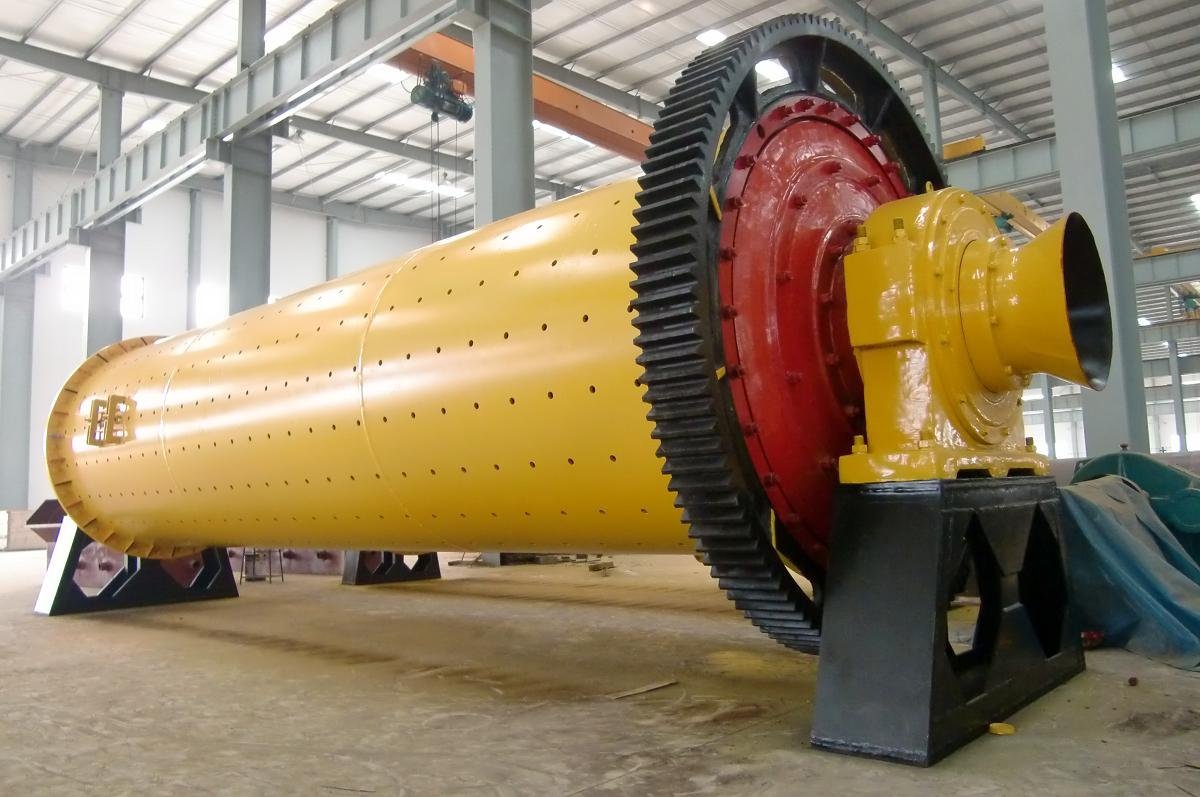
The Challenge of Grinding Granite Clinker
Granite clinker is known for its high silica content and Mohs hardness of 6 to 7. Traditional ball mills often struggle with such materials due to high energy consumption and excessive wear on grinding media. The secret to efficient clinker grinding lies in the design of the grinding chamber and the motion of the rollers. Our mills avoid the common pitfalls of bearing damage and screw loosening by eliminating these components from the grinding zone. This design philosophy ensures continuous, trouble-free operation even when processing the hardest clinker.
Step-by-Step Working Principle
1. Material Preparation and Feeding
The process begins with crushing the clinker to a manageable size, typically below 20 mm for our MW Ultrafine Grinding Mill. A hammer crusher reduces the lumps, which are then elevated to a storage hopper. From there, a vibrating feeder ensures a uniform, continuous flow of material into the grinding chamber. This controlled feeding is critical for maintaining stable bed formation and preventing overloading.
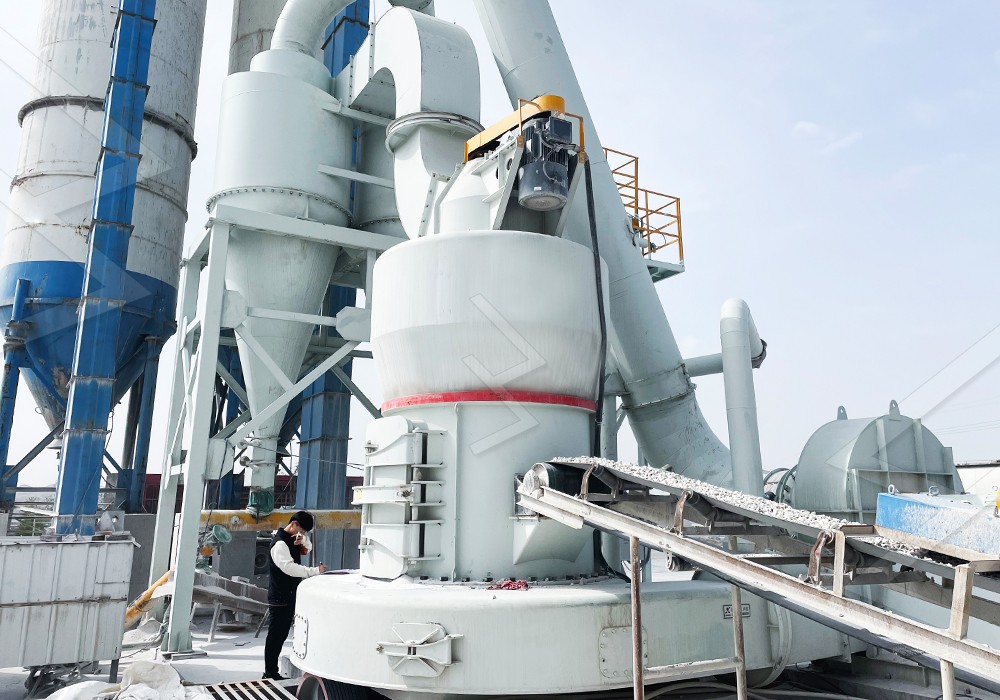
2. The Grinding Action: Rollers vs. Ring
Inside the chamber, the material lands on a rotating turnplate. Centrifugal force pushes it outward into the raceway between the grinding roller and the ring. Our patented grinding curves are designed to maximize the contact area. The rollers, driven by a reducer and pin mechanism, oscillate outward to press against the ring. This crushing and shearing action reduces the clinker into fine powder. The multi-stage design—where material passes through multiple turnplates—ensures that every particle is ground to the desired fineness without over-grinding. This results in a 40% higher yield compared to jet mills and double the output of ball mills, as seen in our MW Ultrafine Grinding Mill.
Recommendation: For applications requiring the highest purity and whiteness, such as in cosmetics or food additives, our MW Ultrafine Grinding Mill is the ideal solution. It achieves a product fineness adjustable between 325 and 2500 mesh, with a screening rate of d97 ≤ 5μm. The absence of rolling bearings in the chamber eliminates contamination from lubricants, ensuring a clean product.
3. Airflow and Classification
Once ground, the powder is carried upward by a controlled air stream generated by a blower. The air-powder mixture enters a cage-type powder separator. This German-engineered classifier uses a high-speed turbine to spin the air. Coarser particles, which are heavier, are thrown outward and dropped back down for regrinding. The fine particles pass through the rotor vanes and are directed to a cyclone collector. This precise classification ensures that the final product has a narrow particle size distribution, which is crucial for consistent performance in paints and chemicals. The dust-laden air from the cyclone is then passed through a pulse dust collector and muffler, making the entire operation environmentally friendly.
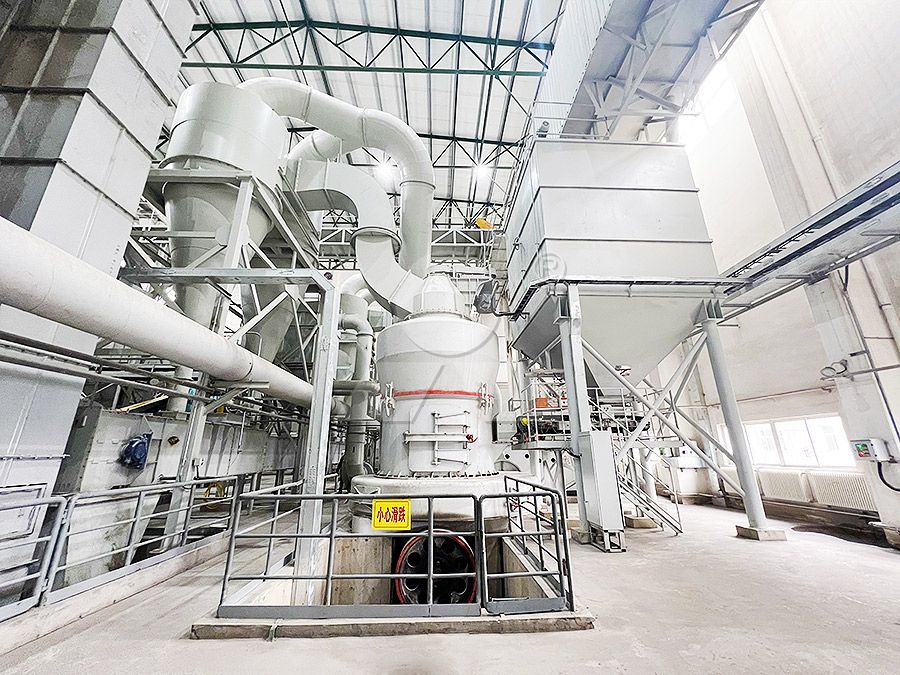
4. Closed-Loop System and Final Collection
The purified air is recirculated back to the blower, completing a closed-loop system that minimizes energy waste and dust emission. The final product is discharged from the cyclone through a discharge valve. The entire system is controlled digitally, with CNC-machined components ensuring precision in every part. This digitization allows for real-time adjustments to grinding pressure and separator speed, maintaining optimal efficiency even as clinker hardness varies.
Recommendation: For large-scale operations with capacity demands up to 340 tph, the LM Vertical Grinding Mill offers an integrated solution. It combines crushing, grinding, drying, and classifying in one unit, reducing the footprint by 50% compared to ball mill systems. Its unique roller and millstone design prevents direct metal-to-metal contact, keeping iron contamination near zero—vital for the metallurgy and construction material industries.
Key Technical Advantages
- Energy Efficiency: Our mills consume only 30% of the energy of jet mills, while delivering a 40% higher yield. The system energy consumption is significantly lower due to optimized air ducts and reducer designs.
- Wear Resistance: The grinding rollers and rings are made from wear-resistant alloys developed in cooperation with scientific institutes. Their service life is 1.7 to 2.5 times longer than traditional manganese steel parts.
- Maintenance Ease: The reversible structure of our LUM Ultrafine Vertical Grinding Mill allows the grinding roller to be swung out of the body for quick inspection and replacement of the roller shell. This minimizes downtime.
- Environmental Compliance: All mills are equipped with efficient pulse dust collectors and mufflers. The entire system operates under negative pressure, ensuring zero dust spillage and compliance with national environmental standards.
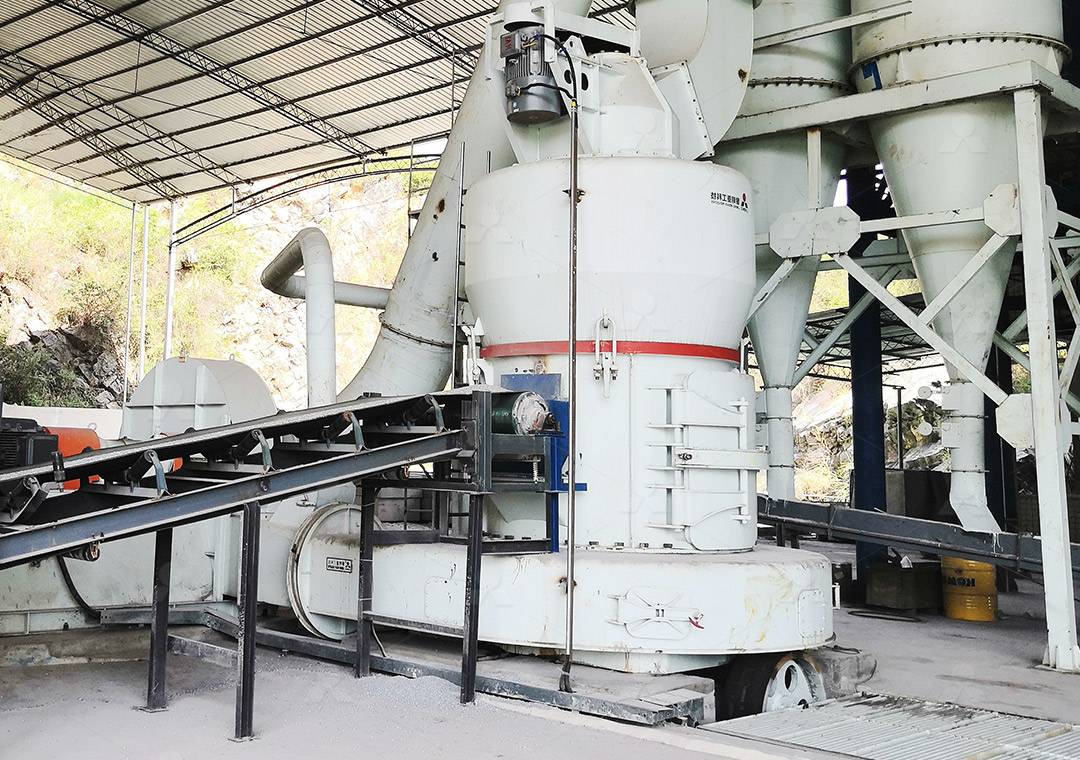
Conclusion: Why Choose Liming Heavy Industry?
Grinding granite clinker demands machinery that is robust, precise, and energy-efficient. Our range of mills—from the ultra-fine MW to the high-capacity LM—are built with a deep understanding of material behavior. We take full responsibility for every machine we produce, offering technical services and original spare parts to guarantee worry-free operation. The digitalized manufacturing process ensures that every cut, bend, and weld is precise, leading to consistent performance over years of operation. Whether you need powder for paints, pharmaceuticals, or cement, our grinding solutions are designed to give you the edge.
Frequently Asked Questions (FAQ)
- Q: What is the maximum input size for the MW Ultrafine Grinding Mill?
A: The maximum input size is 20 mm. For larger materials, we recommend a pre-crushing step using a hammer crusher to ensure optimal performance. - Q: How does the mill handle moisture in the clinker?
A: The LM Vertical Grinding Mill can integrate a hot air system for drying and grinding simultaneously. For the MW mill, materials should have a moisture content below 10% to avoid clogging. - Q: Can I achieve a fineness of 2500 mesh consistently?
A: Yes, with the MW Ultrafine Grinding Mill, the cage-type powder separator allows for precise adjustment between 325 and 2500 mesh. The screening rate can reach d97 ≤ 5μm. - Q: What is the noise level during operation?
A: Our mills are equipped with silencers and mufflers. The LM Vertical Mill, for example, operates with very little vibration and noise, meeting international environmental standards. - Q: How often do I need to replace the grinding rollers?
A: The service life of our wear-resistant alloy rollers is 1.7 to 2.5 times longer than traditional rollers. Depending on the abrasiveness of your clinker, replacement intervals can be several thousand hours. - Q: Is the system automated?
A: Absolutely. Our mills feature expert-level automatic control systems (PLC) that allow for remote and local control. Parameters like grinding pressure and separator speed are adjustable on the fly. - Q: What kind of spare parts do you supply?
A: We supply original spare parts, including roller shells, grinding rings, scraper blades, and filters. As a manufacturer, we ensure immediate availability for worry-free operation. - Q: Can the mill grind materials other than granite clinker?
A: Yes. Our mills handle limestone, calcite, dolomite, barite, marble, talc, gypsum, and many other non-metallic materials with Mohs hardness below 7.