
Repair Residue Processing and Utilization: Vertical Roller Mill from Liming Heavy Industry for Repair Residue Grinding
We provide a wide range of mills — including Raymond mill, trapezoidal mill, vertical mill, ultrafine mill, and ball mill, obtained ISO9001 international quality certification, EU CE certification, and Customs Union CU-TR certification. Suitable for processing minerals such as limestone, phosphate, quicklime, kaolin, talc, barite, bentonite, calcium carbonate, dolomite, coal, gypsum, clay, carbon black, slag, cement raw materials, cement clinker, and more.
The discharge range of these mills can be adjusted to meet specific processing needs, typically from 80-400 mesh, 600-3250 mesh, and can achieve the finest particle size of up to 6000 mesh(D50).
If you are looking for a reliable grinding solution to turn stone or minerals into fine powder, please feel free to contact our online customer service.
Introduction: The Challenge of Repair Residue
In the heavy equipment and construction industries, the accumulation of repair residue is an unavoidable reality. When you rebuild a worn-out crusher jaw or resurface a massive ball mill shell, you are left with piles of what is commonly called repair residue—a mixture of welding slag, grinding swarf, metal dust, and spent abrasives. For years, this material was treated as a liability, hauled off to landfills at a significant cost. But today, smart operators are flipping that script. They are turning this waste stream into a valuable resource. The key lies in effective grinding, and that is where Liming Heavy Industry’s vertical roller mill technology comes into play. This article will walk you through the operational strategies, equipment selection, and practical benefits of processing repair residue with advanced grinding mills.
Understanding the Material: What Is Repair Residue?
Before we talk about machines, we have to understand what we are grinding. Repair residue is not a homogenous substance. Its composition varies wildly depending on the source. A typical batch might contain high-hardness steel fragments, oxidized iron from welding, silica from grinding wheels, and even traces of copper or aluminum from electrical repairs. The particle size distribution is equally erratic, ranging from fine dust to chunks as big as your fist. This variability makes it a demanding feed material. A standard ball mill might struggle here because it requires a consistent feed size for optimal efficiency. A vertical roller mill, however, is more forgiving. Its design allows it to handle a wider range of particle sizes and harder materials without significant clogging or wear issues. The key is to pre-crush the largest pieces down to about 20-30 mm before feeding, but the vertical mill can then take over from there.
Why Choose a Vertical Roller Mill for This Task?
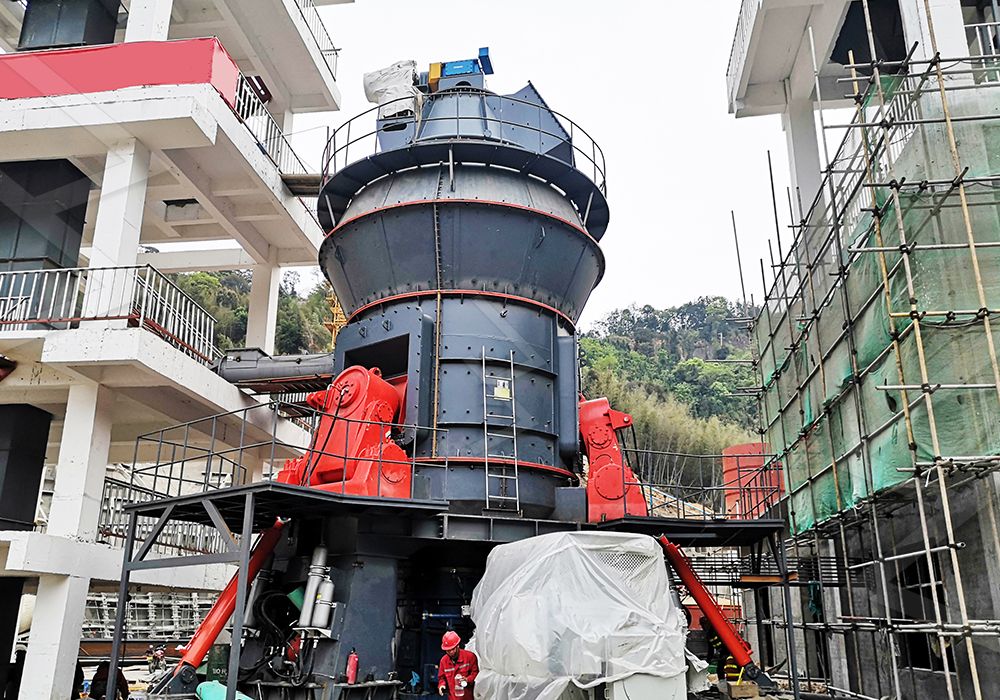
So, why not just use a hammer mill or a ball mill? The answer comes down to three factors: energy efficiency, product quality, and maintenance simplicity. Vertical roller mills, like the LM Vertical Grinding Mill from Liming Heavy Industry, operate on a different principle. Instead of tumbling the material in a drum, they use a rotating grinding table and stationary rollers to crush and shear the material. This design offers several advantages. First, the energy consumption is 30% to 40% lower than a traditional ball mill. Second, the residence time of the material inside the mill is very short—only 2 to 3 minutes. This minimizes the risk of over-grinding and reduces the iron content contamination in your final product. For repair residue, this is critical. You want to recover as much clean metal powder as possible without introducing excessive wear debris from the mill itself. The LM series also integrates drying, grinding, and classifying in one unit. If your residue is slightly damp from cutting fluids, the hot air system can dry it during the grinding process.
Application in Practice: From Waste to Feedstock
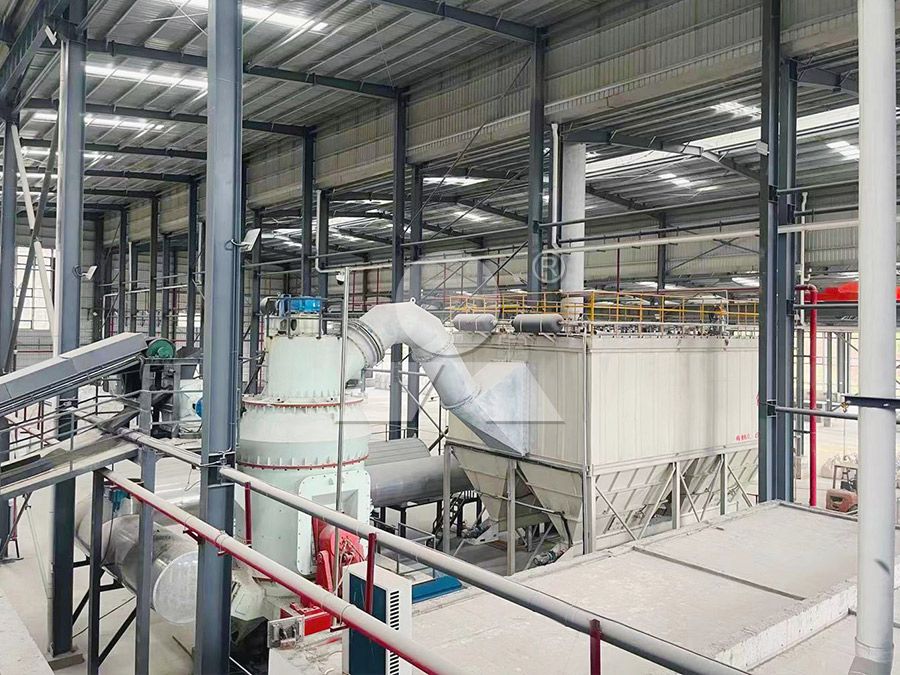
Let us imagine a real-world scenario. A mid-sized steel fabrication shop generates roughly 5 tons of repair residue per week. Historically, they paid a waste hauler to take it away. By installing an MTW European Trapezium Grinding Mill or an LM series mill, they can process this residue into a fine powder. What can you do with this powder? The applications are surprisingly diverse. The fine metal powder can be sold to powder metallurgy companies as a raw material for sintered parts. The non-metallic fraction, primarily silica and alumina, can be blended into construction materials like concrete admixtures or brick manufacturing. In the most sophisticated operations, the powder is further classified to separate the ferrous and non-ferrous components. This turns a former waste disposal cost into a new revenue stream. The initial capital investment in a grinding mill pays for itself within 18 to 24 months, depending on local disposal fees and the market value of the reclaimed powder.
Equipment Spotlight: Matching the Mill to the Job
Choosing the right mill is not a one-size-fits-all decision. For heavy-duty applications with high throughput requirements, the LM Vertical Grinding Mill (input size up to 70 mm, capacity 3-340 tph) is a robust workhorse. Its hydraulically loaded rollers and segmented grinding table can handle the abrasion from hard steel scale and slag. The automatic control system adjusts the grinding pressure and table speed to maintain a consistent product fineness, usually in the range of 80-200 mesh for most recycling applications. For smaller workshops or specialized operations focusing on ultra-fine powders (325-2500 mesh), the MW Ultrafine Grinding Mill is a better fit. With an input size of 0-20 mm and a capacity of 0.5-25 tph, it is ideal for producing high-value, ultra-fine metal powders used in coatings or chemical applications. The cage-type powder selector ensures precise classification, which is critical when you are trying to meet a strict particle size specification from a buyer.
Operational Considerations and Best Practices
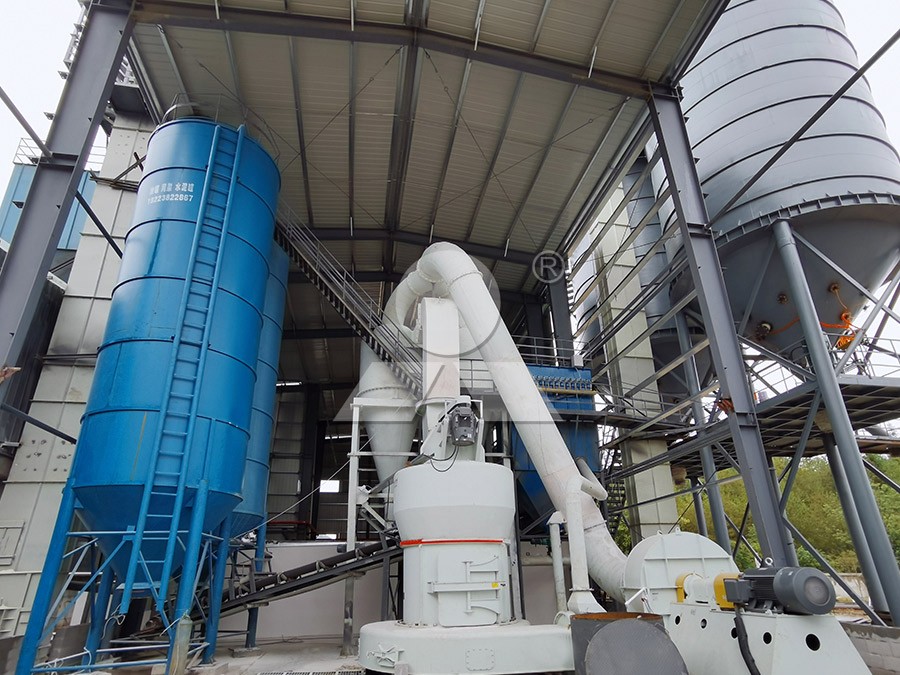
Running a vertical roller mill on repair residue requires some adjustments compared to grinding virgin ore or coal. The most important factor is feed consistency. You cannot simply dump a load of random scrap into the mill. You need a pre-sorting step. Remove large bolts, rubber pieces, and plastic debris before they enter the crusher. The magnetic separator installed on the feed conveyor is essential to catch stray tool steel fragments that could damage the rollers. Another tip is to monitor the mill’s vibration closely. Repair residue can have variable density, which can cause the grinding table to become unbalanced. Modern mills like the LM series have electronic limiting technology to prevent the roller from directly smashing the table during such events. Finally, pay attention to the wear parts. The roller shells and liners will wear faster than when grinding limestone. Plan for more frequent inspections and stock replacement parts. Liming Heavy Industry offers sufficient supply of spare parts, so you can keep the operation running worry-free.
Economic and Environmental Benefits
The push to process repair residue is not just about economics; it is also about sustainability. Landfilling this material is a waste of embedded energy. Every kilogram of steel powder you recycle saves about 1.5 kg of CO2 emissions compared to producing virgin iron powder. The energy savings from using a vertical roller mill versus a ball mill further reduce the carbon footprint of your operation. On the cost side, the numbers are compelling. If you currently pay $50 per ton for disposal, and you generate 20 tons per month, you are spending $12,000 annually just to get rid of it. By processing it, you might realize a net profit of $20 per ton depending on the quality of your output. That is a swing of $70 per ton, or nearly $17,000 per year. For larger shops, the savings are even more dramatic. The automation of the LM mill also reduces labor costs. One operator can manage the entire system from a control room, making it a lean operation.
Conclusion: A Smart Investment in the Circular Economy
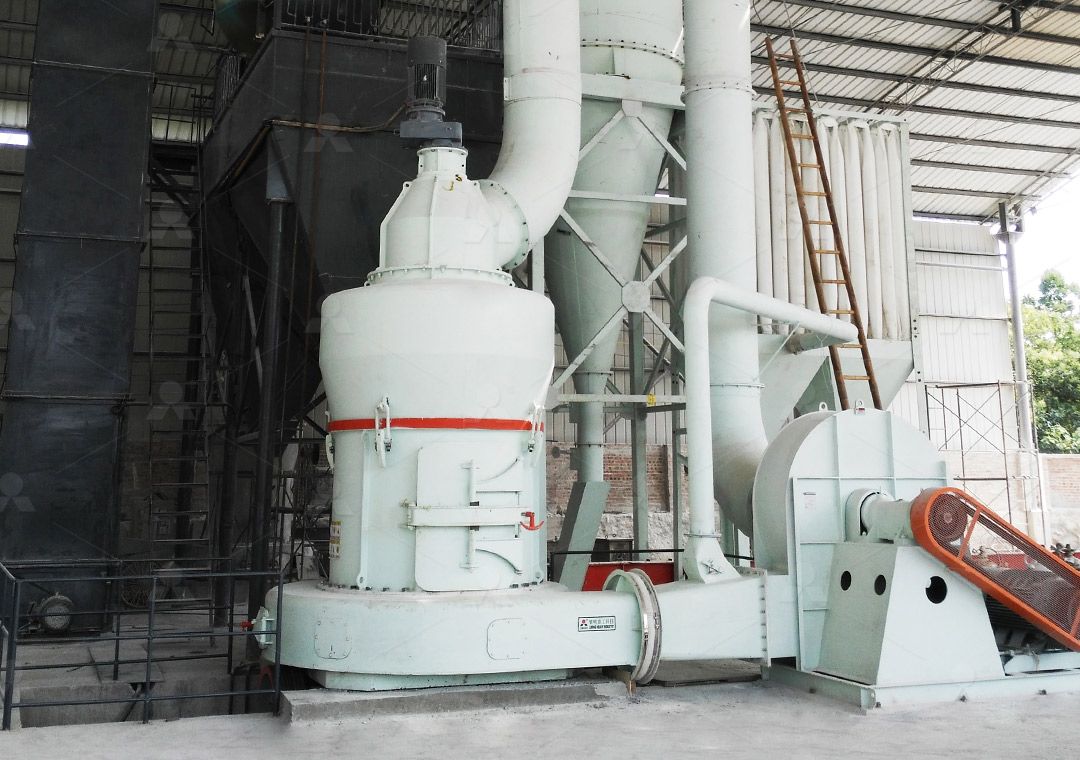
Repair residue is not a dead end. It is a resource that is waiting to be unlocked. With the right equipment—specifically a vertical roller mill from Liming Heavy Industry—you can transform this waste stream into a profitable and sustainable product. The technology is mature, the economics are favorable, and the environmental benefits are undeniable. Whether you choose the high-capacity LM Vertical Grinding Mill for a large-scale operation or the precision-oriented MW Ultrafine Grinding Mill for specialized powder production, you are making a decision that aligns with the future of industrial recycling. The days of paying to dump repair residue are over. The future is about grinding it, sorting it, and selling it.
Frequently Asked Questions (FAQ)
- Can a vertical roller mill handle wet or oily repair residue?
Yes, the LM series vertical mill includes a hot air system that can dry material during grinding. However, very oily residue may require a pre-drying step or the addition of a dry powder to absorb moisture before feeding. - What is the typical fineness achievable when grinding repair residue?
For general recycling, a fineness of 80-200 mesh is common. Using the MW Ultrafine Grinding Mill, you can achieve up to 2500 mesh (d97 less than 5 microns) for high-value applications. - How often do I need to replace the grinding rollers and table liners?
This depends on the abrasiveness of your residue. For typical steel shop waste, you might expect a roller life of 6 to 12 months. Liming Heavy Industry provides easy-to-maintain reversible structures to speed up replacement. - Is it safe to grind metal dust?
Yes, but you must follow safety protocols. The system operates under negative pressure to contain dust, and the pulse dust collector prevents airborne particles. Avoid grinding aluminum or magnesium without inert gas protection, as they can be explosive. - Can I mix different types of repair residue in the same batch?
It is possible, but not always advisable. Mixed batches make it harder to guarantee a consistent chemical composition for sale. Segregating by type (steel-only vs. mixed waste) often yields a higher-value product. - What is the power consumption for grinding repair residue?
A vertical roller mill consumes about 30-40% less energy than a ball mill. For a typical installation, expect around 20-30 kWh per ton of material processed. - Do I need a separate classifier or separator?
No, the vertical roller mill integrates classification. The rotor separator on top of the mill returns coarse particles for regrinding and only lets fine powder pass through. - How big is the machine footprint?
The vertical mill has a compact vertical structure. Its footprint is about 50% that of a ball mill system of similar capacity. Many customers install it outdoors to save building costs. - What kind of warranty does Liming Heavy Industry offer on these mills?
Liming provides a standard warranty on the main machine and offers full technical support and original spare parts to ensure worry-free operation. - Can I automate the entire grinding process?
Absolutely. The LM and MW series both support PLC-based automation. The system can be set to run 24/7 with remote monitoring, adjusting feed rate and grinding pressure automatically.