
High-Efficiency Energy-Saving Raymond Mill for Industrial Powder Grinding
We provide a wide range of mills — including Raymond mill, trapezoidal mill, vertical mill, ultrafine mill, and ball mill, obtained ISO9001 international quality certification, EU CE certification, and Customs Union CU-TR certification. Suitable for processing minerals such as limestone, phosphate, quicklime, kaolin, talc, barite, bentonite, calcium carbonate, dolomite, coal, gypsum, clay, carbon black, slag, cement raw materials, cement clinker, and more.
The discharge range of these mills can be adjusted to meet specific processing needs, typically from 80-400 mesh, 600-3250 mesh, and can achieve the finest particle size of up to 6000 mesh(D50).
If you are looking for a reliable grinding solution to turn stone or minerals into fine powder, please feel free to contact our online customer service.
Introduction: The Evolution of Industrial Grinding
In the world of industrial powder processing, efficiency and energy savings are no longer optional—they’re essential. For decades, Raymond mills have been the backbone of the grinding industry, but today’s demands require more than just reliable equipment. You need machines that deliver higher yields with lower power consumption, reduced environmental impact, and minimal downtime. That’s where modern high-efficiency energy-saving Raymond mills come into play. Whether you’re processing limestone, barite, gypsum, or talc, the right mill can transform your operation. At Liming Heavy Industry, we’ve reengineered the classic Raymond mill to meet these challenges head-on, integrating advanced technologies that cut energy use by up to 40% while boosting throughput. Let’s dive into what makes these mills a game-changer for your business.
Key Features: What Sets a High-Efficiency Raymond Mill Apart
Traditional Raymond mills have served us well, but they come with limitations—higher energy bills, frequent maintenance, and inconsistent product fineness. Our latest designs address these pain points with innovations like optimized grinding curves, advanced powder separators, and sealed systems that eliminate dust pollution. For instance, the newly designed grinding roller and ring profiles, as seen in our MW Ultrafine Grinding Mill, increase grinding efficiency by up to 40% compared to jet and stirred mills. The system energy consumption? Just one-third of a jet mill. That’s real savings you can take to the bank.
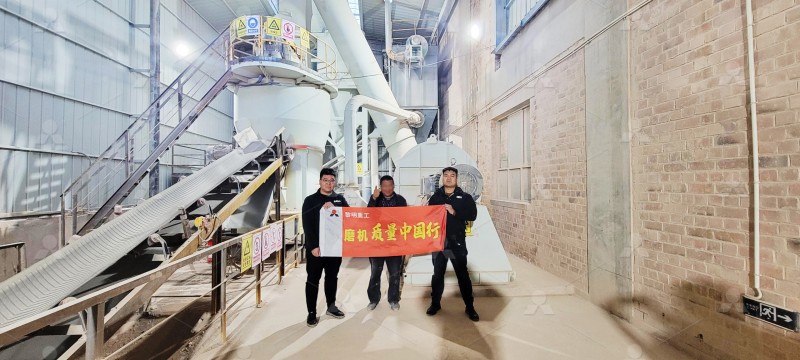
Another standout feature is the cage-type powder selector, a German-engineered component that ensures precision separation. With adjustable fineness ranging from 325 to 2500 mesh, the MW Ultrafine Grinding Mill achieves a screening rate of d97≤5μm in a single pass. No more reprocessing—just consistent, high-quality powder every time. And because the grinding chamber has no rolling bearings or screws, you avoid common failure points like bearing seal damage or loose bolts. External lubrication means 24-hour non-stop operation, maximizing your production uptime.
Energy Efficiency and Environmental Compliance
Let’s talk numbers: our high-efficiency Raymond mill systems can save 30-50% in energy compared to conventional ball mills. The LUM Ultrafine Vertical Grinding Mill, for example, integrates PLC control and multi-head powder separation technology, giving you precise control over grinding pressure and rotor speed. This isn’t just about lower electric bills—it’s about meeting strict environmental standards without compromising output. Every unit is equipped with a pulse dust collector and silencer, ensuring no dust escapes and noise levels stay low. You can run these mills in populated areas or sensitive industrial zones without worry.
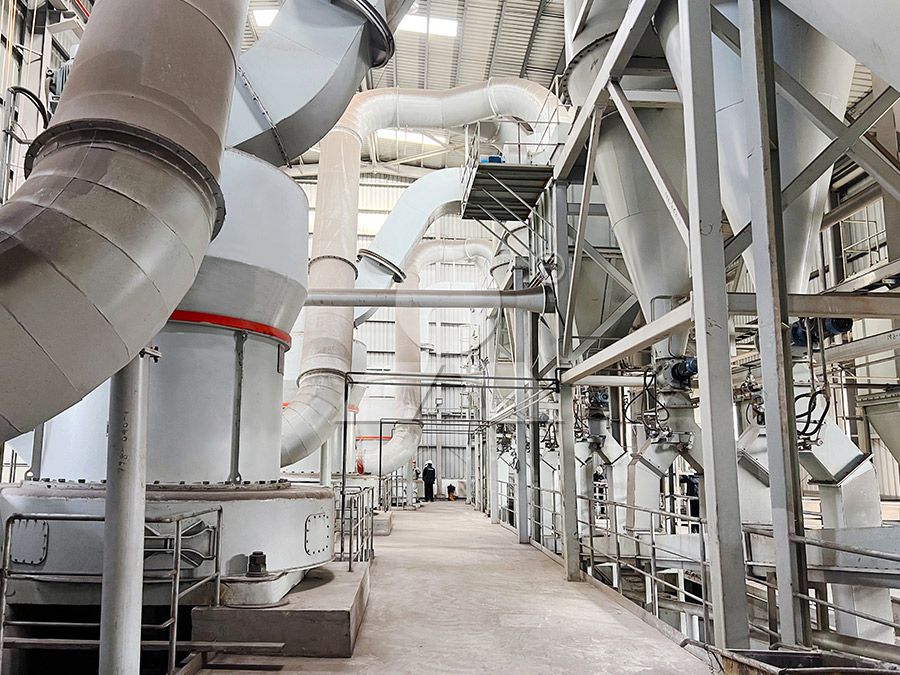
For applications requiring ultra-fine powders—think cosmetics, pharmaceuticals, or high-end paints—the MW Ultrafine Grinding Mill is a top contender. With a capacity of 0.5 to 25 tph and an input size of 0-20 mm, it handles materials from calcite to petroleum coal with ease. The digitalized manufacturing process ensures every component meets tight tolerances, so you get reliable performance day in and day out. Plus, our global spare parts network means you’re never left waiting for replacements.
Practical Applications and Industry Solutions
Where do these mills shine brightest? In industries like power plant desulfurization, cement production, and metallurgy, where consistent fineness and low energy use are critical. The LM Vertical Grinding Mill, with its integrated crushing, drying, and classifying functions, is ideal for processing slag, coal, and non-metallic minerals. It reduces your footprint by 50% compared to ball mill systems and cuts energy consumption by 30-40%. If you’re dealing with high-moisture materials or need to switch between product specs quickly, the LUM or MTW-Z series offer the flexibility you need.
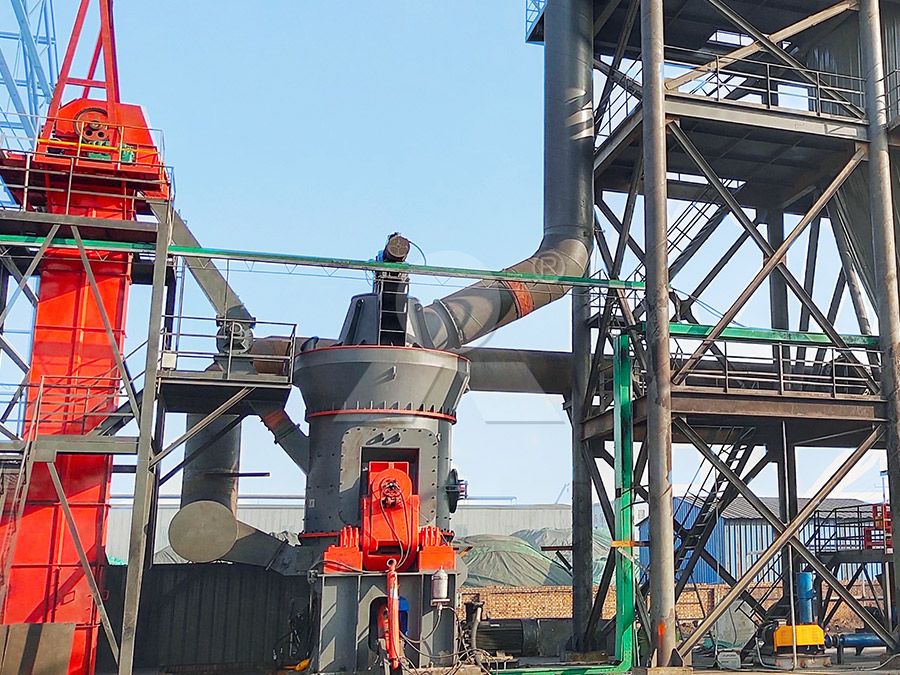
For operators in the chemical and food sectors, the MTW European Trapezium Grinding Mill stands out. Its diluted oil lubrication system means no frequent oil changes, and the elastic volute damping structure eliminates vibration damage. The cambered air duct design reduces air resistance, further saving energy. Whether you’re grinding barite for oil drilling or talc for cosmetics, you’ll get a uniform product with minimal iron contamination—a must for high-purity applications.
Working Principle: How It All Comes Together
Understanding the mechanics helps you appreciate the efficiency gains. In our Raymond mill systems, the motor drives the main shaft via a reducer, which rotates the grinding ring. Material enters the chamber through a feeder and falls between the roller and ring. The centrifugal force pushes the roller outward, crushing the material. A blower pulls air through the mill, carrying fine particles to the separator. Coarse particles drop back for regrinding, while the fine powder is collected in a cyclone or dust collector. In vertical mills like the LUM, material moves from the center to the edge of a rotating table, forming a material bed that crushes particles against each other—a principle called interparticle grinding. This reduces energy waste and improves product consistency.
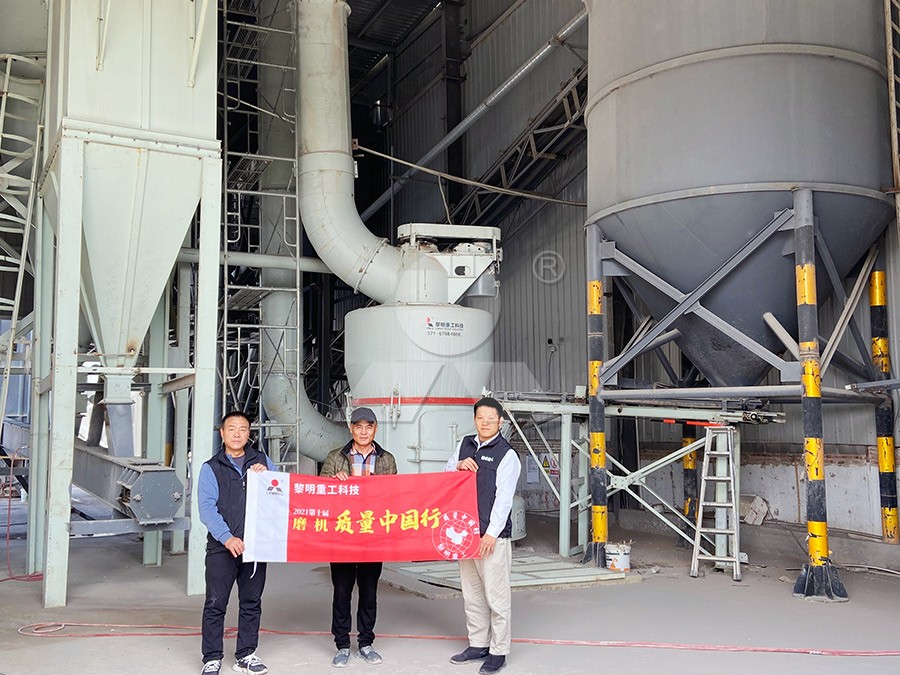
Why Choose Liming Heavy Industry?
We don’t just sell machines; we partner with you to optimize your grinding process. Every mill we produce—from the compact Raymond Mill to the heavy-duty LM Vertical Mill—undergoes rigorous digitalized processing with CNC-controlled cutting, bending, and milling. Our team provides full technical support and original spare parts, ensuring worry-free operation. Whether you’re upgrading an existing line or building a new plant, our engineers can help you select the right model for your material, capacity, and fineness requirements.
Recommendation: Our Top Picks for High-Efficiency Grinding
For ultra-fine powder applications (325-2500 mesh), we strongly recommend the MW Ultrafine Grinding Mill. It’s ideal for producing high-value powders in the chemical, paint, and pharmaceutical industries, with a capacity range of 0.5-25 tph and a compact design that fits tight spaces. If you need higher throughput (5-18 tph) with vertical mill stability, the LUM Ultrafine Vertical Grinding Mill is unbeatable for limestone, marble, and barite. Its double position-limiting technology protects against vibration damage, and the reversible roller structure cuts maintenance time in half. Both models deliver the energy savings and environmental compliance you demand.
Conclusion
High-efficiency energy-saving Raymond mills are more than an upgrade—they’re a strategic investment in your operation’s future. By reducing power consumption, improving yield, and simplifying maintenance, these mills lower your total cost of ownership while meeting the strictest quality and environmental standards. Whether you choose the MW, LUM, or another model from our extensive lineup, you’re getting decades of engineering expertise and a commitment to your success. Contact Liming Heavy Industry today to schedule a consultation or request a test grind with your materials.
FAQ
1. What materials can the MW Ultrafine Grinding Mill process?
It handles non-metallic minerals like limestone, calcite, dolomite, barite, marble, talc, gypsum, and petroleum coal, as well as chemical and pharmaceutical materials.
2. How does the energy consumption compare to a ball mill?
The MW Ultrafine Grinding Mill uses only 30% of the energy of a jet mill and about 40-50% less than a traditional ball mill for the same fineness and capacity.
3. What fineness range is achievable?
Fineness can be adjusted from 325 to 2500 mesh, with a d97≤5μm screening rate achievable in a single pass using the optional multi-head cage selector.
4. Does the mill require frequent maintenance?
No. The grinding chamber has no rolling bearings or screws, and external lubrication allows 24-hour continuous operation without shutdown for oiling.
5. Is the system environmentally friendly?
Yes. It includes an efficient pulse dust collector and silencer, so no dust escapes and noise levels are low. It meets national environmental standards.
6. What is the maximum input size for the LUM Ultrafine Vertical Mill?
The LUM accepts feed sizes up to 10 mm, making it suitable for pre-crushed materials from a crusher or feeder.
7. Can the mill handle moisture in materials?
Yes. The system’s air flow can be heated to dry materials during grinding, provided the feed moisture is below 10% for optimal performance.
8. How long does it take to replace wear parts?
The reversible roller structure on the LUM allows an operator to swap roller shells and liner plates in under an hour, minimizing shutdown time.
9. Do you provide spare parts support?
Absolutely. Liming Heavy Industry stocks original spare parts globally and offers technical services to ensure worry-free operation for the life of the machine.
10. What is the warranty period?
Standard warranty covers 12 months from commissioning or 18 months from shipment, whichever comes first, with extended options available.