
300 Mesh Pyrophyllite Grinding Mill: Efficient Powder Processing Solution
We provide a wide range of mills — including Raymond mill, trapezoidal mill, vertical mill, ultrafine mill, and ball mill, obtained ISO9001 international quality certification, EU CE certification, and Customs Union CU-TR certification. Suitable for processing minerals such as limestone, phosphate, quicklime, kaolin, talc, barite, bentonite, calcium carbonate, dolomite, coal, gypsum, clay, carbon black, slag, cement raw materials, cement clinker, and more.
The discharge range of these mills can be adjusted to meet specific processing needs, typically from 80-400 mesh, 600-3250 mesh, and can achieve the finest particle size of up to 6000 mesh(D50).
If you are looking for a reliable grinding solution to turn stone or minerals into fine powder, please feel free to contact our online customer service.
Introduction
Pyrophyllite, a versatile mineral widely used in ceramics, refractories, and paints, demands precise grinding to achieve a 300 mesh fineness for optimal performance. The process of converting raw pyrophyllite into a fine, uniform powder requires robust machinery that balances efficiency, energy consumption, and product quality. Liming Heavy Industry offers advanced grinding solutions tailored to such needs, with our MW Ultrafine Grinding Mill standing out as a premier choice for achieving 300 mesh output with exceptional consistency.
Why 300 Mesh Matters in Pyrophyllite Processing
Achieving a 300 mesh particle size (approximately 48 microns) is critical for pyrophyllite applications in industries like cosmetics, paper coating, and rubber manufacturing. At this fineness, the powder exhibits enhanced surface area, improved dispersion, and better binding properties. However, processing pyrophyllite to this specification poses challenges: the material’s moderate hardness (1–2 Mohs) and layered structure require gentle yet efficient grinding to avoid over-pulverization or contamination.
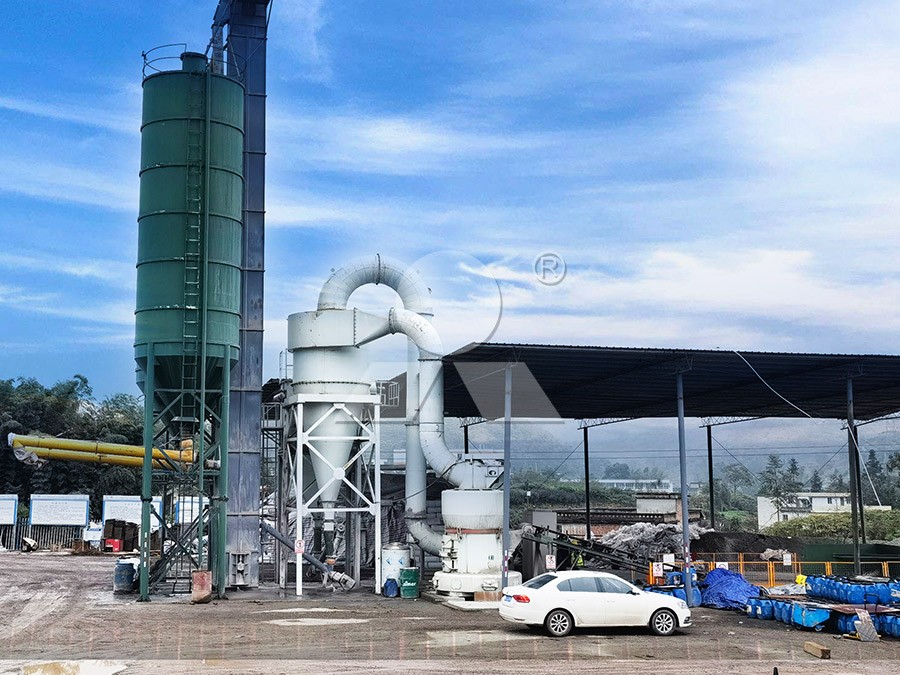
Key Features of Liming’s Grinding Mills for 300 Mesh Pyrophyllite
Our MW Ultrafine Grinding Mill is engineered to handle materials like pyrophyllite with precision. Here’s why it excels for 300 mesh applications:
Higher Yielding, Lower Energy Consumption
The MW Ultrafine Grinding Mill utilizes newly designed grinding curves on the rollers and rings, boosting production capacity by 40% compared to jet or stirred mills. For pyrophyllite, this means you can achieve 300 mesh fineness at a throughput of up to 25 tph, depending on feed size (0–20 mm). Energy consumption is only 30% of a jet mill, making it a cost-effective solution for large-scale operations.
Adjustable Fineness Between 325–2500 Meshes
Equipped with a German-engineered cage-type powder selector, the MW mill allows precise fineness adjustment. For pyrophyllite, you can easily lock in 300 mesh (or finer grades) with a screening rate achieving d97 ≤ 5μm in a single pass. This eliminates the need for secondary classification, streamlining your production line.
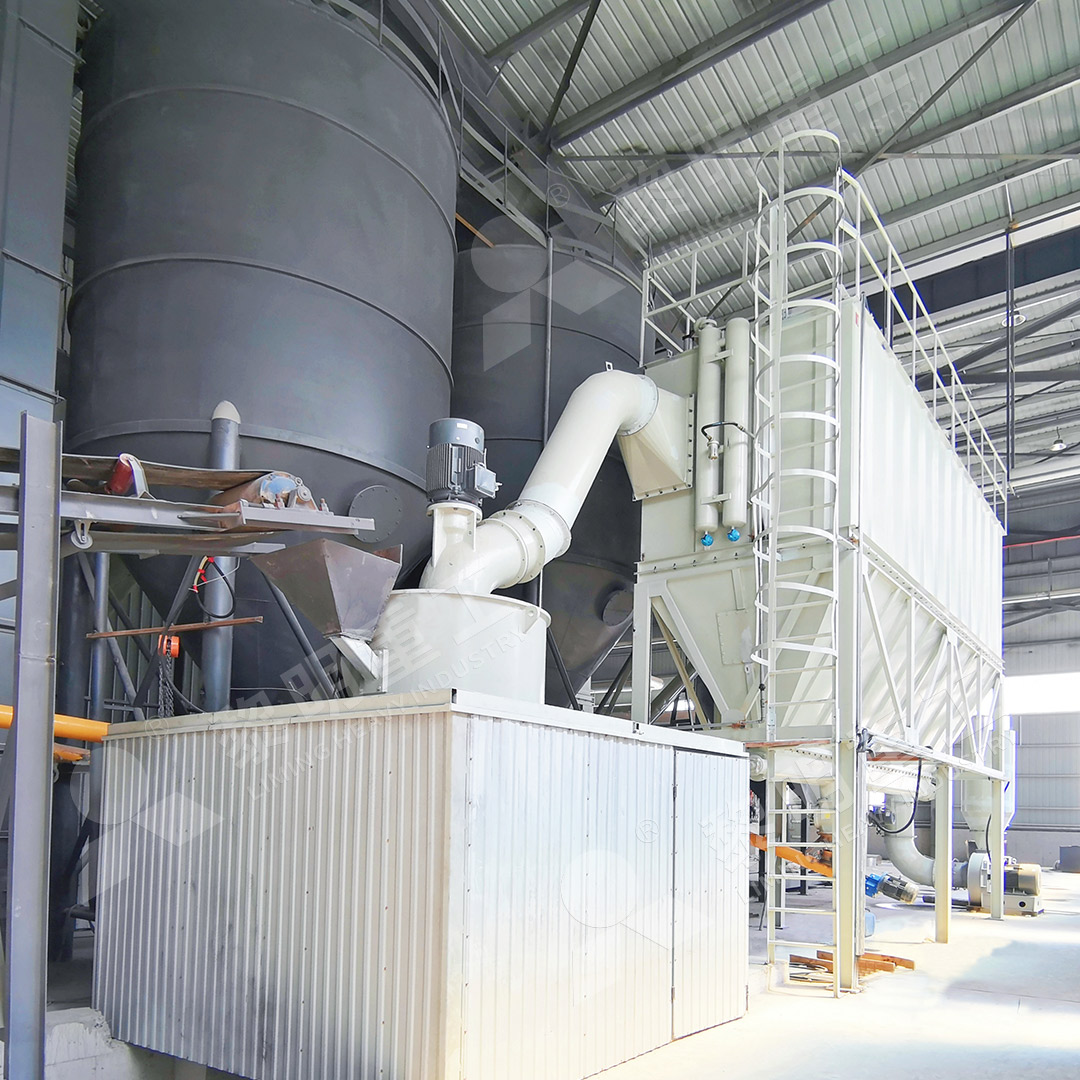
No Rolling Bearings or Screws in Grinding Chamber
Traditional mills often suffer from bearing failures or loose screws, leading to downtime. The MW mill eliminates these components inside the chamber, ensuring uninterrupted operation. A lubricating device outside the main shaft allows for external lubrication without shutdowns, enabling 24-hour continuous production—ideal for meeting high-demand pyrophyllite orders.
Eco-Friendly Operation
The MW mill integrates an efficient pulse dust collector and silencers, ensuring no dust pollution or excessive noise during operation. This aligns with modern environmental standards, crucial for facilities located near residential areas or in regions with strict emission regulations. The entire system operates under negative pressure, capturing 99.9% of fine particles.
Alternative Recommendations: LUM Ultrafine Vertical Grinding Mill
For operations prioritizing space-saving and ultra-fine output, the LUM Ultrafine Vertical Grinding Mill is an excellent alternative. With an input size of 0–10 mm and capacity of 5–18 tph, it combines Taiwan grinding roller technology with German powder separation. Its reversible structure simplifies maintenance, while the double position-limiting technology prevents vibration damage, ensuring stable operation even with variable feed quality.
Case Study: Pyrophyllite Processing with LUM Mill
A client in the ceramics industry replaced their ball mill with a LUM mill for 300 mesh pyrophyllite grinding. They reported a 30% reduction in energy costs and a 20% increase in yield due to the mill’s material bed grinding principle, which minimizes over-grinding and iron contamination. The final product’s whiteness improved by 15%, a critical factor for high-end ceramic glazes.
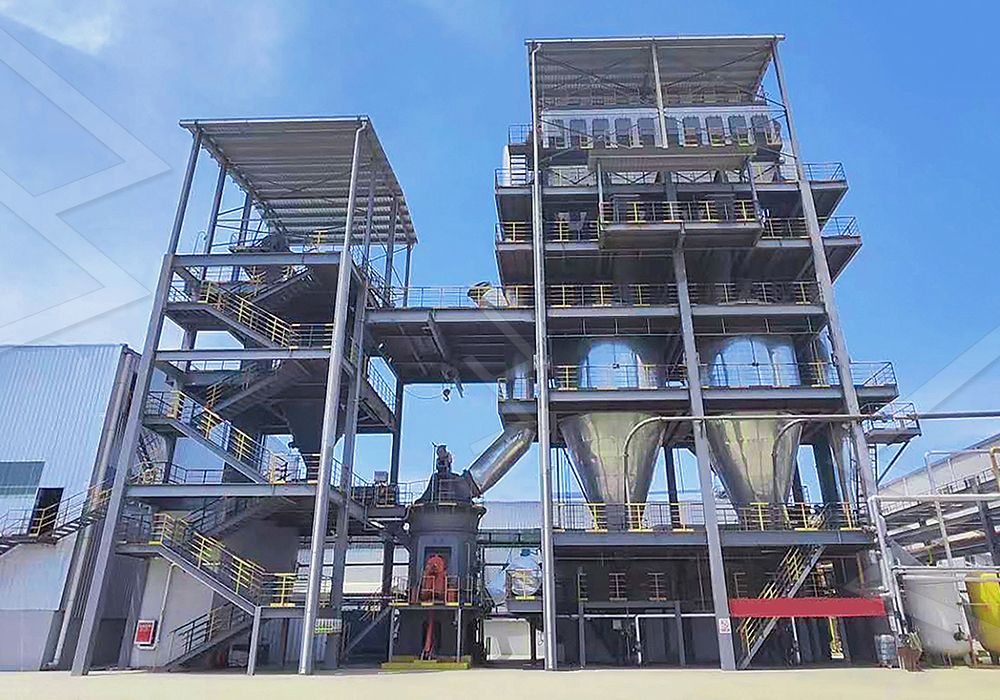
Optimizing the Grinding Process for 300 Mesh
To achieve consistent 300 mesh output, consider these factors when using our mills:
- Feed Size Control: Keep raw pyrophyllite below 20 mm (MW) or 10 mm (LUM) using a jaw crusher or hammer crusher. Oversized particles reduce efficiency and strain the mill.
- Moisture Management: Pyrophyllite typically has low moisture (<5%), but if higher, use the mill’s integrated drying feature (hot air from the blower) to prevent clogging.
- Separator Speed Adjustment: For 300 mesh, set the cage rotor speed between 800–1200 rpm, depending on desired throughput. Our PLC system allows real-time adjustments from a remote control.
- Roller Pressure: For MW mill, maintain hydraulic pressure at 6–8 MPa to balance grinding force and wear life. Over-pressurizing can lead to excessive fines and energy waste.
Maintenance and Longevity
Both MW and LUM mills incorporate digitalized processing for core parts, with CNC machining ensuring tolerances within 0.01 mm. This precision translates to longer service life for rollers and rings—up to 2.5 times that of traditional materials. Liming provides original spare parts and technical support globally, minimizing downtime. Replace rollers and rings every 6–12 months (depending on usage) and check the dust collector filters quarterly.
Cost-Benefit Analysis
Investing in a dedicated mill for 300 mesh pyrophyllite offers rapid payback. Our MW mill, for instance, costs approximately 20% more than a traditional ball mill but delivers 40% higher capacity and 50% lower energy consumption. Including savings from reduced maintenance and labor, the ROI period is typically under 18 months for operations processing over 10,000 tons annually.
Conclusion
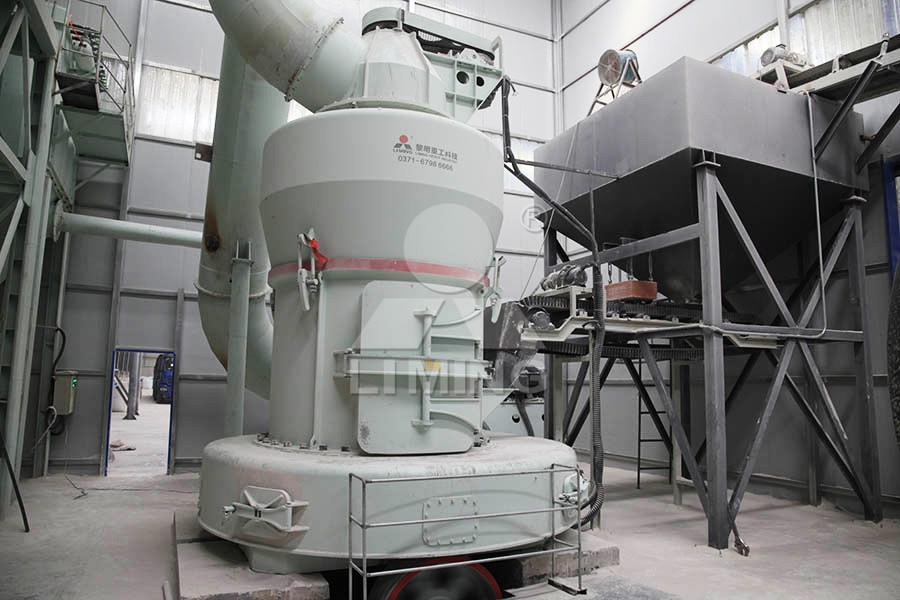
Whether you choose the MW Ultrafine Grinding Mill for its high capacity and low energy use, or the LUM Ultrafine Vertical Grinding Mill for its compact design and maintenance ease, Liming Heavy Industry delivers reliable solutions for 300 mesh pyrophyllite processing. Our mills are built to last, backed by decades of experience and a commitment to innovation. Contact us for a site evaluation and customized recommendation tailored to your specific capacity and fineness requirements.
Frequently Asked Questions (FAQs)
1. Can these mills handle pyrophyllite with high silica content?
Yes, both MW and LUM mills can process pyrophyllite with up to 70% silica content. However, we recommend using wear-resistant alloy rollers (standard on our mills) and monitoring wear rates quarterly. Silica accelerates abrasion, so preventive maintenance is key.
2. What is the typical power consumption for grinding pyrophyllite to 300 mesh?
For an MW mill operating at 15 tph, power consumption ranges from 250–350 kWh per ton, depending on feed moisture and hardness. The LUM mill averages 220–300 kWh per ton due to its energy-efficient vertical design.
3. How long does it take to switch from 300 mesh to a finer setting like 600 mesh?
Switching fineness requires adjusting the separator rotor speed and possibly the feed rate. Our PLC system enables changes in under 10 minutes, with stabilization achieved within 30 minutes of operation. No mechanical modifications are needed.
4. Can I use the same mill for other materials, like limestone or talc?
Absolutely. Both mills are versatile and can process limestone, calcite, dolomite, and talc. For materials softer than pyrophyllite, reduce roller pressure to avoid over-grinding. For harder materials like barite, increase pressure and consider a pre-crusher for feed sizes above 20 mm.
5. What is the warranty period for the MW and LUM mills?
Liming offers a standard 1-year warranty on all grinding mills, covering manufacturing defects in core components like rollers, rings, and bearings (excluding normal wear parts). Extended warranties are available upon request.
6. Do these mills require specialized installation foundation?
Yes, both mills require a reinforced concrete foundation to absorb vibration. For the MW mill, a 3 x 4 meter base with 1.5-meter depth is typical. Liming provides detailed foundation drawings and on-site installation guidance.
7. How often should I replace the grinding rollers for pyrophyllite?
With weekly operation (8 hours/day, 5 days/week), rollers last 9–12 months for 300 mesh grinding. Signs of wear include reduced capacity (over 10% drop) or increased power consumption. Liming stocks replacement rollers for immediate shipment.
8. Is dust collection mandatory for these mills?
While not mandatory in all regions, we strongly recommend using the integrated pulse dust collector to comply with environmental regulations. It captures 99.9% of airborne particles, improving workplace safety and reducing material loss (up to 2% recovery).