
Gypsum Processing with 80-425 Mesh Fineness from Liming Heavy Industry Grinding Mills
We provide a wide range of mills — including Raymond mill, trapezoidal mill, vertical mill, ultrafine mill, and ball mill, obtained ISO9001 international quality certification, EU CE certification, and Customs Union CU-TR certification. Suitable for processing minerals such as limestone, phosphate, quicklime, kaolin, talc, barite, bentonite, calcium carbonate, dolomite, coal, gypsum, clay, carbon black, slag, cement raw materials, cement clinker, and more.
The discharge range of these mills can be adjusted to meet specific processing needs, typically from 80-400 mesh, 600-3250 mesh, and can achieve the finest particle size of up to 6000 mesh(D50).
If you are looking for a reliable grinding solution to turn stone or minerals into fine powder, please feel free to contact our online customer service.
Introduction to Gypsum Milling: Why Fineness Matters
Gypsum, a soft sulfate mineral composed of calcium sulfate dihydrate, is one of the most versatile materials in construction, agriculture, and industrial manufacturing. When processed into powder with fineness ranging from 80 to 425 mesh, it becomes the backbone of products like plasterboard, cement retarder, soil conditioner, and even medical casts. But achieving consistent, high-quality powder at this specific mesh range is no small feat. It demands grinding equipment that balances throughput, energy efficiency, and precision.
At Liming Heavy Industry, we have spent decades refining our grinding technologies to meet these exact needs. Whether you are a small plaster plant or a large-scale gypsum board manufacturer, the right mill can make or break your production line. In this article, we will dive deep into how our grinding mills handle gypsum processing with 80-425 mesh fineness, and why our MW Ultrafine Grinding Mill and LUM Ultrafine Vertical Grinding Mill stand out in this field.
Understanding the 80-425 Mesh Range in Gypsum Processing
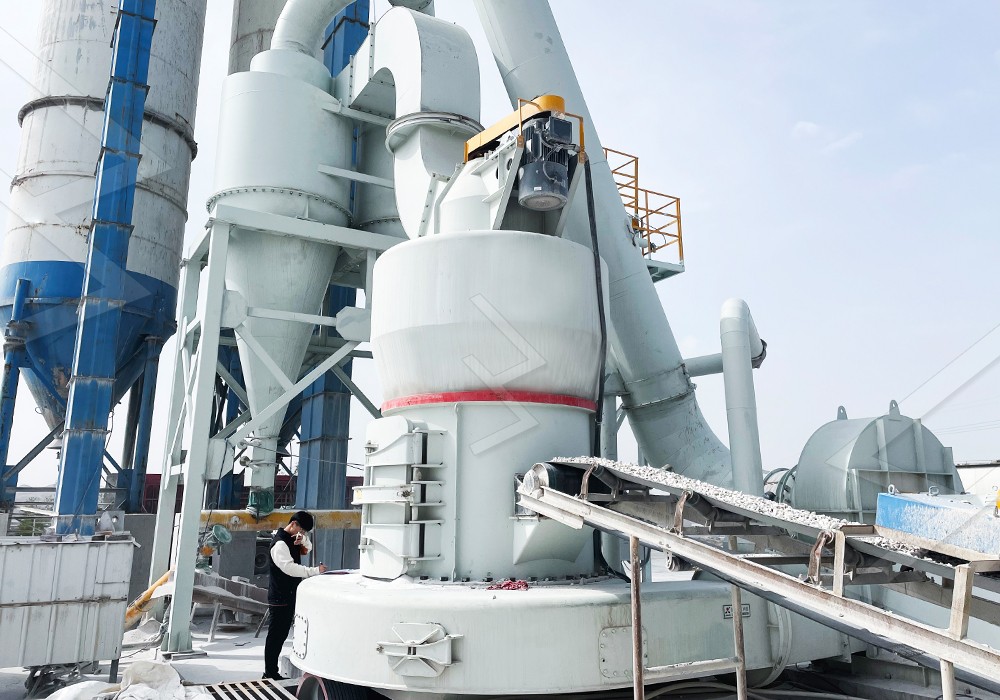
Mesh size refers to the number of openings per linear inch in a sieve. For gypsum, 80 mesh means particles are roughly 177 microns, while 425 mesh brings them down to about 33 microns. This range covers a broad spectrum of applications: coarser powders (80-150 mesh) are often used in agriculture for soil amendment, while finer powders (200-425 mesh) are preferred in construction for plaster and joint compounds.
Processing gypsum to this fineness requires equipment that can handle the material’s inherent moisture content and softness. Too much heat during grinding can cause the gypsum to dehydrate into anhydrite, ruining its chemical properties. Our mills are designed with controlled grinding environments to prevent this. For example, the MW Ultrafine Grinding Mill features an efficient pulse dust collector and muffler, ensuring that the entire process remains dust-free and temperature-regulated. This is critical when you need to maintain the purity and consistency of the final product.
Our Recommended Solution: MW Ultrafine Grinding Mill
For gypsum processing with 80-425 mesh fineness, the MW Ultrafine Grinding Mill is a top contender. With an input size of 0-20 mm and a capacity of 0.5-25 tph, it is ideal for small to medium-scale operations. What sets this mill apart is its ability to adjust fineness between 325 and 2500 meshes, giving you flexibility beyond the standard range. However, for the 80-425 mesh requirement, it operates with remarkable efficiency.
The mill’s cage-type powder selector, based on German technology, ensures high precision in powder separation. This means you can achieve a screening rate of d97≤5μm once, which is rare in traditional mills. Additionally, the absence of rolling bearings and screws in the grinding chamber eliminates common maintenance headaches. The lubricating device is installed externally, allowing for 24-hour continuous operation without shutdown for lubrication. For a gypsum plant running around the clock, this is a game-changer.
Another Powerful Option: LUM Ultrafine Vertical Grinding Mill
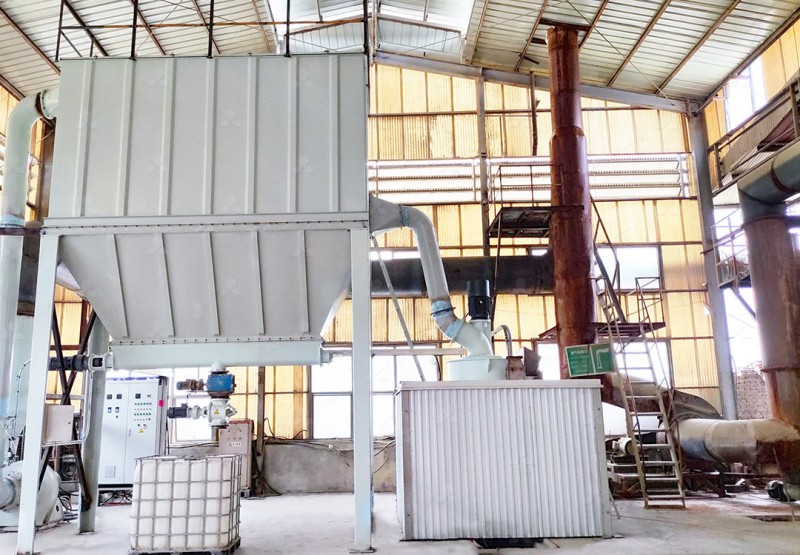
If your operation demands higher throughput and a more compact footprint, the LUM Ultrafine Vertical Grinding Mill is worth considering. With an input size of 0-10 mm and a capacity of 5-18 tph, it integrates grinding, grading, and transporting into one system. This mill is particularly effective for gypsum because it minimizes material lingering time, reducing the risk of over-grinding and heat buildup.
The LUM mill features unique roller shell and lining plate grinding curves, which make it easier to form a material layer. This design ensures a high rate of finished products in a single pass, enhancing efficiency. Its multi-head powder separating technology, combined with a PLC control system, allows you to precisely adjust the grinding pressure and speed. For gypsum producers who need to switch between different mesh sizes quickly, this flexibility is invaluable. Moreover, the mill’s reversible structure simplifies maintenance, allowing operators to check and replace roller shells without lengthy downtime.
Key Considerations for Gypsum Grinding Efficiency
When grinding gypsum to 80-425 mesh, several factors influence the final outcome. First, the feed material should be relatively dry. While our mills can handle some moisture, pre-dried gypsum (with less than 5% moisture content) yields better results. Second, the hardness of gypsum is around 2 on the Mohs scale, which is soft. This means wear and tear on grinding rollers and rings is generally low, but using wear-resistant alloys—like those in our mills—extends service life by 1.7 to 2.5 times compared to traditional materials.
Another critical factor is airflow. The MW and LUM mills both use advanced air duct designs to reduce resistance and improve material dispersion. For instance, the MTW European Trapezium Mill uses cambered air ducts, but for the specific needs of 80-425 mesh gypsum, the MW mill’s pulse dust collector and the LUM mill’s air-swept system are more effective. They prevent dust pollution and maintain a clean working environment, which is increasingly important given strict environmental regulations.
Real-World Performance and Energy Savings
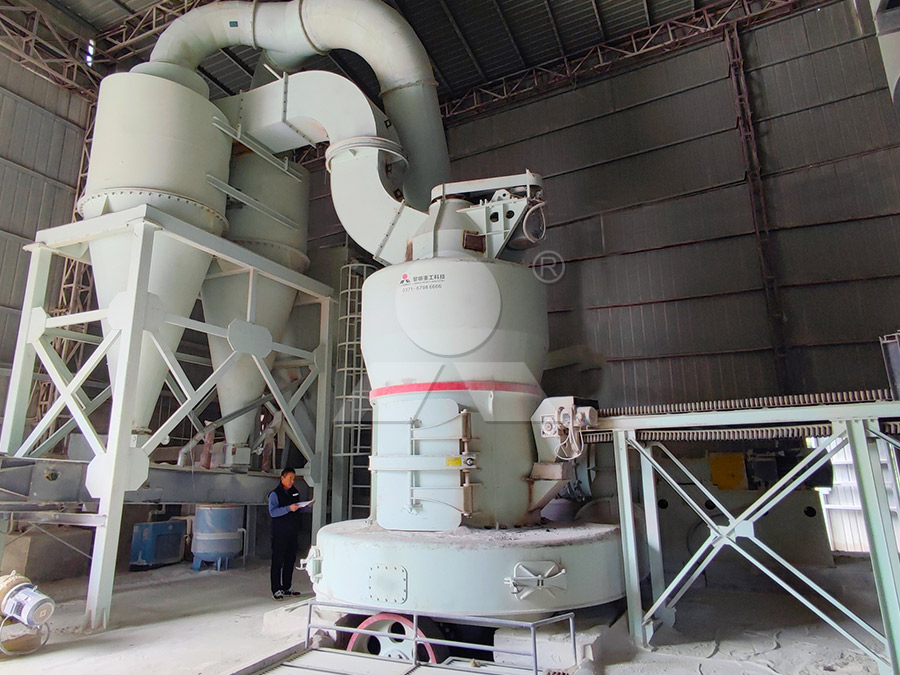
In actual installations, our customers have reported significant improvements after switching to Liming equipment. For example, a gypsum board plant in Southeast Asia replaced its ball mill with an MW Ultrafine Grinding Mill and saw a 40% increase in production capacity for the same power consumption. The system energy consumption dropped to only 30% of their previous jet mill setup. This translates into direct cost savings on electricity and maintenance.
Another customer processing agricultural gypsum for soil conditioner used the LUM Ultrafine Vertical Grinding Mill. They needed a consistent 150-mesh product, and the mill delivered with a 30-50% reduction in energy usage compared to their old equipment. The digitalized processing, with CNC-controlled components, ensured that every batch met their specifications. These are not isolated cases; they reflect the engineering philosophy behind our products: higher yielding, lower energy consumption, and worry-free operation.
Maintenance and Support: Keeping Your Line Running
One of the biggest concerns for plant managers is downtime. Gypsum processing is often time-sensitive, especially in construction seasons. Liming Heavy Industry addresses this with a sufficient supply of spare parts and technical services. Both the MW and LUM mills are designed with maintenance in mind. The LUM mill’s reversible structure allows you to turn out the grinding roller for inspection without disassembling the entire machine. The MW mill, with its external lubrication system, keeps production going even during routine maintenance.
We also provide operator training and remote support. Our team understands that every gypsum deposit has unique characteristics—some are purer, others contain impurities like clay or silica. We help you fine-tune the mill parameters to match your raw material. This partnership approach ensures that you get the most out of your investment.
Conclusion: Choosing the Right Mill for Your Gypsum Needs
Processing gypsum to 80-425 mesh fineness is a demanding task, but with the right equipment, it becomes a straightforward and profitable operation. Liming Heavy Industry offers two excellent options: the MW Ultrafine Grinding Mill for flexibility and precision, and the LUM Ultrafine Vertical Grinding Mill for high efficiency and integration. Both machines are engineered to handle the specific challenges of gypsum, from moisture control to particle size consistency.
If you are evaluating new grinding equipment, consider your production volume, available space, and desired fineness range. For most operations, the MW mill provides the best balance of cost, capacity, and quality. For larger plants with higher throughput demands, the LUM mill is a robust choice. Whichever you choose, you are backed by a company with decades of experience and a commitment to keeping your production running smoothly.
Frequently Asked Questions (FAQs)
- Can the MW Ultrafine Grinding Mill handle gypsum with high moisture content?
While the MW mill can handle materials with up to 5-6% moisture, we recommend pre-drying gypsum to below 3% for optimal performance in the 80-425 mesh range. Higher moisture can cause clogging in the grinding chamber. - What is the typical power consumption for grinding gypsum from 80 to 425 mesh?
For the MW mill, power consumption ranges from 8 to 15 kWh per ton, depending on the target fineness. The LUM mill is slightly more efficient, consuming 7-12 kWh per ton for similar outputs. - How often do I need to replace the grinding rollers and rings?
With wear-resistant alloy parts, you can expect a service life of 1,500 to 2,500 hours for gypsum. This translates to approximately 6-12 months of continuous operation, depending on your feed rate and abrasiveness. - Can I use the same mill for both coarse 80-mesh and fine 425-mesh gypsum?
Yes. Both the MW and LUM mills allow easy adjustment of powder separator speed and grinding pressure. Switching between mesh sizes takes only a few minutes, making them ideal for multi-product plants. - Does the mill require a special foundation or external structure?
The MW mill has a small footprint and can be installed on a standard concrete foundation. The LUM mill is more compact and can even be arranged outdoors, reducing construction costs. - What after-sales support does Liming offer for these mills?
We provide full technical support, including installation guidance, operator training, and a reliable supply of original spare parts. Our team is available for remote diagnostics and on-site visits when needed. - Is the grinding process environmentally safe?
Absolutely. Both mills are equipped with efficient pulse dust collectors and silencers. The entire system operates under negative pressure, ensuring no dust leaks into the environment. Our designs meet international emission standards. - Can I integrate these mills with existing crushing and conveying systems?
Yes. The mills are designed to work with standard feeding equipment like elevators and vibrating feeders. Our engineers can help you design a customized flow sheet for your plant.
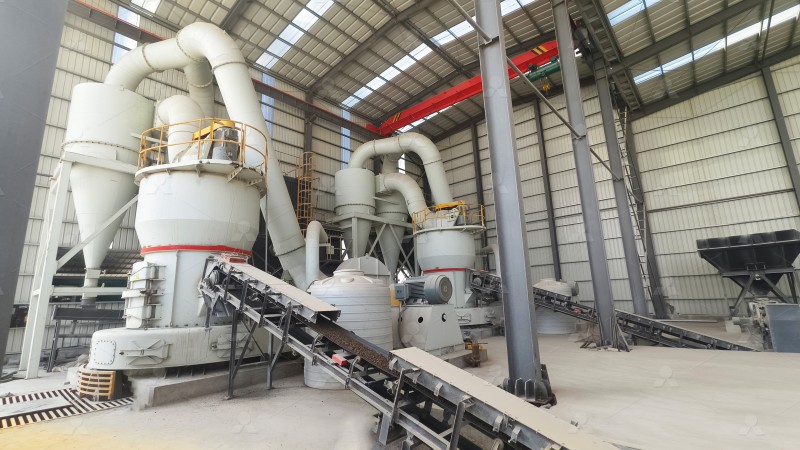
Note: All images are for illustrative purposes only. Actual product specifications and performance may vary based on application conditions.