
The Role and Applications of Super Pressure Trapezium Grinding Mill in Industrial Milling
We provide a wide range of mills — including Raymond mill, trapezoidal mill, vertical mill, ultrafine mill, and ball mill, obtained ISO9001 international quality certification, EU CE certification, and Customs Union CU-TR certification. Suitable for processing minerals such as limestone, phosphate, quicklime, kaolin, talc, barite, bentonite, calcium carbonate, dolomite, coal, gypsum, clay, carbon black, slag, cement raw materials, cement clinker, and more.
The discharge range of these mills can be adjusted to meet specific processing needs, typically from 80-400 mesh, 600-3250 mesh, and can achieve the finest particle size of up to 6000 mesh(D50).
If you are looking for a reliable grinding solution to turn stone or minerals into fine powder, please feel free to contact our online customer service.
Introduction to Super Pressure Trapezium Grinding Mill
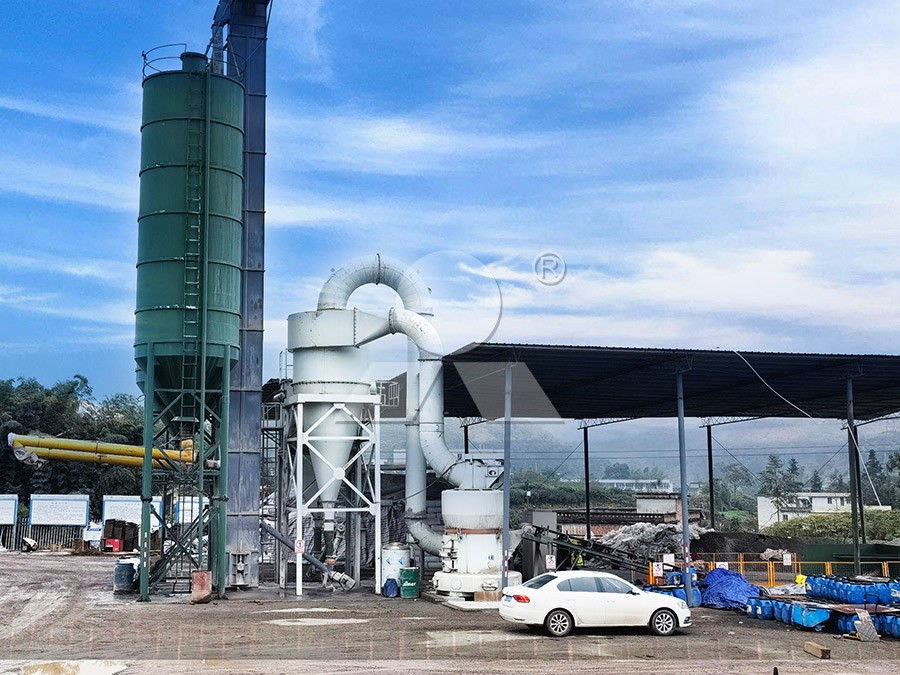
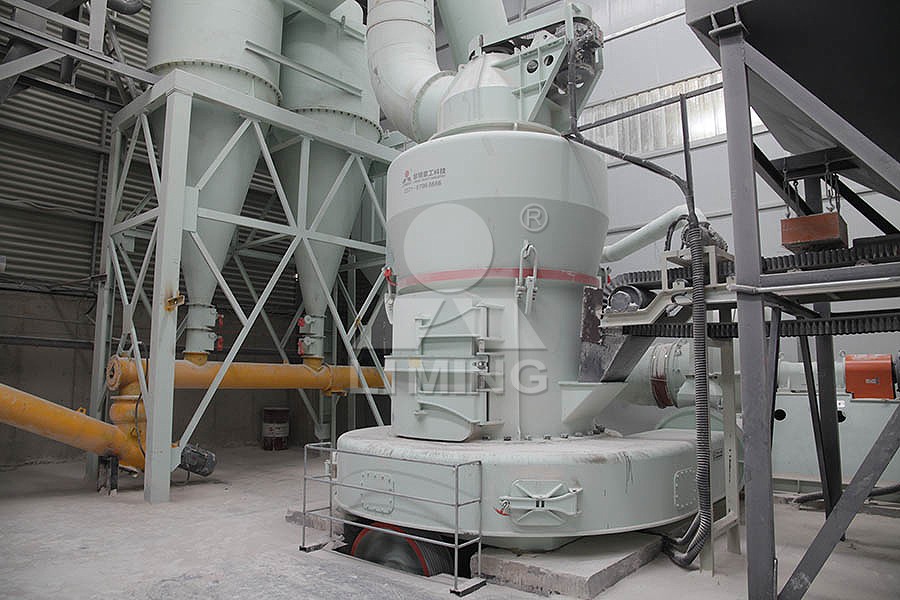
In the world of industrial milling, efficiency and precision are not just goals—they are requirements. The Super Pressure Trapezium Grinding Mill, often referred to as the TGM series, represents a significant leap forward in powder processing technology. Designed by Liming Heavy Industry, this mill integrates five proprietary technologies that address the most common pain points in grinding operations: high energy consumption, excessive wear, and inconsistent product fineness. It is engineered for materials with Mohs hardness up to 9 and humidity below 10%, making it suitable for a wide range of non-flammable and non-explosive materials.
Core Role in Industrial Milling
The primary role of the Super Pressure Trapezium Grinding Mill is to convert bulk materials into fine or ultra-fine powders with high efficiency and low operational costs. Unlike traditional ball mills or Raymond mills, the TGM mill employs a trapezium-shaped grinding roller and ring. This design reduces the sliding speed of materials, extends the rolling time, and ultimately improves the fineness and yield of the final product. The machine is particularly effective in industries such as metallurgy, building materials, chemicals, mining, and power plant desulfurization.
Key Applications Across Industries
One of the most common applications is in the production of limestone and calcite powders for construction and environmental protection. The mill is also widely used for grinding barite, marble, talc, gypsum, and petroleum coal. In the chemical industry, it processes materials for paint, cosmetics, medicine, and food additives. The ability to adjust fineness between 325 and 2500 mesh makes it a versatile tool for manufacturers who need consistent quality across different product lines.
For operations requiring ultra-fine powder, we recommend the MW Ultrafine Grinding Mill. It handles input sizes up to 20 mm and capacities from 0.5 to 25 tph. Its cage-type powder selector, based on German technology, ensures a screening rate of d97≤5μm in a single pass. This mill is especially useful for customers in the pharmaceutical and cosmetic sectors where purity and particle size distribution are critical.
Technical Advantages That Drive Performance
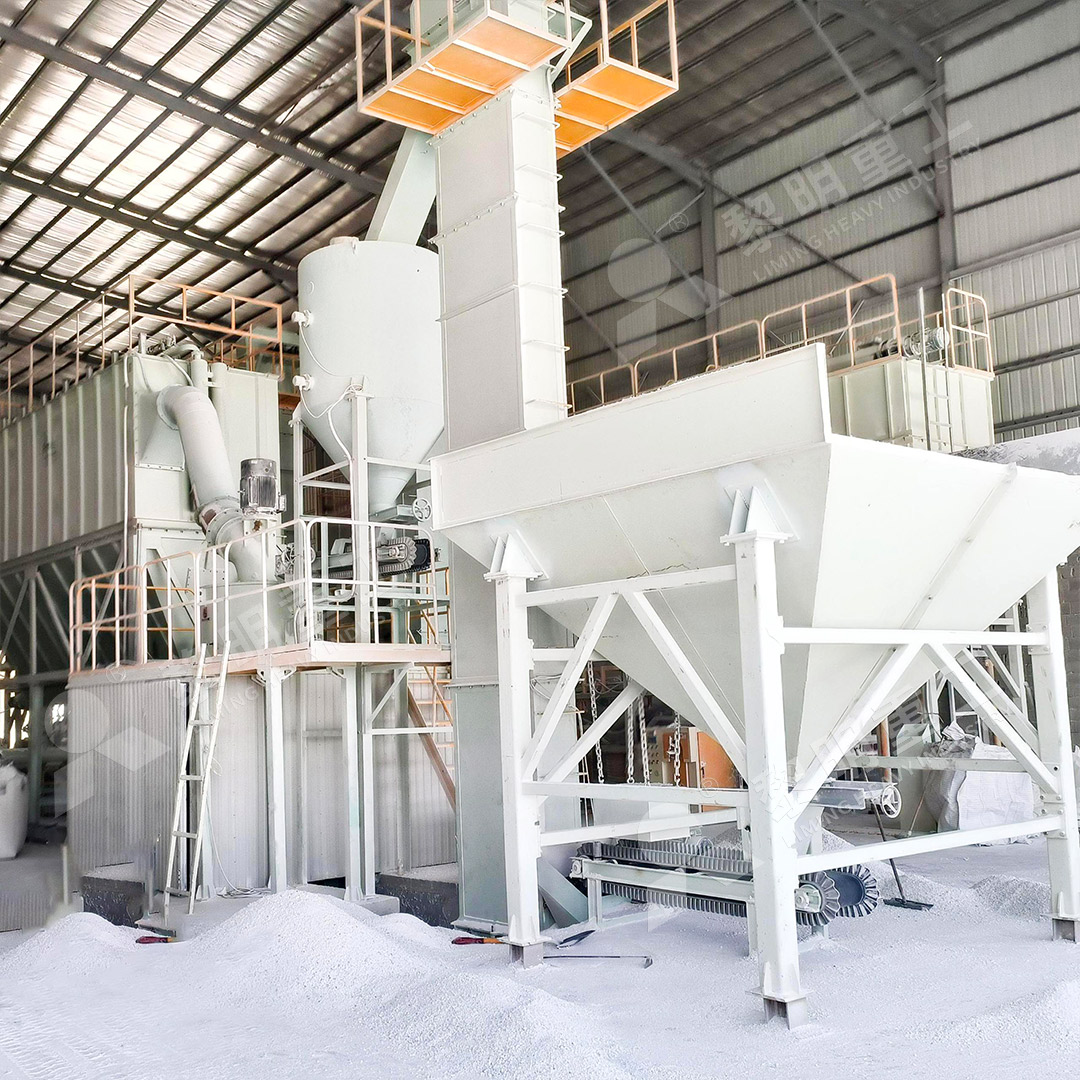
The Super Pressure Trapezium Grinding Mill features a high-density and high-precision impeller device, which increases capacity by up to 50% compared to conventional mills. The flexible connection between the mainframe and the base reduces vibration and noise, extending the service life of the equipment. Additionally, the efficient powder sorting device improves capacity by 10% to 15% under the same power consumption. These innovations directly translate into lower operating costs and higher return on investment.
For larger-scale operations, the LUM Ultrafine Vertical Grinding Mill is an excellent alternative. It integrates grinding, grading, and transporting in one unit, with a capacity range of 5 to 18 tph. The double position-limiting technology prevents destructive impacts, ensuring stable operation even under heavy loads. This mill is ideal for processing non-metal ores like marble, limestone, and talc into superfine dry powder.
Environmental and Operational Considerations
Modern industrial milling must comply with strict environmental standards. The TGM mill is equipped with efficient pulse dust collectors and mufflers, which minimize dust emissions and noise levels. The entire system operates under negative pressure, preventing any leakage of fine particles. This makes the mill suitable for installation in residential areas or environmentally sensitive zones. Furthermore, the use of wear-resistant alloys for grinding rollers and rings extends the replacement cycle, reducing waste and maintenance downtime.
Working Principle
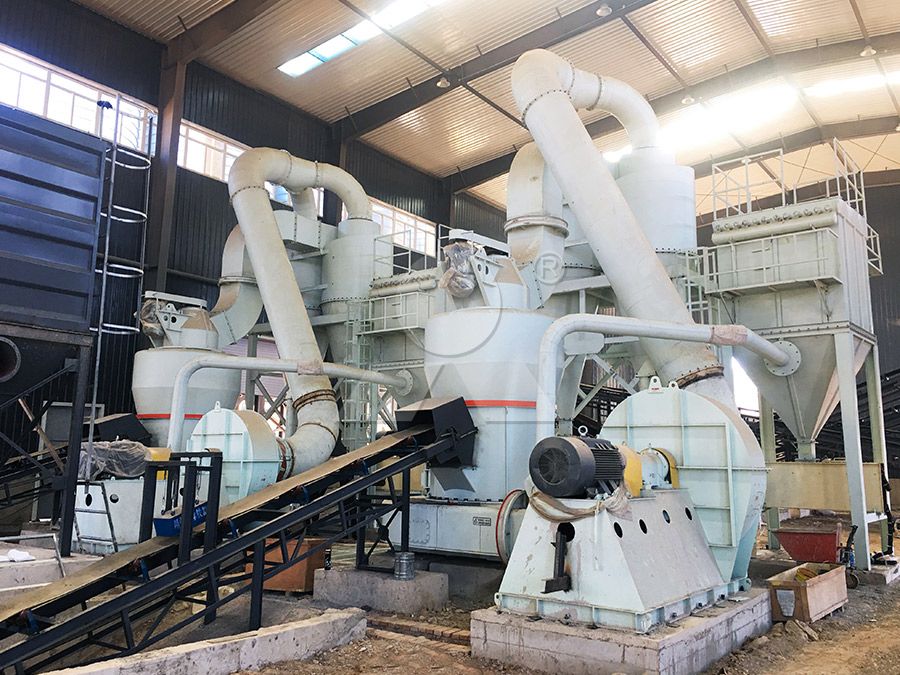
The working process begins with large materials being crushed by a jaw crusher to the required size. The crushed materials are then elevated to a storage hopper via a bucket elevator. From there, a vibrating feeder sends the material evenly and continuously into the grinding chamber. Inside the chamber, the grinding roller and ring apply pressure to crush and grind the material. The ground powder is carried upward by airflow to a powder separator. Coarse particles are returned for re-grinding, while fine particles pass through and are collected in a cyclone powder collector. The final product is discharged through a valve, and the air is recycled through the blower.
Conclusion
The Super Pressure Trapezium Grinding Mill has proven itself as a reliable, efficient, and environmentally friendly solution for industrial milling. Whether you are processing limestone for construction, barite for oil drilling, or talc for cosmetics, this mill delivers consistent results. For those seeking even higher fineness and lower energy consumption, the MW Ultrafine and LUM series offer specialized capabilities. As industries continue to demand finer powders and greener operations, the TGM mill remains a cornerstone of modern powder processing.
Frequently Asked Questions (FAQ)
1. What materials can the Super Pressure Trapezium Grinding Mill process?
It can process non-flammable and non-explosive materials with Mohs hardness up to 9 and humidity below 10%, including limestone, calcite, barite, marble, talc, gypsum, and petroleum coal.
2. What is the typical capacity range of the TGM mill?
The TGM mill has a capacity range of 3 to 36 tons per hour, depending on the material characteristics and required fineness.
3. How does the TGM mill compare to a traditional ball mill?
The TGM mill offers higher capacity (up to 50% more) and lower energy consumption due to its trapezium design and efficient powder sorting device. It also produces a more uniform particle size.
4. Can the TGM mill be used for ultra-fine grinding?
Yes, the TGM mill can achieve fineness up to 2500 mesh (5 microns) with the appropriate configuration, making it suitable for ultra-fine applications in cosmetics and pharmaceuticals.
5. What maintenance is required for the TGM mill?
Regular inspection of grinding rollers and rings is recommended. The mill uses wear-resistant alloys, which extend service life. The flexible connection and pulse dust collector also reduce maintenance needs.
6. Is the TGM mill environmentally friendly?
Yes, it is equipped with a pulse dust collector and muffler, and operates under negative pressure to prevent dust leakage. It meets international environmental standards.
7. What is the input size requirement for the TGM mill?
The recommended input size is 25 to 40 mm after primary crushing by a jaw crusher.
8. Can the TGM mill handle materials with high moisture content?
The mill is designed for materials with less than 10% humidity. For higher moisture, a drying system may be required upstream.
9. Which Liming product is best for ultra-fine powder production?
The MW Ultrafine Grinding Mill is specifically designed for ultra-fine powder, with a fineness range of 325 to 2500 mesh and a capacity of 0.5 to 25 tph.
10. How long is the warranty for the TGM mill?
Liming offers a standard warranty and provides technical support, spare parts, and maintenance services throughout the machine’s lifecycle.