
Stone Mill Grinding Equipment: Advanced Solutions for Efficient Industrial Powder Processing
We provide a wide range of mills — including Raymond mill, trapezoidal mill, vertical mill, ultrafine mill, and ball mill, obtained ISO9001 international quality certification, EU CE certification, and Customs Union CU-TR certification. Suitable for processing minerals such as limestone, phosphate, quicklime, kaolin, talc, barite, bentonite, calcium carbonate, dolomite, coal, gypsum, clay, carbon black, slag, cement raw materials, cement clinker, and more.
The discharge range of these mills can be adjusted to meet specific processing needs, typically from 80-400 mesh, 600-3250 mesh, and can achieve the finest particle size of up to 6000 mesh(D50).
If you are looking for a reliable grinding solution to turn stone or minerals into fine powder, please feel free to contact our online customer service.
Stone Mill Grinding Equipment: Advanced Solutions for Efficient Industrial Powder Processing
In the modern industrial landscape, the demand for high-quality powdered materials is ever-increasing. From fine chemicals and pharmaceuticals to construction materials and food additives, the ability to produce consistent, ultra-fine powders is a critical factor in manufacturing success. Stone mill grinding equipment has evolved significantly from its traditional roots, incorporating advanced engineering and digital precision to meet the stringent requirements of today’s processing industries.
Choosing the right grinding mill is not merely a mechanical decision; it is a strategic one that impacts energy consumption, product quality, and overall operational costs. We have dedicated years to researching and refining our milling technologies, focusing on delivering solutions that balance high throughput with low energy expenditure. Our product lineup, including the MW Ultrafine Grinding Mill and the LUM Ultrafine Vertical Grinding Mill, represents the culmination of this effort, offering tailored solutions for a wide spectrum of material processing needs.
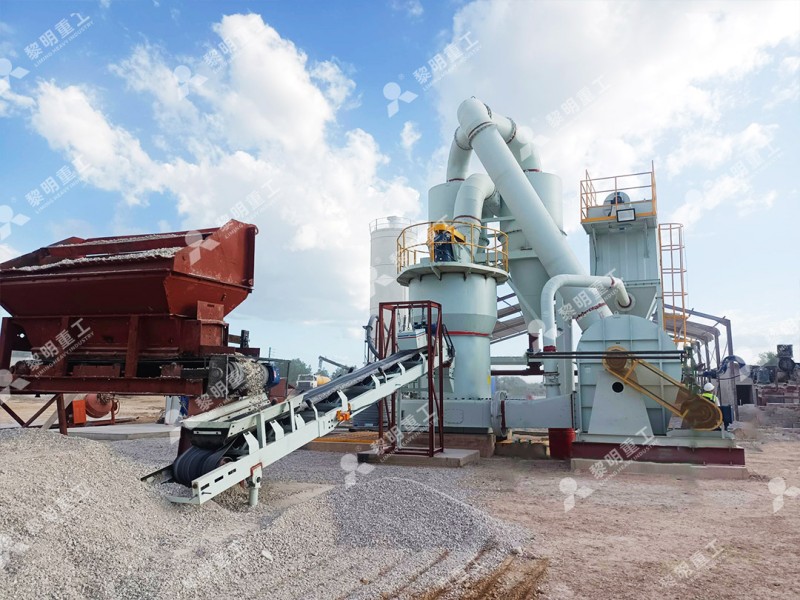
The Evolution of Grinding Technology: From Traditional Stones to Precision Engineering
Historically, stone mills relied on the sheer weight and friction of massive stones to break down grains and minerals. While effective for coarse work, these systems were inefficient, energy-hungry, and incapable of producing the fine, uniform particle sizes demanded by modern applications. The transition to advanced stone mill grinding equipment involved a complete rethinking of the grinding chamber, the power transmission system, and the classification of finished powders.
Today, we leverage Computer Numerical Control (CNC) machining for critical components. Our factory houses tens of lines of numerical controlling machine tools, governing operations from steel plate cutting and bending to milling and painting. This ensures that each grinding roller, ring, and powder selector meets exacting tolerances, resulting in machinery that operates with higher precision and greater reliability over its lifetime. This digitalized processing is the backbone of our commitment to quality and performance.
How Modern Stone Mills Achieve Higher Efficiency and Lower Energy Consumption
The core of any grinding system is its ability to transfer energy to the material effectively. Traditional ball mills, for instance, often waste a significant portion of energy through heat and noise. Our newer designs focus on creating optimized grinding curves and leveraging material bed grinding principles. For example, the MW Ultrafine Grinding Mill features newly designed grinding curves for its rollers and rings. This design boosts grinding efficiency, allowing it to achieve a production capacity 40% higher than that of a jet mill or stirred mill under the same fineness and power conditions. Its yield is twice as large as a ball mill, yet its system energy consumption is only 30% of a jet grinding mill.
Similarly, the LUM Ultrafine Vertical Grinding Mill addresses the issues of material lingering and repeated grinding, which plague traditional equipment. By using a specially designed roller shell and lining plate curve, the LUM mill promotes efficient material layer formation and a high finished product rate in a single pass. This not only enhances working efficiency but also improves the whiteness and cleanliness of the final product, a crucial factor in industries like paint and cosmetics. The LUM mill also incorporates a PLC control system and multi-head powder separating technology, which together can reduce energy consumption by 30% to 50% compared to common grinding mills.
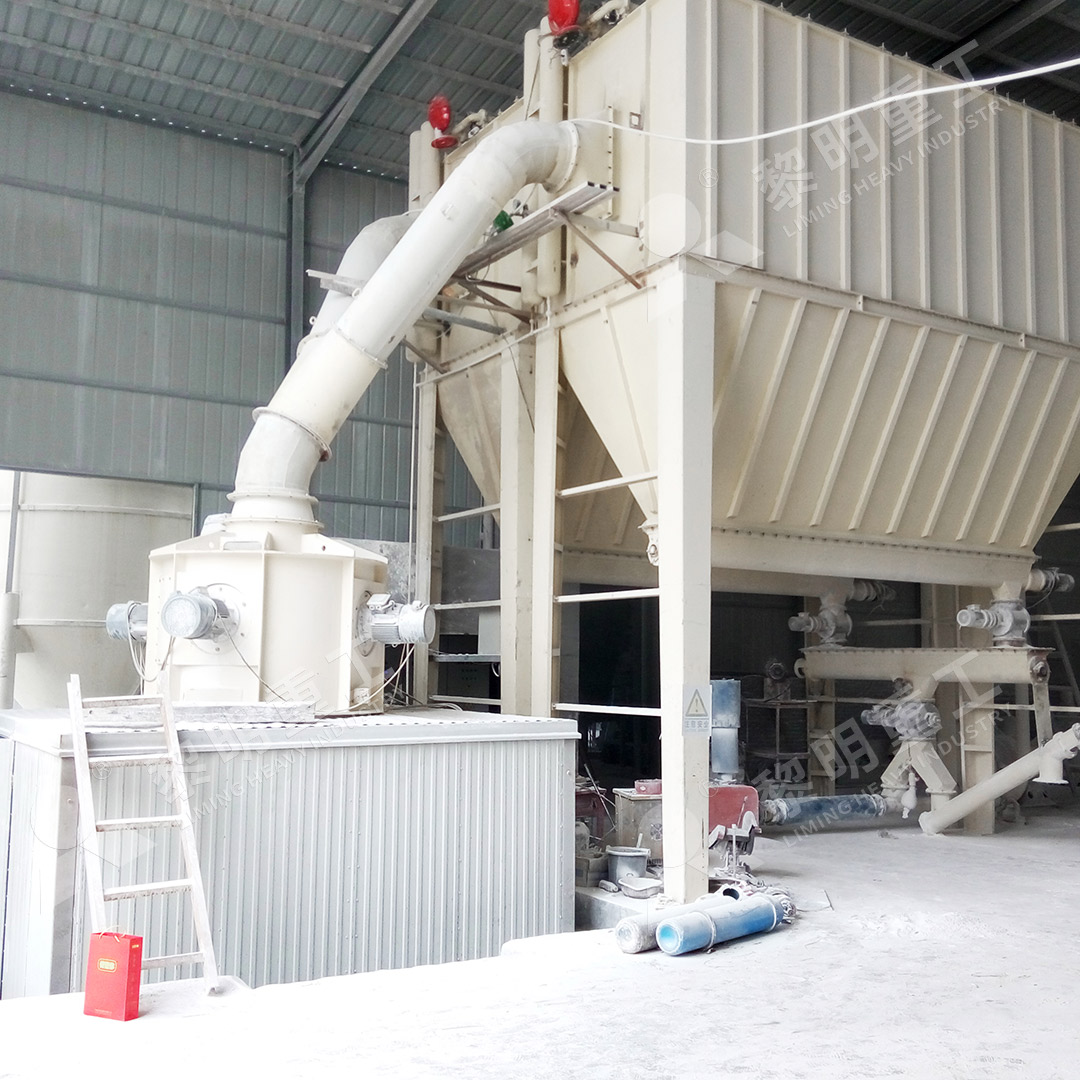
Environmental Considerations and Operational Safety
Environmental compliance is no longer optional; it is a fundamental requirement for any industrial operation. Our grinding systems are designed with the environment and operator safety in mind. The MW Ultrafine Grinding Mill is a prime example of this. It comes standard with an efficient pulse dust collector and a muffler. The entire milling system operates without generating dust pollution, and the noise levels are significantly reduced to meet strict national environmental protection standards.
Operational safety extends beyond emissions to the mechanical integrity of the machine. The LUM Ultrafine Vertical Grinding Mill employs double position-limiting technology—both electronic and mechanical limiting protection. This prevents the destructive impact that can occur when a grinding roller collides with the millstone due to machine vibration, a common issue when processing hard materials or dealing with explosive mine feeds. This technology guarantees stable operation and protects the machine’s core components.
We also focus on reducing maintenance downtime. The LUM mill features a reversible structure with a hydraulic adjustment system, allowing operators to easily swing the grinding roller out of the body for inspection and replacement of wear parts. The MW mill eliminates rolling bearings and screws inside the grinding chamber, meaning no worries about bearing damage or loose screws. Its lubricating device is mounted externally, enabling lubrication without shutdown and allowing for continuous 24-hour production.
Precision Classification: Achieving Fineness from 325 to 2500 Mesh
The ability to control the particle size distribution of the final product is a hallmark of advanced grinding equipment. Traditional classifiers often struggle with precision, leading to either over-grinding or an inconsistent product. Our mills integrate high-performance cage-type powder selectors that incorporate German technologies.
For the MW Ultrafine Grinding Mill, the product fineness can be adjusted across a broad range from 325 mesh up to an ultra-fine 2500 mesh. The screening rate can achieve d97 ≤ 5μm in a single pass. This level of precision is invaluable for industries like medicine and food additives, where particle size directly affects solubility, reactivity, and texture. Whether you need a coarse granule for construction materials or an ultra-fine powder for high-end cosmetics, the system can be configured to your exact specifications.
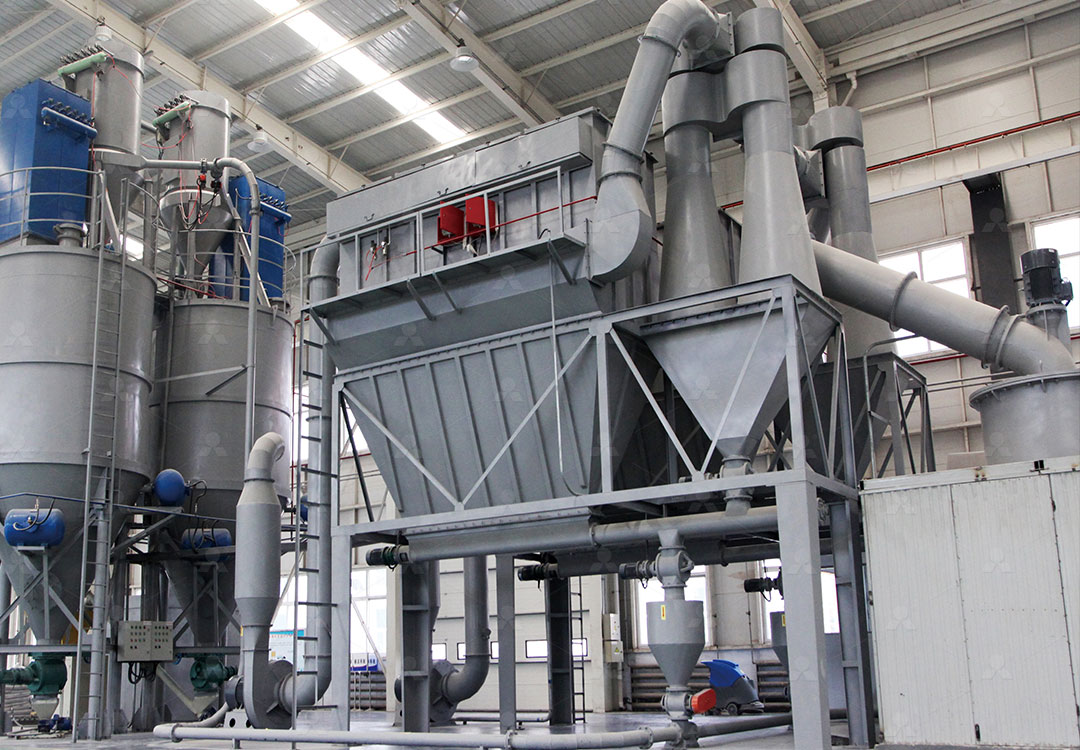
Selecting the Right Equipment for Your Specific Application
The variety of materials processed in industrial powder production is vast, ranging from soft minerals like talc and gypsum to harder materials like barite and limestone. No single mill is optimal for all tasks. Our product portfolio is designed to offer a range of solutions to match your material’s specific hardness, moisture content, and required output.
For projects requiring extremely high capacity and integrated drying, grinding, and classifying, equipment like the LM Vertical Grinding Mill (with capacities up to 340 tph) is an excellent choice. For more specialized needs, such as producing fine powders for the chemical industry or cosmetics, the MW Ultrafine or LUM Ultrafine mills are better suited. Each machine comes with a promise: sufficient supply of original spare parts and comprehensive technical services. We take responsibility for every machine we produce, ensuring a worry-free operation from installation through years of service.
Worry-Free Operation and Long-Term Support
Investing in a stone mill grinding system is a long-term commitment. The true cost of ownership is not just the initial purchase price but includes ongoing maintenance, spare parts, and technical support. We ensure that our customers have access to original spare parts and expert technical services. Our production and sales operations are fully integrated, meaning we stand behind our equipment. This commitment, combined with the robust, low-maintenance designs of our mills, provides our clients with confidence in their operations, whether they are processing limestone for cement or talc for cosmetics.
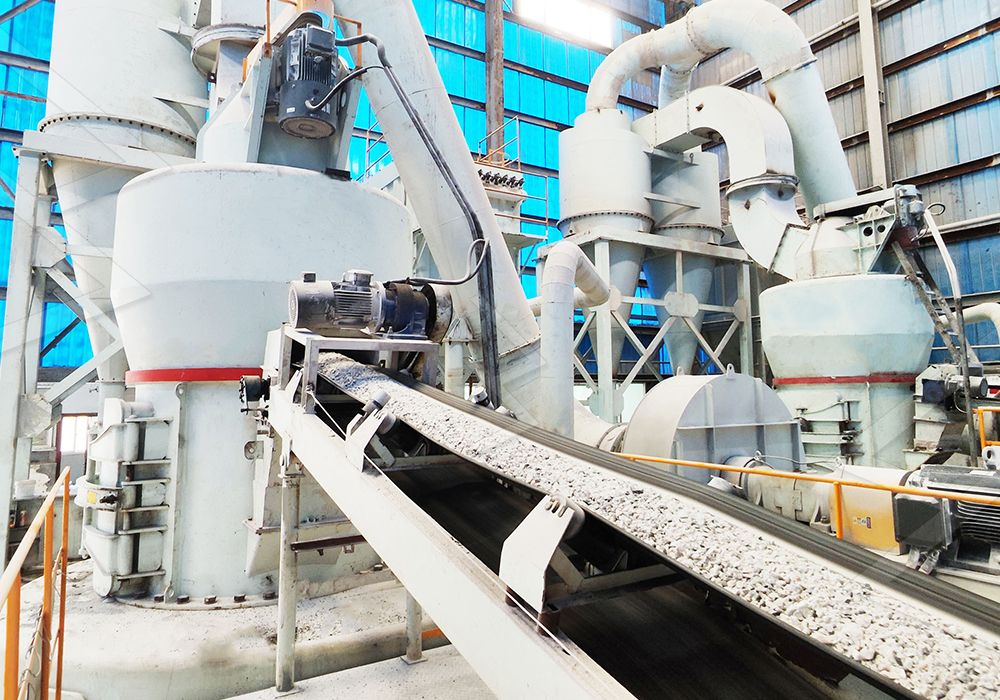
In conclusion, the modern stone mill is a sophisticated piece of equipment. By choosing an advanced solution from a dedicated manufacturer, you are not just buying a machine; you are investing in efficiency, product quality, and long-term operational stability. We invite you to explore our range and find the perfect partner for your powder processing needs.
Frequently Asked Questions (FAQs)
1. What is the typical input size for the MW Ultrafine Grinding Mill and LUM Ultrafine Vertical Grinding Mill?
The MW Ultrafine Grinding Mill can handle input sizes up to 0-20 mm, while the LUM Ultrafine Vertical Grinding Mill is designed for a slightly smaller feed of 0-10 mm. Pre-crushing with a jaw crusher or hammer crusher is usually required to achieve this size.
2. What fineness range can I expect from these ultrafine mills?
The MW Ultrafine Grinding Mill offers an adjustable fineness between 325 and 2500 mesh (approximately 44 to 5 microns). The LUM Ultrafine Vertical Grinding Mill is also designed for superfine dry powder, typically achieving similar ultra-fine ranges suitable for high-value applications.
3. How do these mills compare to traditional ball mills in terms of energy consumption?
Both the MW and LUM mills offer significant energy savings. The MW mill consumes only about 30% of the energy of a jet mill and is far more efficient than a ball mill. The LUM mill reduces energy consumption by 30% to 50% compared to common grinding mills, largely due to its material bed grinding principle and efficient classifier.
4. Are these grinding mills environmentally friendly?
Yes. They are equipped with efficient pulse dust collectors that ensure no dust pollution during operation. They are also fitted with mufflers and noise elimination features to reduce noise pollution, operating in full compliance with national environmental protection standards.
5. What kind of materials can be processed with these mills?
They are suitable for a wide range of non-metallic minerals, including limestone, calcite, dolomite, barite, marble, talc, gypsum, and petroleum coal. They are ideal for industries like chemical processing, paint, cosmetics, medicine, and food additives, provided the materials are non-flammable and non-explosive (with a Mohs hardness under 9 and humidity less than 10%).
6. How are wear parts (like rollers and rings) maintained?
The LUM mill features a reversible structure that allows the heavy grinding roller to be easily moved out of the machine for inspection and replacement of the roller shell and liner plate. The MW mill eliminates rolling bearings and screws inside the chamber, reducing main wear points. Wear parts are made from high-chromium or special alloy materials for extended life.
7. Can the fineness be adjusted while the machine is operating?
Yes. The fineness is controlled by adjusting the rotating speed of the rotor in the powder concentrator. The PLC control system on the LUM mill allows for precise adjustments to grinding pressure and speed, enabling quick switches between different production demands.
8. What after-sales support and spare parts availability can I expect?
We provide full technical services and original spare parts for all machines we produce. Our integrated business model ensures that we take responsibility for our equipment, offering worry-free operation and support for the lifetime of the machine.