
Efficient Ore Crushing and Grinding Equipment for Mineral Processing Plants
We provide a wide range of mills — including Raymond mill, trapezoidal mill, vertical mill, ultrafine mill, and ball mill, obtained ISO9001 international quality certification, EU CE certification, and Customs Union CU-TR certification. Suitable for processing minerals such as limestone, phosphate, quicklime, kaolin, talc, barite, bentonite, calcium carbonate, dolomite, coal, gypsum, clay, carbon black, slag, cement raw materials, cement clinker, and more.
The discharge range of these mills can be adjusted to meet specific processing needs, typically from 80-400 mesh, 600-3250 mesh, and can achieve the finest particle size of up to 6000 mesh(D50).
If you are looking for a reliable grinding solution to turn stone or minerals into fine powder, please feel free to contact our online customer service.
Introduction: The Heart of Mineral Processing
In the demanding world of mineral processing, the efficiency of crushing and grinding directly dictates the profitability and operational viability of a plant. The objective is clear: liberate valuable minerals from the gangue at the coarsest possible particle size. Achieving this requires equipment that balances high throughput, low energy consumption, and precise particle size control. Modern operations can no longer afford the operational drag of outdated machinery. They require solutions that offer not just power, but precision, reliability, and environmental stewardship. This article delves into the core principles and technologies that define state-of-the-art grinding equipment, drawing on decades of engineering experience to guide plant managers and operators toward optimizing their comminution circuits.
Overcoming Traditional Comminution Challenges
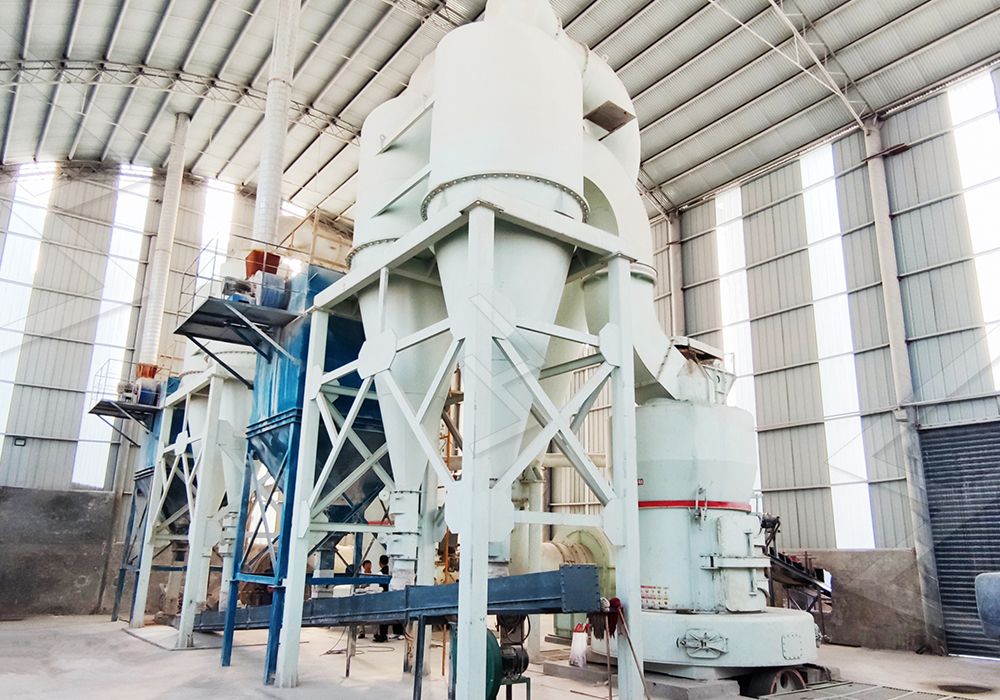
Traditional ball mills, while ubiquitous, suffer from significant drawbacks: high energy consumption, excessive floor space requirements, and excessive wear on components. The energy inefficiency is particularly acute; a substantial portion of the power drawn is lost to heat and noise rather than effective size reduction. Furthermore, the mechanical complexity of older systems, with numerous rolling bearings and screws inside the grinding chamber, introduces frequent maintenance points and potential failure modes. A loose screw can halt production for hours. A damaged bearing seal can lead to catastrophic contamination of the lubricating oil and subsequent machine damage. The modern approach pivots toward integrated, streamlined designs. By eliminating these internal weak points and adopting advanced lubrication and sealing strategies, contemporary mills achieve dramatically higher uptime and lower operating costs.
The Rise of Ultrafine and Vertical Roller Mill Technologies
Two dominant technologies have emerged to meet the needs of modern mineral processing: ultrafine grinding mills and vertical roller mills (VRM). Ultrafine mills, such as the MW Ultrafine Grinding Mill, are the go-to solution when final product fineness is the paramount concern. Designed for materials like limestone, calcite, and barite, this mill can achieve a fineness adjustable between 325 and 2500 mesh, with a screening rate that can hit d97 ≤ 5μm in a single pass. Its innovative grinding curve design boosts production capacity by 40% compared to jet or stirred mills, while consuming only 30% of the energy. The absence of rolling bearings and screws inside the grinding chamber eliminates a major source of mechanical failure, ensuring worry-free operation. The built-in pulse dust collector and muffler make it an eco-friendly choice, meeting stringent national environmental standards.
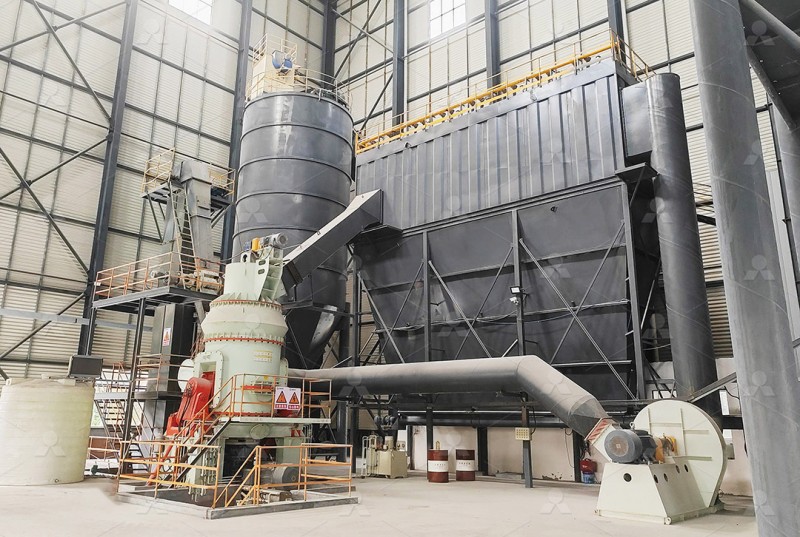
For applications demanding higher capacity and robust, continuous operation, vertical roller mills are the industry standard. The LUM Ultrafine Vertical Grinding Mill exemplifies this class. With an input size of 0-10 mm and a capacity of 5-18 tph, it integrates grinding, grading, and transporting into a single, efficient unit. The LUM mill features a unique reversible structure for the heavy grinding roller, which, combined with a hydraulic adjustment system, allows operators to easily move the roller out of the body for maintenance—dramatically reducing downtime. Its double position-limiting technology prevents destructive impact between the roller and millstone, ensuring stable operation even under challenging feed conditions. The PLC control system and multi-head powder separating technology allow precise control over grinding pressure and speed, reducing energy consumption by 30-50% compared to conventional mills.
Selecting the Right Equipment for Your Application
The selection process hinges on several key parameters: feed material characteristics (hardness, abrasiveness, moisture content), desired throughput (tph), target product fineness, and total cost of ownership. For operations focused on ultra-fine powders for high-value applications in paint, cosmetics, or pharmaceuticals, an ultrafine mill is indispensable. Conversely, for large-scale operations processing cement raw materials, coal, or slag, a vertical mill offers superior economy and reliability. The table below summarizes the typical benefits:
| Feature | Ultrafine Mill (e.g., MW Series) | Vertical Mill (e.g., LUM Series) |
|---|---|---|
| Optimal Feed Size | 0-20 mm | 0-10 mm |
| Typical Capacity | 0.5-25 tph | 5-18 tph |
| Fineness Range | 325-2500 mesh (d97≤5μm) | Ultrafine (specific range depends on classifier) |
| Key Advantage | Highest fineness, low energy per ton for fine grinding | Stable operation, easy maintenance, efficient drying |
Operational Excellence and Maintenance Philosophy
Modern grinding mills are designed with maintenance in mind. The shift towards digitalized processing—where steel cutting, bending, and milling are controlled numerically—ensures high precision for core parts, leading to better fit and longer life. A crucial aspect of reducing downtime is the availability of spare parts. Taking responsibility for every machine produced means that original spare parts and technical services are readily available. For instance, the grinding rollers and rings made of wear-resistant alloy developed in collaboration with scientific institutes boast a service life 1.7 to 2.5 times longer than traditional manganese steel parts. Furthermore, the introduction of reversible structures and hydraulic roller turning-out devices allows a single operator to complete a roller shell replacement in a fraction of the time previously required, transforming maintenance from a major production interruption into a scheduled, routine procedure.
Conclusion: The Future is Integrated and Efficient
The evolution of crushing and grinding technology is a story of integration and efficiency. Equipment like the MW Ultrafine Grinding Mill and the LUM Ultrafine Vertical Grinding Mill represent the pinnacle of this evolution, offering solutions that are not only powerful but also intelligent and sustainable. By embracing these technologies, mineral processing plants can achieve higher yields, lower operating costs, and a smaller environmental footprint, ensuring their competitiveness in the global market. The key is to move beyond thinking of grinding as a simple power-intensive step and to view it as a finely tuned, integrated system where mechanical design, process control, and maintenance strategy work in harmony.
Frequently Asked Questions (FAQ)
1. How do I choose between an Ultrafine Grinding Mill and a Vertical Roller Mill?
The primary decision factor is final product fineness. Ultrafine mills (like the MW series) are designed for extremely fine powders (325 to 2500 mesh) and are ideal for high-value products. Vertical roller mills (like the LUM series) are better suited for higher capacity applications where the target fineness is moderately fine, and you require robust, continuous operation with lower energy consumption per ton.
2. What does it mean that there are “no rolling bearings or screws in the grinding chamber” of the MW Mill?
This is a key reliability feature. In traditional mills, bearings and screws inside the chamber are exposed to the grinding environment and abrasive dust. They are prone to failure, seal damage, and loosening, leading to costly repairs. The MW mill’s design places the main bearing and lubrication system outside the chamber, eliminating these common failure points and allowing for 24-hour continuous operation.
3. How does the LUM mill’s “reversible structure” make maintenance easier?
The grinding rollers in a vertical mill are heavy. The reversible structure, combined with a hydraulic system, allows the roller to be swung completely out of the grinding body. This provides operators with unobstructed access to replace the roller shell and liner plate without having to work in a confined space, significantly reducing the time and labor required for maintenance.
4. Can these mills handle moist or wet materials?
Yes, both the MW Ultrafine Grinding Mill and LUM Ultrafine Vertical Grinding Mill are designed to incorporate drying within the grinding process. Hot air can be introduced into the mill to simultaneously dry and grind materials with a certain moisture content, typically up to 5-10%. For materials with higher moisture, a separate drying step may be required before feeding.
5. How does the pulse dust collector contribute to a “greener” operation?
The pulse dust collector uses high-pressure air jets to efficiently clean the filter bags, maintaining a low pressure drop and high filtration efficiency. This system captures nearly 100% of the fine dust generated during grinding. The collected dust is then returned to the product stream, eliminating emissions and ensuring the entire milling system operates without environmental pollution.
6. What is the typical wear life for grinding rollers and rings in the MW Mill?
Wear life varies significantly based on the material being ground, its abrasiveness, the fineness setting, and operational parameters. For grinding soft to medium-hard materials like limestone or calcite, the wear-resistant alloy rollers and rings in LIMING mills can often last several thousand hours. For more abrasive materials like coal or barite, the life will be shorter, but still superior to traditional high-manganese steel components.
7. Do I need a separate crusher before the grinding mill?
Yes, for most applications. The MW Mill accepts a feed size of 0-20 mm, while the LUM Mill accepts 0-10 mm. Materials must be pre-crushed to this size. Standard practice is to use a jaw crusher or hammer crusher in front of the mill. The working principle of both systems includes this upstream crushing step for large lump materials.
8. How does the multi-head powder separator in the LUM mill improve efficiency?
The multi-head separator, combined with a PLC control system, allows for precise control over the cut point of the classifier. It can quickly switch between different production demands (e.g., different fineness grades) and maintain a consistent, high-precision powder diameter. This eliminates over-grinding of material that has already reached the target size, saving energy and improving throughput.