
China Gypsum Powder Grinding Mill: Key Equipment for Efficient Gypsum Processing
We provide a wide range of mills — including Raymond mill, trapezoidal mill, vertical mill, ultrafine mill, and ball mill, obtained ISO9001 international quality certification, EU CE certification, and Customs Union CU-TR certification. Suitable for processing minerals such as limestone, phosphate, quicklime, kaolin, talc, barite, bentonite, calcium carbonate, dolomite, coal, gypsum, clay, carbon black, slag, cement raw materials, cement clinker, and more.
The discharge range of these mills can be adjusted to meet specific processing needs, typically from 80-400 mesh, 600-3250 mesh, and can achieve the finest particle size of up to 6000 mesh(D50).
If you are looking for a reliable grinding solution to turn stone or minerals into fine powder, please feel free to contact our online customer service.
Introduction: The Role of Grinding Mills in Gypsum Processing
Gypsum, a mineral widely used in construction, agriculture, and industrial applications, requires precise processing to achieve the desired fineness and purity. The China Gypsum Powder Grinding Mill has emerged as a cornerstone in this industry, offering efficient solutions for transforming raw gypsum into high-quality powder. With advancements in technology, modern grinding mills integrate crushing, drying, grinding, and classifying into a single system, reducing operational costs and environmental impact. Among the leading equipment, the MW Ultrafine Grinding Mill and LUM Ultrafine Vertical Grinding Mill stand out for their exceptional performance in gypsum processing.
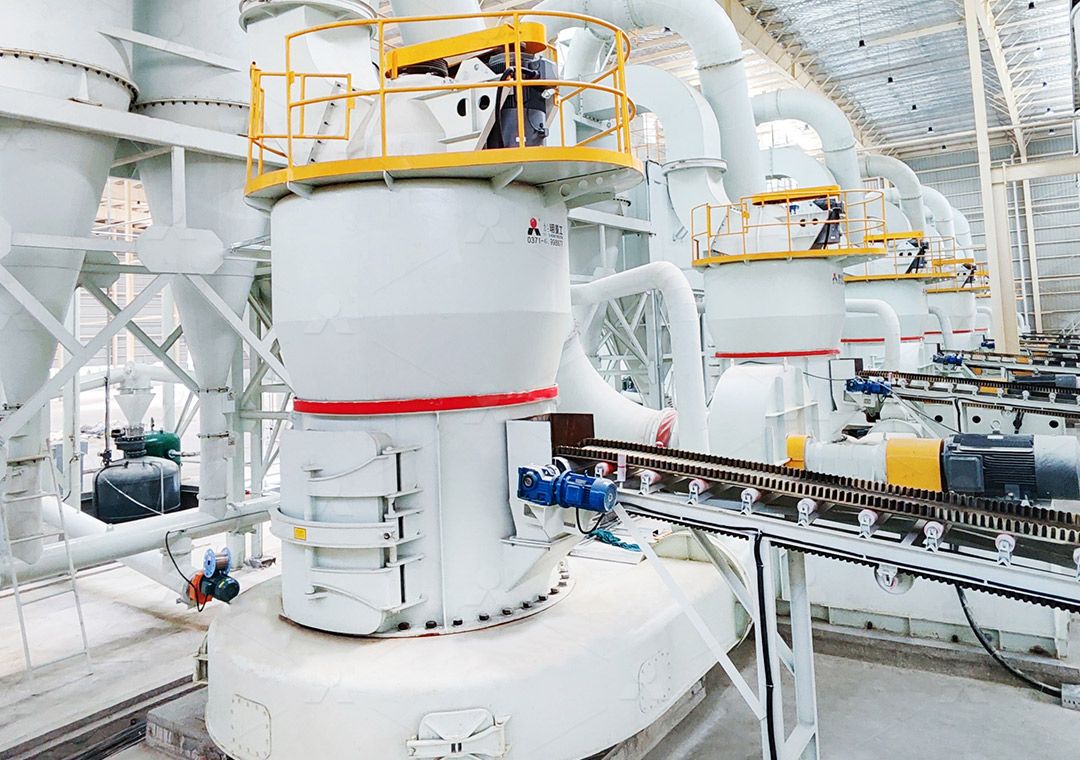
Why Choose a Gypsum Powder Grinding Mill?
Traditional methods for gypsum processing often involve multiple stages of crushing and grinding, leading to high energy consumption and inconsistent product quality. A dedicated gypsum powder grinding mill addresses these challenges by offering:
- High Efficiency: Advanced grinding curves and roller designs, as seen in the MW Ultrafine Grinding Mill, boost production capacity by up to 40% compared to jet mills, while energy consumption remains only 30% of that of conventional systems.
- Adjustable Fineness: For applications requiring ultra-fine powders, the fineness can be precisely controlled between 325 and 2500 meshes, with a screening rate achieving d97 ≤ 5 μm. This is critical for industries like cosmetics, medicine, and food additives.
- Environmental Compliance: Equipped with efficient pulse dust collectors and mufflers, these mills operate with minimal dust and noise pollution, meeting stringent national environmental standards.
Key Features of Leading Grinding Mills
When selecting a grinding mill for gypsum, several features ensure optimal performance. The LUM Ultrafine Vertical Grinding Mill, for example, integrates the latest Taiwan grinding roller technology and German powder separating technology. Key features include:
- Higher Yielding Rate, Better Quality: Unique roller shell and lining plate grinding curves prevent material lingering and reduce iron content, enhancing the whiteness and cleanliness of finished gypsum powder.
- Energy-Saving Multi-Head Powder Separating Technology: A PLC control system allows precise adjustments to grinding pressure and speed, reducing energy consumption by 30% to 50% compared to common mills.
- Stable Operation with Double Position-Limiting Technology: Electronic and mechanical limiting technologies protect against destructive impacts from vibrations, ensuring smooth, continuous production.
- Easy Maintenance with Reversible Structure: The grinding roller can be quickly moved out of the body for checks and replacements, minimizing downtime.
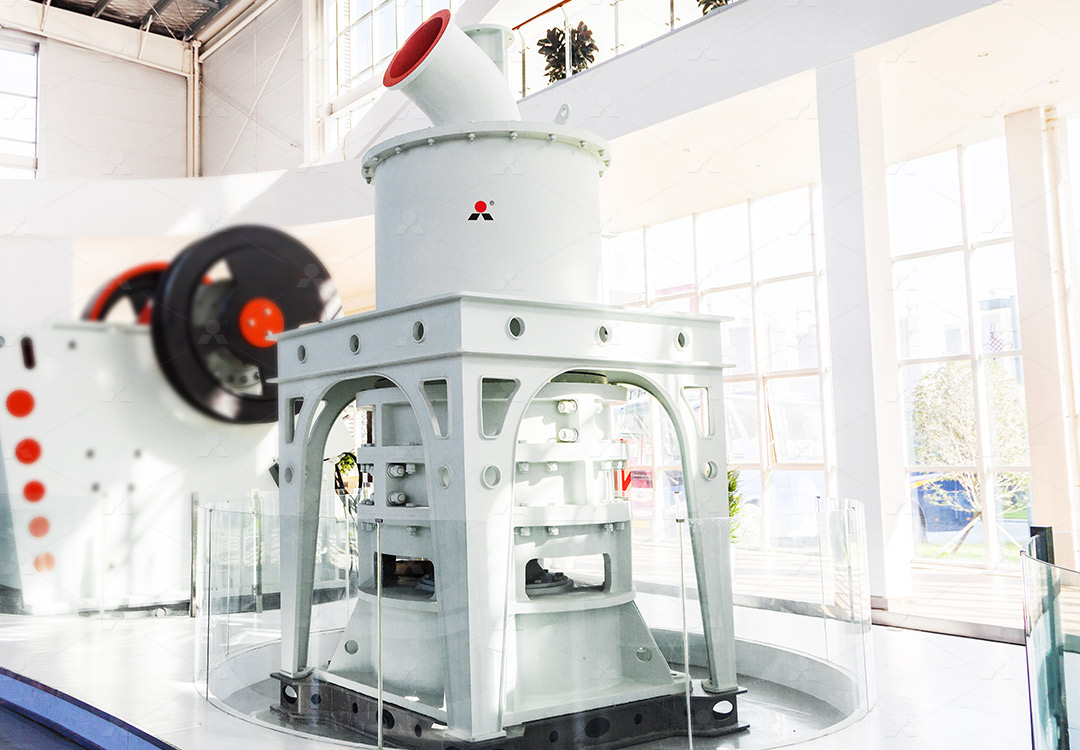
Product Recommendation: MW Ultrafine Grinding Mill
For gypsum processing requiring ultra-fine powder with high purity, the MW Ultrafine Grinding Mill is an excellent choice. With an input size of 0-20 mm and a capacity of 0.5-25 tph, it is designed for customers who demand efficiency and environmental responsibility. Its key advantages include:
- No Rolling Bearing or Screw in Grinding Chamber: Eliminates worries about bearing damage or loose screws, and the external lubricating device allows for 24-hour continuous operation.
- Digitalized Processing: CNC machine tools ensure high precision for core parts, from cutting to paint spraying.
- Sufficient Spare Parts Supply: LIMING takes responsibility for every machine, offering technical services and original spare parts for worry-free operation.
Working Principle: The motor drives the main shaft and turnplate via a reducer, causing rollers to rotate against the ring. Material crushed by a hammer crusher is fed into the mill, where centrifugal force pushes it into the raceway. After grinding in multiple stages, the powder is classified by a turbine separator, with coarse particles reground and fine powder collected via a cyclone.
Product Recommendation: LUM Ultrafine Vertical Grinding Mill
For medium-scale operations, the LUM Ultrafine Vertical Grinding Mill (input size: 0-10 mm, capacity: 5-18 tph) offers a compact, efficient solution. Its integration of grinding, grading, and transporting into one device makes it ideal for non-metal ore processing. Key benefits:
- Reversible Structure for Maintenance: Hydraulic adjustment allows the grinding roller to be swung out for easy inspection and replacement of wear parts.
- Lower Comprehensive Investment: The system occupies about 50% less area than ball mills, reducing construction costs.
- Automated Control: PLC systems enable remote control and precise parameter adjustments.
Working Principle: The main motor rotates the millstone, while air flow carries materials to the grinding zone. Rollers crush and extrude materials, forming a material bed. Fine powder is collected via the powder collector after passing through the separator, while impurities like iron are discharged through a slag opening.
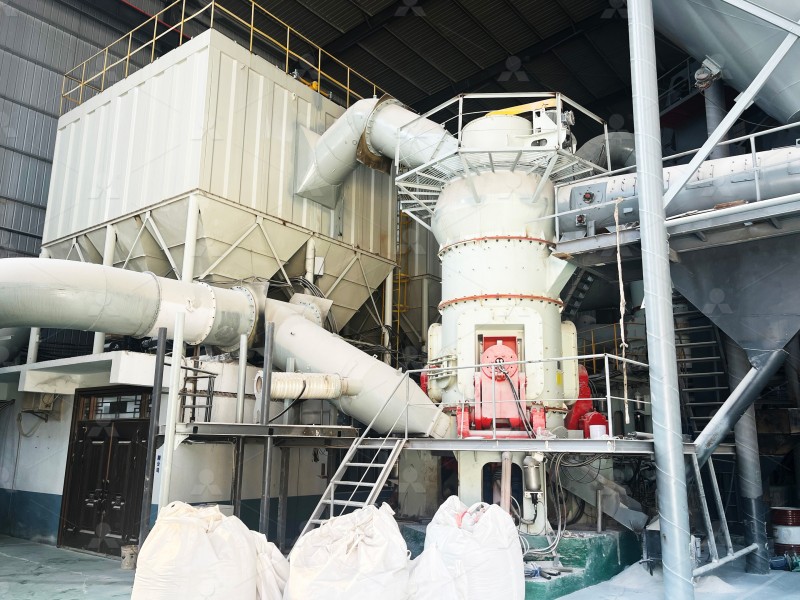
Applications in Gypsum Processing
Gypsum powder grinding mills are used in a wide range of applications:
- Construction: Producing high-fineness gypsum plaster for drywall, ceiling tiles, and decorative elements.
- Agriculture: Creating soil conditioners and fertilizers that improve crop yields.
- Industrial: Manufacturing additives for cement, paint, and cosmetics.
- Environmental: Processing waste gypsum from power plants and desulfurization systems.
Comparison with Traditional Mills
Compared to ball mills or jet mills, the newer grinding mills offer substantial advantages. For instance, the MW Ultrafine Grinding Mill yields twice the output of ball mills for the same power, while system energy consumption is only 30% of jet mills. The LUM Ultrafine Vertical Grinding Mill reduces energy usage by 30-50% compared to common mills, thanks to its multi-head powder separating technology. These improvements translate directly into lower operational costs and higher profitability for gypsum processors.
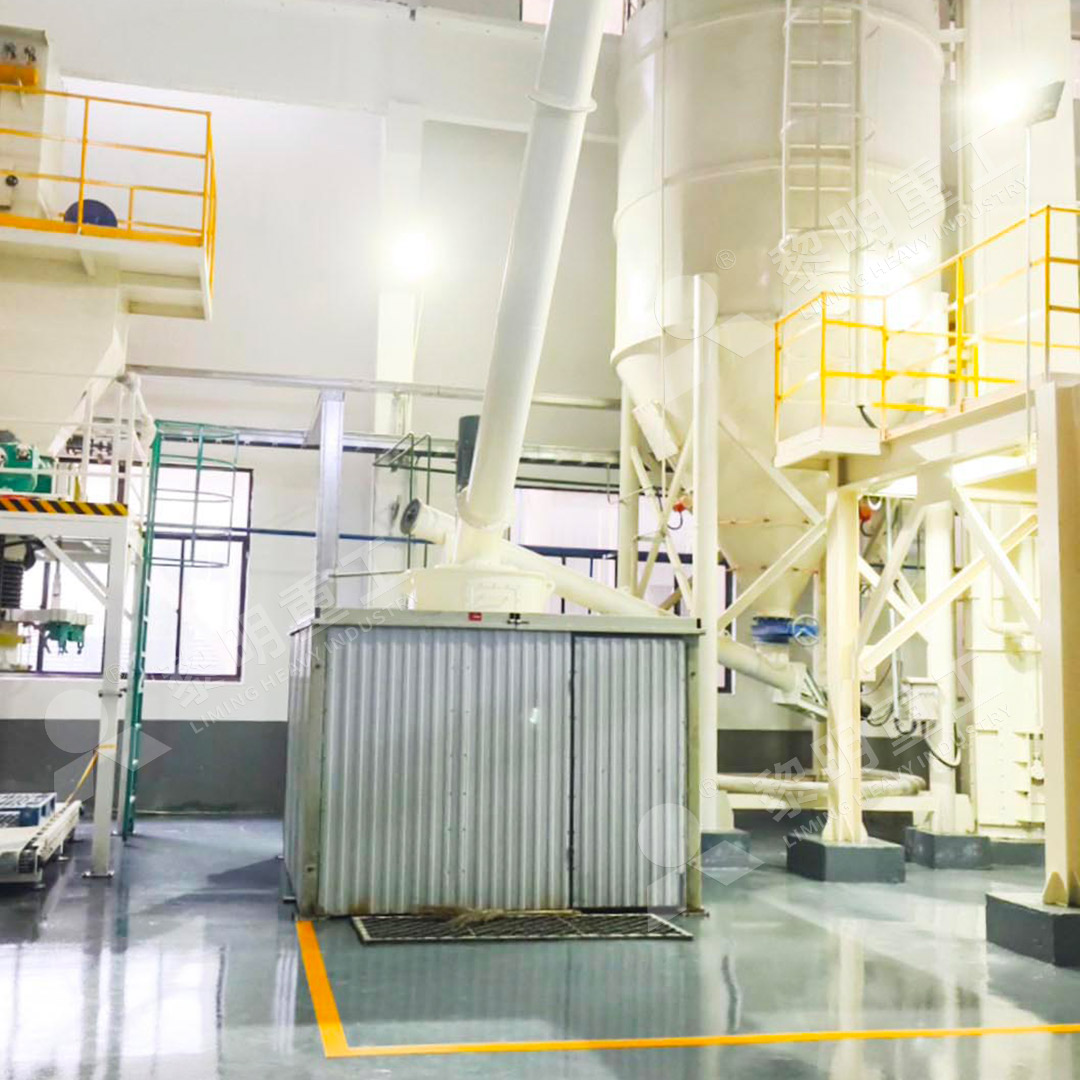
Conclusion
The China Gypsum Powder Grinding Mill, particularly the MW Ultrafine Grinding Mill and LUM Ultrafine Vertical Grinding Mill, represents a leap forward in gypsum processing technology. With features like high efficiency, adjustable fineness, low energy consumption, and eco-friendly operation, these mills meet the demands of modern industries. LIMING’s commitment to quality, spare parts supply, and digitalized manufacturing ensures reliable performance and long-term value. For any gypsum processing project, investing in these advanced mills is a strategic choice for achieving both productivity and sustainability.
Frequently Asked Questions (FAQs)
- What is the ideal input size for the MW Ultrafine Grinding Mill?
The recommended input size is 0-20 mm. Larger materials should be pre-crushed using a hammer crusher or jaw crusher before feeding. - Can the LUM Ultrafine Vertical Grinding Mill handle material with moisture?
Yes, the mill can handle materials with moisture up to a certain limit, depending on the drying system. For high-moisture gypsum, pre-drying or a hot air system may be required. - What fineness can be achieved with these mills?
The MW mill can achieve 325-2500 mesh with a screening rate of d97 ≤ 5 μm, while the LUM mill offers similar capabilities for ultra-fine powders. - How do these mills reduce environmental impact?
Both mills are equipped with pulse dust collectors and mufflers, ensuring no dust pollution and reduced noise, meeting international environmental standards. - Are spare parts readily available for these mills?
Yes, LIMING provides a sufficient supply of original spare parts and technical services to ensure worry-free operation, covering all core components. - What is the typical capacity range for gypsum processing?
The MW mill offers 0.5-25 tph, while the LUM mill provides 5-18 tph, depending on the feed size and required fineness. - Can these mills process other materials besides gypsum?
Absolutely. They are designed for limestone, calcite, dolomite, barite, marble, talc, and many other non-metallic minerals. - How often does the grinding roller need replacement?
The lifespan depends on material hardness and operational hours. The wear-resistant alloy rollers in LIMING mills last 1.7-2.5 times longer than traditional materials. - Is it possible to operate the mill remotely?
Yes, both the MW and LUM mills support PLC-based automated control systems, enabling remote operation and real-time monitoring. - What is the power consumption of these mills compared to ball mills?
The MW mill consumes only 30% of the energy of jet mills, while the LUM mill saves 30-50% energy compared to common grinding mills, significantly reducing operational costs.