
2000 Mesh Barite Grinding Mill: High-Efficiency Powder Processing Solutions
We provide a wide range of mills — including Raymond mill, trapezoidal mill, vertical mill, ultrafine mill, and ball mill, obtained ISO9001 international quality certification, EU CE certification, and Customs Union CU-TR certification. Suitable for processing minerals such as limestone, phosphate, quicklime, kaolin, talc, barite, bentonite, calcium carbonate, dolomite, coal, gypsum, clay, carbon black, slag, cement raw materials, cement clinker, and more.
The discharge range of these mills can be adjusted to meet specific processing needs, typically from 80-400 mesh, 600-3250 mesh, and can achieve the finest particle size of up to 6000 mesh(D50).
If you are looking for a reliable grinding solution to turn stone or minerals into fine powder, please feel free to contact our online customer service.
Introduction: The Demand for Ultra-Fine Barite
Barite, a mineral known for its high specific gravity, is indispensable in industries ranging from oil and gas drilling to paint and pharmaceuticals. The market demand for 2000 mesh (6.5 micron) barite powder has surged, driven by the need for high-performance fillers and weighting agents. Achieving this level of fineness, however, is no small feat. It requires a grinding mill that combines precision, energy efficiency, and reliability. Traditional ball mills and jet mills often fall short, either consuming excessive energy or failing to deliver the consistent, ultra-fine particle size distribution required.
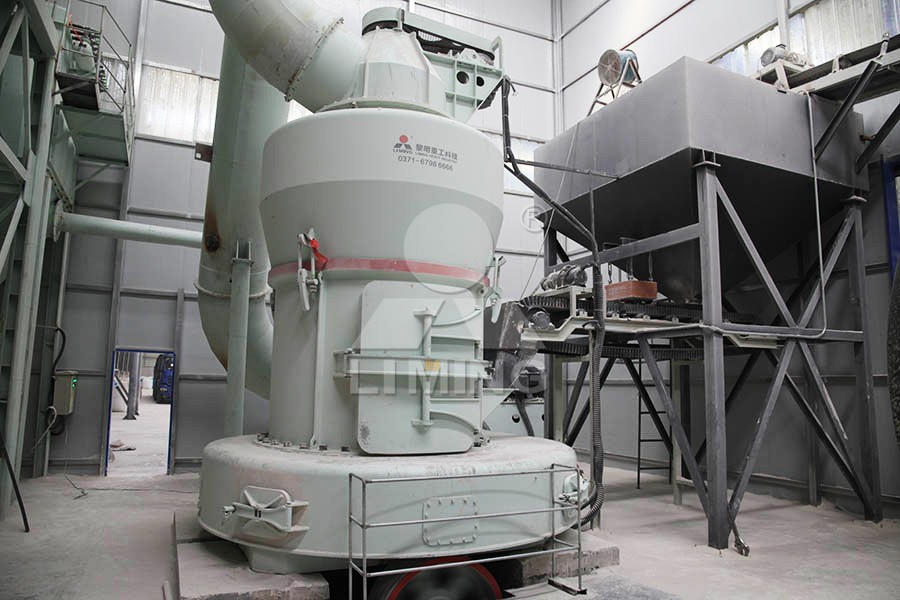
At LIMING, we have spent decades perfecting the art of material processing. Our mission is to provide solutions that not only meet but exceed the expectations of modern powder processors. When the target is 2000 mesh barite, the equipment must operate flawlessly under continuous, heavy-duty conditions. By integrating German powder-separating technology with our own proprietary grinding designs, we have created machines that set a new standard for the industry. This article explores the core challenges of ultra-fine barite grinding and presents a solution built for high efficiency, low maintenance, and total peace of mind.
The Challenge: Grinding to 2000 Mesh
Producing 2000 mesh barite powder is a task that pushes equipment to its limits. At this micron level, even minor inefficiencies in the grinding chamber can lead to high energy consumption, excessive wear, and inconsistent particle sizing. Traditional mills struggle with several key issues. First, the long lingering time of materials in the chamber can lead to over-grinding and heat generation, which degrades product quality. Second, the presence of rolling bearings and screws inside the chamber creates maintenance nightmares, as these components are prone to failure from the fine dust. Third, achieving a sieving rate of d97≤5μm requires a powder selector with extreme precision.
To solve these problems, a fundamentally different approach is needed. The solution lies in a mill designed with no rolling bearings or screws inside the grinding chamber, a multi-stage grinding path, and a cage-type powder selector that can accurately cut the powder diameter. Furthermore, the entire system must be environmentally compliant, capturing all dust and minimizing noise to meet stringent global regulations. This is not just about grinding; it is about creating a sustainable, worry-free operation that runs for 24 hours a day without interruption.
The Ultimate Solution: MW Ultrafine Grinding Mill for Barite
For customers targeting 2000 mesh barite with high throughput, our MW Ultrafine Grinding Mill stands as the premier choice. This machine was engineered from the ground up to handle the rigors of ultra-fine processing. With an input size of 0-20 mm and a capacity range of 0.5-25 tph, it is perfectly scaled for mid-to-large production lines. The true genius of the MW mill, however, lies in its design philosophy.
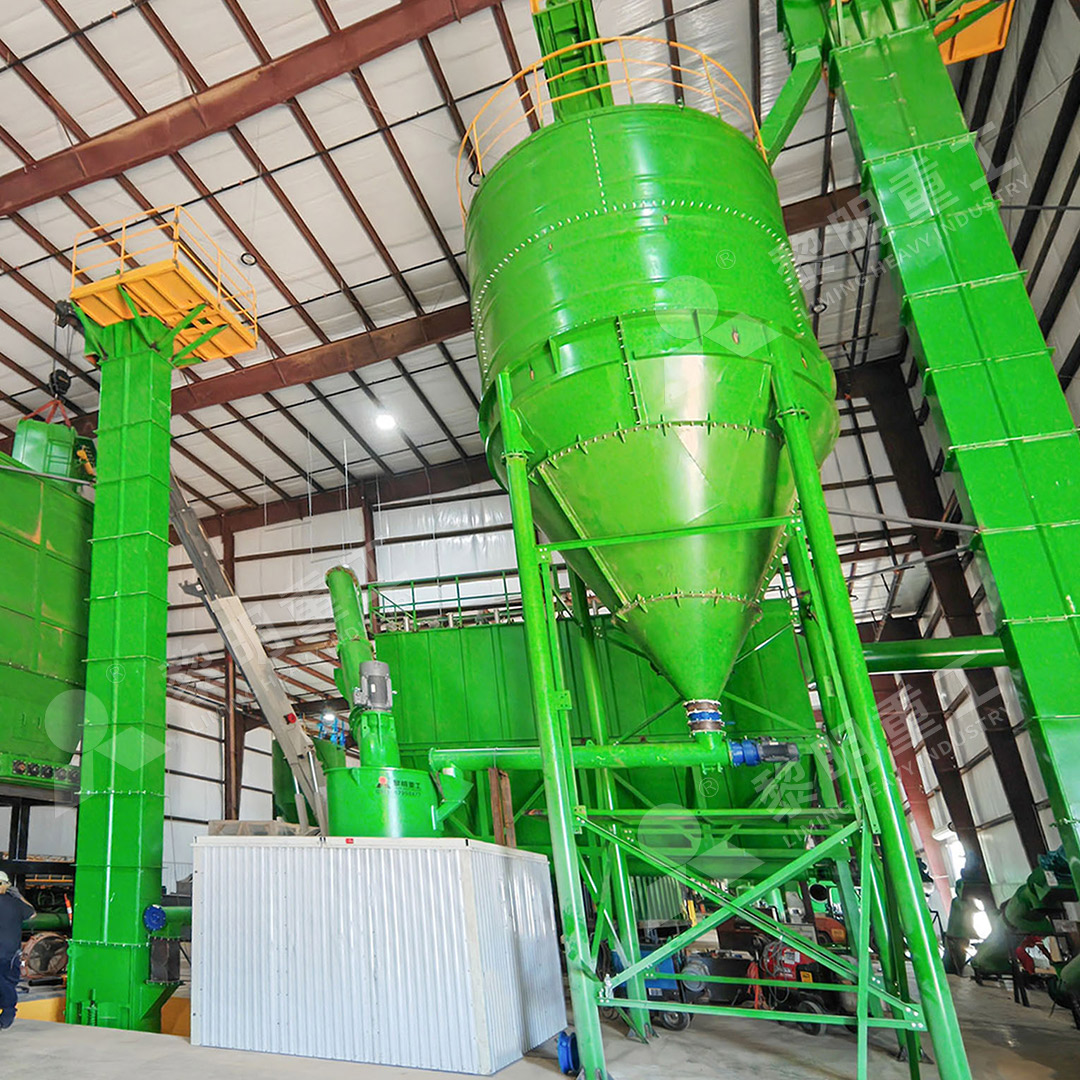
The newly designed grinding curves of the roller and ring significantly enhance grinding efficiency. In direct comparison tests, the MW mill yields 40%% higher capacity than jet and stirred mills, and double the output of a ball mill, while consuming only 30%% of the energy of a jet mill. This is a game-changer for operating costs. Furthermore, the cage-type powder selector, utilizing German technology, allows for precise adjustment between 325 and 2500 mesh. For 2000 mesh barite, this means you can achieve a screening rate of d97≤5μm in a single pass, removing the need for secondary classification.
Maintenance is another area where the MW mill excels. The absence of rolling bearings and screws in the grinding chamber eliminates the most common failure points. The lubrication system is located externally, allowing for oil changes without stopping the machine. This is crucial for companies that require continuous 24-hour production. When you combine this with the efficient pulse dust collector and silencer, you have a machine that is not only powerful but also a good neighbor in any industrial park.
Alternative Excellence: LUM Ultrafine Vertical Grinding Mill
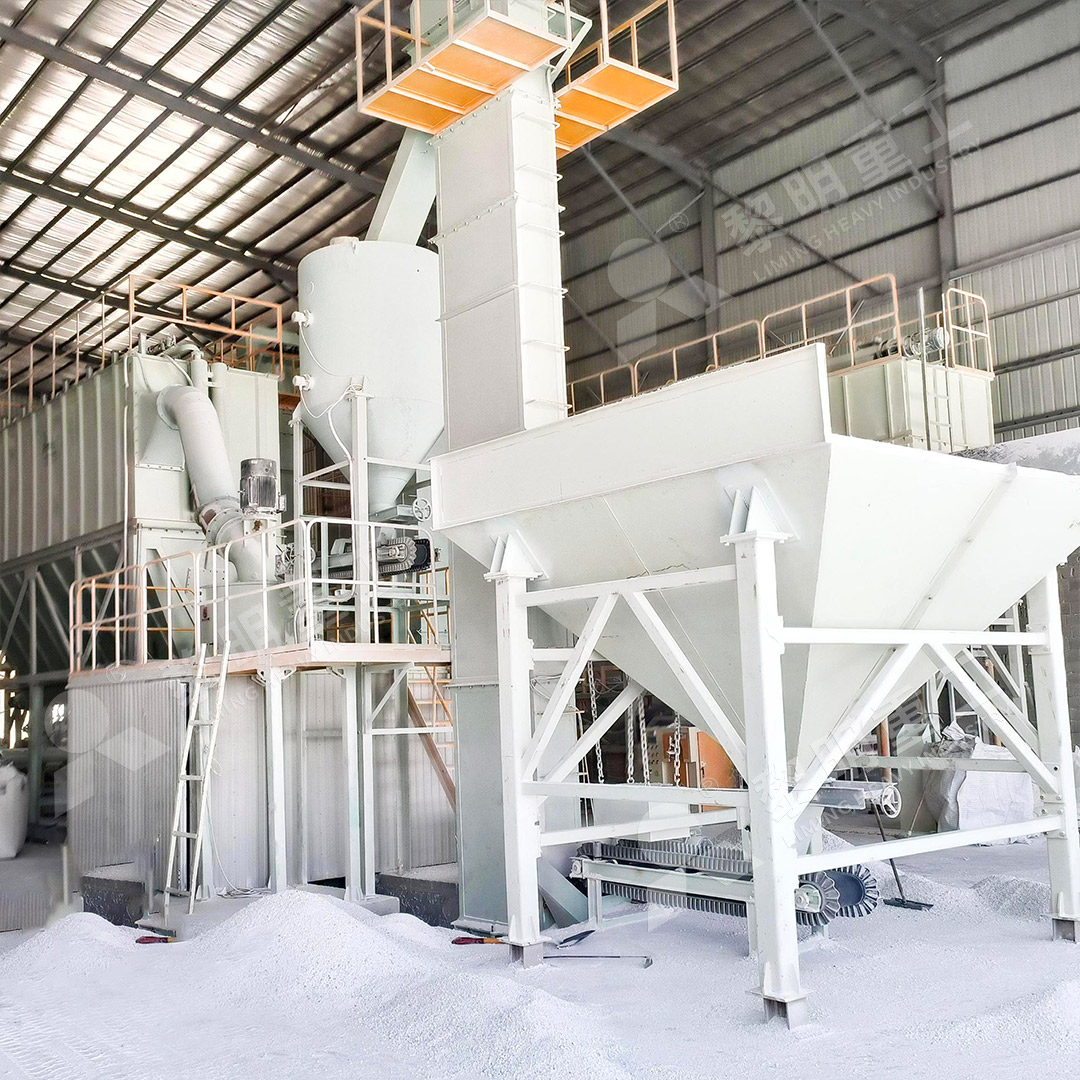
For operations that require a larger capacity and a different grinding principle, we offer the LUM Ultrafine Vertical Grinding Mill. This machine integrates grinding, grading, and conveying into one compact vertical system. With an input size of 0-10 mm and a capacity of 5-18 tph, the LUM mill is ideal for barite processors who demand the highest quality finished product with the lowest possible iron contamination.
The LUM mill features a unique roller shell and lining plate curve designed to form a stable material bed. This prevents the materials from lingering, thereby reducing energy waste and preventing re-grinding. The multi-head powder separating technology, controlled by a PLC system, allows for instant switching between different fineness requirements. For barite, this means you can produce 2000 mesh powder with consistent whiteness and cleanliness, which is critical for paint and cosmetic applications. The double position-limiting technology ensures that even if a vibration spike occurs, the rollers will not smash into the millstone, protecting your investment. Maintenance is also simplified with a reversible structure that allows the heavy grinding roller to be swung out of the body for servicing in minutes, not hours.
Operational Excellence and Environmental Compliance
Investing in a grinding mill is a long-term commitment. You need a partner that stands behind the equipment with technical support and a robust supply of original spare parts. Our digitalized processing ensures that every component, from the steel plates to the core grinding parts, is machined to the highest precision. This reduces installation time and ensures that replacement parts fit perfectly every time.
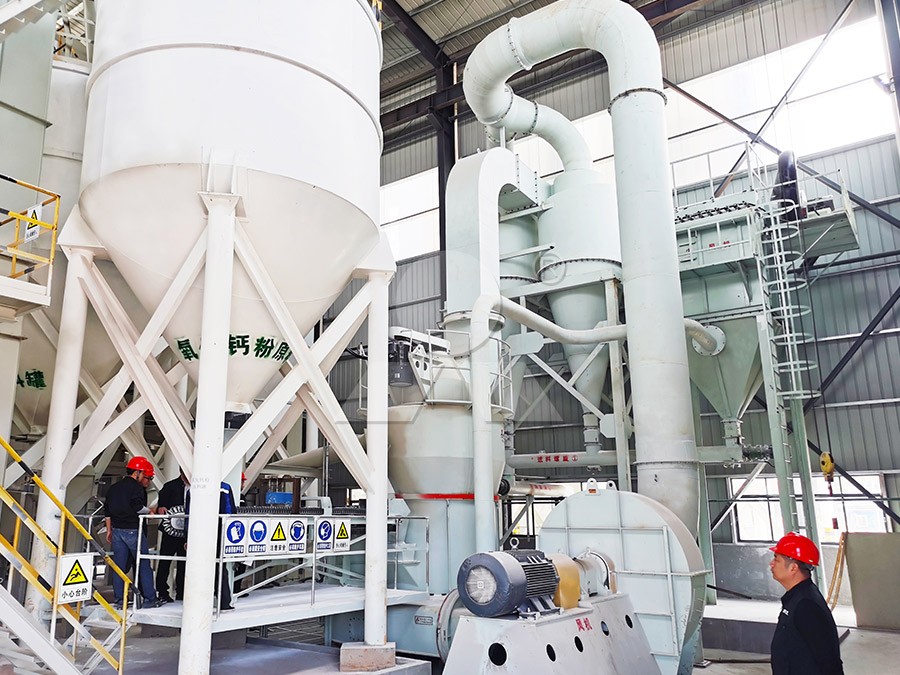
Modern powder processing also demands environmental stewardship. Both the MW and LUM mills are equipped with advanced pulse dust collectors that capture 99.9%% of fine particles. The silencer and noise elimination rooms ensure the decibel levels remain within comfortable limits. The entire production is organized to meet national environmental protection standards, allowing you to operate without fear of fines or community complaints. Whether you choose the energy-saving vertical design of the LUM or the high-capacity, multi-stage grinding of the MW, you are investing in a future-proof solution.
Conclusion: Invest in Efficiency
The path to 2000 mesh barite powder is paved with technical challenges. However, with the right equipment, these challenges become opportunities for increased profitability and market leadership. The MW Ultrafine Grinding Mill and the LUM Ultrafine Vertical Grinding Mill represent the pinnacle of modern grinding technology. They offer the speed, precision, and reliability required to turn raw barite into high-value, ultra-fine powder.
We invite you to contact our team for a detailed analysis of your material and production goals. Let us show you how our solutions can reduce your energy costs by up to 50%% while increasing your output and product quality. Do not settle for outdated technology when you can have the cutting edge.
Frequently Asked Questions (FAQ)
1. What is the specific capacity of the MW mill when grinding barite to 2000 mesh?
While the general capacity range is 0.5-25 tph, the actual throughput for 2000 mesh barite depends on the hardness and moisture content of the feed. Typically, for barite with a hardness of 3-3.5 Mohs and moisture below 2%%, you can expect a capacity of 2-6 tph. Our engineers can provide a precise capacity calculation based on a sample of your raw material.
2. How does the absence of rolling bearings inside the MW mill help with barite grinding?
Barite dust is highly abrasive. In traditional mills, dust can infiltrate the bearings and seals, causing rapid wear and failure. The MW mill has no rolling bearings or screws in the grinding chamber, which eliminates this primary failure point. The external lubrication system allows for maintenance without stopping production, ensuring continuous operation.
3. Can the LUM Vertical Mill produce barite powder with lower iron content than other mills?
Yes. The LUM mill’s design ensures that the grinding roller and millstone do not contact directly during operation. This minimizes metal-to-metal wear, drastically reducing the iron content introduced into the final powder. For applications like paint and cosmetics where whiteness and purity are critical, the LUM mill is the superior choice.
4. What is the difference between the MW and LUM for a 2000 mesh barite application?
The MW Ultrafine Grinding Mill is a ring-roller mill that uses a multi-stage grinding path, ideal for capacities up to 25 tph. It excels at higher throughput. The LUM Ultrafine Vertical Grinding Mill is a vertical roller mill that integrates drying and grinding, offering a more compact footprint and lower iron contamination, but with a max capacity of 18 tph. The choice depends on your specific capacity and product purity requirements.
5. How do you control the particle size to precisely 2000 mesh (d97≤5μm)?
Both the MW and LUM mills utilize German-type cage powder selectors. By adjusting the rotating speed of the rotor via the PLC control system, you can precisely cut the particle size. These selectors are highly efficient at making a sharp cut, meaning very few oversized particles escape into the final product, achieving the d97≤5μm standard.
6. What kind of dust collection system is used to comply with environmental regulations?
We equip our mills with efficient pulse jet dust collectors. These systems use compressed air to clean the filter bags, maintaining high suction and capturing fine dust. The emission concentration is far below international standards, making the system eco-friendly and compliant with strict environmental laws.
7. How long does it take to replace the grinding roller and ring on the MW mill?
Due to the absence of complex internal mechanisms, replacement is straightforward. A trained maintenance team can typically replace the roller shell and ring within 8-12 hours. We provide detailed maintenance manuals and original spare parts to ensure the process is as quick and efficient as possible.
8. Can these mills handle barite with a high moisture content?
The LUM Ultrafine Vertical Grinding Mill is better suited for higher moisture materials because it integrates a hot air drying function. The MW Ultrafine Grinding Mill is optimized for dry materials with a moisture content of less than 6%%. If your barite has higher moisture, we recommend using the LUM mill or adding a drying step before the MW mill.