
Export Raymond Mill, Raymond Grinding Mill, Raymond Mill Price – High-Performance Industrial Powder Grinding Solution
We provide a wide range of mills — including Raymond mill, trapezoidal mill, vertical mill, ultrafine mill, and ball mill, obtained ISO9001 international quality certification, EU CE certification, and Customs Union CU-TR certification. Suitable for processing minerals such as limestone, phosphate, quicklime, kaolin, talc, barite, bentonite, calcium carbonate, dolomite, coal, gypsum, clay, carbon black, slag, cement raw materials, cement clinker, and more.
The discharge range of these mills can be adjusted to meet specific processing needs, typically from 80-400 mesh, 600-3250 mesh, and can achieve the finest particle size of up to 6000 mesh(D50).
If you are looking for a reliable grinding solution to turn stone or minerals into fine powder, please feel free to contact our online customer service.
Export Raymond Mill, Raymond Grinding Mill, Raymond Mill Price – High-Performance Industrial Powder Grinding Solution
When it comes to industrial powder grinding, the right equipment can make or break your production line. I have spent years in the field, talking to plant managers and mill operators, and one thing is clear: they want machines that are reliable, efficient, and easy to maintain. That is where our Raymond Mill series steps in. Whether you are dealing with limestone, barite, gypsum, or coal, the Raymond Mill is a workhorse that has been refined over decades. But let’s be honest—modern grinding needs go beyond just turning rocks into dust. You need precision, energy savings, and environmental compliance. That is why I want to walk you through not only our classic Raymond Mill but also two advanced solutions that have been turning heads in the industry: the MW Ultrafine Grinding Mill and the LUM Ultrafine Vertical Grinding Mill.
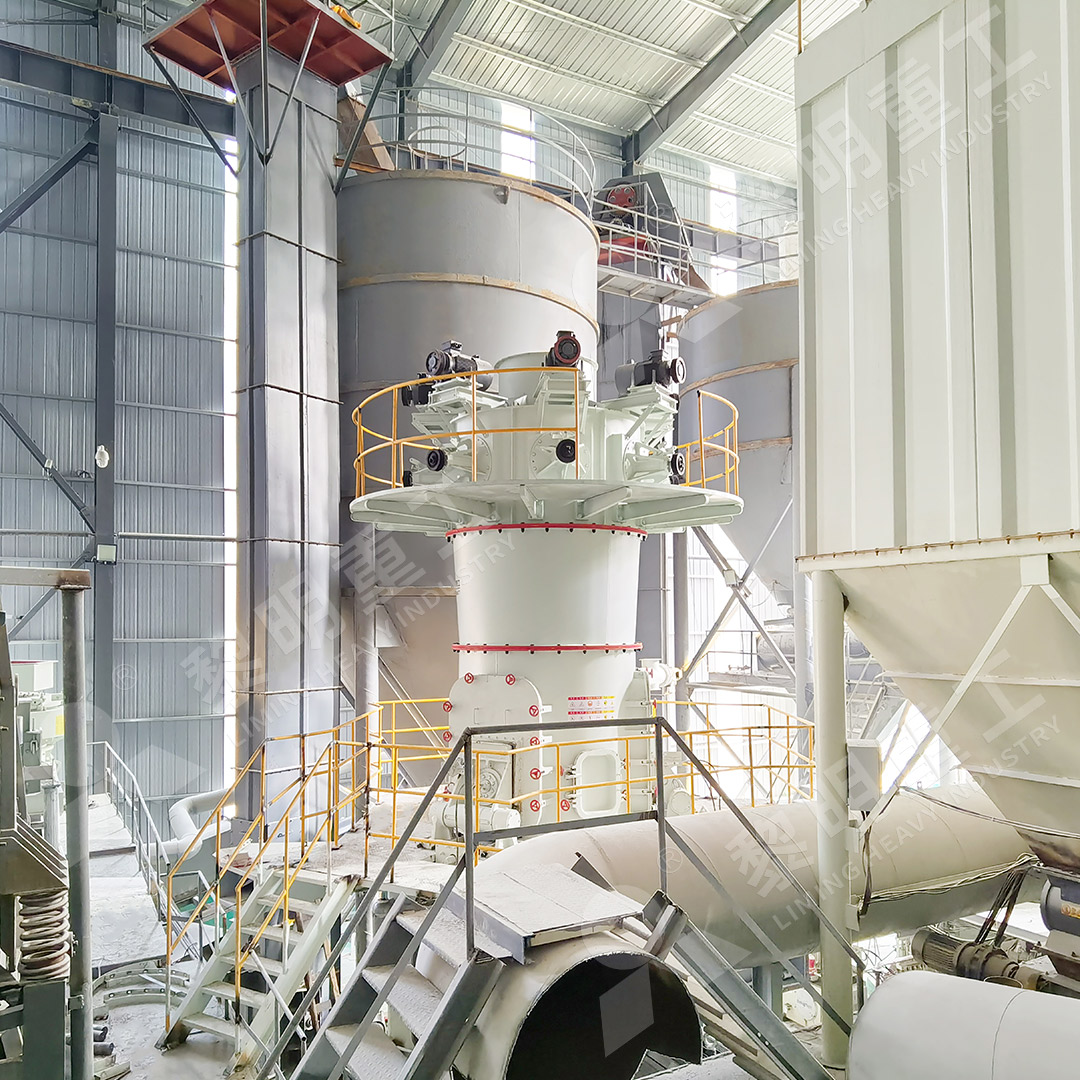
The Raymond Mill: A Solid Foundation for Grinding
Our Raymond Mill is the first generation of grinding equipment from Liming Heavy Industry. It covers a small area, requires low investment, and offers low power consumption. For years, it has been the go-to choice for industries like desulfurization, metallurgy, and non-metallic ore milling. The R series model has been optimized by our engineering team to combine low consumption, low investment, and environmental friendliness. It is more efficient than traditional Raymond mills, thanks to improved roller and ring designs.
The working principle is straightforward. Raw material is crushed by a jaw crusher to the required size, then elevated into a hopper. An electromagnetic vibrating feeder sends the material evenly into the grinding chamber. Centrifugal force pushes the rollers outward against the ring, while a shovel scoops up the material and feeds it between the ring and rollers for grinding. The ground material is carried by air from the blower into a separator for screening. Fine powder goes into a cyclone collector and is discharged as final product, while coarse material is recycled for regrinding. The airflow system is sealed and circulates under negative and positive pressure, keeping dust contained.
When You Need Ultrafine Fineness: MW Ultrafine Grinding Mill
If your application demands powders between 325 and 2500 mesh, you need the MW Ultrafine Grinding Mill. I have seen this machine outperform jet mills and stirred mills by 40% in capacity, while using only 30% of the energy. The input size is 0-20 mm, and capacity ranges from 0.5 to 25 tph. What sets the MW apart is its cage-type powder selector, which uses German technology for high-precision separation. With a screening rate of d97 ≤ 5 μm in a single pass, you can achieve ultra-fine results without multiple grinding cycles.
One of the biggest headaches in traditional mills is bearing and screw failures. The MW eliminates this by having no rolling bearings or screws inside the grinding chamber. The lubricating device is mounted externally, so you can grease the shaft without shutting down production—24-hour continuous operation is no problem. Plus, the efficient pulse dust collector and muffler make the whole system eco-friendly. It meets national environmental standards, which is huge for plants facing strict regulations. Applications include limestone, calcite, dolomite, barite, marble, talc, and even materials for the chemical, paint, cosmetic, and pharmaceutical industries.
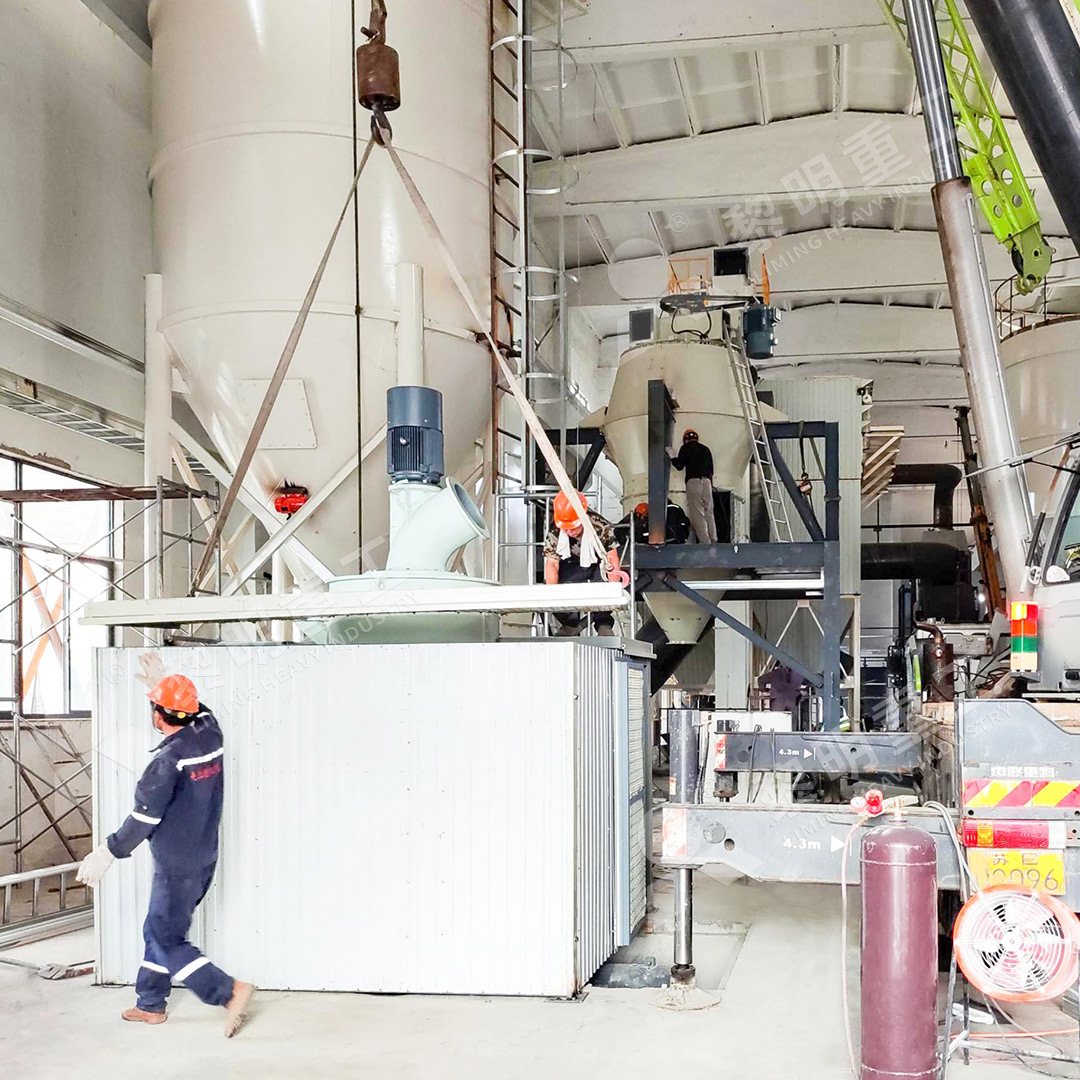
Vertical Grinding with Higher Efficiency: LUM Ultrafine Vertical Grinding Mill
Sometimes, you need a machine that combines grinding, grading, and transporting in one integrated system. That is where the LUM Ultrafine Vertical Grinding Mill shines. Designed based on years of field experience, it incorporates the latest Taiwan grinding roller technology and German powder separating technology. Input size is 0-10 mm, and capacity is 5-18 tph. The LUM uses a multi-head powder separating system with PLC control, which cuts energy consumption by 30-50% compared to common mills. You can adjust grinding pressure and rotational speed with precision, so switching between different product demands is fast and accurate.
Maintenance is often a pain point with vertical mills because the grinding rollers are heavy. The LUM solves this with a reversible structure and hydraulic adjustment system. Operators can swing the grinding roller out of the machine body for quick shell and liner plate replacement, reducing downtime significantly. The double position-limiting technology uses electronic and mechanical limit protection to prevent the roller from smashing the millstone during vibration events, like from mine blasts. This keeps the operation stable and gives you peace of mind.
Both the MW and LUM mills are manufactured using tens of lines of numerical control machine tools. Steel plate cutting, bending, planing, milling, and painting are all digitally controlled, ensuring high precision for core components. And we back every machine with a sufficient supply of original spare parts and technical services, so your operation never has to pause for lack of support.
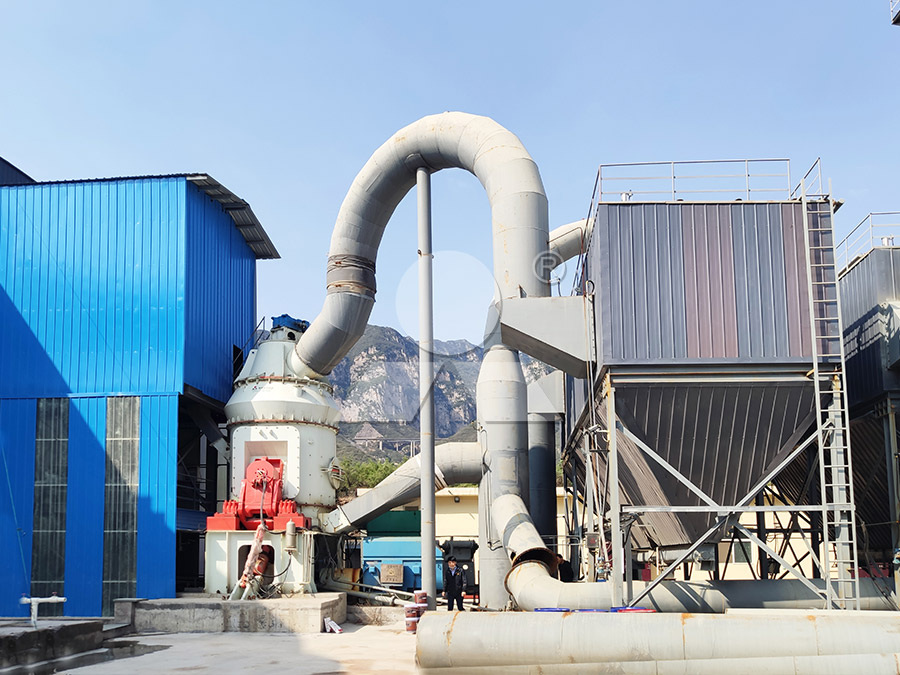
Why Choose Our Grinding Solutions?
I have visited dozens of plants where operators were frustrated with high energy bills, frequent breakdowns, and inconsistent product quality. Our mills address these pain points directly. For example, with the MW Ultrafine Mill, you get 40% higher yield than jet mills. The LUM Vertical Mill offers 30-50% energy savings over traditional equipment. Both machines feature digitalized processing and vibration-damping designs that extend service life. And if you need a simple, cost-effective solution for smaller capacities, our classic Raymond Mill still holds its own with a 0.6-5 tph range and input size under 25 mm.
We recommend the MW Ultrafine Grinding Mill for customers targeting ultra-fine powder (325-2500 mesh) with low energy use. For those who need a vertical design with high throughput and quick maintenance, the LUM Ultrafine Vertical Grinding Mill is the better choice. Both products integrate drying, grinding, and classifying functions, and both are built to last under harsh industrial conditions.
Conclusion
Exporting Raymond Mill and Raymond Grinding Mill has never been just about the price—it is about total cost of ownership. Our machines are designed for lower energy consumption, easier maintenance, and higher output. Whether you need a traditional Raymond Mill, the ultra-fine capabilities of the MW, or the vertical integration of the LUM, we have a solution that fits your budget and production goals. Contact us today for a detailed quotation and let us help you optimize your grinding process.
Frequently Asked Questions (FAQ)
-
What is the difference between Raymond Mill and MW Ultrafine Grinding Mill?
The Raymond Mill is designed for general-purpose grinding with fineness typically up to 325 mesh. The MW Ultrafine Grinding Mill can achieve fineness from 325 to 2500 mesh with higher capacity and lower energy consumption. The MW also uses a cage-type powder selector for precision and has no bearings or screws in the grinding chamber, reducing maintenance. -
What materials can the LUM Ultrafine Vertical Grinding Mill handle?
The LUM mill is ideal for superfine dry powder of non-metal ores like limestone, calcite, marble, talc, barite, and dolomite. It also handles petroleum coal, gypsum, and other materials. It is not suitable for materials with high moisture content above 10% without a drying system. -
How do you control the fineness of the final powder?
For Raymond Mill, fineness is adjusted by changing the separator speed and the classifier blades. For MW and LUM mills, you can adjust the rotational speed of the rotor in the powder concentrator. The MW also allows configuration of multi-head cage-type selectors based on yield and sieving rate requirements. -
What is the energy consumption compared to ball mills?
The MW Ultrafine Grinding Mill consumes only 30% of the energy of a jet mill, and its yield is twice as large as a ball mill. The LUM Vertical Mill reduces energy consumption by 30-50% compared to common grinding mills. The Raymond Mill also offers lower power consumption per ton of output versus traditional ball mills. -
Is the grinding system environmentally friendly?
Yes. Both the MW and LUM mills are equipped with efficient pulse dust collectors and mufflers. The system operates under negative pressure to prevent dust overflow. Noise levels are minimized with soundproofing components. The entire production line meets international environmental standards. -
How often do I need to replace spare parts like grinding rollers and rings?
Service life depends on the material being ground and operating conditions. We use wear-resistant alloy materials for vulnerable parts. For example, in our MTW series mills, roller and ring life is 1.7 to 2.5 times longer than traditional high-manganese steel parts. We maintain a sufficient supply of original spare parts to minimize downtime. -
Can I run the mill continuously without stopping for lubrication?
Yes. The MW Ultrafine Grinding Mill has an external lubricating device that allows lubrication without shutdown, enabling 24-hour continuous operation. The LUM mill also uses hydraulic systems that can be adjusted while the machine is running. -
What is the typical delivery time for export orders?
Delivery time depends on the model and order quantity. Standard Raymond Mills can be shipped within 15-30 working days. MW and LUM mills may take 30-45 working days due to custom configurations and quality checks. We recommend contacting our sales team for a confirmed schedule. -
Do you offer installation and training services?
Yes, we provide on-site installation guidance and technical training for your operators. We also offer remote support through digital tools. All machinery comes with a one-year warranty and access to our global spare parts network. -
How can I get the Raymond Mill price for my specific application?
You can request a quotation by providing your material type, desired fineness, capacity requirements, and any special needs like power supply voltage. Our team will tailor a solution and provide a competitive price based on your project scope.