
Optimizing Carbon Black Processing with Medium-Speed Mill Machines
We provide a wide range of mills — including Raymond mill, trapezoidal mill, vertical mill, ultrafine mill, and ball mill, obtained ISO9001 international quality certification, EU CE certification, and Customs Union CU-TR certification. Suitable for processing minerals such as limestone, phosphate, quicklime, kaolin, talc, barite, bentonite, calcium carbonate, dolomite, coal, gypsum, clay, carbon black, slag, cement raw materials, cement clinker, and more.
The discharge range of these mills can be adjusted to meet specific processing needs, typically from 80-400 mesh, 600-3250 mesh, and can achieve the finest particle size of up to 6000 mesh(D50).
If you are looking for a reliable grinding solution to turn stone or minerals into fine powder, please feel free to contact our online customer service.
Introduction: The Challenge of Carbon Black Grinding
Carbon black is a notoriously difficult material to process. Its light, fluffy nature, high specific surface area, and tendency to agglomerate make it a challenge for conventional grinding equipment. For manufacturers in the rubber, pigment, and coating industries, achieving a consistent, ultra-fine particle size distribution without excessive energy consumption or equipment wear is the ultimate goal. This is where medium-speed mill machines, particularly advanced vertical and roller mills, have carved out a critical niche.
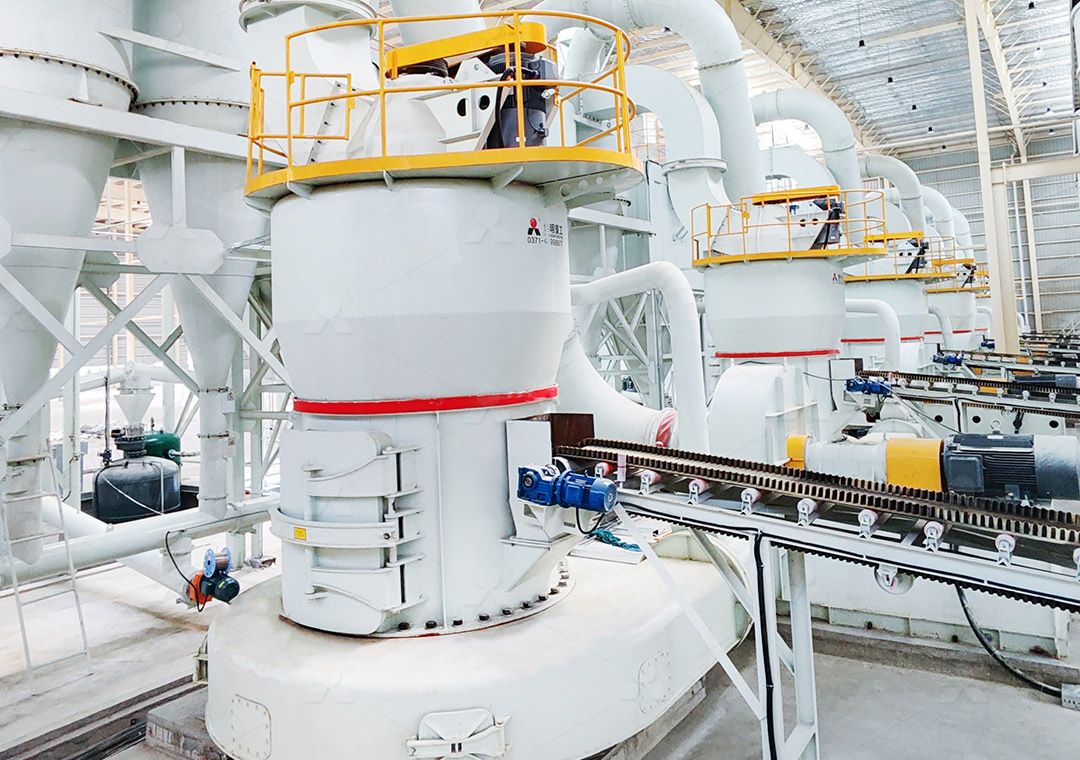
Unlike high-speed hammer mills that generate excessive heat and wear, or low-speed ball mills that are energy-inefficient for fine grinding, medium-speed mills offer a ‘Goldilocks’ solution. They provide the necessary shear and compression to de-agglomerate carbon black while maintaining a stable thermal environment. Over the past decade, the industry has shifted towards integrated grinding and classifying systems that offer precise control over particle size (d97) and production throughput.
Why Medium-Speed Technology Fits Carbon Black
The term ‘medium-speed’ refers to the rotational speed of the main grinding table or disc, typically ranging from 20 to 100 RPM depending on the machine diameter. This speed range is ideal for carbon black because it creates a stable material bed on the grinding table. The material is crushed and ground between the rollers and the table through a combination of compression and shear, rather than impact.
One of the primary advantages of this approach is the material bed grinding principle. The fines generated during grinding fill the gaps between larger particles, creating a cushion that absorbs energy and reduces metal-to-metal contact. This dramatically lowers the wear rate on the grinding rollers and liners, a common pain point in carbon black processing. Furthermore, the integrated classifier allows for the immediate extraction of fines that meet specification, preventing over-grinding and ensuring narrow particle size distribution.
Key Machine Considerations for Carbon Black
When selecting a mill for carbon black, operators must look beyond simple capacity numbers. The following factors are critical:
- Fineness Control: Carbon black often requires fineness between 325 mesh (44 microns) and 2500 mesh (5 microns). The classifier system must be robust enough to handle the high throughput of fine powder without clogging.
- Energy Efficiency: Grinding is the most energy-intensive step in carbon black processing. A medium-speed mill, like the LUM Ultrafine Vertical Grinding Mill, can reduce system energy consumption by 30%%-50%% compared to traditional ball mills or jet mills for the same fineness.
- Dust Control: Given the particulate nature of carbon black, environmental compliance is non-negotiable. The entire system must operate under negative pressure with high-efficiency pulse dust collectors.
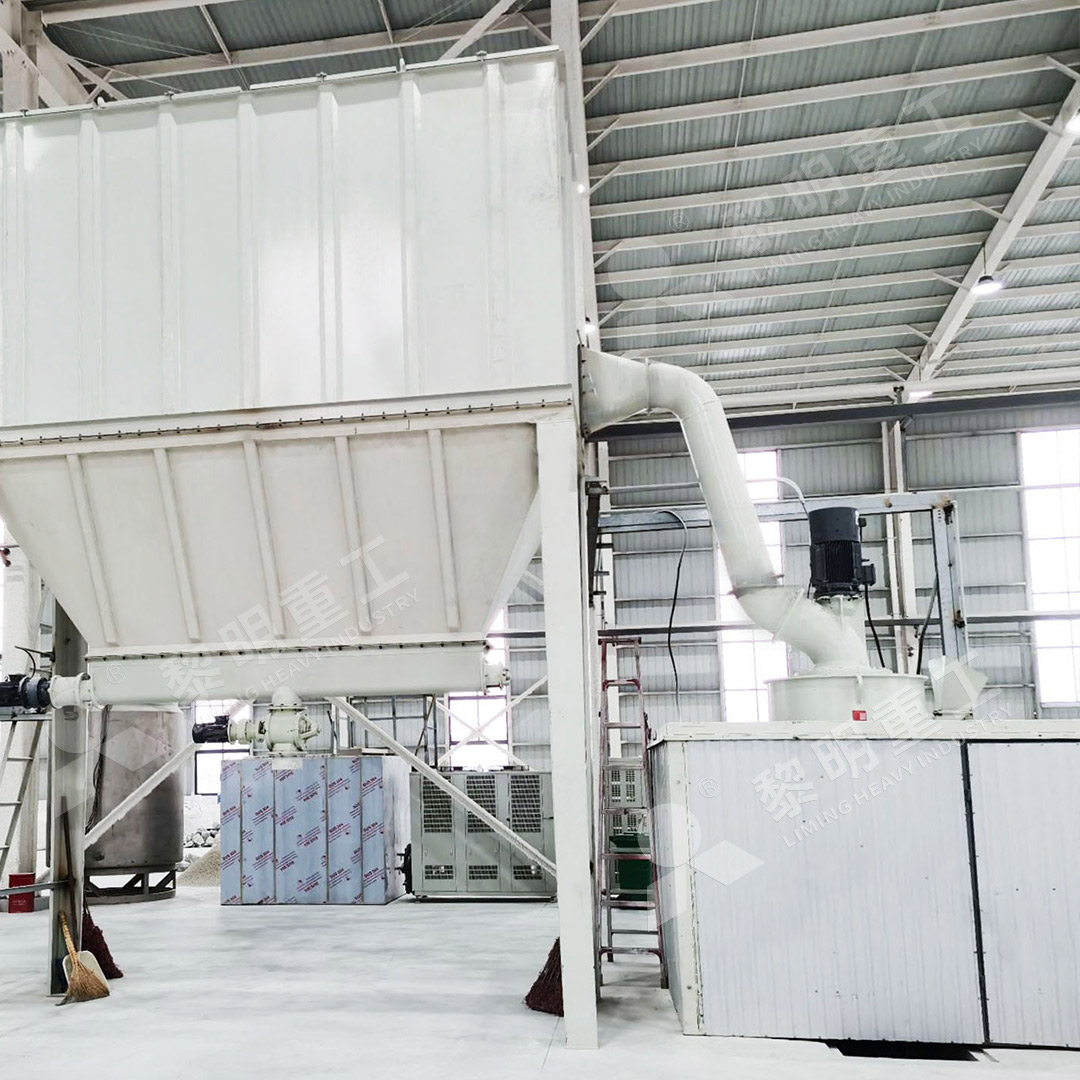
For operators looking for a balance between high throughput and ultra-fine output, the LUM Ultrafine Vertical Grinding Mill is a standout performer. Its dual limiting technology—electronic and mechanical—prevents destructive roller-to-table contact, which is vital when processing abrasive materials like carbon black. The multi-head powder separator allows for rapid switching between product specifications, a feature that plant managers find invaluable for just-in-time production.
Diving Deep into Machine Design: The MW Mill
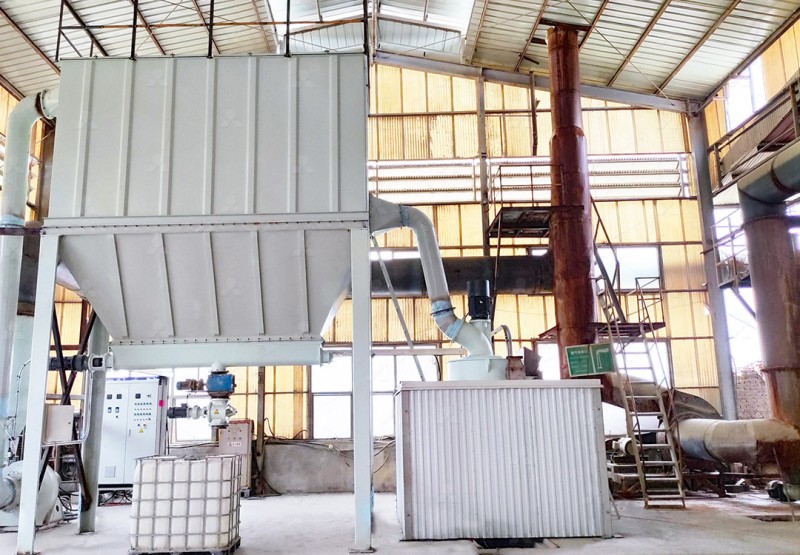
For applications requiring extremely high fineness (d97 ≤ 5μm) and lower throughput (0.5-25 tph), the MW Ultrafine Grinding Mill offers a specialized solution. Its design philosophy directly addresses the tribological challenges of carbon black. The grinding chamber features no rolling bearings or screws, which eliminates the common failure points associated with lubricant contamination by fine carbon dust.
In traditional mills, dust ingress into bearings is a leading cause of downtime. The MW Mill circumvents this by placing the lubrication system externally on the main shaft. This allows for ‘hot swapping’ of grease and oil without stopping the machine, enabling continuous 24-hour operation. The cage-type powder selector, based on German technology, ensures that the carbon black particles are separated with high precision, directly impacting the quality of the final masterbatch or rubber compound.
Practical Operational Strategies
Optimizing a medium-speed mill for carbon black is not just about the machine; it is about the system. Based on field experience, the following operational tweaks can yield significant improvements:
- Pre-crushing: Ensure the feed size is consistent and within the mill’s specification (e.g., 0-20 mm for MW mill). Over-sized particles can destabilize the material bed.
- Gas Flow & Temperature: Carbon black can be hygroscopic. Using a slight pre-heat in the air flow (if available) can prevent clumping inside the classifier. The blower speed should be tuned to maintain the optimal air-to-powder ratio for efficient conveying.
- Roller Pressure: Hydraulic pressure should be adjusted based on the hardness of the carbon black pellet. While softer pellets require less pressure, harder, densified grades may require maximum pressure to achieve the same throughput.
Conclusion: The Future of Carbon Black Grinding
The trend in carbon black processing is moving toward ‘zero dust’ and ‘zero waste’ operations. Modern medium-speed mills, with their integrated drying, grinding, and classifying capabilities, are perfectly positioned to meet this demand. By investing in a machine that prioritizes wear resistance, energy efficiency, and precise classification, processors can reduce their operating costs and improve product quality simultaneously.
Whether you are producing conductive carbon black for electronics or reinforcing filler for tires, the choice of mill is the most critical decision. The MW Ultrafine Grinding Mill and the LUM Ultrafine Vertical Grinding Mill represent two distinct approaches to this problem—one optimized for ultra-fine, low-throughput applications, and the other for high-throughput, energy-sensitive operations. Both are engineered to handle the unique challenges that made carbon black the ‘troublemaker’ of the powder processing world.
Frequently Asked Questions (FAQ)
- Q: What is the typical fineness achievable for carbon black using the MW Ultrafine Grinding Mill?
A: The MW Mill can achieve fineness from 325 mesh up to 2500 mesh (d97 ≤ 5μm). For standard carbon black grades like N330 or N550, a fineness of 800-1200 mesh is common for rubber applications. - Q: Can I use the same mill for different types of carbon black (e.g., furnace black vs. thermal black)?
A: Yes, medium-speed mills like the LUM are flexible. You can adjust the rotor speed of the classifier and the grinding pressure to switch between soft, fluffy thermal black and hard, pelletized furnace black. - Q: How do I prevent the carbon black from sticking to the grinding rollers?
A: Proper material bed formation is key. Ensure the feed rate is consistent. The adjustable air ring in the mill helps to keep the material fluidized and moving towards the classifier, preventing it from staying on the roller surface. - Q: What is the difference in energy consumption between the MW mill and a traditional jet mill?
A: For carbon black, the MW Ultrafine Grinding Mill consumes only about 30%% of the energy required by a jet mill to achieve the same fineness (e.g., 1250 mesh). This is due to the grinding principle of compression versus energy-intensive particle impact. - Q: How often do I need to replace the grinding roller shells in the LUM mill?
A: The lifespan depends on the abrasiveness of the carbon black and the operating hours. Typically, for medium-hard carbon black, the roller shells and liner plates can last for 6,000 to 10,000 hours. The reversible design of the LUM mill allows you to flip the roller shell once to double its life before replacement. - Q: What are the environmental safeguards on these mills?
A: Both the MW and LUM mills are equipped with high-efficiency pulse dust collectors and silencers. The system operates under negative pressure, which means no dust escapes into the workshop during operation. This ensures compliance with strict national environmental standards. - Q: What is the maximum feed moisture content allowed for the MW mill?
A: The MW mill can handle materials with moisture up to 6%%. If the carbon black has higher moisture, a separate drying step or a hot air generator integrated with the mill’s air intake is recommended to prevent blockages in the grinding zone.