
Lithium Feldspar 6R Raymond Mill: High-Efficiency Fine Grinding Solution for Lithium Processing
We provide a wide range of mills — including Raymond mill, trapezoidal mill, vertical mill, ultrafine mill, and ball mill, obtained ISO9001 international quality certification, EU CE certification, and Customs Union CU-TR certification. Suitable for processing minerals such as limestone, phosphate, quicklime, kaolin, talc, barite, bentonite, calcium carbonate, dolomite, coal, gypsum, clay, carbon black, slag, cement raw materials, cement clinker, and more.
The discharge range of these mills can be adjusted to meet specific processing needs, typically from 80-400 mesh, 600-3250 mesh, and can achieve the finest particle size of up to 6000 mesh(D50).
If you are looking for a reliable grinding solution to turn stone or minerals into fine powder, please feel free to contact our online customer service.
Introduction: The Rising Demand for Lithium Processing Efficiency
As the global push for electrification accelerates, the demand for lithium has skyrocketed. This surge places immense pressure on mineral processors to extract and refine lithium-bearing ores like spodumene, lepidolite, and lithium feldspar with maximum efficiency. The grinding stage is critical; achieving the right particle size distribution directly impacts leaching efficiency and final product purity. For operations dealing with lithium feldspar, a material known for its abrasiveness and variable hardness, selecting the right milling equipment is not just a matter of throughput—it is a strategic decision affecting the entire downstream process. This is where the 6R Raymond Mill steps in, offering a proven, high-efficiency solution tailored for the rigorous demands of the lithium industry.
The 6R Raymond Mill, building upon decades of Raymond mill innovation, delivers a robust combination of fine grinding capability, reliability, and cost-effectiveness. It is engineered to handle the fine reduction of lithium feldspar from feed sizes under 25 mm down to the specific micron ranges required for subsequent hydrometallurgical or pyrometallurgical processing. But the landscape of fine grinding is evolving, and we recognize that for some applications, particularly those requiring ultra-fine powders below 325 mesh, other technologies might offer complementary advantages. Therefore, alongside the 6R Raymond Mill, we proudly recommend the MW Ultrafine Grinding Mill, a system designed for those who need to push fineness to 2500 mesh (d97 ≤ 5 μm) while maintaining industrial-scale capacity. Both mills are workhorses, but they excel in different zones of the particle size spectrum.
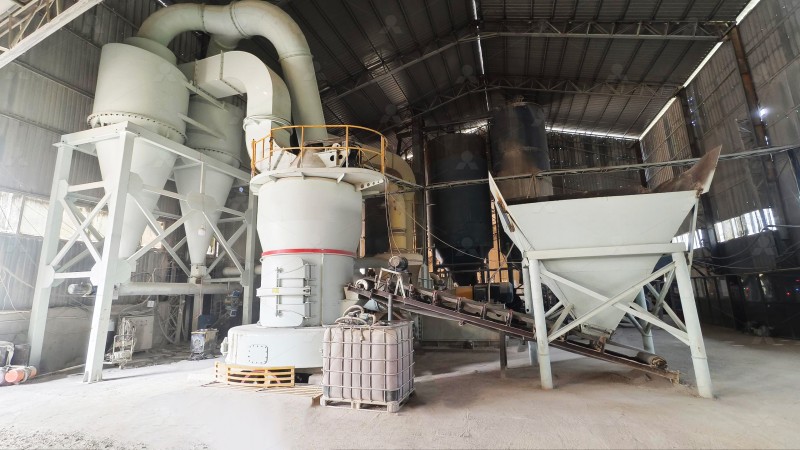
Why 6R Raymond Mill for Lithium Feldspar?
Lithium feldspar presents unique challenges. Its Mohs hardness typically ranges from 6 to 6.5, making it moderately abrasive. Traditional Raymond mills can struggle with wear and energy efficiency when processing such materials continuously. However, the 6R series incorporates several key enhancements. The grinding roller and ring assemblies are manufactured from high-chromium wear-resistant alloy, extending their service life by 1.7 to 2.5 times compared to standard manganese steel components. This is a direct response to the abrasive nature of feldspar. Furthermore, the centrifugal force generated by the multi-roller configuration (six rollers in the 6R model) ensures a stable grinding bed, reducing vibration and maintaining consistent fineness even when feed moisture fluctuates.
Operationally, the 6R Raymond Mill shines in its simplicity. The no-shovel-blade design in the grinding chamber increases the ventilation area, reducing air-conveying resistance and improving throughput. For a lithium operation running 24/7, this translates directly to lower energy consumption per ton processed. The elastic volute damping structure absorbs mechanical shocks, protecting the main engine and powder concentrator from fatigue damage. This is not just a grinding mill; it is a statement of engineered reliability for an industry that cannot afford unplanned downtime.
Technical Specification Deep Dive: How It Works
Let’s get into the mechanics. The 6R mill operates on a classic Raymond principle but with modern refinements. The core motor drives a central shaft, which rotates the plum frame. The six suspended grinding rollers pivot outward under centrifugal force, pressing firmly against the inside of the stationary grinding ring. Material fed into the side of the mill is scooped up by the rotating shovel blade and thrown between the rollers and the ring. The grinding action is primarily compression and shear, ideal for liberating the lithium minerals from the gangue.
The ground material is then carried upward by the air stream generated by the blower. The high-efficiency cage-type powder concentrator (classifier) at the top of the mill is the gatekeeper. Coarse particles are rejected and fall back into the grinding zone for further reduction, while fine particles meeting the specification (e.g., d80 = 75 μm for flotation feed) pass through and are collected in a cyclone or baghouse. The entire system operates under negative pressure, ensuring zero dust leakage to the environment. For operations requiring even finer powder, the MW Ultrafine Grinding Mill takes over, employing a multi-stage grinding and classifying system to achieve those sub-micron targets that are becoming critical for advanced battery material synthesis.
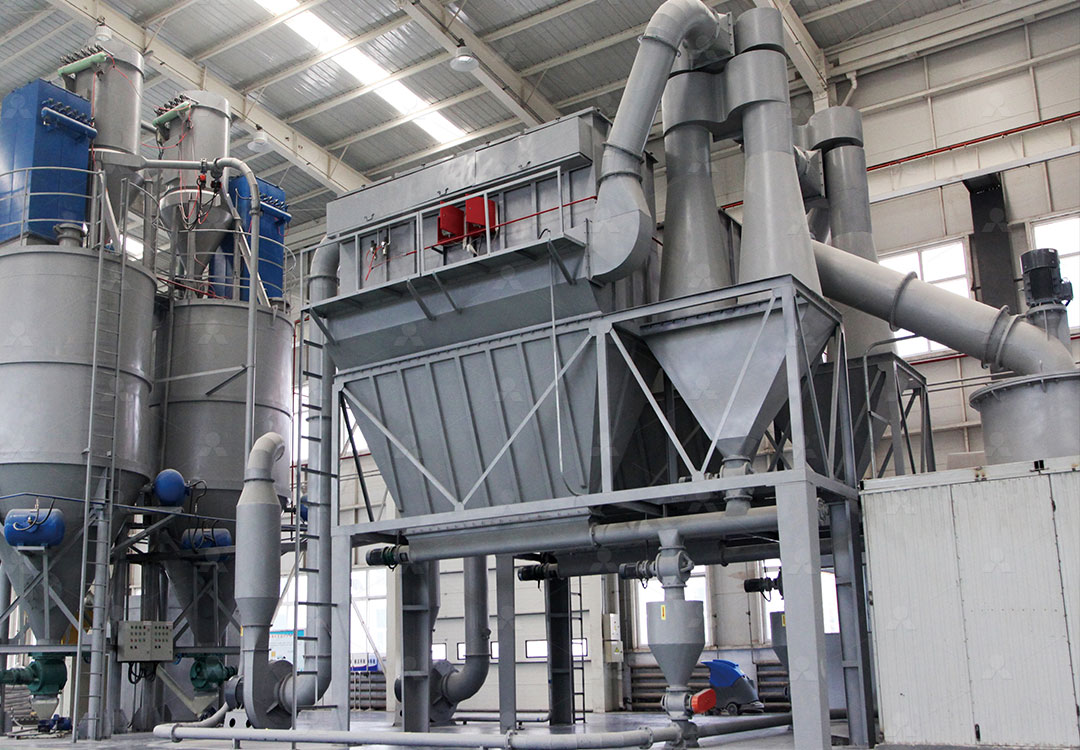
Comparing Technologies: 6R Raymond Mill vs. MW Ultrafine Mill
To help you choose the right tool for your lithium processing line, let’s briefly compare these two powerhouse machines. The 6R Raymond Mill is your go-to for baseline fine grinding. Its input size is typically under 25 mm, and it can produce fineness in the range of 80 to 400 mesh (180 μm to 38 μm). It is the workhorse for preparing flotation feed or material for calcination. Its capacity can scale to handle primary grinding circuits.
In contrast, the MW Ultrafine Grinding Mill is the specialist for premium products. It can accept feed up to 20 mm and grind down to an astonishing 2500 mesh (d97 ≤ 5 μm). This is the realm where jet mills and stirred mills traditionally dominate, but the MW series achieves this with 40%% higher capacity and only 30%% of the energy consumption of a jet mill. If your lithium processing involves creating high-purity, ultra-fine lithium carbonate or hydroxide powders for cathode active material synthesis, the MW mill is the superior choice. It also features a no-rolling-bearing screw interior, eliminating common maintenance headaches.
We often recommend a two-stage approach: use the 6R Raymond Mill for primary grinding to 100 mesh, then feed the product into the MW Ultrafine Grinding Mill for final ultra-fine grinding. This configuration optimizes overall energy consumption and extends the life of the ultra-fine mill’s wear parts.
Operational Considerations and Maintenance
Both machines are designed for longevity, but maintenance is key. For the 6R mill, regular inspection of the grinding roller tires and ring liners is essential. The split-type shovel blade design makes replacement quick. The spiral cleaner on the ring helps prevent material build-up. For the MW Ultrafine Mill, the lubrication system is external, allowing for 24-hour continuous operation without shutdown for greasing. The pulse dust collector ensures the environment stays clean, meeting stringent environmental regulations. We have found that with proper maintenance, both mills can achieve over 90%% uptime in lithium processing plants.
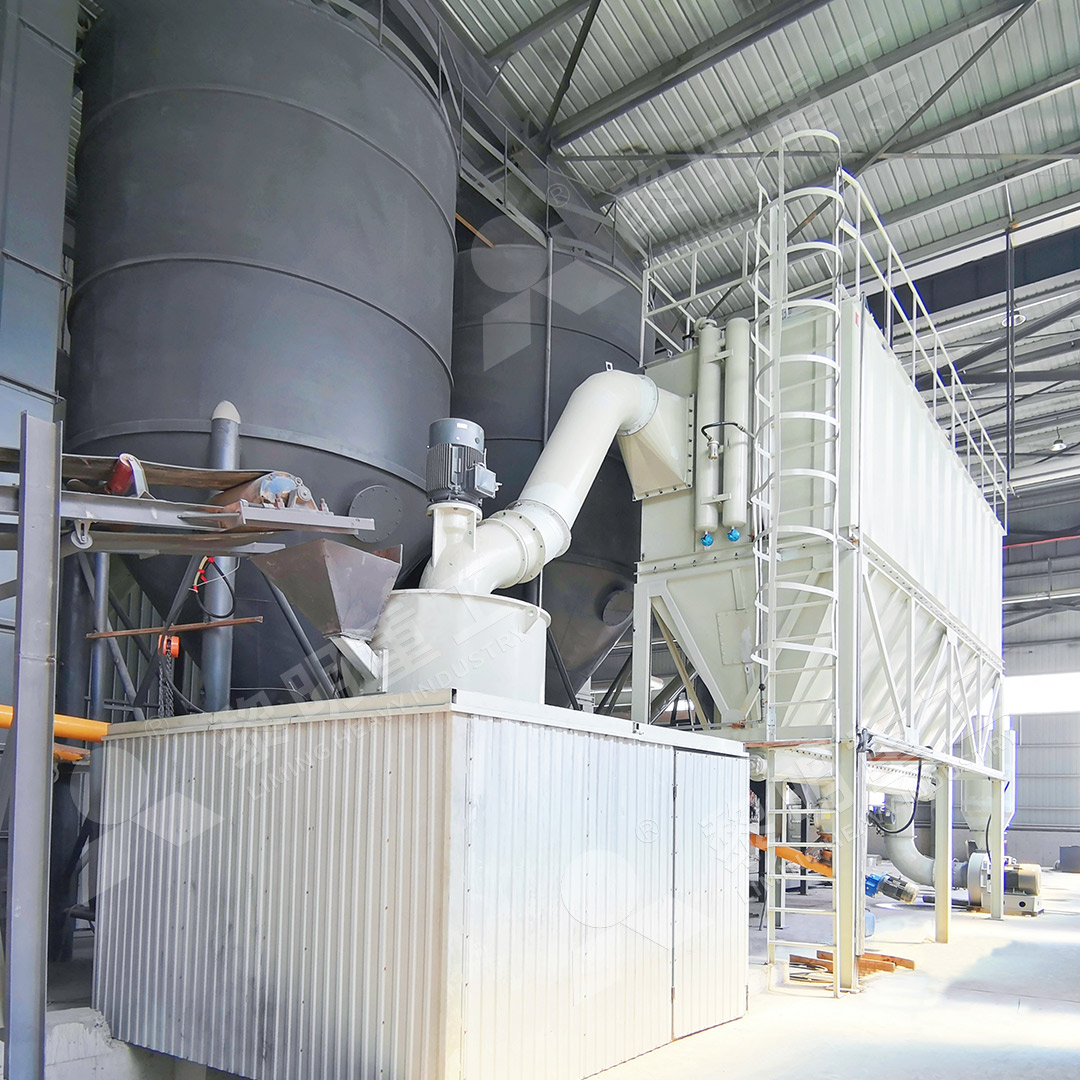
Economic and Environmental Benefits
The economics favor modern milling technology. The 6R Raymond Mill reduces energy consumption by up to 30%% compared to ball mills for the same fineness. The MW Ultrafine Mill slashes energy use by 40-50%% compared to traditional ultra-fine grinding methods. In a lithium market where energy costs are a significant line item, this is transformative. Furthermore, both mills are designed for digital control. Automated systems adjust feed rate, classifier speed, and grinding pressure in real-time, ensuring consistent product quality and minimizing operator intervention.
Environmentally, the integrated pulse dust collector and silencer mean these mills comply with the strictest emission standards. You can place them indoors or outdoors, reducing civil construction costs. The closed-loop pneumatic system recirculates air, minimizing thermal losses. For a lithium project aiming for ESG certification, investing in efficient, low-emission grinding equipment is a tangible step forward.
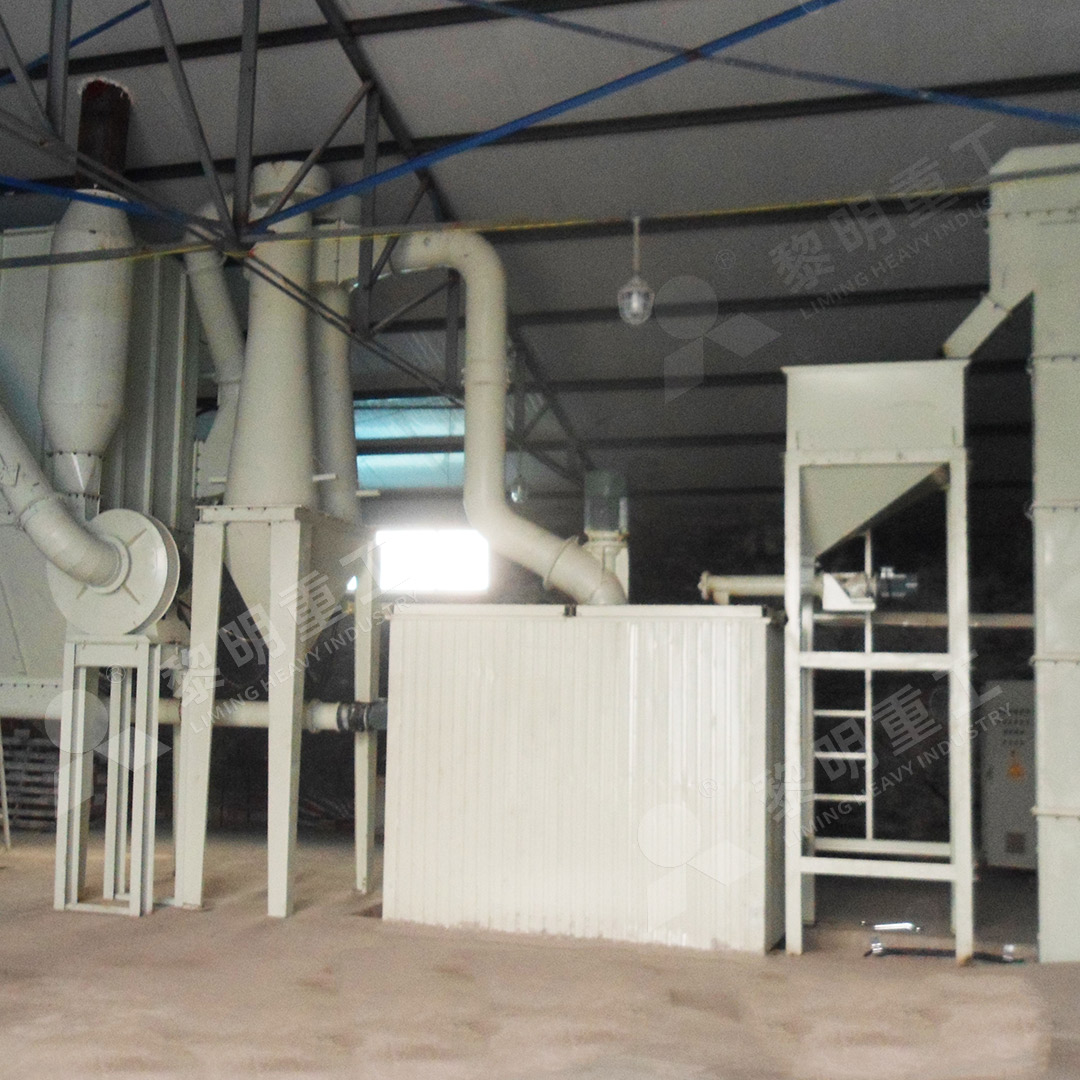
Conclusion: Your Partner in Lithium Grinding
Whether you are processing lithium feldspar for glass ceramics, or to produce battery-grade lithium compounds, LIMING Heavy Industry has the grinding solution tailored to your needs. The 6R Raymond Mill provides robust, reliable performance for standard fine grinding duties. The MW Ultrafine Grinding Mill opens the door to ultra-fine product markets with unmatched energy efficiency. We invite you to contact our engineering team to discuss your specific feed analysis and target product specifications. Let us help you select the mill that will maximize your return on investment and secure your position in the growing lithium supply chain.
Frequently Asked Questions (FAQ)
- Q: What is the maximum feed size for the 6R Raymond Mill when processing lithium feldspar?
A: The recommended maximum feed size is 25 mm for standard operation. Larger lumps can be accepted if a jaw crusher is used in the upstream circuit. - Q: Can the MW Ultrafine Grinding Mill handle materials with moisture content?
A: Yes, but for optimal performance, feed moisture should be below 6%%. For higher moisture, a hot air system can be integrated into the mill for in-situ drying during grinding. - Q: How often do the grinding rollers and rings need to be replaced in the 6R mill for feldspar?
A: With our high-chromium alloy parts, typical service life is 6-12 months of continuous operation, depending on feed abrasiveness. We recommend a spare set of rollers and rings to minimize downtime. - Q: What is the typical fineness achievable for lithium feldspar using the MW Ultrafine Mill?
A: The MW mill can achieve a fineness from 325 mesh (44 μm) down to 2500 mesh (5 μm). For battery-grade applications, a d97 of 10-15 μm is common and easily achievable. - Q: Is the 6R Raymond Mill suitable for other lithium-bearing minerals like spodumene?
A: Absolutely. The mill is designed for non-metallic minerals with Mohs hardness under 7. Spodumene, lepidolite, and petalite are all suitable materials. - Q: Does LIMING provide installation and commissioning support?
A: Yes, we provide comprehensive technical services, including on-site installation guidance, commissioning, and operator training. We also maintain a warehouse of original spare parts for rapid delivery. - Q: What are the environmental protection features of the MW Ultrafine Mill?
A: The mill is equipped with a high-efficiency pulse dust collector, silencer, and negative pressure system. It operates at noise levels below 85 dB and produces zero dust emission.