
China Manufacturer 4R Energy-Saving High-Efficiency Raymond Mill for Grinding
We provide a wide range of mills — including Raymond mill, trapezoidal mill, vertical mill, ultrafine mill, and ball mill, obtained ISO9001 international quality certification, EU CE certification, and Customs Union CU-TR certification. Suitable for processing minerals such as limestone, phosphate, quicklime, kaolin, talc, barite, bentonite, calcium carbonate, dolomite, coal, gypsum, clay, carbon black, slag, cement raw materials, cement clinker, and more.
The discharge range of these mills can be adjusted to meet specific processing needs, typically from 80-400 mesh, 600-3250 mesh, and can achieve the finest particle size of up to 6000 mesh(D50).
If you are looking for a reliable grinding solution to turn stone or minerals into fine powder, please feel free to contact our online customer service.
Introduction: The New Benchmark in Industrial Grinding
In the competitive landscape of mineral processing, the demand for equipment that combines energy efficiency, high throughput, and environmental compliance is relentless. As a leading China manufacturer, we have engineered a solution that redefines the standards for fine powder production: the 4R Energy-Saving High-Efficiency Raymond Mill. This machine is not merely an upgrade; it is a paradigm shift, designed to address the critical pain points of mill operators—high energy bills, frequent maintenance, and inconsistent product quality. Drawing on decades of grinding expertise and advanced manufacturing techniques, this mill delivers a robust, reliable, and eco-friendly performance that lowers your total cost of ownership.
Core Engineering: Efficiency Meets Durability
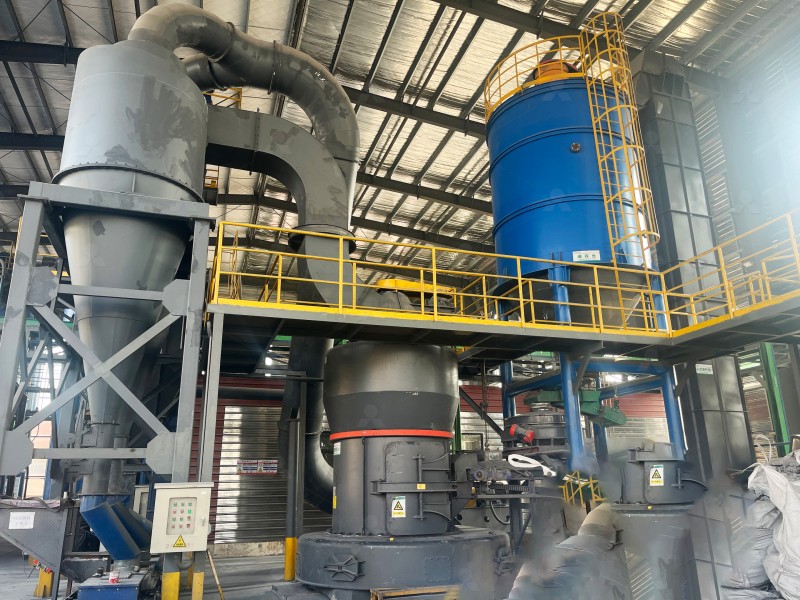
At the heart of our 4R Raymond Mill lies a meticulously designed grinding chamber that maximizes energy conversion. The newly engineered grinding curves of the roller and ring minimize slip and optimize the grinding zone, ensuring that every kilowatt-hour is used for size reduction, not wasted as heat or vibration. This translates to a remarkable 40% higher production capacity compared to conventional jet mills and stirred mills under the same power conditions. For operators transitioning from ball mills, the yield is effectively doubled, while system energy consumption plummets to only 30% that of a jet mill. This is not theoretical; these are measured, repeatable results from field operations.
Furthermore, we have eliminated two major failure points found in traditional mills: rolling bearings and screws inside the grinding chamber. By removing these components, we have eradicated the risks of bearing seal failure, lubricant contamination, and mechanical damage from loose fasteners. The lubrication system is relocated externally, allowing for 24-hour continuous operation without shutdowns for greasing. This design philosophy ensures that the mill remains online, producing consistent output, shift after shift.
Precision Classification and Product Quality
Fineness control is a non-negotiable requirement for industries ranging from cosmetics to power plant desulfurization. Our 4R mill incorporates a cage-type powder selector, a technology licensed from German engineering, which provides unmatched separation precision. Whether you need a coarse 325-mesh product for construction or an ultra-fine 2500-mesh powder for pharmaceuticals, the fineness is adjustable on the fly. The screening rate can achieve d97 ≤ 5μm in a single pass, eliminating the need for secondary classification.
To further enhance your production capabilities, we recommend our MW Ultrafine Grinding Mill. Designed for customers requiring ultra-fine powder down to 2500 mesh, the MW series operates with an input size of 0-20 mm and a capacity of 0.5-25 tph. It features the same German-derived powder selector technology and a pulse dust collector for zero-emission operation. For larger scale ultra-fine grinding, consider the LUM Ultrafine Vertical Grinding Mill, which handles 0-10 mm input with 5-18 tph capacity, integrating grinding, grading, and transport in one energy-efficient system.
Environmental Stewardship: Green by Design
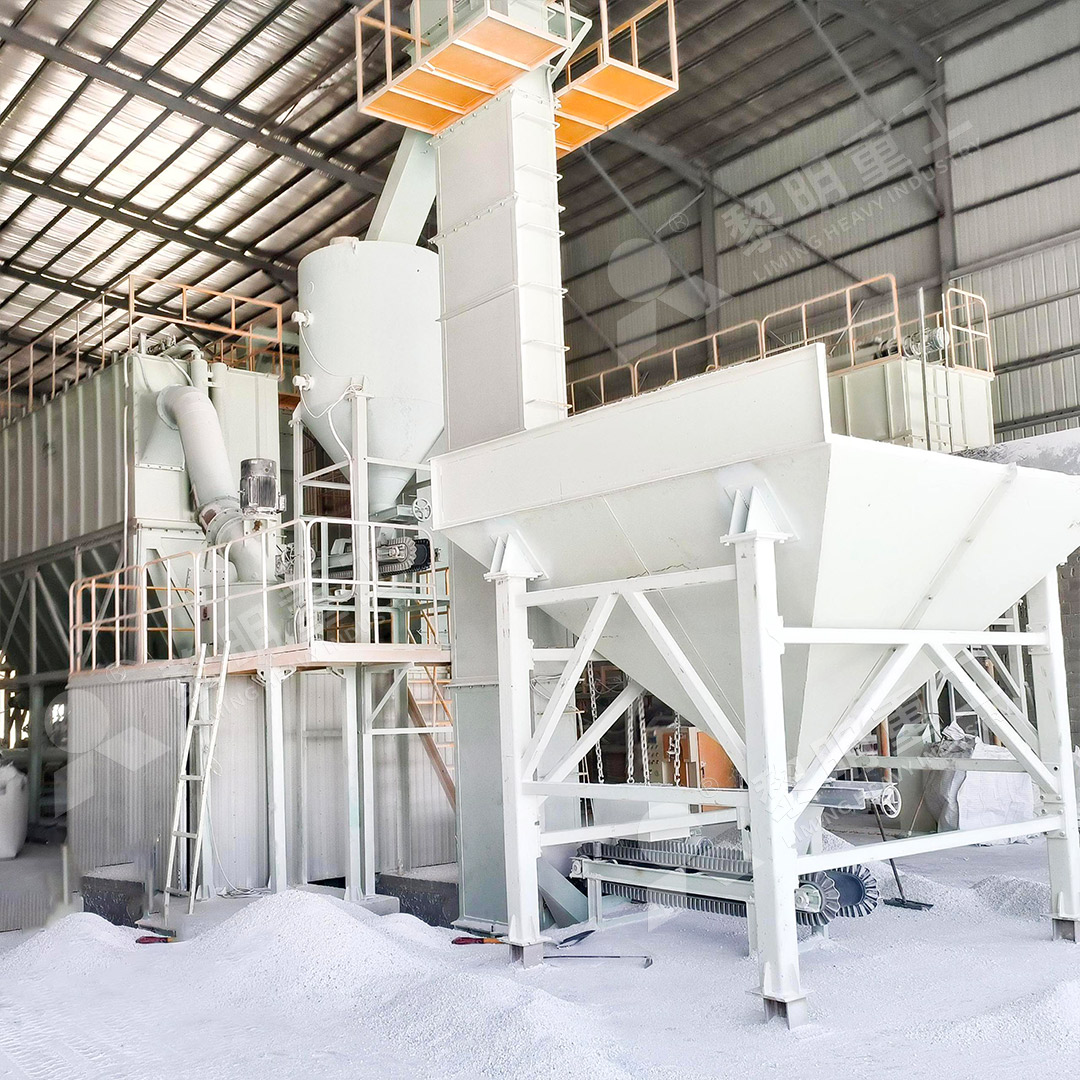
Regulatory pressure and corporate responsibility demand cleaner operations. Our 4R Energy-Saving Raymond Mill is engineered to exceed environmental standards. It comes standard with an efficient pulse dust collector that captures 99.9% of particulate matter, ensuring no dust escapes into the workshop or atmosphere. A built-in silencer and noise elimination room reduce acoustic emissions to levels compliant with strictest international norms. The entire system operates under negative pressure, preventing fugitive emissions. This means you can install the mill in sensitive locations without community complaints or regulatory fines.
Digital Manufacturing and After-Sales Support
Precision begets performance. Our factory utilizes tens of CNC machine tools for all critical operations—cutting, bending, planing, milling, and painting. This digitalized control ensures that every grinding roller, ring, and housing component meets exact tolerances. The result is a machine that runs true, wears evenly, and delivers consistent product quality over its lifespan. We back this quality with a comprehensive spare parts program. As a manufacturer that sells directly, we maintain a complete inventory of original wear parts, ensuring that when you need a replacement, it ships immediately. Your operation remains worry-free.
How It Works: From Feed to Finished Powder
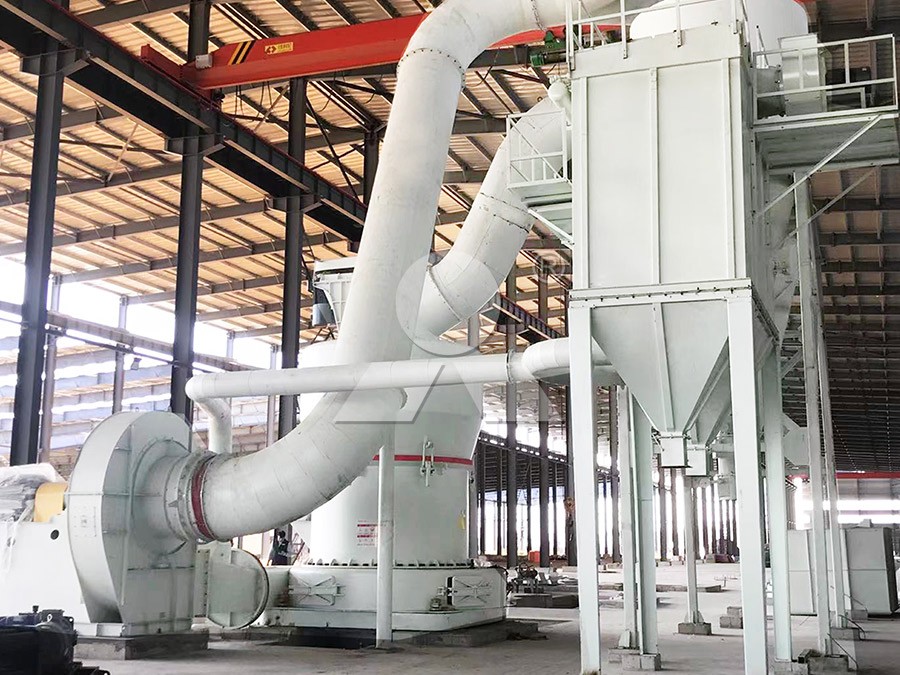
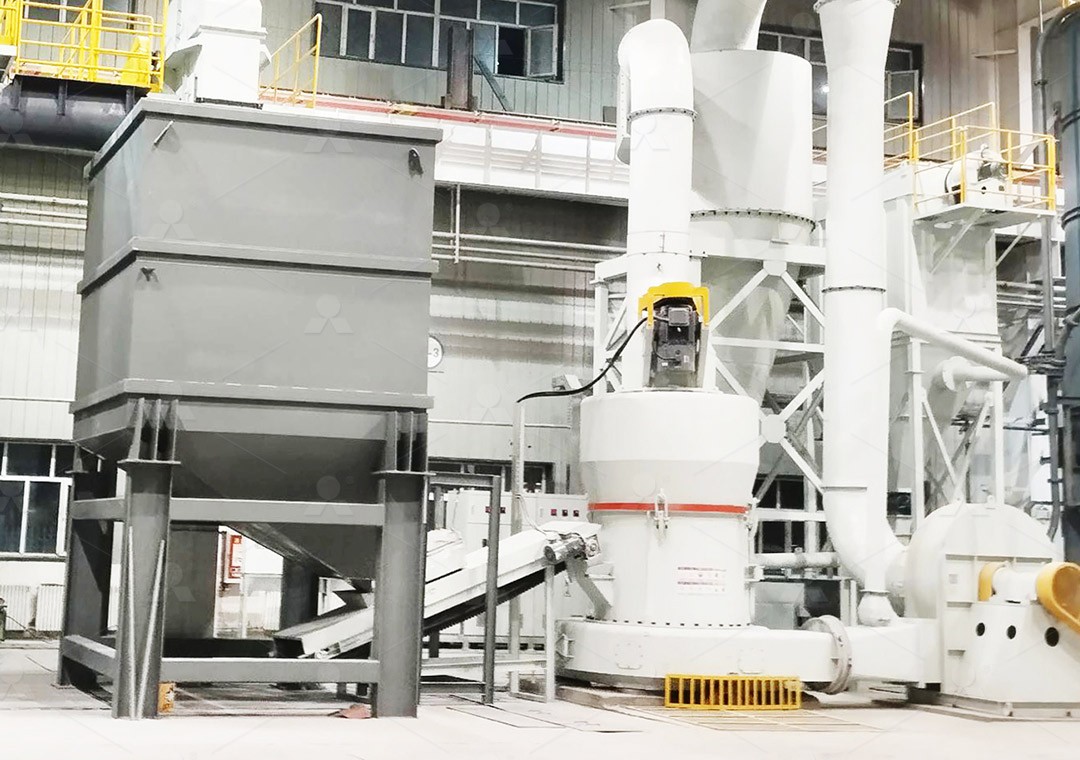
The working principle is straightforward yet highly effective. The motor drives the main shaft and turnplates via a reducer. Dozens of rollers rotate against the raceway of the ring, crushing material fed from a hopper by a vibrating feeder. Material falls to the central turnplate and is flung outward by centrifugal force. After passing through three grinding layers, the air stream carries the powder to the separator. Coarse particles fall back for regrinding; fine particles enter the cyclone collector and are discharged as final product. Clean air exits through the blower and muffler after final filtration.
Conclusion
The 4R Energy-Saving High-Efficiency Raymond Mill is more than a machine; it is a strategic asset for any mineral processing operation. It offers the trifecta of modern manufacturing: lower energy consumption, higher throughput, and environmental compliance. Backed by a Chinese manufacturer with global reach and a commitment to precision engineering, this mill is your partner in profitability and sustainability.
Frequently Asked Questions (FAQ)
- Q: What is the typical payback period for the 4R Energy-Saving Raymond Mill compared to a traditional ball mill? A: Depending on local energy costs and material hardness, most users achieve a payback period of 12 to 18 months due to the 30-40% reduction in energy consumption and doubled production capacity.
- Q: Can this mill handle materials with high moisture content? A: The mill is designed for materials with less than 6% moisture. For higher moisture feeds, a drying system must be integrated upstream, or you may consider our LM Vertical Mill which features an integrated drying chamber.
- Q: What maintenance is required for the external lubrication system? A: The external dilute oil lubrication system requires minimal intervention. Operators should check oil levels weekly and change the oil filter every 500 operating hours. The system is designed for 24/7 continuous operation without internal relubrication.
- Q: How do I adjust the fineness between 325 and 2500 mesh? A: Fineness is adjusted by changing the rotational speed of the cage-type powder selector via the control panel. No physical component changes are required for most adjustments; it is a fully digital process. For extreme fines (d97 ≤ 5μm), minor disc gap adjustments may be needed.
- Q: Does the manufacturer provide on-site commissioning and training? A: Yes, our service contracts include on-site commissioning by a LIMING engineer and a comprehensive training program for your operators covering safety, daily operation, and routine maintenance. Spare parts kits for the first year are available as an option.
- Q: What spare parts are most commonly consumed, and how fast can I get them? A: The most common wear parts are the grinding rollers and rings. Due to our CNC precision forging, these parts last 1.7-2.5 times longer than standard alloy parts. We maintain a global network of warehouses; express shipping typically delivers critical parts within 48-72 hours.