
85 Raymond Mill Technical Specifications and Application Guide
We provide a wide range of mills — including Raymond mill, trapezoidal mill, vertical mill, ultrafine mill, and ball mill, obtained ISO9001 international quality certification, EU CE certification, and Customs Union CU-TR certification. Suitable for processing minerals such as limestone, phosphate, quicklime, kaolin, talc, barite, bentonite, calcium carbonate, dolomite, coal, gypsum, clay, carbon black, slag, cement raw materials, cement clinker, and more.
The discharge range of these mills can be adjusted to meet specific processing needs, typically from 80-400 mesh, 600-3250 mesh, and can achieve the finest particle size of up to 6000 mesh(D50).
If you are looking for a reliable grinding solution to turn stone or minerals into fine powder, please feel free to contact our online customer service.
Introduction to the 85 Raymond Mill
When it comes to grinding non-metallic minerals and industrial powders, the 85 Raymond Mill stands as a workhorse in the field. Designed for small to medium-scale operations, this mill processes materials with a feed size under 25 mm and delivers a capacity ranging from 0.6 to 5 tons per hour. It is the first-generation grinding mill developed by Liming Heavy Industry, yet it remains highly relevant for applications like desulfurization, metallurgy, and non-metallic ore milling. The machine’s compact footprint and low investment costs make it an attractive entry-level option for businesses looking to establish or expand their powder processing capabilities.
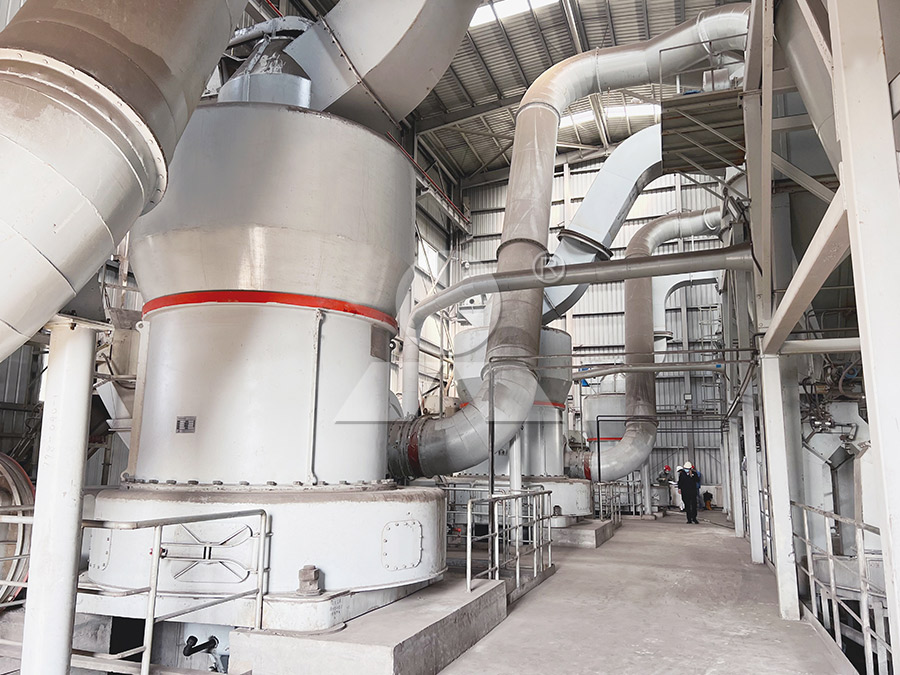
But let’s be clear—this isn’t just an old design. Over the years, our engineers have optimized the R series to reduce consumption, improve efficiency, and meet modern environmental standards. The mill operates with a closed airflow system under negative and positive pressure, minimizing dust leakage. For those who need finer powders or higher throughput, we also recommend exploring the MTW European Trapezium Grinding Mill, which handles feed sizes up to 50 mm and capacities up to 55 tph, offering bevel gear transmission and cambered air ducts for lower energy use.
Technical Specifications at a Glance
| Parameter | 85 Raymond Mill |
|---|---|
| Input Size | < 25 mm |
| Capacity | 0.6 – 5 tph |
| Application Scope | Cement, coal, desulfurization, metallurgy, non-metallic minerals, construction, ceramics |
| Grinding Principle | Roller oscillates outward to press ring; shovel scoops material between roller and ring |
| Fineness Range | Adjustable via separator (typically 80-325 mesh) |
These numbers might seem modest compared to larger mills, but for many中小 enterprises, the 85 Raymond Mill delivers just the right balance of cost and output. It’s a machine that doesn’t overcomplicate things—no fancy hydraulics, no complex digital controls. Just solid, reliable grinding.
How the 85 Raymond Mill Works
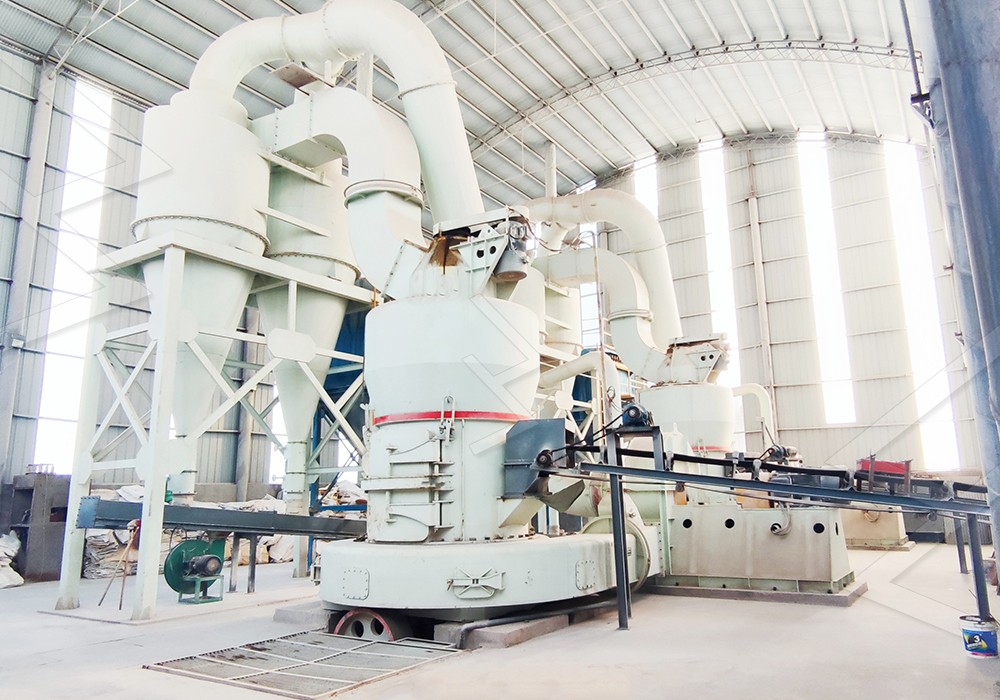
The working principle is straightforward. First, raw material is crushed by a jaw crusher to the required size. The crushed material is then elevated into a hopper and fed evenly into the grinding chamber via an electromagnetic vibrating feeder. Inside the chamber, the grinding rollers oscillate outward under centrifugal force, pressing against the grinding ring. A shovel blade scoops up the material and sends it between the roller and ring, where grinding occurs.
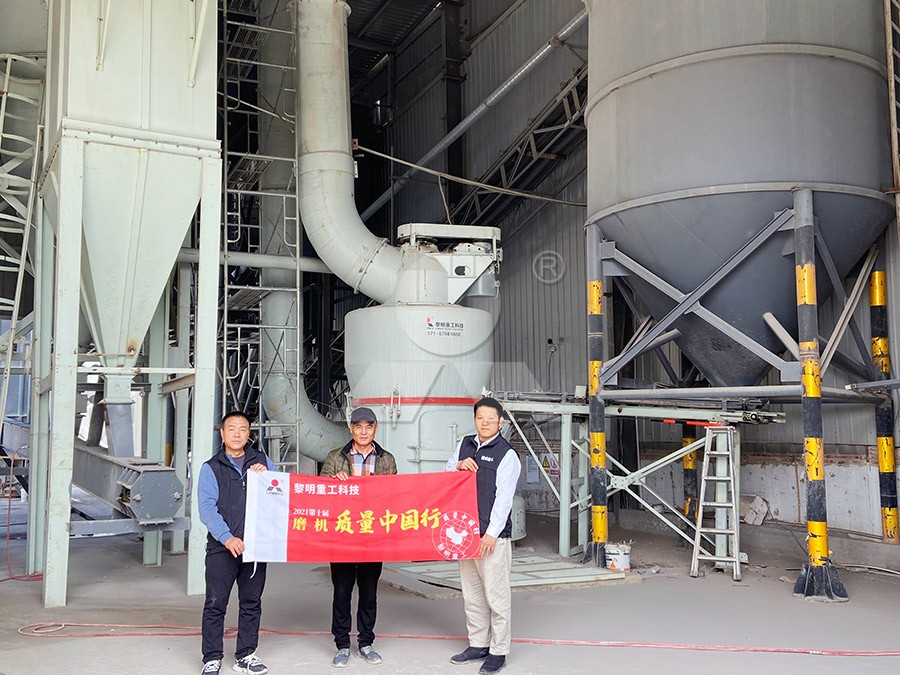
After grinding, the ground material is carried upward by airflow from the blower into a separator. Fine powder passes through and enters a cyclone collector, where it is discharged as final product. Coarse particles fall back into the grinding chamber for another pass. The entire airflow system is sealed and operates under both negative and positive pressure, ensuring that dust stays contained. This closed-loop design is one reason why the 85 Raymond Mill remains popular in environments where dust control matters.
For operations that require even finer powders—say, 325 to 2500 mesh—we suggest looking at the MW Ultrafine Grinding Mill. With a feed size of 0-20 mm and capacity up to 25 tph, it uses a cage-type powder selector based on German technology and achieves d97≤5μm in a single pass. Its pulse dust collector and muffler also make it one of the quietest and cleanest mills in its class.
Key Features and Real-World Benefits
Let’s talk about what actually matters on the shop floor. The 85 Raymond Mill features an R series optimized design that lowers energy consumption per ton of output compared to older Raymond models. The investment cost is low, and the machine occupies minimal floor space—critical for plants where real estate is tight.
Maintenance is straightforward. There are no rolling bearings or screws inside the grinding chamber, which eliminates common failure points like bearing seal damage or loose fasteners. The lubricating device is mounted externally on the main shaft, allowing lubrication without stopping production. That means you can run the mill 24 hours a day if needed.
Another practical advantage: spare parts availability. Liming handles both production and sales, so we keep original spare parts in stock. If a roller or ring wears out, you get the genuine component without cross-shipping delays. This isn’t just marketing talk—it’s a commitment that keeps mills running and managers sleeping easier.
Applications Across Industries
The 85 Raymond Mill isn’t a one-trick pony. It grinds limestone, calcite, dolomite, gypsum, barite, marble, talc, and coal powder, among others. In the cement industry, it’s used for raw meal and clinker grinding. Power plants use it for desulfurization with limestone powder. Metallurgical plants rely on it for processing non-metallic ores. The construction materials sector uses it for ceramics and marble powder.
One thing to note: moisture content matters. If your material exceeds 10%% humidity, you might need a drying step before grinding, or consider a mill with integrated drying like the LUM Ultrafine Vertical Grinding Mill. But for typical dry materials, this Raymond mill handles the job without complaints.
Comparison with Modern Alternatives
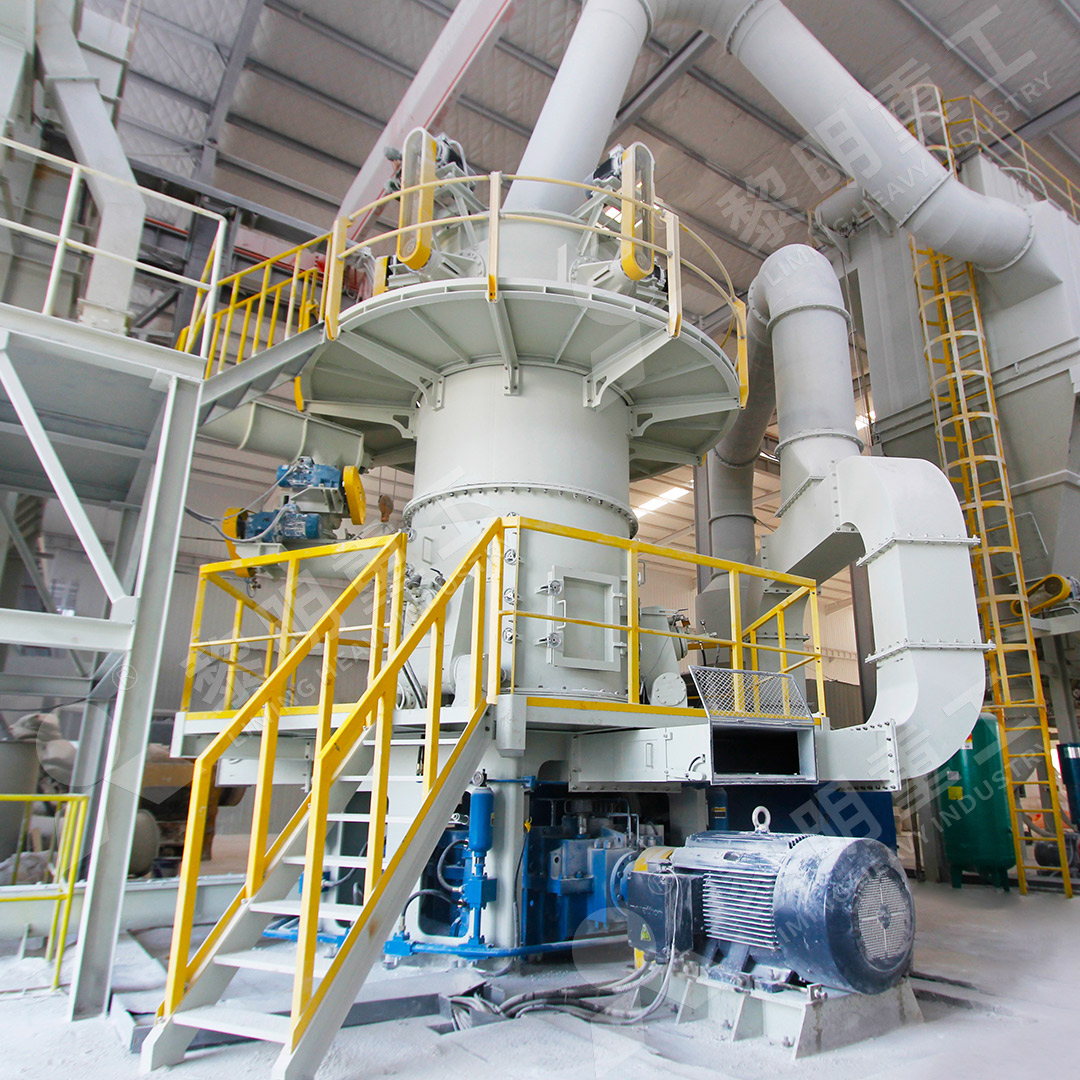
How does the 85 Raymond Mill stack up against newer designs? It’s simpler and cheaper, but less efficient than vertical roller mills or ultrafine mills. For example, the LUM Ultrafine Vertical Grinding Mill uses roller shell and lining plate curves that form a material bed, reducing energy consumption by 30-50%% compared to traditional ball mills. It also integrates grinding, classifying, and conveying in one unit, saving floor space.
But simplicity has its own virtues. The 85 Raymond Mill is easier to operate and maintain for smaller teams. There’s no need for hydraulic systems or PLC programming. If your production demands are modest and your budget tight, it’s a logical choice. For scaling up, you can always graduate to the MW Ultrafine Grinding Mill or the MTW-Z European Trapezium Mill.
Conclusion
The 85 Raymond Mill remains a solid, cost-effective solution for many grinding applications. It’s not the flashiest machine on the market, but it gets the job done with minimal fuss. When paired with proper maintenance and genuine spare parts from Liming, it can serve reliably for years. For higher capacities or finer powders, our MW Ultrafine Grinding Mill and MTW European Trapezium Grinding Mill offer advanced features without sacrificing reliability.
Frequently Asked Questions
- What is the maximum feed size for the 85 Raymond Mill?
The maximum feed size is under 25 mm. Larger lumps should be pre-crushed using a jaw crusher or similar equipment. - Can the 85 Raymond Mill grind high-moisture materials?
It works best with materials having less than 10%% humidity. For wetter materials, consider pre-drying or use a mill with integrated drying capability. - What fineness can I expect from this mill?
Typical fineness ranges from 80 to 325 mesh, adjustable via the separator speed. For finer powders (325-2500 mesh), the MW Ultrafine Grinding Mill is recommended. - How does the 85 Raymond Mill compare to a ball mill?
The Raymond mill has a smaller footprint, lower investment, and simpler operation. However, ball mills can achieve finer grinds and handle harder materials in some cases. - Is dust emission a problem?
The mill operates in a closed-loop airflow system under negative and positive pressure, so dust leakage is minimal. An optional pulse dust collector can be added for stricter environmental standards. - What spare parts are most commonly needed?
Grinding rollers and rings wear over time and are the most frequently replaced parts. Liming supplies original components to ensure fit and performance. - Can I run the mill continuously?
Yes. The external lubrication system allows oiling without shutdown, so continuous 24-hour operation is possible as long as the machine is properly maintained. - Which industries commonly use this mill?
Cement, coal, power plant desulfurization, metallurgy, non-metallic minerals, construction materials, and ceramics are typical application areas. - What is the power consumption per ton?
Exact figures depend on material hardness and fineness, but the optimized R series design generally consumes less energy than older Raymond models. - Do you offer onsite installation support?
Yes. Liming provides technical services for installation, commissioning, and training. We also supply original spare parts to keep your mill running.