
Fujian Talc Powder Grinding Mill: High-Efficiency Processing Solution for Industrial Mineral Production
We provide a wide range of mills — including Raymond mill, trapezoidal mill, vertical mill, ultrafine mill, and ball mill, obtained ISO9001 international quality certification, EU CE certification, and Customs Union CU-TR certification. Suitable for processing minerals such as limestone, phosphate, quicklime, kaolin, talc, barite, bentonite, calcium carbonate, dolomite, coal, gypsum, clay, carbon black, slag, cement raw materials, cement clinker, and more.
The discharge range of these mills can be adjusted to meet specific processing needs, typically from 80-400 mesh, 600-3250 mesh, and can achieve the finest particle size of up to 6000 mesh(D50).
If you are looking for a reliable grinding solution to turn stone or minerals into fine powder, please feel free to contact our online customer service.
Fujian Talc Powder Grinding Mill: High-Efficiency Processing Solution for Industrial Mineral Production
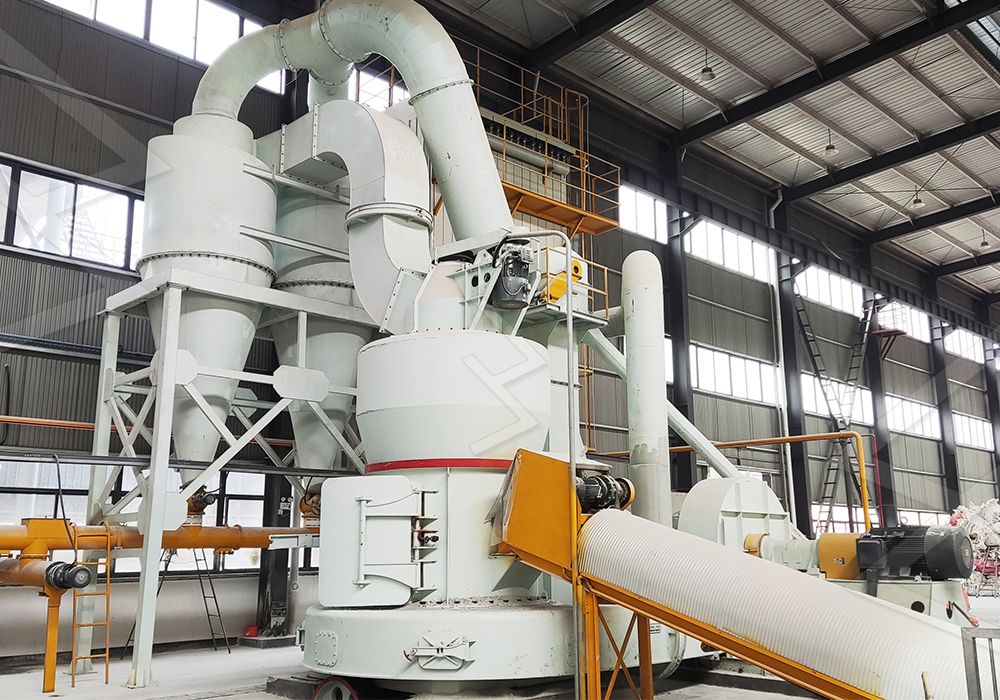
The industrial mineral processing sector demands equipment that combines reliability, efficiency, and environmental compliance. Fujian province, a key hub for talc mining and processing in China, requires grinding mills capable of handling the unique characteristics of talc—a soft mineral with a Mohs hardness of 1. This article explores how advanced grinding technologies, specifically those offered by LIMING Heavy Industry, provide tailored solutions for talc powder production. We will focus on the MW Ultrafine Grinding Mill and the LUM Ultrafine Vertical Grinding Mill, both engineered to deliver high capacity, ultra-fine fineness, and low energy consumption.
Why Talc Milling Requires Specialized Equipment
Talc is widely used in industries such as ceramics, paint, cosmetics, papermaking, and plastics. The final product fineness often ranges from 325 mesh to 2500 mesh (d97 ≤ 5 μm). Traditional ball mills or jet mills can achieve these specifications, but they typically suffer from high energy consumption, excessive wear, and noise pollution. LIMING’s grinding mills address these issues through innovative design features.
Key Technologies for High-Efficiency Talc Processing
Ultra-Fine Grinding with MW Ultrafine Grinding Mill
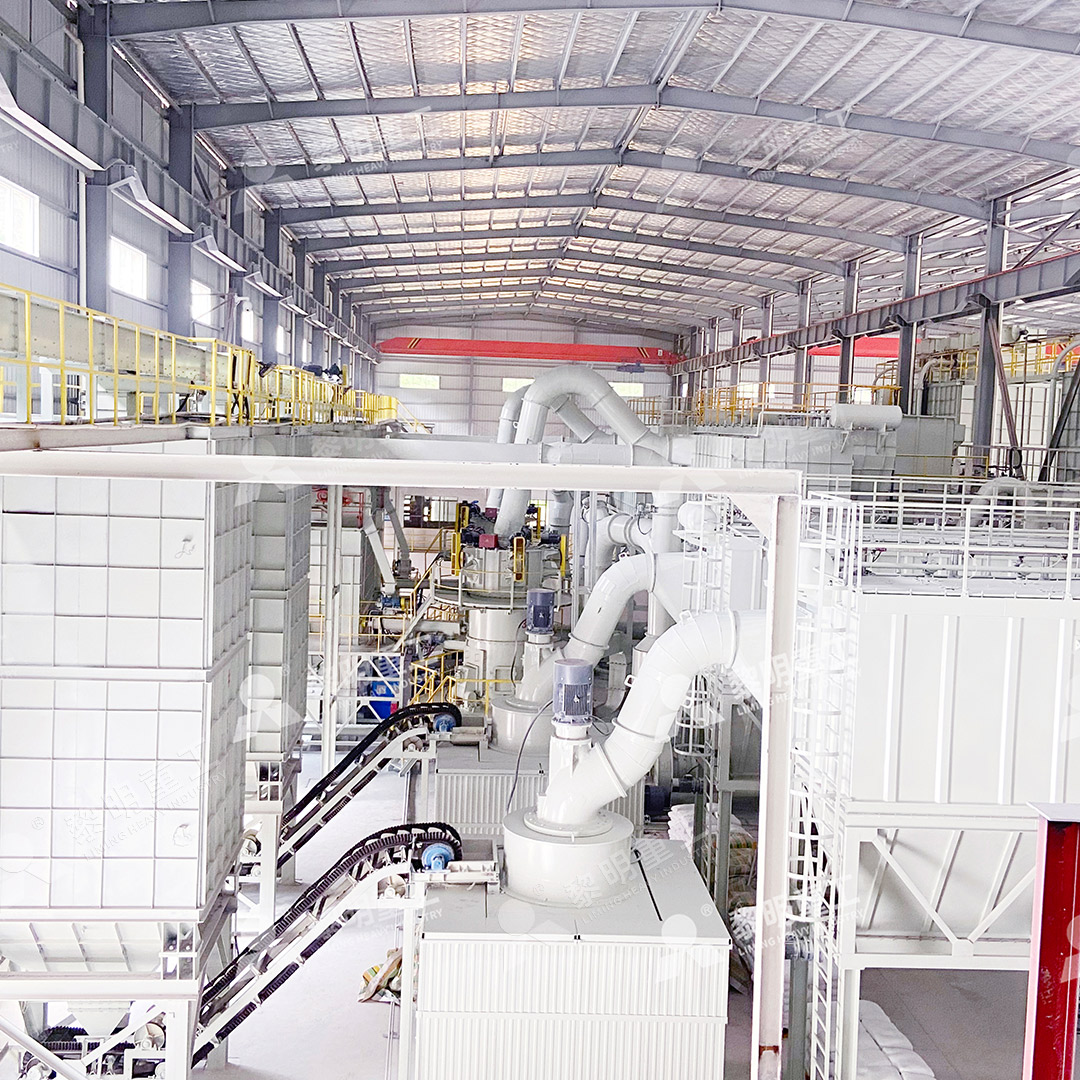
The MW Ultrafine Grinding Mill is specifically designed for customers requiring ultra-fine powder. Its input size is 0-20 mm, and it can handle capacities from 0.5 to 25 tph. One of its standout features is the newly designed grinding curves of the roller and ring, which enhance grinding efficiency. Compared to jet mills, the MW mill offers 40% higher production capacity at the same fineness, and its energy consumption is only 30% of a jet mill’s. It also uses a cage-type powder selector based on German technology, allowing fineness adjustment between 325 and 2500 mesh. The system is equipped with an efficient pulse dust collector and a muffler, ensuring dust-free and low-noise operation that meets strict environmental standards.
Vertical Mill Technology for Larger Capacity
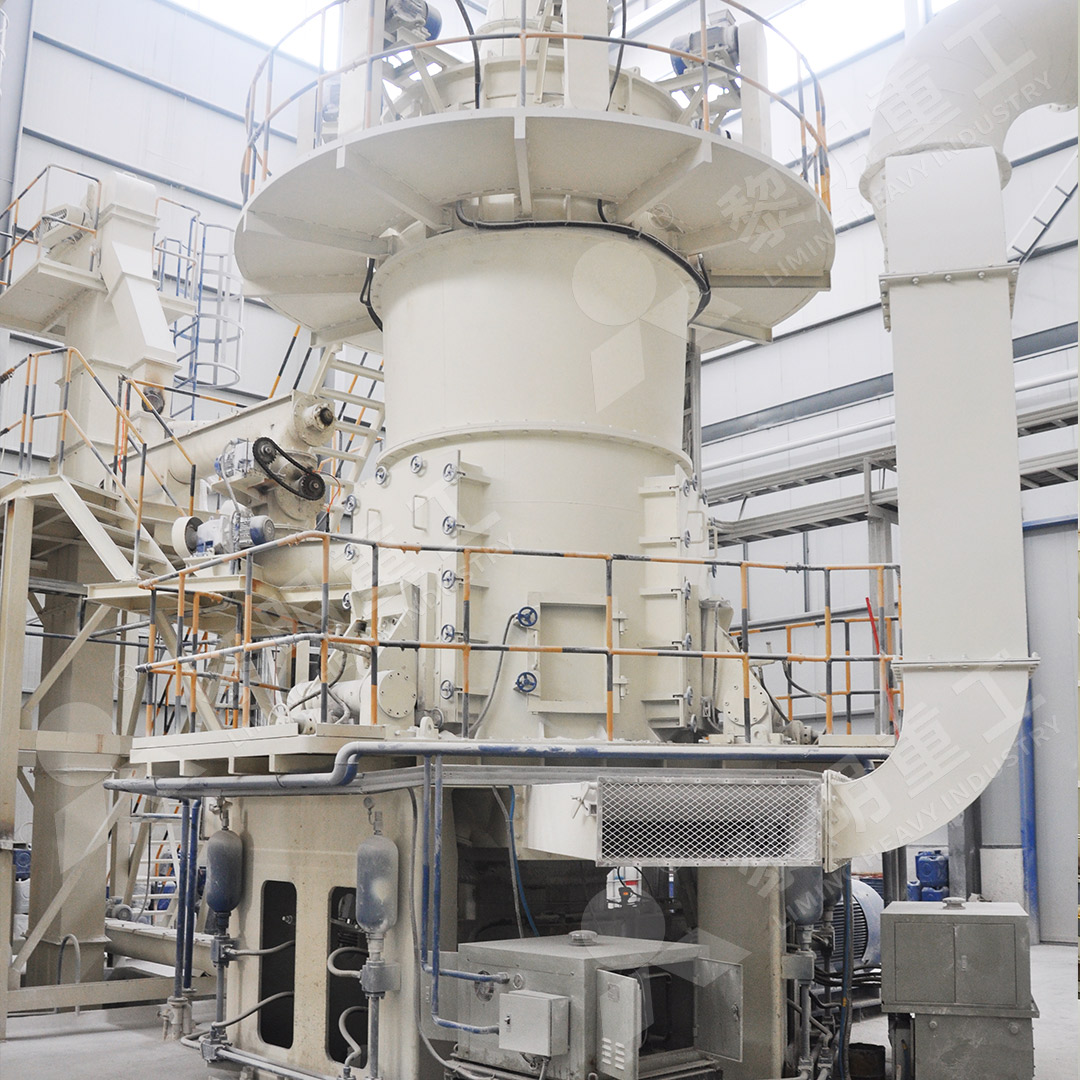
For applications requiring higher throughput, the LUM Ultrafine Vertical Grinding Mill is an excellent alternative. It integrates grinding, grading, and conveying into one unit, with an input size of 0-10 mm and capacity ranging from 5 to 18 tph. The LUM mill adopts Taiwan roller technology and German powder separating technology, ensuring high-quality finished products. Its double position-limiting technology prevents destructive vibrations, making operation stable even under heavy loads. The reversible structure simplifies maintenance, allowing operators to quickly replace roller shells and liner plates, minimizing downtime. Energy consumption is reduced by 30-50% compared to common grinding mills.
Both mills feature digitalized processing: steel plates cutting, bending, and milling are controlled by tens of numerical control machines, ensuring high precision for core parts. LIMING also offers sufficient spare parts supply, guaranteeing worry-free operation.
Case Study: Talc Processing in Fujian
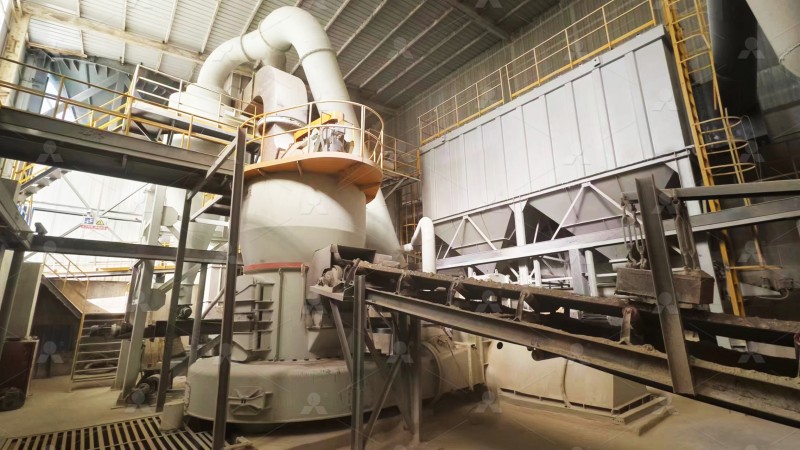
In a typical Fujian talc processing plant, raw talc lumps are first crushed to 0-20 mm using a hammer crusher. This material is then fed into the MW Ultrafine Grinding Mill. The working principle involves a motor driving the main shaft, which rotates turnplates. Small materials fall to the raceway ring and are crushed into powder by dozens of rollers. After passing through multiple turnplates, the powder enters the separator. Coarse powder drops down for regrinding, while fine powder is collected in a cyclone collector. The air current is purified by a filter before being discharged.
Environmental and Economic Benefits
The MW mill’s pulse dust collector captures over 99% of fine particles, preventing dust pollution. The muffler reduces noise levels significantly. This aligns with the national push for greener manufacturing. Economically, the higher yield and lower energy consumption translate to rapid return on investment. For example, the MW mill’s capacity is twice that of a ball mill under the same power, yet its system energy consumption is only 30% of a jet mill.
Selecting the Right Mill for Your Talc Project
When choosing between the MW Ultrafine Grinding Mill and LUM Ultrafine Vertical Grinding Mill, consider your production scale and fineness requirements. For small to medium capacities (0.5-25 tph) with high fineness (325-2500 mesh), the MW mill is ideal. For larger capacities (5-18 tph) and requirements for high whiteness and cleanliness, the LUM mill provides better performance. Both mills can process talc, limestone, calcite, and similar non-metallic minerals.
Our company also offers other models, including LM Vertical Grinding Mill (capacity 3-340 tph) and MTW European Trapezium Grinding Mill (capacity 3-55 tph), each with unique features like elastic volute damping or dilute oil lubrication. However, for talc ultra-fine powder, we recommend the MW or LUM series.
Conclusion
Fujian talc powder production benefits greatly from advanced grinding mills that combine high efficiency, low energy consumption, and environmental friendliness. LIMING’s MW Ultrafine Grinding Mill and LUM Ultrafine Vertical Grinding Mill deliver on all these fronts. Whether you need fine powders for cosmetics or industrial fillers, these machines provide a reliable solution. With digitalized manufacturing and comprehensive spare parts support, you can trust our equipment for long-term operation.
Frequently Asked Questions (FAQ)
Q1: What is the maximum feed size for the MW Ultrafine Grinding Mill when processing talc?
A1: The maximum feed size is 0-20 mm. Material larger than this should be pre-crushed using a hammer crusher or jaw crusher.
Q2: Can the LUM Ultrafine Vertical Grinding Mill handle materials other than talc?
A2: Yes, it is suitable for a wide range of non-metallic minerals including limestone, calcite, dolomite, barite, marble, and coal powder. It is also used in the chemical, paint, and pharmaceutical industries.
Q3: How do you adjust the fineness of the final product in the MW mill?
A3: The fineness is adjustable between 325-2500 meshes by changing the rotating speed of the cage-type powder selector. The multi-head cage-type selector can also be configured based on yield and sieving rate requirements.
Q4: What is the noise level of these grinding mills?
A4: Both mills are equipped with mufflers and noise elimination chambers. The MW mill’s silencer and the LUM mill’s sealed design keep noise low. Specific decibel levels depend on installation environment, but they meet national environmental standards.
Q5: How often do the grinding rollers need replacement?
A5: The wear rate depends on material hardness and operating hours. LIMING uses wear-resistant alloys that extend service life 1.7-2.5 times compared to traditional high-manganese steel. Typical replacement intervals are every 6-12 months under normal operation.
Q6: Is dust pollution completely eliminated?
A6: The MW mill has an efficient pulse dust collector ensuring no dust pollution during operation. The LUM mill operates under negative pressure with an integral sealed system, preventing dust spillage.
Q7: Can these mills be used for 24-hour continuous production?
A7: Yes, the MW mill has a lubricating device outside the main shaft, allowing lubrication without shutdown, enabling continuous 24-hour operation. The LUM mill also supports continuous operation with remote control systems.
Q8: What is the difference between the MW and LUM mills in terms of capacity?
A8: The MW mill has a capacity of 0.5-25 tph, suitable for small to medium production. The LUM mill has a capacity of 5-18 tph, designed for larger-scale operations requiring consistent high output.