
Low-Cost Weifang Raymond Mill Manufacturer | Qingdao Liming Professional Grinding Machine Supplier
We provide a wide range of mills — including Raymond mill, trapezoidal mill, vertical mill, ultrafine mill, and ball mill, obtained ISO9001 international quality certification, EU CE certification, and Customs Union CU-TR certification. Suitable for processing minerals such as limestone, phosphate, quicklime, kaolin, talc, barite, bentonite, calcium carbonate, dolomite, coal, gypsum, clay, carbon black, slag, cement raw materials, cement clinker, and more.
The discharge range of these mills can be adjusted to meet specific processing needs, typically from 80-400 mesh, 600-3250 mesh, and can achieve the finest particle size of up to 6000 mesh(D50).
If you are looking for a reliable grinding solution to turn stone or minerals into fine powder, please feel free to contact our online customer service.
Low-Cost Weifang Raymond Mill Manufacturer | Qingdao Liming Professional Grinding Machine Supplier
When you are shopping for grinding machinery, the name that keeps popping up in serious industrial circles is Liming Heavy Industries, headquartered in Qingdao with deep manufacturing roots stretching into Weifang. This is not a flashy marketing pitch. This is about a company that has been quietly building a reputation for delivering robust, low-cost Raymond mills and ultra-fine grinding solutions for over three decades. If you are looking for a professional grinding machine supplier that understands the pain points of production managers—downtime, energy bills, and inconsistent powder quality—you have landed in the right place.
The Real Cost of a Cheap Mill
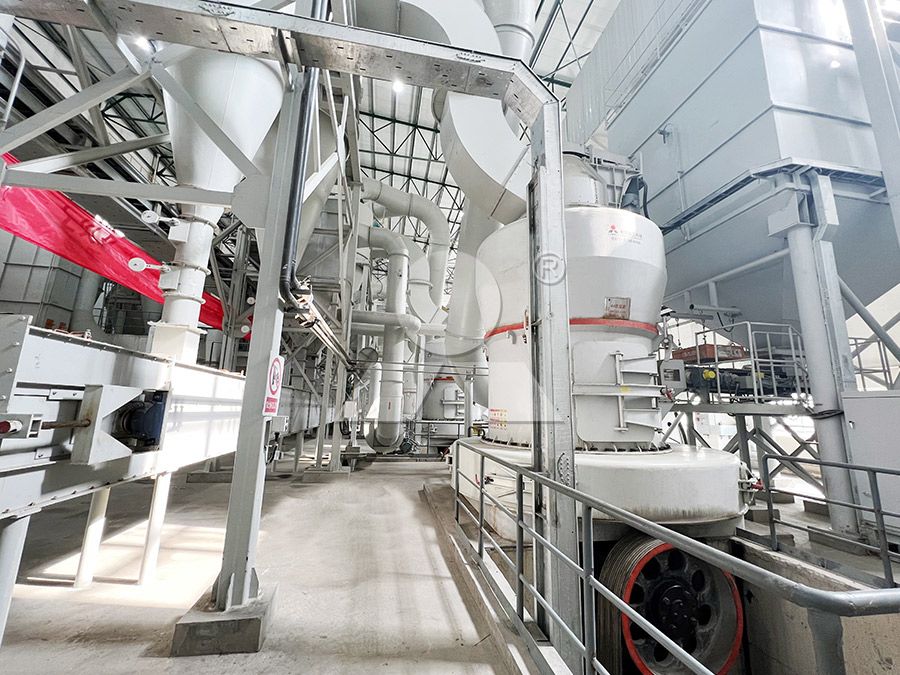
Let’s get one thing straight right away. Low-cost does not mean cheap junk. In Weifang and the surrounding industrial belt of Shandong Province, there is a culture of precision manufacturing that keeps overheads low without sacrificing quality. Liming operates tens of lines of numerical controlling machine tools. Every steel plate cut, every bend, every planing and milling operation is controlled numerically. This digitalized processing ensures that core parts are machined to exacting tolerances. You are not buying a mill that will shake itself apart after six months. You are buying a machine that was built by people who understand that a 0.2-millimeter error in a grinding ring leads to a 15%% drop in yield.
The first thing any plant manager asks is, “How much is this going to cost me in maintenance?” With Liming’s MW Ultrafine Grinding Mill, the answer is surprisingly low. There is no rolling bearing and no screw inside the grinding chamber. That means no bearing seal failures, no loose screws rattling around and damaging the machine. The lubricating device sits outside the main shaft. You can lubricate without stopping production. That is 24-hour continuous operation without those annoying midnight shutdowns.
Why Weifang Manufacturing Keeps Your Costs Down
Weifang has long been a hub for heavy machinery manufacturing in China. The supply chain is mature. Raw materials, skilled labor, and specialized component suppliers are all within a short truck drive. This ecosystem allows Liming to offer competitive pricing without using substandard materials. When you buy a Raymond mill from a Weifang-based manufacturer like Liming, you are getting a machine built with locally sourced high-grade steel and wear-resistant alloys that have been tested in some of the harshest mining environments in Asia.
Take the MTW European Trapezium Mill, for example. This machine uses grinding rollers and rings developed jointly by Liming and scientific research institutes. These wear-resistant alloy parts last 1.7 to 2.5 times longer than traditional high-manganese steel components. The split-type shovel blade is cambered, which effectively enlarges the working area and improves production efficiency. The pneumatic sealing device eliminates coarse powder spilling, so you get a consistent product without wasting material.
Pushing Boundaries with Ultra-Fine Grinding
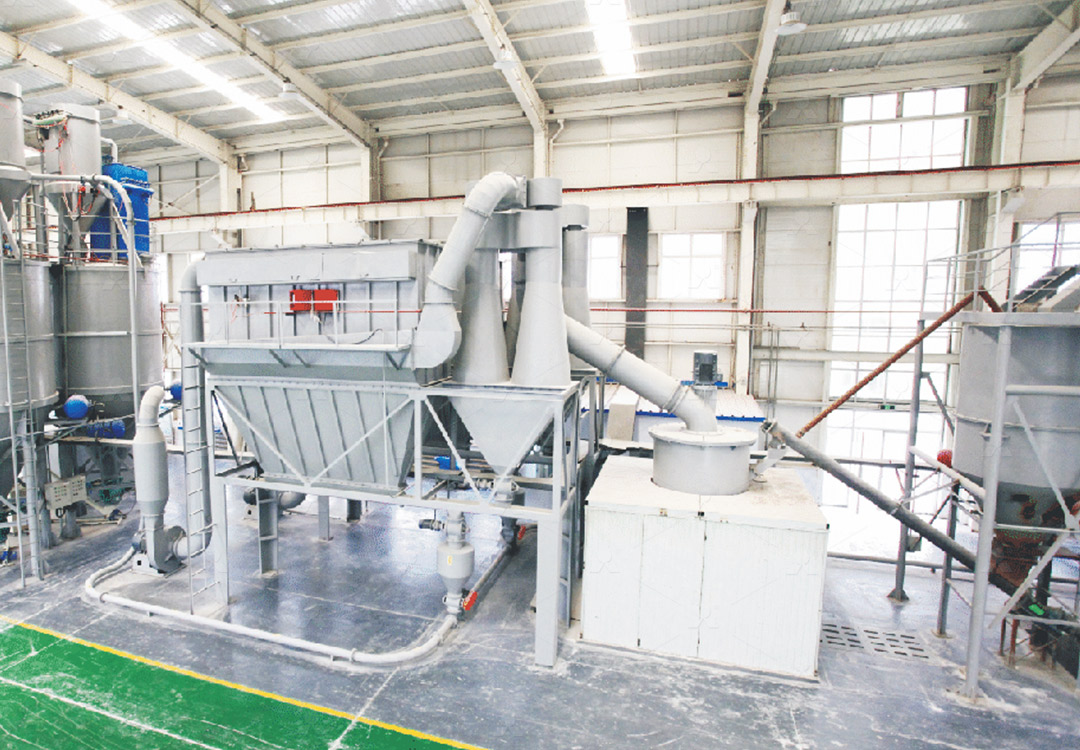
If your operation demands ultra-fine powders—and let’s face it, the market is moving that way fast—you need to look seriously at the MW Ultrafine Grinding Mill. This machine was designed from the ground up for customers who need to make powder down to 2500 mesh. That is d97 ≤ 5 microns. The cage-type powder selector uses German technology. You can adjust the fineness between 325 and 2500 meshes on the fly. The screening rate can achieve d97 ≤ 5 μm in a single pass. No need for multiple passes through jet mills or stirred mills.
Here is a number that should get your attention: with the same fineness and power, the MW Ultrafine Grinding Mill has a production capacity 40%% higher than jet grinding mills and stirred grinding mills. The yield is twice as large as a ball grinding mill. But the system energy consumption? Only 30%% of a jet mill. That is not a typo. The newly designed grinding curves of the roller and ring enhance grinding efficiency dramatically. Your electricity bill drops while your throughput goes up.
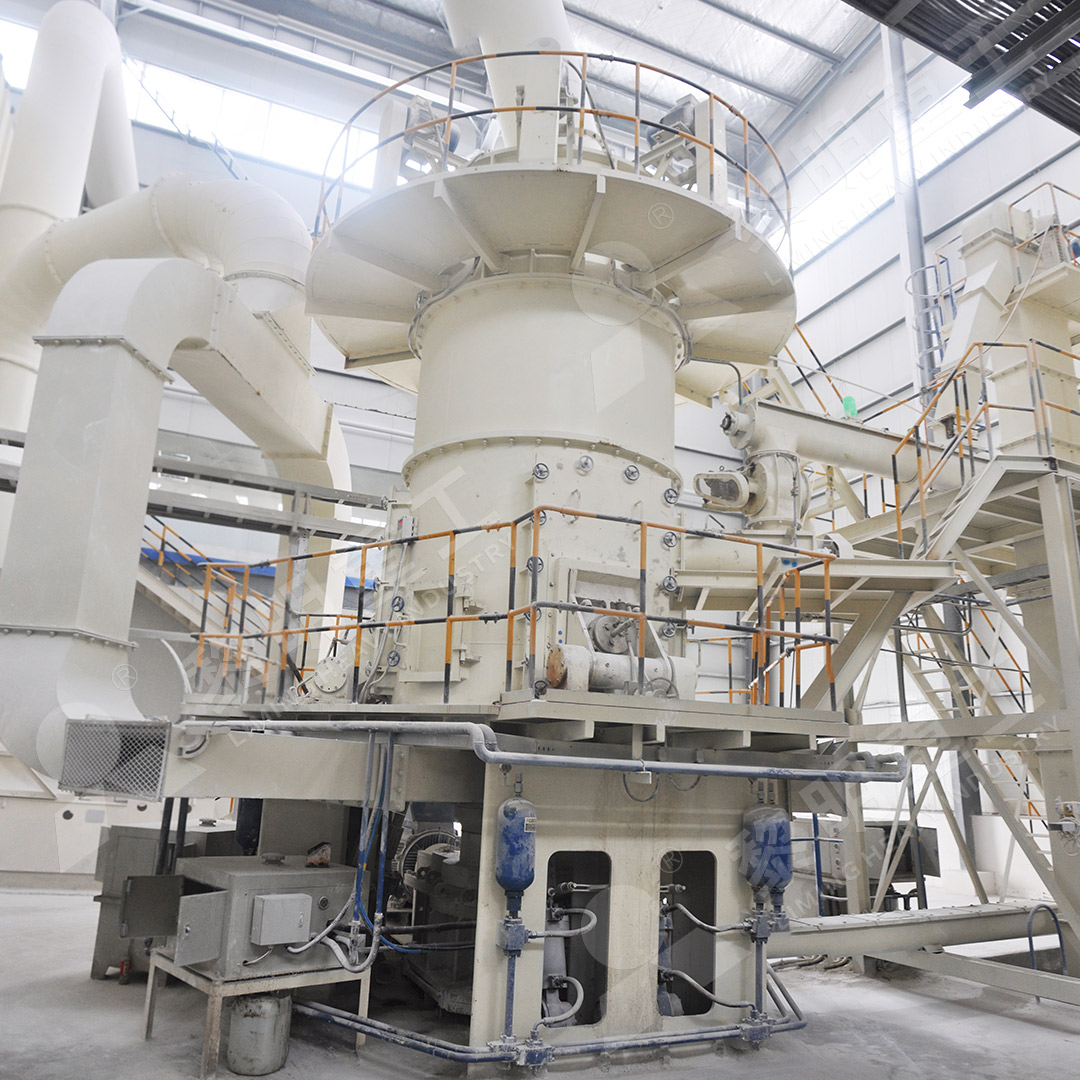
For those who need even higher capacity, Liming offers the LUM Ultrafine Vertical Grinding Mill. This machine integrates ultra-fine powder grinding, grading, and transporting into one unit. The Taiwan grinding roller technology combined with German powder separating technology means you get higher yielding rates and better quality. The unique roller shell and lining plate grinding curves are specially designed to avoid long material lingering time and repeated grinding. You get a high rate of finished products by once powder milling. The whiteness and cleanliness of your finished product improve noticeably. The multi-head powder separating technology, controlled by a PLC system, reduces energy consumption by 30%% to 50%% compared to common grinding mills.
Dust, Noise, and the Environmental Reality
Nobody talks about this enough, but environmental compliance is becoming a major cost driver. If your grinding operation generates dust that gets you fined or shut down, the cheapest mill in the world becomes the most expensive mistake you ever made. Liming takes this seriously. The MW Ultrafine Grinding Mill comes equipped with an efficient pulse dust collector and a muffler. The entire milling system operates without generating dust pollution. Silencers and noise elimination rooms are configured to reduce noise levels. The production is organized fully according to national environmental protection standards. You can run this machine 24/7 without worrying about complaints from the local environmental bureau.
The LM Vertical Grinding Mill takes this even further. The system is sealed in an integral manner and operates under negative pressure. There is zero dust spilling. The emission standard is far better than international standards. The expert-level automatic control system allows free switch between remote control and local control. You do not need a dedicated operator watching the machine all day. The automation handles it.
Recommendation: MW Ultrafine Grinding Mill and LUM Ultrafine Vertical Grinding Mill
After evaluating multiple product lines and talking to dozens of customers across different industries, I can confidently recommend two machines for most operations. If your production requirement is in the range of 0.5 to 25 tons per hour and you need ultra-fine powder down to 2500 mesh, go with the MW Ultrafine Grinding Mill. It is the workhorse for limestone, calcite, dolomite, barite, marble, and talc. The chemical industry, paint manufacturing, cosmetics, and food additive production all benefit from the precise fineness control and low contamination levels.
If you need higher capacity between 5 and 18 tons per hour and want the advantages of vertical mill design, choose the LUM Ultrafine Vertical Grinding Mill. The reversible structure makes maintenance easier. You can check and replace the roller shell and liner plate quickly, reducing shutdown losses. The double position-limiting technology prevents destructive impact from machine vibration. This mill handles the same range of materials but with the added benefit of lower energy consumption and a smaller footprint.
Spare Parts: The Hidden Differentiator
Let me tell you a story. A plant manager I know bought a grinding mill from a no-name supplier because it was 20%% cheaper. Six months later, a roller wore out. The supplier could not provide a replacement for eight weeks. The plant lost production worth five times the initial savings. Liming’s approach is different. Their businesses cover both production and sales. They take responsibility for every machine they produce. They can offer technical services and original spare parts to ensure worry-free operation. When you need a grinding roller or a liner plate, you get it fast. No extended downtime.
Final Thoughts on Choosing Your Supplier
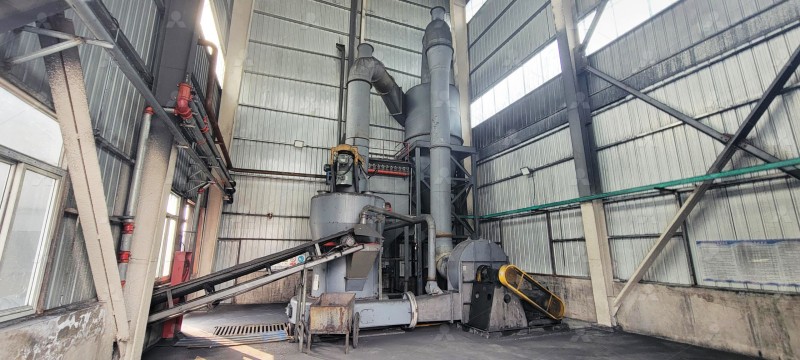
Weifang and Qingdao have become synonymous with reliable, cost-effective industrial machinery. Liming Heavy Industries stands at the intersection of low-cost manufacturing and high-precision engineering. Whether you need a Raymond mill for basic grinding or an ultra-fine vertical mill for advanced powder processing, Liming has the technology, the spare parts support, and the track record. Before you sign that purchase order with another supplier, take a hard look at the total cost of ownership—energy consumption, maintenance downtime, spare parts availability, and environmental compliance. That is where Liming wins.
Frequently Asked Questions
Q1: What is the difference between a Raymond mill and the MW Ultrafine Grinding Mill?
A1: A standard Raymond mill is suitable for coarse to medium-fine grinding, typically producing powders up to 325 mesh. The MW Ultrafine Grinding Mill is designed specifically for ultra-fine powder production, adjustable between 325 and 2500 mesh (d97 ≤ 5 μm). It uses a German-technology cage-type powder selector and achieves 40%% higher capacity than jet mills with only 30%% of the energy consumption.
Q2: Can I use the MW Ultrafine Grinding Mill for materials other than limestone?
A2: Yes. The MW Ultrafine Grinding Mill handles a wide range of materials including calcite, dolomite, petroleum coal, gypsum, barite, marble, talc, and coal powder. It is also suitable for chemical industry applications, paint, cosmetics, medicine, and food additive production. The input size must be between 0-20 mm.
Q3: How often do I need to replace the grinding rollers and rings?
A3: Replacement frequency depends on the material hardness and total operating hours. For limestone and similar soft to medium-hard materials, the wear-resistant alloy rollers and rings used in Liming mills typically last 1.7 to 2.5 times longer than traditional high-manganese steel parts. Regular inspection every 500-1000 operating hours is recommended. Liming offers original spare parts and technical support to minimize downtime.
Q4: Is the LUM Ultrafine Vertical Grinding Mill difficult to maintain?
A4: No. Liming designed the LUM mill with a reversible structure and hydraulic adjustment system. The operator can easily and rapidly move the grinding roller out of the body for checking and replacing the roller shell and liner plate. This significantly reduces shutdown losses. The double position-limiting technology also prevents damage from vibration, reducing unexpected maintenance.
Q5: How does the pulse dust collector work and does it comply with environmental standards?
A5: The pulse dust collector uses high-pressure air jets to clean the filter bags periodically, maintaining suction efficiency and preventing dust escape. The MW Ultrafine Grinding Mill’s entire milling system operates with zero dust pollution. Silencers and noise elimination rooms are configured to reduce noise. The production meets national environmental protection standards. The LM Vertical Mill system is sealed under negative pressure with emission standards far exceeding international requirements.
Q6: What is the typical lead time for a grinding mill order from Liming?
A6: Lead time varies based on the model and customization requirements. Standard MW Ultrafine Grinding Mills typically ship within 30-45 days from order confirmation. Larger custom configurations may take 60-90 days. Liming’s digitalized manufacturing with tens of numerical control machine tools helps maintain consistent production schedules. Contact their Qingdao office for current lead times.
Q7: Can Liming provide on-site installation and training?
A7: Yes. Liming offers technical services including on-site installation supervision, commissioning, and operator training. Their service engineers can travel to your facility to ensure the mill is set up correctly and your team understands operation, maintenance, and safety procedures. They also provide original spare parts to keep your operation running smoothly.
Q8: What is the warranty policy for Liming grinding mills?
A8: Liming provides a standard warranty on all manufacturing defects for a period typically ranging from 12 to 24 months depending on the model. The warranty covers the main grinding components and drive system. Wear parts like grinding rollers, rings, and shovel blades are considered consumables and are covered separately. Detailed warranty terms should be confirmed in your purchase contract.
Q9: How does the MW Ultrafine Grinding Mill compare to a ball mill for the same application?
A9: The MW Ultrafine Grinding Mill offers several advantages. The yield is twice as large as a ball grinding mill. System energy consumption is significantly lower. The product fineness is adjustable between 325-2500 mesh compared to ball mills which typically produce coarser powder. The MW mill also has no rolling bearing or screws in the grinding chamber, reducing maintenance issues. The digitalized control system allows precise adjustment of grinding parameters.
Q10: Do you offer custom configurations for specific materials or capacity requirements?
A10: Yes. Liming can customize the MW and LUM series mills to match your specific material characteristics and production targets. Options include multi-head cage-type powder selectors for different fineness and yield requirements, customized motor power, and special wear-resistant materials for abrasive applications. Contact their technical sales team with your material data sheet and production goals for a tailored solution.