
Light Calcium Carbonate Raymond Mill: Your Ultimate Guide to High-Efficiency Grinding
We provide a wide range of mills — including Raymond mill, trapezoidal mill, vertical mill, ultrafine mill, and ball mill, obtained ISO9001 international quality certification, EU CE certification, and Customs Union CU-TR certification. Suitable for processing minerals such as limestone, phosphate, quicklime, kaolin, talc, barite, bentonite, calcium carbonate, dolomite, coal, gypsum, clay, carbon black, slag, cement raw materials, cement clinker, and more.
The discharge range of these mills can be adjusted to meet specific processing needs, typically from 80-400 mesh, 600-3250 mesh, and can achieve the finest particle size of up to 6000 mesh(D50).
If you are looking for a reliable grinding solution to turn stone or minerals into fine powder, please feel free to contact our online customer service.
Introduction to Light Calcium Carbonate Grinding
Light calcium carbonate, often referred to as precipitated calcium carbonate (PCC), is a versatile material used extensively in industries such as plastics, rubber, paints, coatings, and pharmaceuticals. Its fine particle size and high purity make it a critical additive for improving product performance. However, achieving the desired fineness and consistency requires advanced grinding technology. This is where the Light Calcium Carbonate Raymond Mill comes into play. Designed for high-efficiency grinding, these mills offer superior performance, energy savings, and environmental compliance. In this guide, we will explore the key features, working principles, and benefits of using a Raymond mill for light calcium carbonate, and how our company’s MW Ultrafine Grinding Mill and LUM Ultrafine Vertical Grinding Mill can elevate your production to the next level.
Why Choose a Raymond Mill for Light Calcium Carbonate?
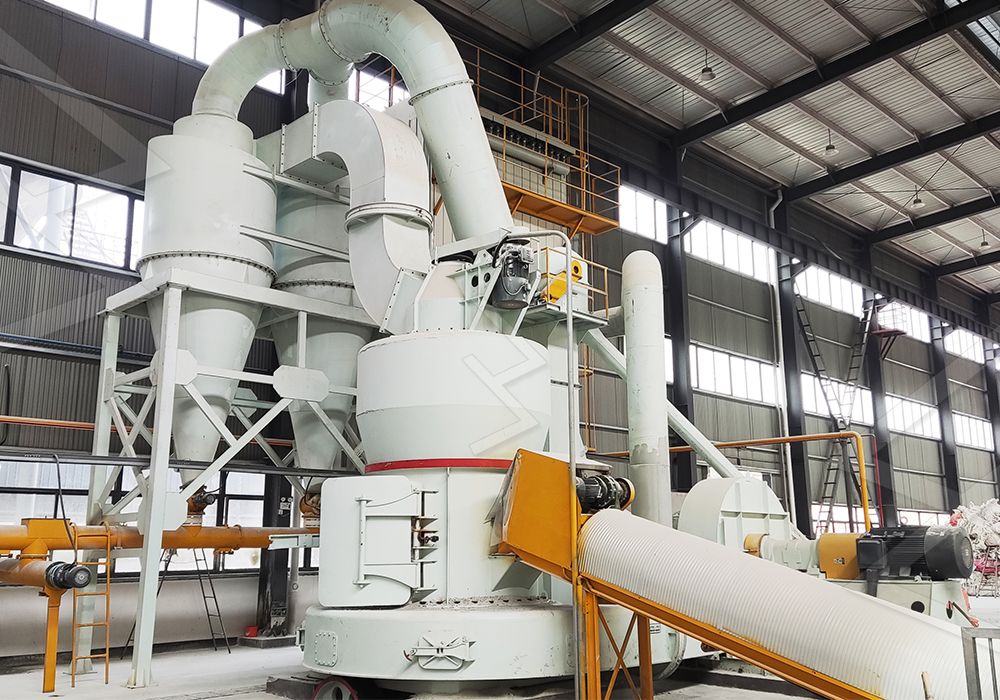
Traditional grinding methods often fall short when it comes to producing ultra-fine powders with narrow particle size distributions. Raymond mills, specifically those engineered for light calcium carbonate, overcome these limitations through innovative design. The grinding process involves rollers oscillating outward to press against a ring, crushing the material between them. For light calcium carbonate, which is relatively soft (Mohs hardness of 3), this method ensures minimal contamination and high throughput. Our MW Ultrafine Grinding Mill, for instance, is ideal for this application. With an input size of 0-20 mm and a capacity of 0.5-25 tph, it can produce powders ranging from 325 to 2500 mesh, achieving a screening rate of d97≤5μm. This makes it perfect for industries requiring ultra-fine grades, such as cosmetics and food additives.
Key Features of Our Grinding Mills
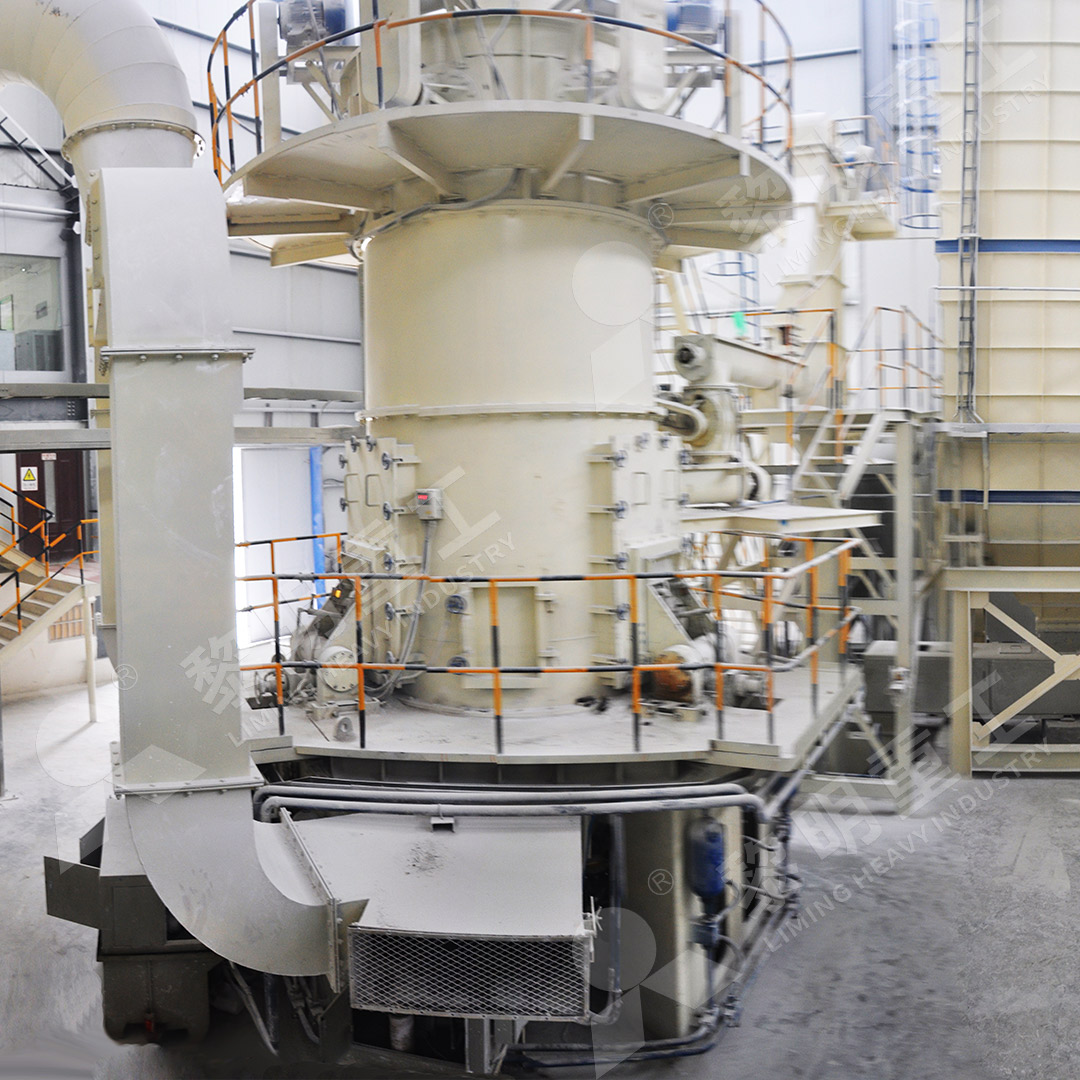
Both the MW Ultrafine Grinding Mill and the LUM Ultrafine Vertical Grinding Mill are designed with advanced features that directly address the challenges of light calcium carbonate grinding. The MW mill eliminates rolling bearings and screws in the grinding chamber, reducing maintenance risks. Its pulse dust collector and muffler ensure eco-friendly operation, meeting strict environmental standards. The LUM mill, on the other hand, incorporates multi-head powder separating technology, reducing energy consumption by 30-50% compared to conventional mills. It also features double position-limiting technology for stable operation, preventing destructive impacts from machine vibrations. These features not only enhance grinding efficiency but also improve product quality—higher yielding rates and better whiteness are guaranteed.
Working Principle: From Feed to Fine Powder
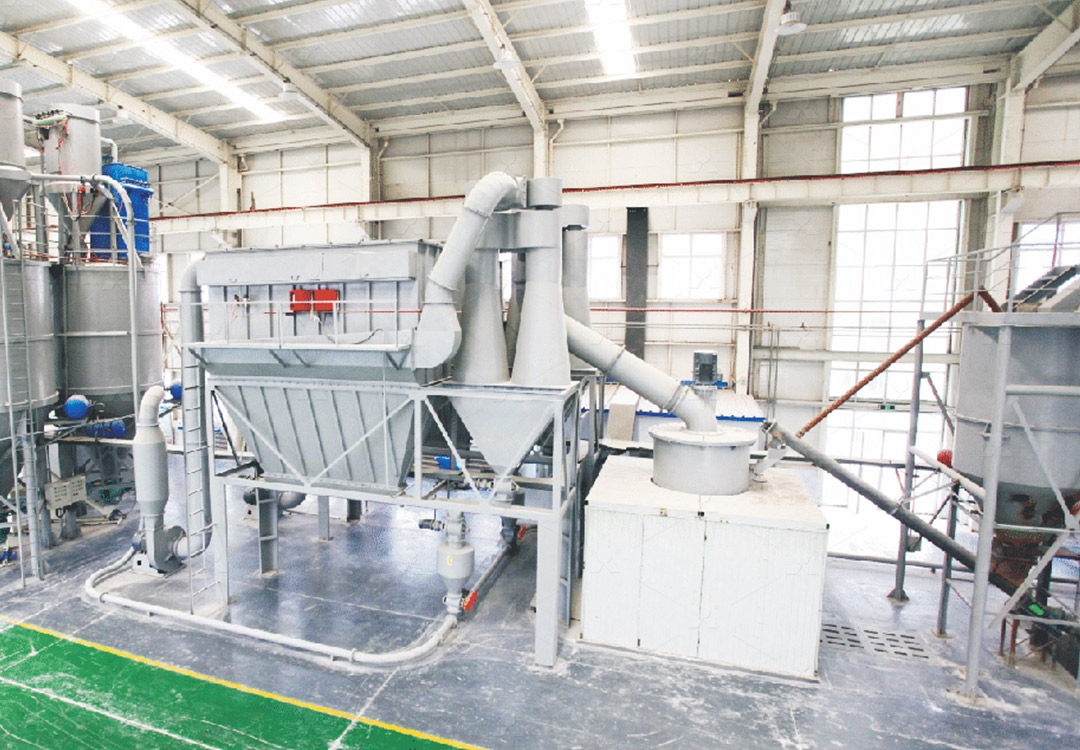
Understanding the working principle is crucial for optimizing mill performance. In the MW Ultrafine Grinding Mill, material is first crushed by a hammer crusher and then transported to a hopper. The vibrating feeder feeds the material evenly onto the central part of the upper turnplate, where centrifugal force pushes it into the raceway of the ring for grinding. After passing through multiple turnplates, the powder is carried by air into a powder separator. The turbine separates coarse particles for regrinding, while fine powder is collected in a cyclone collector. The process is fully sealed, with dust and noise minimized. For the LUM mill, the main motor drives the millstone, and material is fed onto the center, moving to the edge under centrifugal force. Grinding occurs as rollers crush and extrude the material within a material bed, ensuring intergranular crushing for uniform particle size. This dual-action mechanism is highly effective for light calcium carbonate, delivering consistent results with every batch.
Benefits of High-Efficiency Grinding for Your Business
Adopting a high-efficiency Raymond mill for light calcium carbonate brings tangible benefits. First, energy consumption drops significantly—our MW mill uses only 30% of the energy required by jet grinding mills. Second, production capacity increases; the MW mill yields twice as much as a ball mill under the same power. Third, the adjustable fineness between 325 and 2500 meshes allows you to tailor products for specific applications, from high-end paints to pharmaceutical excipients. The LUM mill further enhances these advantages with a reversible structure for easy maintenance, reducing downtime. Digitalized processing ensures precision in manufacturing core parts, prolonging equipment life. With sufficient spare parts supply and technical support from our team, you can focus on production without worrying about unexpected breakdowns.
Industry Applications and Real-World Performance
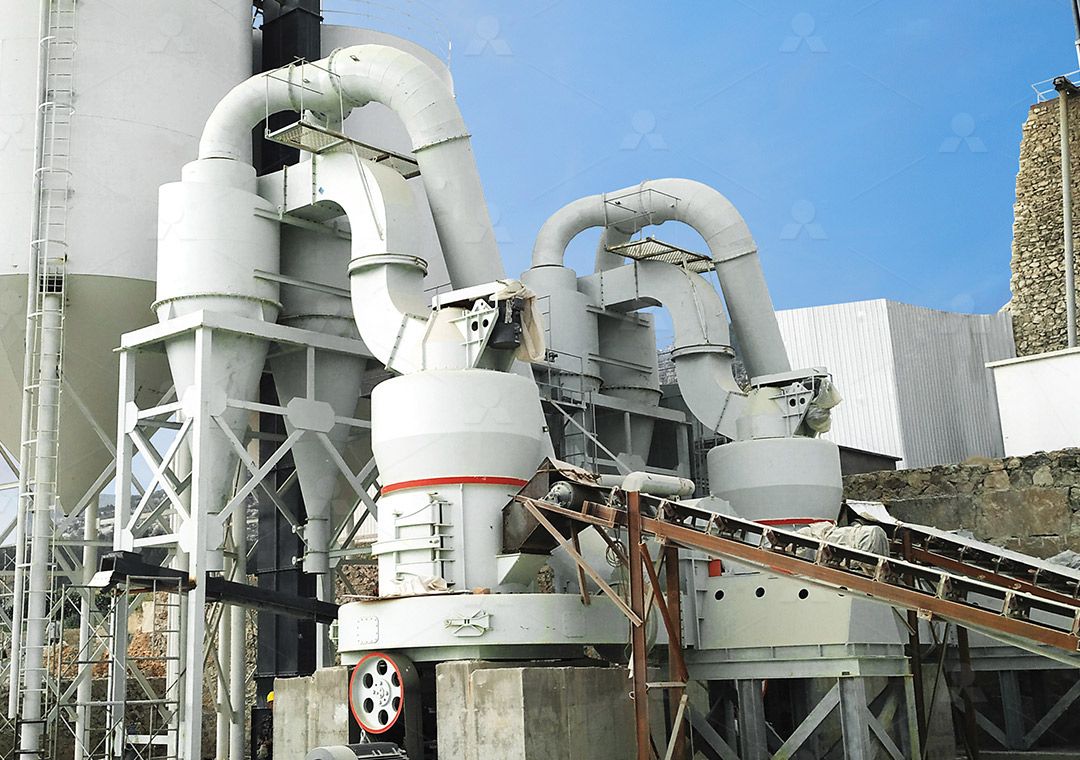
Light calcium carbonate ground with our mills is used in diverse sectors. In the plastic industry, it improves impact resistance and reduces costs. In paints, it enhances opacity and brightness. For the food industry, it serves as a calcium supplement. Our mills have been deployed globally, with users reporting consistent performance and high yield rates. For example, a cosmetics manufacturer using the MW mill achieved a particle size of d97=5μm with 99% purity, enabling them to produce premium-grade products. Similarly, a construction material company using the LUM mill reduced energy costs by 35% while increasing output by 20%. These real-world results underscore the reliability and efficiency of our equipment.
To get started, consider our MW Ultrafine Grinding Mill for ultra-fine grinding requirements up to 2500 mesh, or the LUM Ultrafine Vertical Grinding Mill for higher capacities with energy savings. Both are backed by our commitment to quality and customer support.
Frequently Asked Questions (FAQs)
Q1: What is the typical input size for light calcium carbonate in a Raymond mill?
The input size varies by model. For our MW Ultrafine Grinding Mill, it is 0-20 mm, while the LUM mill accepts 0-10 mm. Pre-crushing with a hammer crusher is recommended for larger lumps.
Q2: Can these mills achieve a fineness of 2500 mesh?
Yes, the MW Ultrafine Grinding Mill can reach finenesses between 325 and 2500 mesh, with a screening rate of d97≤5μm. The LUM mill can also achieve ultra-fine grades suitable for demanding applications.
Q3: How do these mills handle environmental compliance?
Both mills are equipped with efficient pulse dust collectors and mufflers. The entire system operates under negative pressure, ensuring no dust spills and meeting national environmental standards.
Q4: What maintenance is required for these grinding mills?
The MW mill has no rolling bearings or screws in the grinding chamber, reducing maintenance. Its lubricating device is external for oiling without shutdown. The LUM mill features a reversible structure for easy inspection and replacement of rollers and liners.
Q5: Are spare parts readily available?
Yes, we provide original spare parts and technical services to ensure worry-free operation, covering all components from grinding rollers to powder collectors.
Q6: Can I process other materials besides light calcium carbonate?
Absolutely. These mills are suitable for limestone, calcite, dolomite, barite, marble, talc, and many other non-metallic minerals with hardness below Mohs 9.
Q7: How does the energy consumption compare to other mill types?
The MW mill uses only 30% of the energy of jet mills, while the LUM mill saves 30-50% compared to common grinding mills, making them highly cost-effective.