
Cement Plant Coal Pulverizer Mill Selection and Operation Guide
We provide a wide range of mills — including Raymond mill, trapezoidal mill, vertical mill, ultrafine mill, and ball mill, obtained ISO9001 international quality certification, EU CE certification, and Customs Union CU-TR certification. Suitable for processing minerals such as limestone, phosphate, quicklime, kaolin, talc, barite, bentonite, calcium carbonate, dolomite, coal, gypsum, clay, carbon black, slag, cement raw materials, cement clinker, and more.
The discharge range of these mills can be adjusted to meet specific processing needs, typically from 80-400 mesh, 600-3250 mesh, and can achieve the finest particle size of up to 6000 mesh(D50).
If you are looking for a reliable grinding solution to turn stone or minerals into fine powder, please feel free to contact our online customer service.
Introduction to Coal Pulverization in Cement Plants
In a cement plant, the coal pulverizer mill is a critical piece of equipment. It grinds raw coal into fine powder, which is then blown into the kiln and calciner to provide the necessary heat for clinker production. Selecting the right mill and operating it correctly directly impacts fuel costs, combustion efficiency, and the overall stability of the plant. The wrong choice can lead to high energy bills, frequent breakdowns, and even safety hazards.
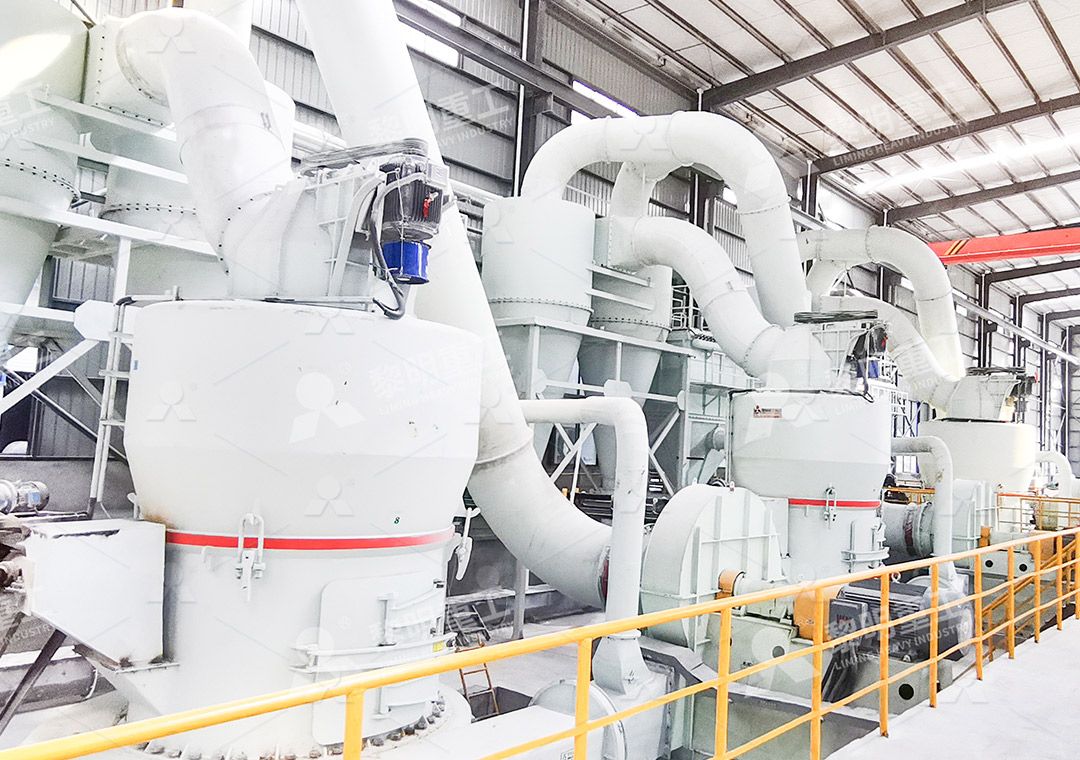
Plant managers and process engineers must consider several factors: the moisture content of the coal, its grindability (Hardgrove Index), the required fineness for combustion, and the plant’s capacity. This guide focuses on practical selection criteria and operational best practices to help you get the most out of your grinding system.
Key Selection Criteria for Coal Pulverizers
When choosing a mill for coal grinding, you are usually looking at vertical roller mills (VRM) or ball mills. For modern cement plants, VRMs are the preferred choice due to their higher efficiency and drying capability.
1. Material Properties
The raw coal coming into the plant varies. Moisture content can be as high as 20% for some lignite coals, while bituminous coals are drier. Your mill must have sufficient drying capacity. The LM Vertical Grinding Mill is specifically designed to handle high-moisture feed while integrating drying and grinding. If you are dealing with pet-coke or anthracite, which are harder to grind, you need a mill with high grinding pressure and wear resistance.
2. Fineness Requirements
For rotary kilns and precalciners, the standard pulverized coal fineness is 80% passing through a 200-mesh (75 micron) screen, with 99% passing through a 50-mesh screen. If the coal is too coarse, combustion is incomplete, leading to higher fuel consumption and increased unburned carbon in the fly ash. Too fine, and you waste energy. The MW Ultrafine Grinding Mill offers adjustable fineness between 325 and 2500 mesh, making it an excellent choice for plants needing precise particle size control for specialized fuel blends.
3. Capacity and Energy Consumption
Calculate your thermal energy demand. A 5000 tpd clinker line typically requires a coal mill capacity of 15-25 tph. Energy consumption is a major operational cost. The LUM Ultrafine Vertical Grinding Mill is engineered to reduce energy consumption by 30% to 50% compared to traditional ball mills. This directly improves the plant’s bottom line.
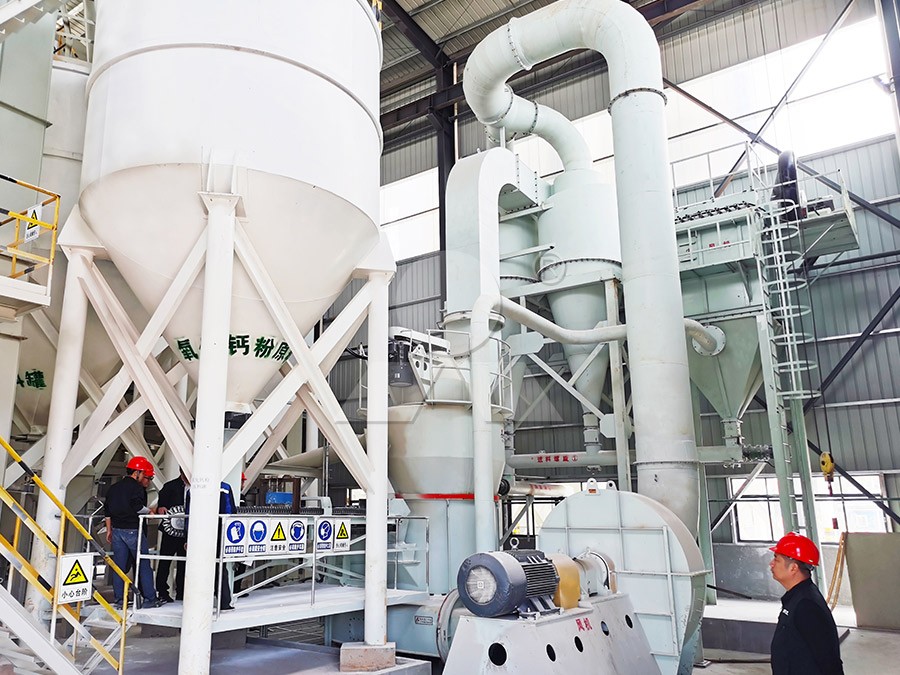
Recommended Product: LUM Ultrafine Vertical Grinding Mill
For cement plants aiming for high efficiency and low operational costs, we strongly recommend the LUM Ultrafine Vertical Grinding Mill. This unit integrates ultrafine powder grinding, grading, and transporting. It features German powder separating technology, ensuring a very sharp particle size distribution. The hydraulic system allows for precise pressure control, adapting instantly to different coal types. With an input size of 0-10 mm and a capacity of 5-18 tph, it fits perfectly into medium to large-scale cement operations.
Operational Best Practices for Coal Mills
Having the right machine is only half the battle. Your operators control the efficiency every day. Here are critical operational guidelines.
1. Control the Mill Outlet Temperature
This is a non-negotiable safety and efficiency parameter. For bituminous coal, the outlet temperature should be kept between 65°C and 85°C. If it gets too hot, there is a risk of spontaneous combustion inside the mill. If it is too cool, moisture is not fully removed, which reduces grinding efficiency and can cause clogging in the downstream conveying lines.
2. Monitor the Grinding Pressure (for VRMs)
Hydraulic pressure puts force on the grinding rollers. Too much pressure causes unnecessary wear on the rollers and table, and increases mill power consumption. Too little pressure leads to a thick bed, poor grinding, and mill vibration. The goal is to maintain a stable mill bed with a thickness of about 50-100 mm. The PLC control system on our LUM and LM mills helps automate this, reducing operator fatigue.
3. Manage Mill Inlet Air Flow and Temperature
The primary air flow carries the pulverized coal to the burner. A stable air flow is crucial. Sudden drops in air flow cause material to drop out of suspension and build up. Adjust the damper ring and air guide vanes to ensure proper air velocity. The hot gas generator (HGG) must be regulated to maintain the required inlet temperature, usually around 300°C to 350°C.
Maintenance Strategies to Extend Mill Life
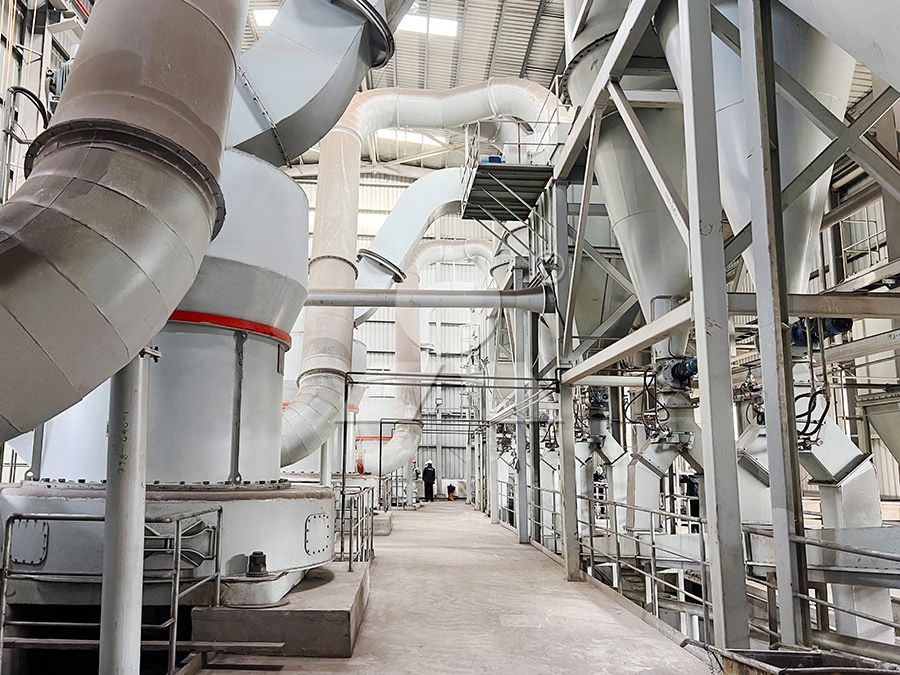
Planned maintenance prevents unplanned shutdowns. A shutdown due to a mill failure costs a cement plant thousands of dollars per hour in lost production.
1. Wear Parts Inspection
The grinding roller shells and table liners wear out. Check them weekly. If the profile is lost, grinding efficiency drops. The reversible structure of the LUM mill allows you to rotate the roller shell to extend its life without heavy lifting. For the MW Ultrafine Grinding Mill, the absence of rolling bearings in the grinding chamber eliminates one major failure point.
2. Lubrication System Checks
Coal mills operate in a dusty environment. The gearbox and main bearings are the heart of the machine. Always check the oil level and quality. Our MTW European Trapezium Mill uses a dilute oil lubrication system that is externally accessible, allowing for lubrication without stopping the mill. This keeps the gears running smoothly 24 hours a day.
3. Dust Collector and Air System
Check the pulse jet dust collector bags. A torn bag will allow coal dust to escape, creating a housekeeping issue and a fire risk. The muffler and silencer should be inspected to ensure the plant meets noise regulations. All our mills are equipped with efficient pulse dust collectors to maintain a clean, safe working environment.
Conclusion
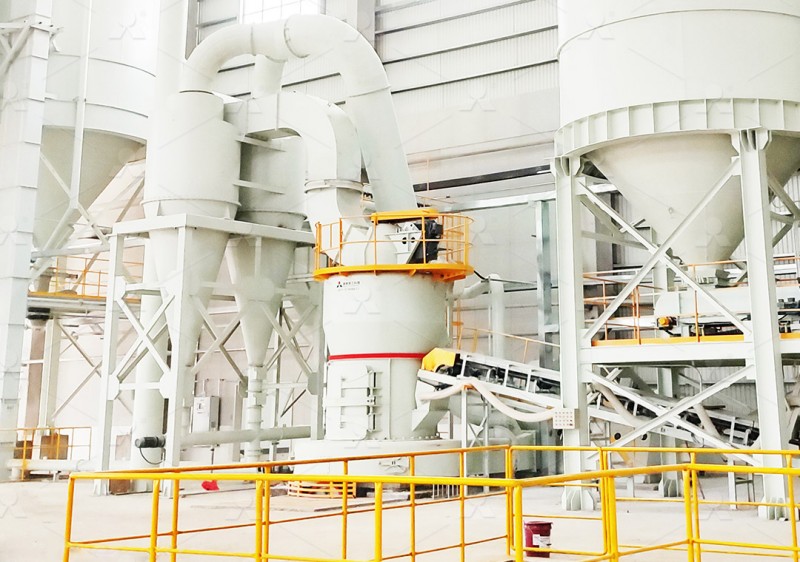
Selecting the right coal pulverizer and operating it with discipline is a direct path to lower fuel costs and higher line availability. Whether you need the ultra-fine capabilities of the MW Ultrafine Grinding Mill or the high-volume, energy-saving design of the LUM Ultrafine Vertical Grinding Mill, the technology exists to handle the toughest coals with minimal environmental impact. By focusing on temperature control, pressure management, and proactive maintenance, your team can ensure the mill runs efficiently for decades.
Frequently Asked Questions (FAQ)
Q1: What is the maximum moisture content the LUM Ultrafine Vertical Grinding Mill can handle?
The LUM mill can handle raw coal with moisture content up to 15-18% without external drying, provided sufficient hot gas is available. For higher moisture levels, a separate drying system or a mill with a larger drying chamber may be necessary.
Q2: How often should I replace the grinding roller shells in a coal mill?
Wear life depends on the abrasiveness of the coal (silica content). With hard coals, you might replace shells every 3000-5000 hours. With softer coals, they can last over 8000 hours. Regular inspection of the profile is the best way to schedule replacement.
Q3: Why does my mill vibrate when starting up?
Start-up vibration is usually caused by an uneven material bed. Ensure the mill table is covered with a stable layer of material before applying full grinding pressure. Start with a lower feed rate and increase it gradually. A sudden rush of material can also cause the rollers to bounce.
Q4: Can I use the MW Ultrafine Grinding Mill for pet-coke grinding?
Yes, the MW mill is suitable for petroleum coke due to its robust design and adjustable fineness. However, you must ensure the system is inerted with nitrogen or flue gas to prevent explosion, as pet-coke is highly volatile and reactive during grinding.
Q5: What is the ideal fineness for firing coal in a precalciner?
For precalciner firing, a fineness of 80% passing 200 mesh is standard. However, for low-volatile coals or pet-coke, you may need to increase fineness to 85-90% passing 200 mesh to achieve complete combustion in the short residence time.
Q6: How do I prevent coal mill fires?
Maintain strict control over outlet temperature and avoid accumulation of coal dust in the mill. Install CO and O2 monitoring systems in the mill outlet. Conduct regular inspections for hot spots and clean out any dead zones where coal can stagnate and self-ignite.