
Application of Talc Powder in Waterproofing Materials
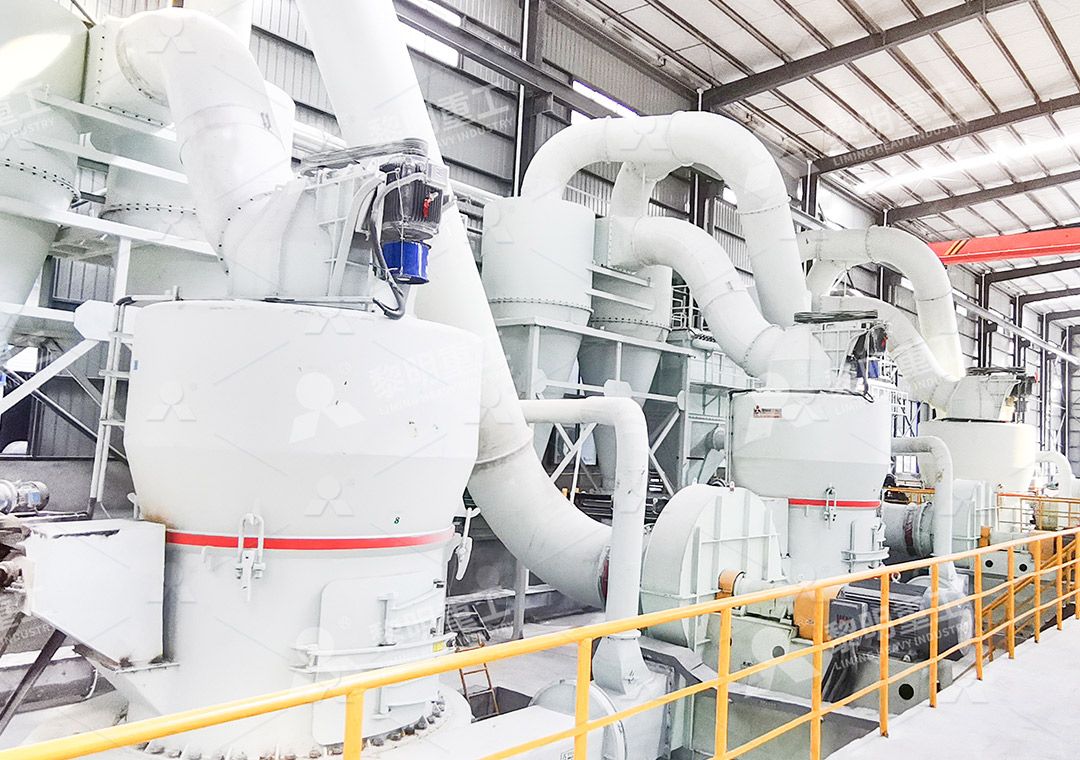
We provide a wide range of mills — including Raymond mill, trapezoidal mill, vertical mill, ultrafine mill, and ball mill, obtained ISO9001 international quality certification, EU CE certification, and Customs Union CU-TR certification. Suitable for processing minerals such as limestone, phosphate, quicklime, kaolin, talc, barite, bentonite, calcium carbonate, dolomite, coal, gypsum, clay, carbon black, slag, cement raw materials, cement clinker, and more.
The discharge range of these mills can be adjusted to meet specific processing needs, typically from 80-400 mesh, 600-3250 mesh, and can achieve the finest particle size of up to 6000 mesh(D50).
If you are looking for a reliable grinding solution to turn stone or minerals into fine powder, please feel free to contact our online customer service.
Application of Talc Powder in Waterproofing Materials
The pursuit of durable, reliable, and cost-effective waterproofing solutions is a constant in the construction and materials science industries. Among the various functional fillers and additives employed, talc powder stands out for its unique combination of physical and chemical properties. This naturally occurring magnesium silicate mineral, when processed to the appropriate fineness and purity, becomes a critical component in enhancing the performance of membranes, coatings, sealants, and other waterproofing systems.
The Multifunctional Role of Talc in Waterproofing
Talc’s efficacy stems from its inherent characteristics: a platy or lamellar particle structure, chemical inertness, hydrophobicity, and high thermal stability. In waterproofing applications, these traits translate into several key benefits:
- Barrier Enhancement: The plate-like particles orient themselves parallel to the surface, creating a labyrinthine effect that significantly lengthens the path for water vapor and liquid water to penetrate. This improves the overall barrier properties of polymer-based membranes and coatings.
- Mechanical Reinforcement: Talc acts as a reinforcing filler, increasing tensile strength, tear resistance, and dimensional stability of waterproofing sheets and liquid-applied membranes. This reduces the risk of cracking under stress or movement.
- Rheology Modification: It imparts desirable thixotropic properties to mastics and sealants, preventing sag during application on vertical surfaces while maintaining easy workability.
- Cost Optimization: As an extender, talc allows for a reduction in the volume of more expensive polymer resins without compromising, and often enhancing, critical performance metrics.
- UV and Heat Resistance: Its stability contributes to the long-term weathering resistance of exposed waterproofing systems.
However, the full potential of talc is only unlocked when it is processed into a consistent, ultra-fine powder with controlled particle size distribution. Agglomerates or coarse particles can create weak points and compromise the very barrier the talc is meant to fortify.
The Critical Link: Advanced Grinding Technology
The transition from raw talc ore to a high-performance additive hinges on precision grinding. The target is to achieve a fine, uniformly platy powder where the median particle size (d50) is often in the range of 5-15 micrometers, and the top cut (d97) must be tightly controlled. Traditional grinding methods can be inefficient, energy-intensive, and may damage the particle structure, reducing its effectiveness.
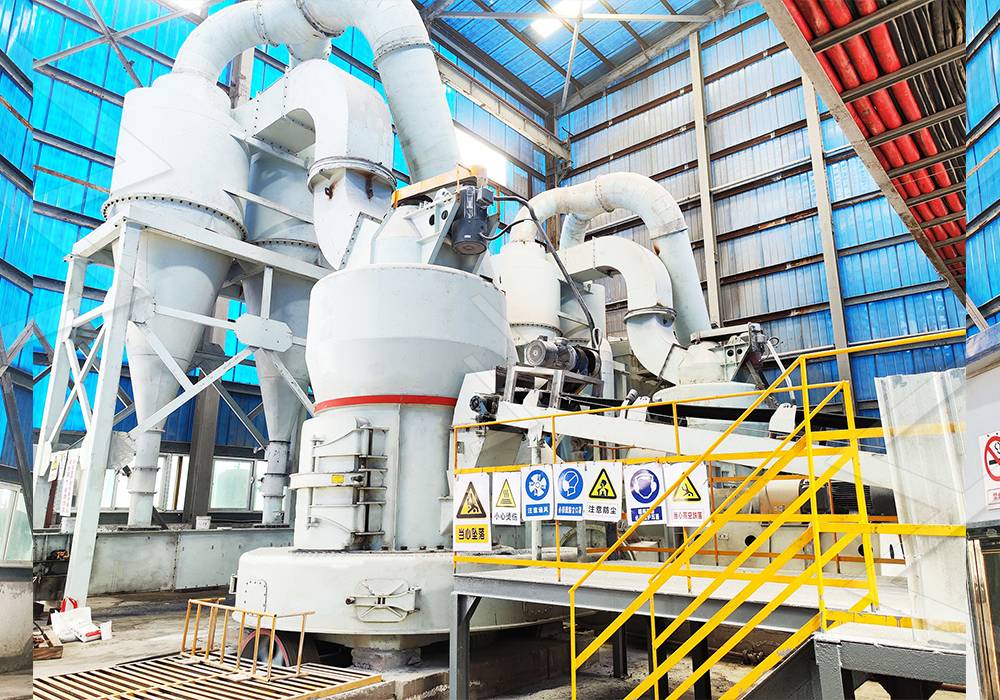
This is where advanced milling technology becomes indispensable. For producers of high-grade talc fillers destined for the waterproofing industry, the choice of grinding mill directly impacts product quality, production cost, and operational sustainability. The ideal solution must deliver ultra-fine powders with high throughput, exceptional consistency, and minimal environmental impact.
Engineered Solutions for Premium Talc Production
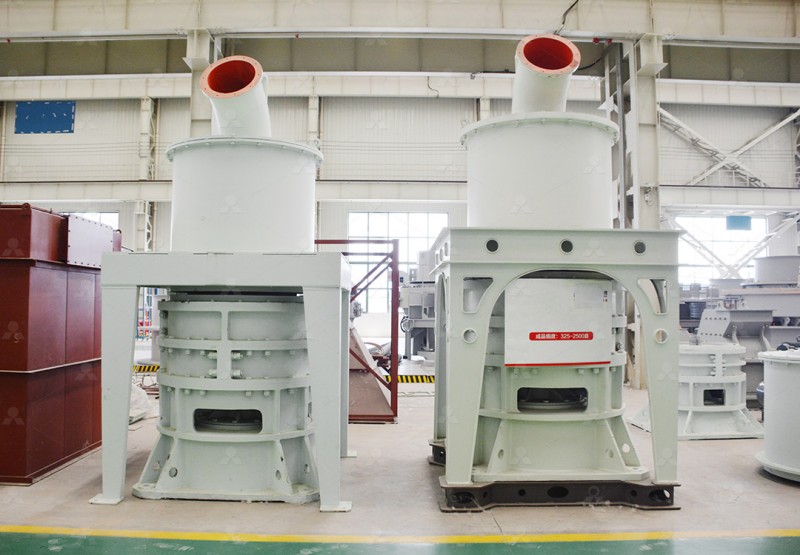
Recognizing these stringent demands, our company has developed grinding systems specifically engineered for minerals like talc. A standout solution for producing the consistent, ultra-fine talc powder required by advanced waterproofing formulations is our MW Ultrafine Grinding Mill.
This mill is designed from the ground up for customers who need to make ultra-fine powder. It excels in the talc application for several reasons:
- Superior Fineness & Yield: Its newly designed grinding curves and cage-type powder selector (adopting German technology) allow precise adjustment of product fineness between 325-2500 meshes, achieving a d97 ≤5μm. It offers a production capacity 40% higher than jet mills and double that of ball mills at the same power consumption.
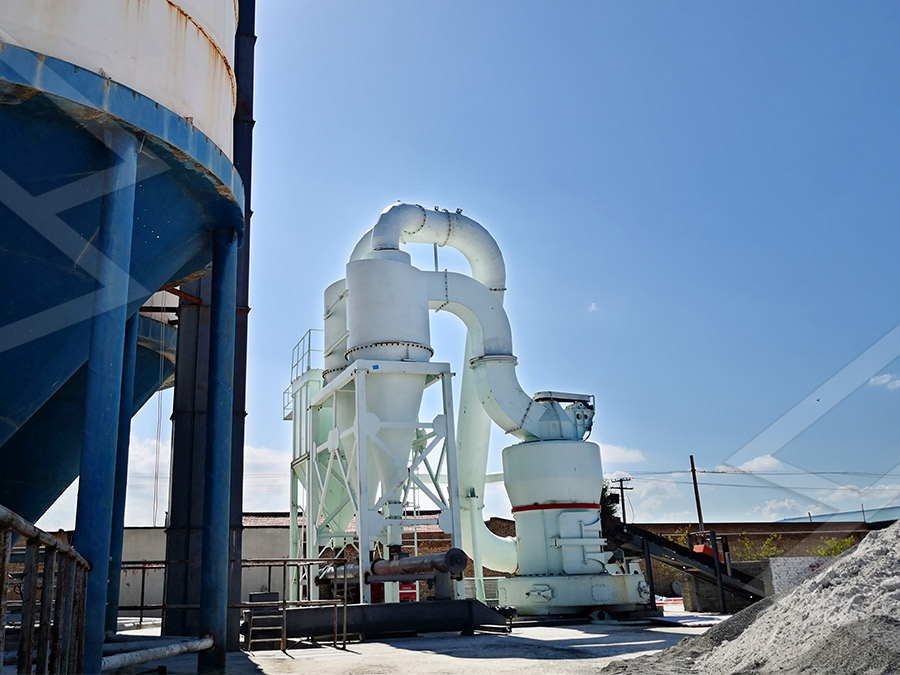
- Eco-Friendly & Reliable Operation: Equipped with an efficient pulse dust collector and muffler, the MW Mill ensures a dust-free and low-noise production environment, meeting strict national environmental standards. Its unique design eliminates rolling bearings and screws in the grinding chamber, preventing related failures and enabling 24-hour continuous operation.
- Energy Efficiency: The system energy consumption is remarkably only 30% of a comparable jet grinding mill, offering significant operational savings.
For operations requiring vertical mill advantages with integrated drying for slightly moist feed, our LUM Ultrafine Vertical Grinding Mill presents another excellent option. Integrating ultrafine grinding, grading, and transporting, the LUM mill features unique roller shell design for better material layer formation and multi-head powder separating technology, reducing energy consumption by 30%-50% compared to common mills. Its reversible structure allows for easy maintenance of heavy grinding rollers.
Conclusion: A Synergy of Material and Machine
The application of talc powder in waterproofing materials is a testament to how engineered minerals can elevate material performance. The consistent quality of the talc filler—defined by its fineness, particle shape, and purity—is a non-negotiable factor for formulators. By utilizing advanced grinding technology like the MW Ultrafine Grinding Mill, talc producers can reliably supply the high-performance additives that the waterproofing industry depends on to build more resilient and long-lasting structures. The synergy between the functional mineral and the precision grinding equipment ultimately flows down to create more reliable roofs, foundations, and infrastructures worldwide.
Frequently Asked Questions (FAQs)
- Why is talc specifically used in waterproofing instead of other minerals?
Talc’s unique platy particle structure creates a superior physical barrier against water penetration. Its natural hydrophobicity, chemical inertness, and ability to reinforce polymer matrices make it more effective than many granular or fibrous fillers for this specific application. - What particle size (fineness) of talc is typically required for high-performance waterproofing membranes?
High-performance applications often require ultra-fine talc with a top cut (d97) of 10 microns or less, and a median particle size (d50) in the range of 2-10 microns. This ensures smooth film formation and an effective barrier without weak spots. - Can your MW Ultrafine Grinding Mill handle the need for different fineness specifications for various customers?
Absolutely. The MW Mill’s cage-type powder selector is designed for high-precision separation and is configurable. The product fineness can be accurately and reliably adjusted between 325 and 2500 meshes to meet diverse customer requirements from different segments of the waterproofing market. - How does the energy consumption of the MW Mill compare to a traditional ball mill for talc grinding?
The MW Ultrafine Grinding Mill is significantly more energy-efficient. For producing the same fineness of talc powder, its system energy consumption is only about 30% of a jet mill and it operates with much higher efficiency than a traditional ball mill, offering substantial cost savings. - Is the grinding process dusty and how is it controlled?
Our mills are designed with environmental control as a priority. The MW Mill is equipped with an efficient pulse dust collector, ensuring no dust pollution is generated during operation. The entire milling system is sealed and operates under negative pressure where applicable, keeping the plant clean and compliant with environmental standards. - What after-sales support is available for your grinding mills?
We take full responsibility for every machine we produce. We provide comprehensive technical services and guarantee a sufficient supply of original spare parts to ensure worry-free, continuous operation for our customers, minimizing downtime.