
Advantages of Overpressure Trapezium Mill in Industrial Grinding
We provide a wide range of mills — including Raymond mill, trapezoidal mill, vertical mill, ultrafine mill, and ball mill, obtained ISO9001 international quality certification, EU CE certification, and Customs Union CU-TR certification. Suitable for processing minerals such as limestone, phosphate, quicklime, kaolin, talc, barite, bentonite, calcium carbonate, dolomite, coal, gypsum, clay, carbon black, slag, cement raw materials, cement clinker, and more.
The discharge range of these mills can be adjusted to meet specific processing needs, typically from 80-400 mesh, 600-3250 mesh, and can achieve the finest particle size of up to 6000 mesh(D50).
If you are looking for a reliable grinding solution to turn stone or minerals into fine powder, please feel free to contact our online customer service.
Advantages of Overpressure Trapezium Mill in Industrial Grinding
In the demanding world of industrial mineral processing, achieving consistent, high-volume powder production with precise particle size control is a constant challenge. Traditional grinding systems often struggle with efficiency, energy consumption, and operational stability. The Overpressure Trapezium Mill, an advanced evolution of the classic Raymond mill design, addresses these core industrial pain points with a suite of engineered advantages. Its unique mechanical principles and system integration make it a cornerstone technology for processing a wide array of materials, from limestone and calcite to barite and coal powder.
Enhanced Grinding Efficiency and Yield
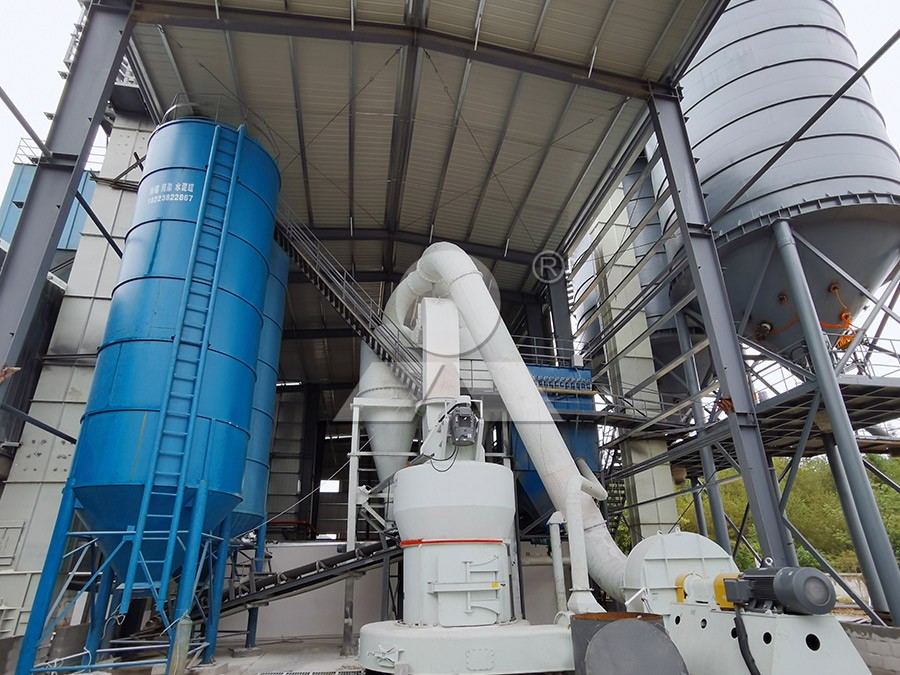
The fundamental superiority of the Overpressure Trapezium Mill lies in its grinding mechanism. By employing an overpressure spring system on the grinding rollers, the machine applies a significantly greater and more consistent grinding force to the material bed against the grinding ring. This is not merely brute force; it’s a controlled, sustained pressure that ensures more complete particle fracture with each pass. Compared to conventional mills where rollers may bounce or lose contact under variable feed conditions, the overpressure system maintains optimal contact. This results in a dramatic increase in throughput for a given mill size. Operators report yield improvements of 30-50% over standard trapezium mills when processing similar materials to the same fineness, directly translating to higher production capacity and better asset utilization.
Superior Particle Size Distribution and Product Quality
Consistent pressure leads to consistent results. The stabilized grinding action minimizes the production of overly coarse particles that require recirculation, as well as reducing the over-grinding that generates excessive, hard-to-collect fines. The outcome is a tighter, more uniform particle size distribution (PSD). This is critical for downstream processes in industries like paints, coatings, plastics, and ceramics, where PSD directly affects product performance, viscosity, and brightness. Furthermore, the system’s efficient internal classification, often aided by advanced cage-type separators, works in harmony with the grinding zone to ensure only properly sized particles exit the mill chamber. This closed-loop precision reduces energy waste on already-fine material and guarantees the final product meets stringent specifications.
Remarkable Energy Efficiency and Operational Economy
At first glance, applying more pressure might seem counterintuitive to energy savings. However, the Overpressure Trapezium Mill achieves its efficiency by doing more work per revolution and reducing system resistance. The high-yield grinding means the mill completes its task faster, often allowing for shorter overall run times. Key design features contribute further: curved air ducts minimize airflow resistance, advanced powder concentrators reduce fan power requirements, and the elimination of internal components like shovel blades in some designs decreases mechanical drag. When evaluating total system energy consumption—including the main motor, classifier, and blower—these mills frequently demonstrate a 20-30% reduction in kWh per ton of product compared to older generation mills. This efficiency, combined with lower maintenance costs from features like automatic thin-oil lubrication, delivers a compelling total cost of ownership.
Unmatched Operational Stability and Reduced Maintenance
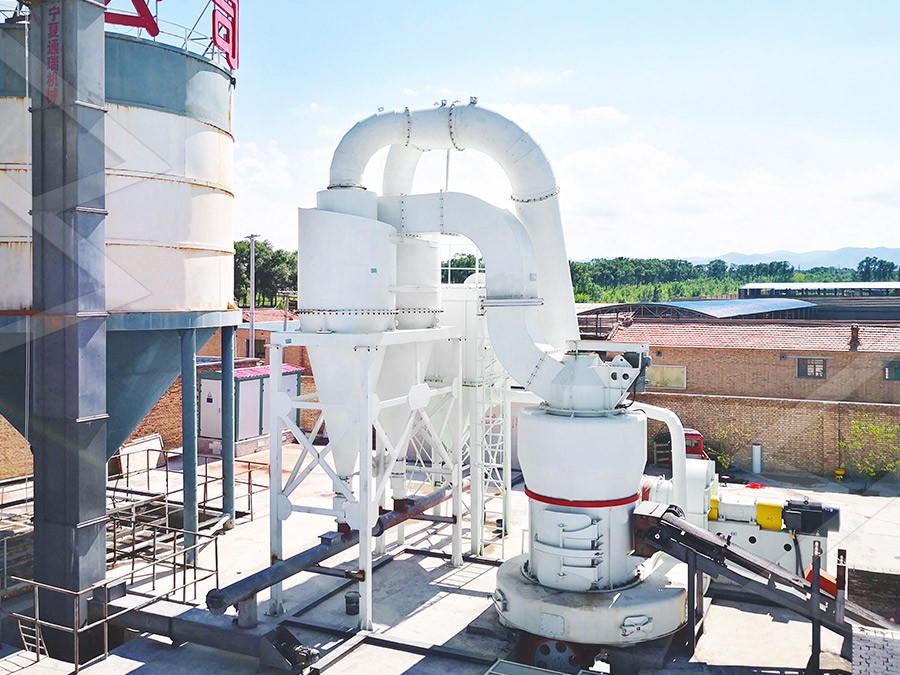
Industrial operations value predictability above all. The Overpressure Trapezium Mill is engineered for stability. The elastic damping structures connecting major components, such as the volute and base, absorb vibrational energy from uneven feed or hard inclusions, protecting the precision classifier and structural welds from fatigue damage. This translates to smoother operation, less downtime, and longer component life. Maintenance is simplified through strategic design. For instance, the grinding rollers can often be swung out of the chamber hydraulically for easy inspection and liner replacement without dismantling the entire housing. The use of wear-resistant alloys for grinding rolls and rings extends service intervals significantly. This robust and service-friendly design ensures maximum uptime, a critical metric for continuous production environments.
A Greener Footprint: Noise and Dust Control
Modern industry must align performance with environmental responsibility. The sealed negative-pressure operation of the Overpressure Trapezium Mill system is inherently dust-contained. Paired with high-efficiency pulse jet baghouse collectors, dust emissions are kept far below regulatory thresholds, protecting both worker health and the surrounding environment. Furthermore, the reduced vibration and insulated mill housing contribute to a notably quieter operation compared to ball mills or crushers. This noise reduction is a significant benefit for plant personnel and for facilities located near residential areas.
Choosing the Right Technology: Our Recommended Solutions
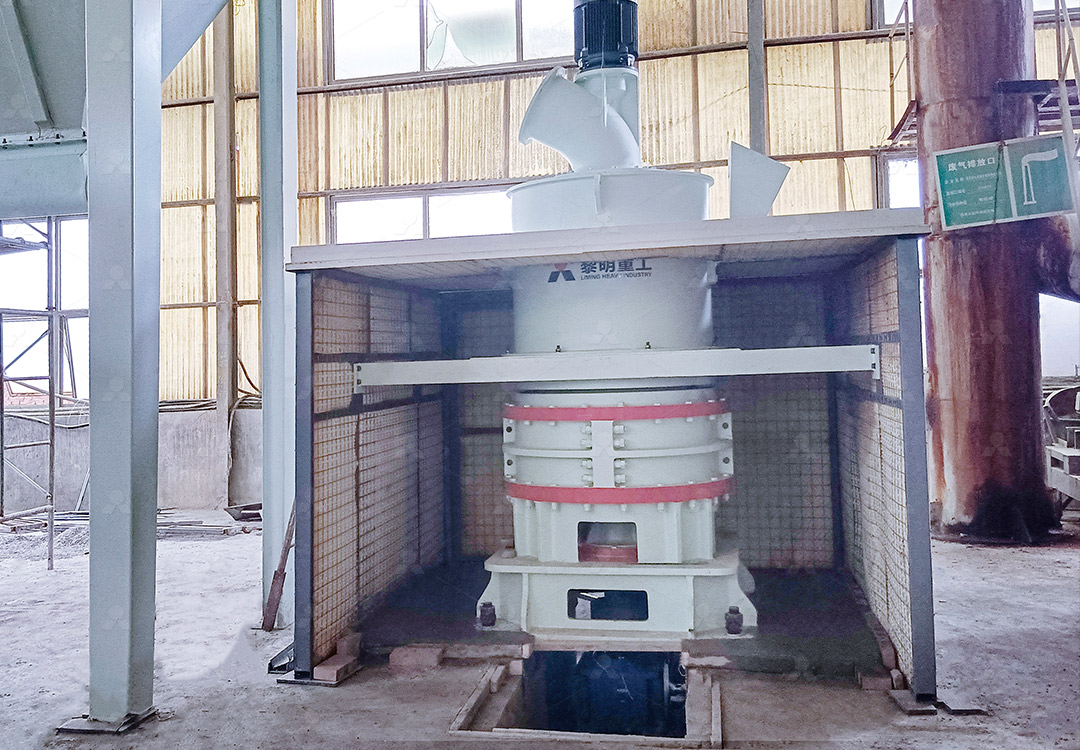
While the Overpressure Trapezium Mill is an excellent general-purpose solution, specific applications may demand specialized technology. For operations requiring ultra-fine powders in the range of 325 to 2500 meshes, our MW Ultrafine Grinding Mill represents the pinnacle of precision. Its innovative design, featuring a cage-type powder selector with German technology and a grinding chamber free of rolling bearings and screws, delivers exceptional fineness control with remarkable reliability and eco-friendly operation. It is ideally suited for high-value materials in the chemical, cosmetic, and food additive industries.
For large-scale production of non-metallic minerals and industrial by-products like slag or coal, the LM Vertical Grinding Mill offers unparalleled efficiency. Integrating crushing, drying, grinding, and classifying in a single footprint, it can reduce energy consumption by 30-40% and floor space by 50% compared to traditional ball mill systems. Its short material retention time ensures low iron contamination and stable product quality, making it a powerhouse for cement, steel, and power generation industries.
In conclusion, the Overpressure Trapezium Mill is not just an incremental improvement but a holistic re-engineering of grinding technology for the modern plant. It delivers higher output, better quality, lower running costs, and greater operational serenity. By understanding its core advantages and pairing them with specialized solutions like the MW Ultrafine Mill or LM Vertical Mill for specific tasks, producers can build a grinding circuit that is truly optimized for performance, economy, and sustainability.
Frequently Asked Questions (FAQs)
- What is the key difference between an Overpressure Trapezium Mill and a standard Raymond Mill?
The primary difference is the spring-loaded overpressure system on the grinding rollers. This system applies a consistent, adjustable higher grinding force, leading to increased capacity, finer and more uniform product size, and improved stability when processing hard or variable materials. - What materials are most suitable for grinding in an Overpressure Trapezium Mill?
It excels with non-flammable, non-explosive minerals with Mohs hardness below 9 and moisture content below 10%. Common applications include grinding limestone, calcite, dolomite, barite, talc, gypsum, feldspar, and phosphate rock. - How does the overpressure mechanism affect maintenance?
It generally reduces maintenance frequency by providing smoother, shock-absorbed operation that lessens wear on components. The mechanism itself is designed for reliability, and many modern models allow for easy roller access without full disassembly. - Can the fineness of the final product be adjusted easily?
Yes, fineness is primarily controlled by an external powder separator (classifier). By adjusting the speed of the classifier rotor, operators can quickly and precisely change the product fineness without stopping the mill. - Is the system environmentally friendly?
Absolutely. The entire milling circuit operates under negative pressure, preventing dust leakage. When equipped with a recommended pulse dust collector, emissions are minimal. Noise levels are also significantly lower than many alternative grinding systems. - What are the main factors influencing the capacity of the mill?
Capacity depends on material hardness, required product fineness, moisture content, and feed size. Proper system design, including crusher pre-treatment and feeder control, is crucial to achieving rated throughput. - When should I consider an MW Ultrafine Grinding Mill instead?
Choose the MW Ultrafine Mill when your target product fineness exceeds 800 meshes or requires extremely narrow particle distribution for high-end applications in coatings, pharmaceuticals, or advanced ceramics. It is specialized for the ultra-fine range.