
325 Mesh Vertical Mill for Efficient Industrial Powder Processing
We provide a wide range of mills — including Raymond mill, trapezoidal mill, vertical mill, ultrafine mill, and ball mill, obtained ISO9001 international quality certification, EU CE certification, and Customs Union CU-TR certification. Suitable for processing minerals such as limestone, phosphate, quicklime, kaolin, talc, barite, bentonite, calcium carbonate, dolomite, coal, gypsum, clay, carbon black, slag, cement raw materials, cement clinker, and more.
The discharge range of these mills can be adjusted to meet specific processing needs, typically from 80-400 mesh, 600-3250 mesh, and can achieve the finest particle size of up to 6000 mesh(D50).
If you are looking for a reliable grinding solution to turn stone or minerals into fine powder, please feel free to contact our online customer service.
Introduction
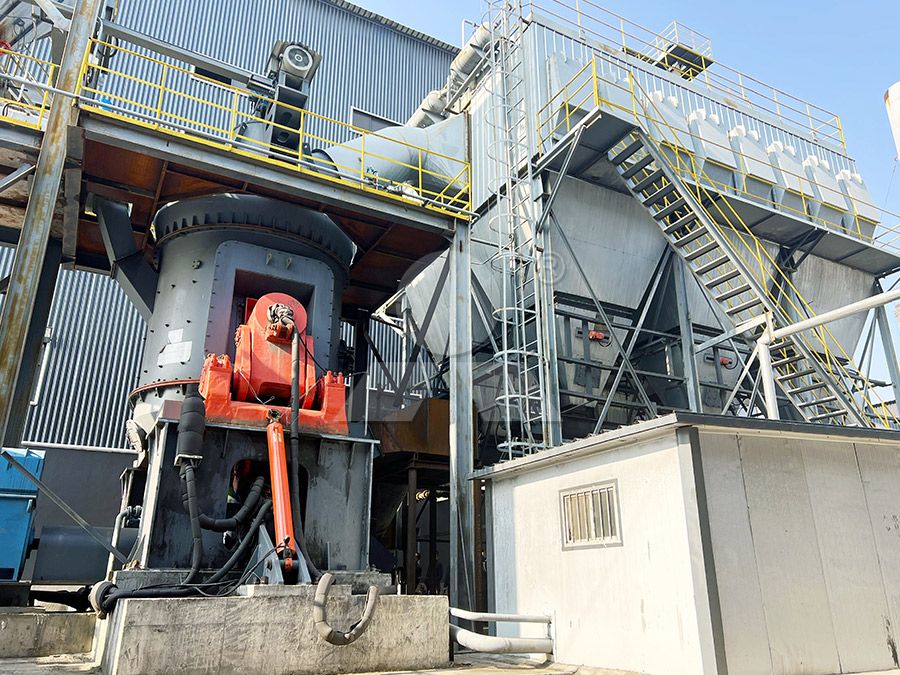
When you are in the business of industrial powder processing, hitting that 325 mesh target consistently is not just a goal—it is a necessity. Whether you are grinding limestone for desulfurization, processing barite for the oil industry, or pulverizing coal for power generation, the equipment you choose determines your bottom line. Traditional ball mills and jet mills have served their purpose, but the industry has moved on. Today, the focus is on efficiency, energy savings, and environmental compliance. This is where the vertical mill, particularly the 325 mesh vertical mill, steps in as a game changer. These machines, engineered by leaders like Liming Heavy Industry, offer a blend of high throughput, low operational cost, and precise particle size control that older technologies simply cannot match. In this article, we will dive deep into what makes these mills tick, their advantages over conventional systems, and why they are becoming the standard for modern powder processing plants.
Why 325 Mesh Matters
Mesh size is a measure of particle fineness. A 325 mesh screen has 325 openings per linear inch, meaning particles passing through are approximately 44 microns. This level of fineness is critical in applications like desulfurization in power plants, where fine limestone powder must react quickly with sulfur dioxide. It is equally important in the production of paints, cosmetics, and pharmaceuticals, where uniformity and smoothness are paramount. Achieving this consistently without sacrificing throughput requires a mill designed for precision. Machines like the MW Ultrafine Grinding Mill or the LUM Ultrafine Vertical Grinding Mill are purpose-built for this task. They incorporate advanced classifying systems—such as the cage-type powder selector on the MW series—that allow operators to dial in the exact fineness required, from 325 mesh all the way up to 2500 mesh. This flexibility means you can switch between product specifications without changing equipment, a huge advantage in multi-product facilities.
The Core Technology: Grinding Principle
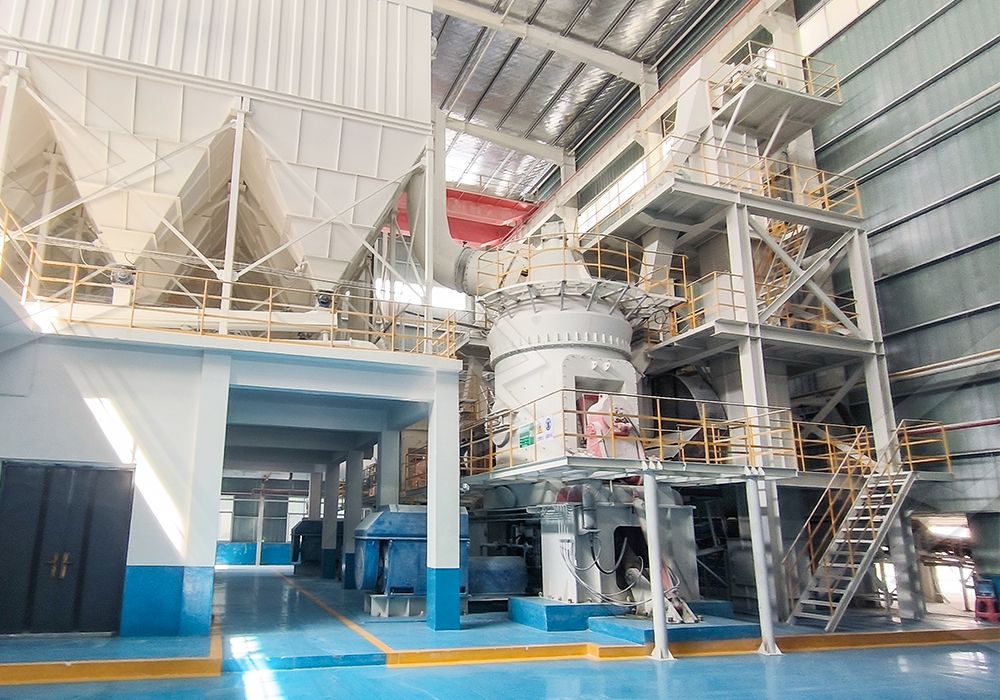
Understanding how a vertical mill actually works helps explain its efficiency. In a typical vertical grinding mill, the material is fed onto a rotating table, or millstone. Grinding rollers, which are pressed down by a hydraulic system or spring mechanism, roll over the material bed, crushing and grinding it through inter-particle comminution. This is fundamentally different from a ball mill, which relies on impact and cascading of steel balls. The vertical mill’s grinding zone is compact, and the materials are ground between the roller and the table under controlled pressure. After grinding, an air stream carries the fine particles upward to a classifier. Coarse particles are rejected and fall back onto the table for further grinding, while the fine powder passes through and is collected in a cyclone or a bag filter. The LUM Ultrafine Vertical Grinding Mill takes this a step further with its multi-head powder separating technology, which ensures a sharp cut at the desired particle size, minimizing over-grinding and reducing energy waste. This design also incorporates electronic and mechanical limiting technologies to prevent metal-to-metal contact, ensuring stable operation even under heavy load.
Energy Efficiency and Environmental Benefits
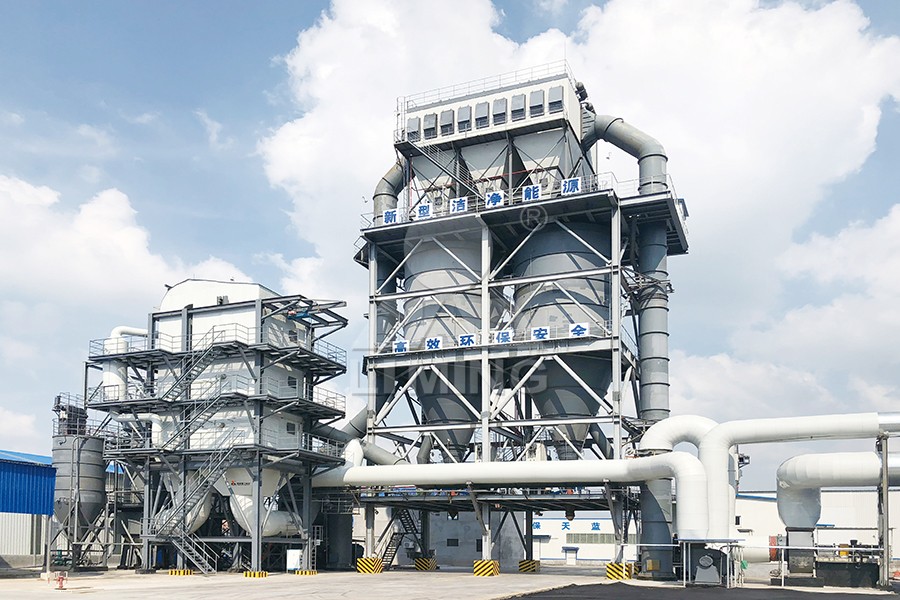
One of the most compelling arguments for switching to a modern vertical mill is energy consumption. According to our product data, the MW Ultrafine Grinding Mill uses only 30% of the energy of a jet grinding mill for the same fineness, while its yield is twice that of a ball mill. This is not just a minor improvement; it represents a fundamental shift in cost structure. For a plant running 24/7, a 30% reduction in energy bills translates directly to improved profit margins. Additionally, these mills address environmental concerns head-on. The MW mill is equipped with an efficient pulse dust collector and a muffler, ensuring that dust emissions are virtually zero and noise levels are kept to a minimum. The entire system operates under negative pressure, meaning no dust escapes into the workshop. This compliance with national environmental standards is not just about avoiding fines; it is about creating a healthier workplace and a more sustainable operation. The LM Vertical Grinding Mill, with its sealed system and low vibration, takes this a step further by emitting noise far below international standards.
Maintenance and Reliability
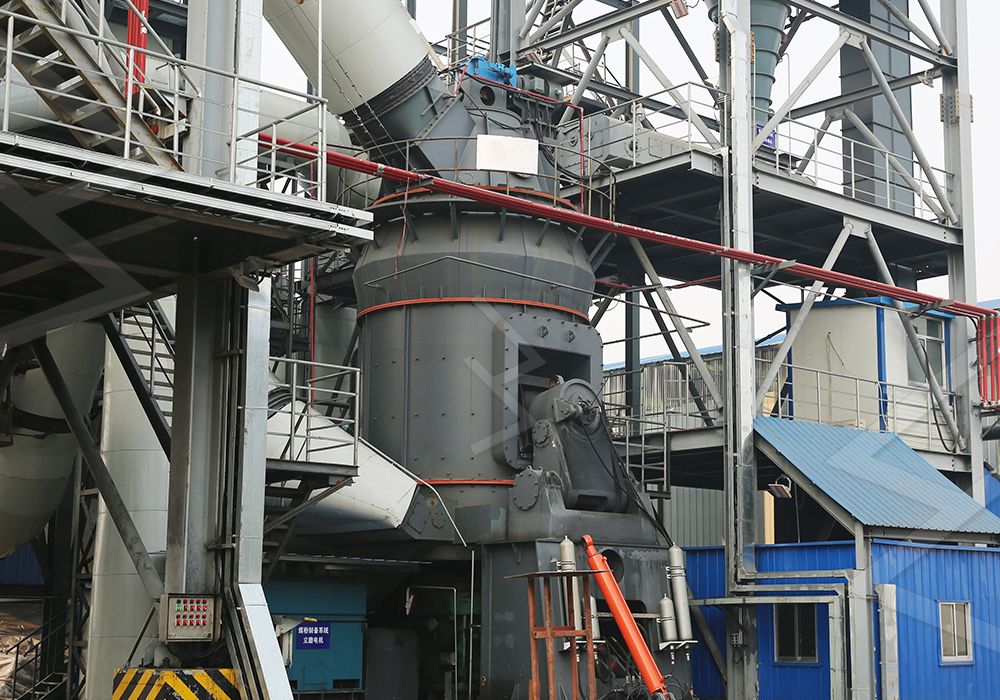
Nobody likes unexpected downtime. One of the hidden costs of older mill designs is the frequency of maintenance interventions. Traditional mills often have rolling bearings and screws inside the grinding chamber, which are prone to wear, seal failure, and loosening. The MW Ultrafine Grinding Mill eliminates this problem entirely by having no rolling bearing or screw in the grinding chamber. The lubricating device is installed externally, allowing for lubrication without shutdown. This means you can keep the machine running continuously for 24 hours a day, day after day. The LUM Ultrafine Vertical Grinding Mill goes further with a reversible structure for the grinding roller. Heavy rollers can be difficult to replace, but the LUM’s hydraulic system allows operators to swing the roller out of the body effortlessly, making inspection and replacement of the roller shell and liner plate a quick job. This reduces maintenance downtime from days to hours. Both the MW and LUM mills benefit from digitalized processing during manufacturing—steel cutting, bending, and milling are all controlled by CNC machines, ensuring that every component meets tight tolerances. This precision translates into longer part life and more reliable operation in the field.
Application Versatility
A common question we hear is: “What materials can this handle?” The answer is quite broad. Vertical mills are used across dozens of industries. For non-metallic minerals like calcite, marble, limestone, barite, and talc, these mills are the standard. The food and pharmaceutical industries use them for fine grinding of additives and excipients. In the energy sector, they are critical for coal grinding in power plants and for desulfurization agents. The LM Vertical Grinding Mill, for instance, can handle input sizes up to 70 mm and outputs from 3 to 340 tph, making it suitable for everything from small pilot plants to massive industrial operations. The MTW-Z European Trapezium Mill offers dilute oil lubrication for the grinding roller, a maintenance-free technology that reduces maintenance costs and increases uptime. Whether you are processing hard materials like granite or soft materials like gypsum, there is a configuration that fits. The ability to adjust fineness from 325 to 2500 mesh means that one machine can serve multiple product lines, reducing the need for multiple specialized mills. For companies looking to expand their product portfolio, this versatility is a major advantage.
Making the Switch: What to Consider
If you are currently using a ball mill or a jet mill, the decision to upgrade to a vertical mill should be based on a few key factors. First, evaluate your current energy costs and throughput. Most plants see a return on investment within 12 to 18 months due to energy savings alone. Second, consider the physical footprint. The LM Vertical Grinding Mill occupies about 50% less floor space than a ball mill system, which can free up valuable real estate in your plant. Third, look at your fineness requirements. If you need consistent, high-precision 325 mesh powder with minimal oversize, vertical mills offer a level of control that is hard to beat. Finally, think about maintenance. The no-bearing design and external lubrication of the MW mill mean fewer spare parts to stock and less specialized labor required. For those processing highly abrasive materials, the wear-resistant alloy rollers and rings of the MTW European Trapezium Mill can last 1.7 to 2.5 times longer than traditional manganese steel parts. Conducting a trial run with your specific material is always recommended, and we at Liming can provide testing services to help you select the right model.
Conclusion
The move toward vertical mills for 325 mesh and finer powder processing is not a trend—it is an evolution of the industry. The combination of lower energy consumption, higher output, better environmental performance, and easier maintenance makes them a logical choice for any serious powder producer. Liming Heavy Industry has been at the forefront of this technology, with products like the MW Ultrafine Grinding Mill and the LUM Ultrafine Vertical Grinding Mill representing the state of the art. By integrating European grinding technologies, PLC control systems, and digital precision manufacturing, these mills deliver results that older equipment simply cannot. If you are looking to improve your operation, reduce your carbon footprint, and increase your profitability, a modern vertical mill is the way forward. We invite you to contact our technical team to discuss your specific application and see how we can help you achieve your powder processing goals.
Frequently Asked Questions
1. What is the typical capacity of a 325 mesh vertical mill?
Capacities vary by model. The MW Ultrafine Grinding Mill can handle 0.5 to 25 tph, while the LUM Ultrafine Vertical Grinding Mill offers 5 to 18 tph. For larger throughput, the LM Vertical Grinding Mill ranges from 3 to 340 tph. The right choice depends on your material and production targets.
2. How does the fineness adjustment work on these mills?
Fineness is controlled by adjusting the speed of the classifier rotor. On the MW mill, the cage-type powder selector allows precise setting between 325 and 2500 mesh. The LUM mill uses a PLC-controlled multi-head separator for high-precision cutting of particle size.
3. Can these mills handle wet materials?
Yes, but within limits. The maximum moisture content for most models is around 10%. For wetter feeds, a pre-drying step or configuration with hot air inlet is available. The LM vertical mill integrates drying and grinding, making it suitable for materials with higher moisture.
4. What is the maintenance schedule like?
The MW mill requires minimal internal maintenance because it has no rolling bearings or screws in the chamber. External lubrication can be done while the machine runs. The LUM mill’s reversible roller design allows quick replacement of wear parts. Regular checks on the classifier and filter system are recommended monthly.
5. How do these mills compare to ball mills in terms of noise?
Vertical mills are significantly quieter. The LM grinding mill, for example, operates with small vibration and low noise. The sealed, negative-pressure system also contains dust, making for a cleaner working environment.
6. Are spare parts readily available?
Yes. Liming Heavy Industry maintains a sufficient supply of original spare parts for all models. The company offers technical services and ensures worry-free operation with a stock of wear-resistant rollers, rings, and liners.
7. Can I use the same mill for different materials?
Absolutely. By adjusting the grinding pressure, classifier speed, and feed rate, you can switch between materials like limestone, barite, talc, and gypsum. The flexible design of models like the MTW-Z allows quick changeovers.
8. What is the power consumption compared to a jet mill?
The MW Ultrafine Grinding Mill uses only 30% of the energy of a jet mill for the same fineness. The LUM mill reduces energy consumption by 30% to 50% compared to common grinding mills. This makes them highly cost-effective for continuous operations.
9. How long does it take to install a vertical mill?
Installation time varies, but the modular design of modern vertical mills speeds up the process. A typical LM or MW system can be installed and commissioned within two to four weeks, depending on site preparation and local conditions.
10. Do you offer trial grinding services?
Yes. Liming Heavy Industry provides grinding tests for your materials to determine the optimal mill configuration, fineness, and capacity before you make a purchase decision. Contact your local distributor for details.