
Vertical Mill for Processing Hematite Ore: A Technical Perspective on Efficiency and Innovation
We provide a wide range of mills — including Raymond mill, trapezoidal mill, vertical mill, ultrafine mill, and ball mill, obtained ISO9001 international quality certification, EU CE certification, and Customs Union CU-TR certification. Suitable for processing minerals such as limestone, phosphate, quicklime, kaolin, talc, barite, bentonite, calcium carbonate, dolomite, coal, gypsum, clay, carbon black, slag, cement raw materials, cement clinker, and more.
The discharge range of these mills can be adjusted to meet specific processing needs, typically from 80-400 mesh, 600-3250 mesh, and can achieve the finest particle size of up to 6000 mesh(D50).
If you are looking for a reliable grinding solution to turn stone or minerals into fine powder, please feel free to contact our online customer service.
Vertical Mill for Processing Hematite Ore: A Technical Perspective on Efficiency and Innovation
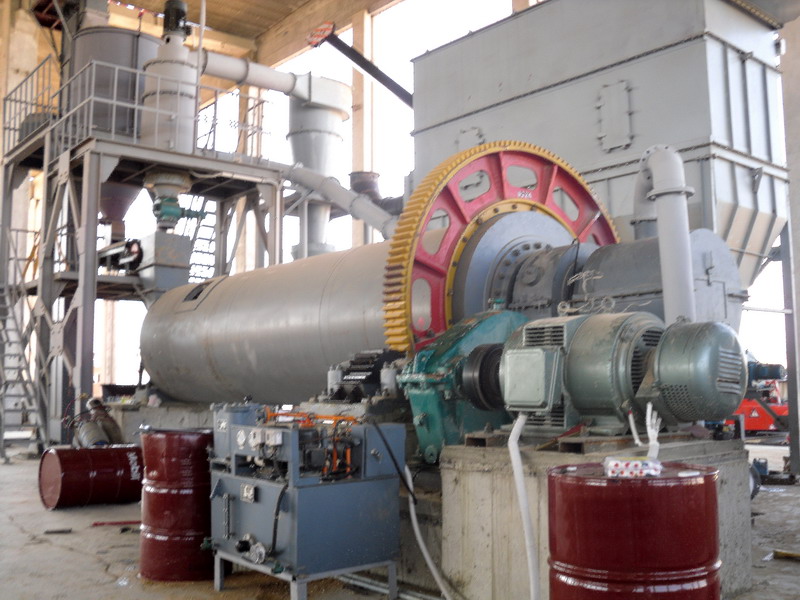
Hematite ore, a primary source of iron, presents unique challenges in mineral processing. Its abrasive nature and the stringent requirements for final product fineness and purity demand robust and highly efficient grinding solutions. Traditional ball mills, while common, often fall short in terms of energy efficiency, footprint, and control over particle size distribution. In this context, vertical roller mills (VRMs) have emerged as the superior technology, offering a transformative approach to hematite comminution.
The fundamental advantage of a vertical mill lies in its integrated design. It combines drying, grinding, classification, and conveying into a single, compact unit. For hematite, which may require drying if moisture content is variable, this integration is a significant benefit. The material is ground between rollers and a rotating table, with hot gas flowing through the mill, simultaneously drying and transporting the ground particles to an integrated classifier.
Key Advantages for Hematite Processing
When processing abrasive materials like hematite, operational costs and maintenance intervals are critical. Vertical mills excel here due to their lower specific energy consumption—typically 30% to 50% less than ball mills. This is achieved through efficient grinding principles and advanced material bed compression rather than impact and attrition alone. Furthermore, the wear parts, such as rollers and table liners, are designed for easy replacement. Modern VRMs often feature hydraulic systems that allow rollers to be swung out of the grinding chamber, drastically reducing downtime for maintenance.
Product quality is another paramount concern. The ability to precisely control grinding pressure, table speed, and classifier rotor speed allows operators to maintain a consistent and narrow particle size distribution. This is crucial for downstream processes like magnetic separation or pelletizing. The short material retention time in a vertical mill minimizes over-grinding and reduces the risk of iron contamination from mechanical wear, thereby preserving the ore’s natural properties.
Selecting the Right Mill: A Focus on Ultrafine and Precision Grinding
While several vertical mill configurations exist, selecting the right model depends on the target fineness and capacity. For standard grinding requirements, the robust LM Vertical Grinding Mill is a workhorse, capable of handling feed sizes up to 70mm and offering very high throughput. However, for applications demanding ultra-fine powders or exceptional product purity, more specialized mills are required.
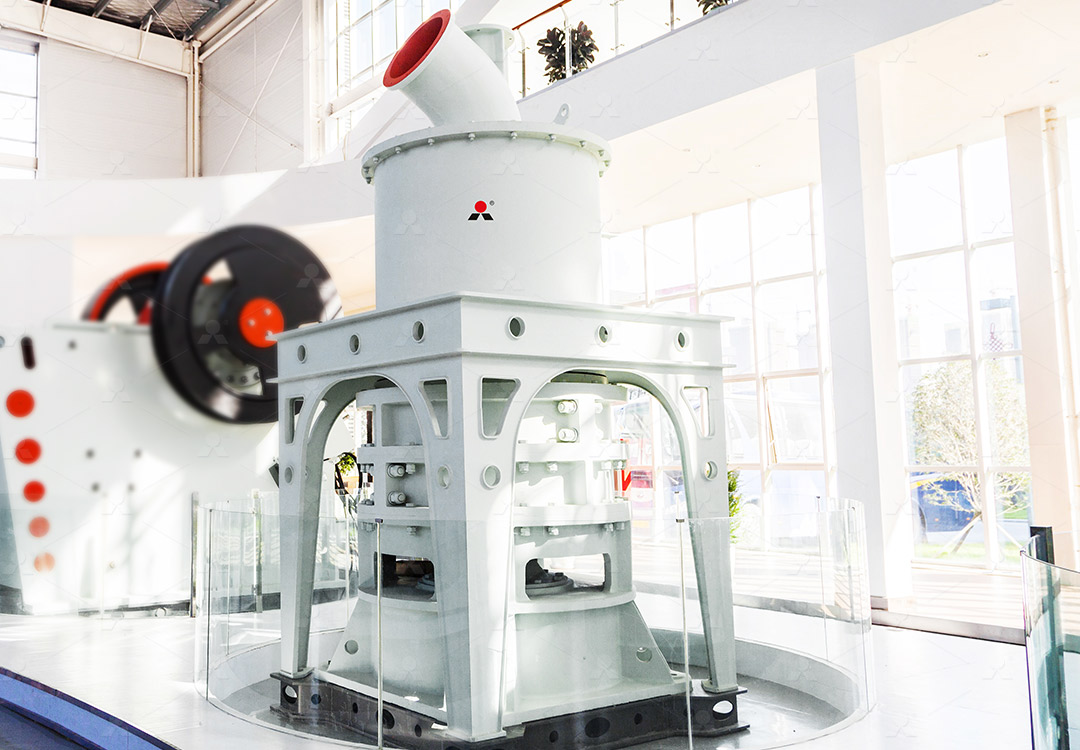
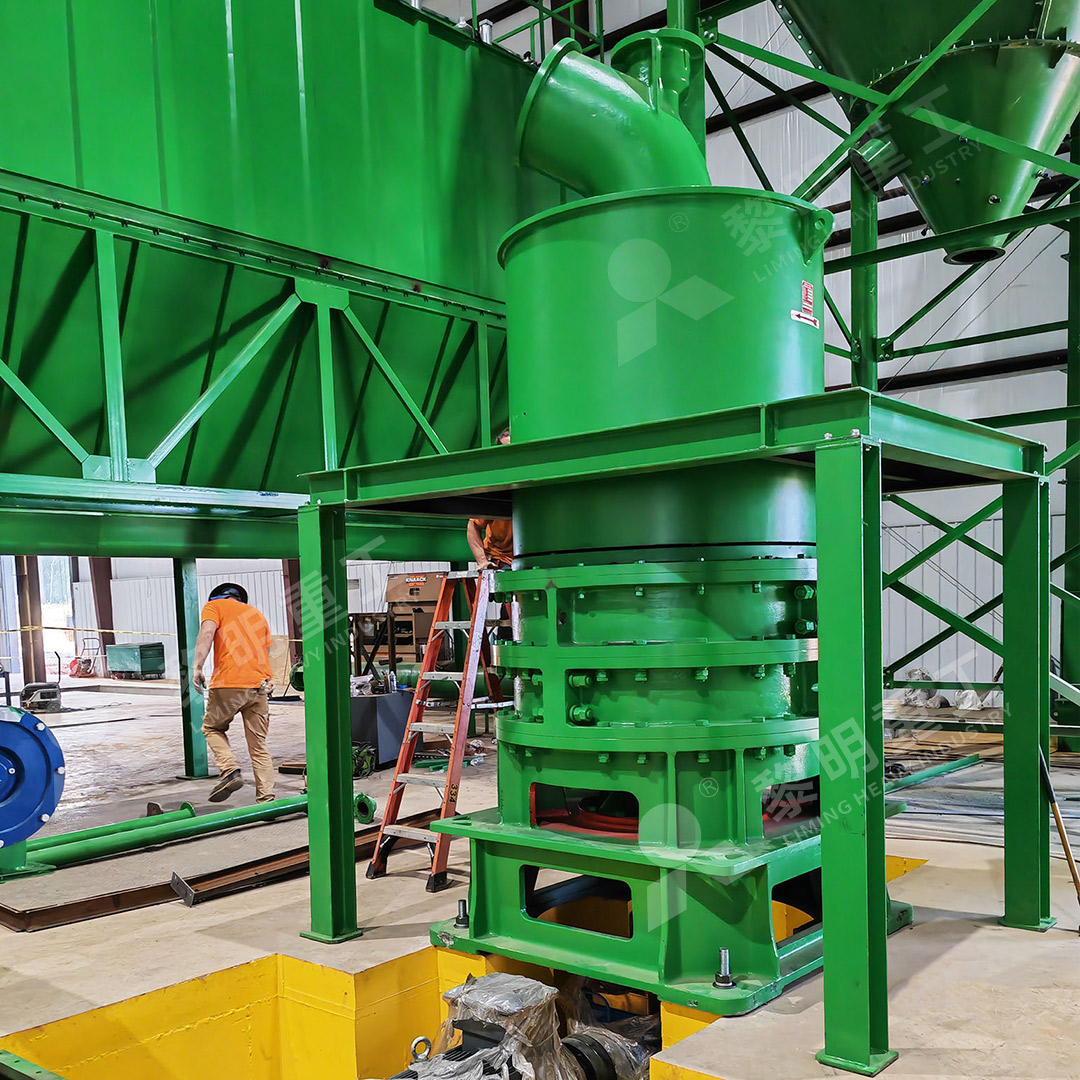
This is where our MW Ultrafine Grinding Mill demonstrates exceptional capability. Engineered for precision, it is ideal for producing finely ground hematite concentrates. With an adjustable fineness range between 325 to 2500 meshes, it can meet the most stringent specifications. Its design eliminates rolling bearings and screws within the grinding chamber, a revolutionary feature that removes primary failure points and concerns about seal damage or loose components causing catastrophic failure. The external lubrication system allows for continuous 24/7 operation. For hematite processing that requires a superfine, high-purity product, the MW series offers higher yield and lower energy consumption compared to traditional jet or ball mills, all while maintaining an eco-friendly operation with its integrated pulse dust collector and noise reduction systems.
Advanced Technology for Unmatched Control
For operations seeking the pinnacle of technology with larger capacity for ultrafine products, our LUM Ultrafine Vertical Grinding Mill represents the cutting edge. It incorporates the latest grinding roller and German powder separating technologies. Its unique roller shell and lining plate curve promote stable material layer formation, enabling high rates of finished product in a single pass. The multi-head powder separating technology, controlled by a PLC system, solves the classic industry dilemma of achieving both high-precision size cuts and rapid switching between different product demands. Furthermore, its double position-limiting technology ensures operational stability by preventing destructive contact between the roller and millstone during unexpected vibration, a critical safeguard for continuous hematite processing lines.
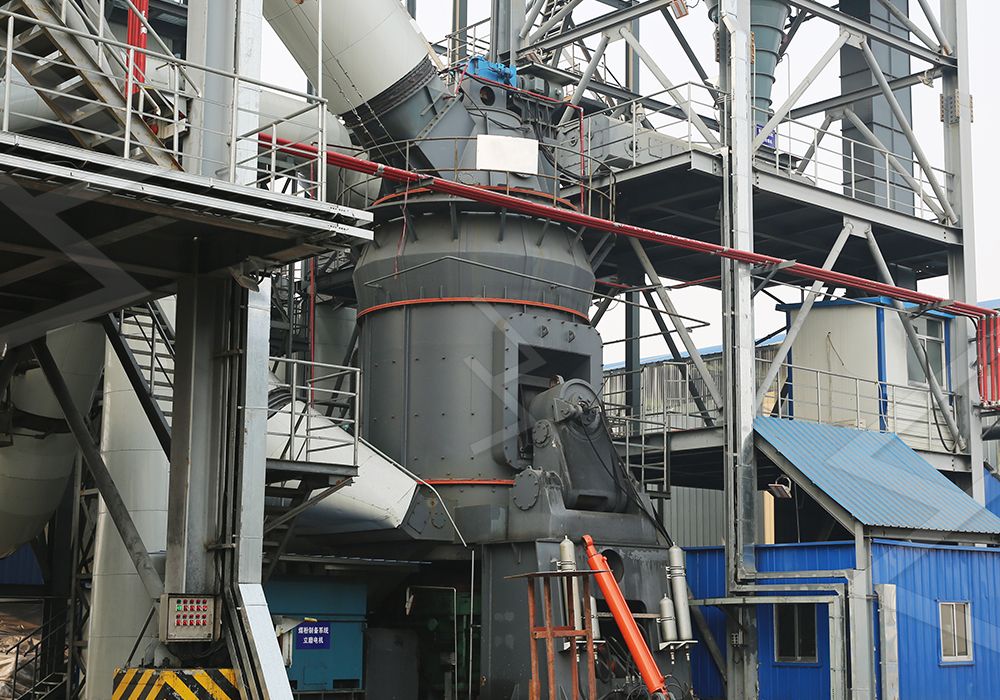
The journey of hematite from raw ore to valuable concentrate is defined by efficiency and precision. Vertical roller mills, with their integrated processes, significant energy savings, and superior product control, are no longer just an alternative but the definitive choice for modern, cost-effective, and environmentally responsible processing. Investing in the right vertical grinding technology, such as the specialized MW or LUM series for fine grinding applications, directly translates to lower operational expenditure, reduced downtime, and a higher-quality, more consistent final product that meets the exacting standards of the global market.
Frequently Asked Questions (FAQ)
1. Why is a vertical mill better than a ball mill for hematite ore?
Vertical mills offer 30-50% lower energy consumption, a significantly smaller footprint, integrated drying, and more precise control over particle size. They also have shorter material retention times, which reduces over-grinding and potential iron contamination from wear, making them more efficient and cost-effective for abrasive materials like hematite.
2. Can vertical mills handle the abrasive nature of hematite?
Yes, modern vertical mills are specifically designed for abrasive materials. Key wear parts (rollers, table liners) are made from high-performance, wear-resistant alloys. Features like reversible roller structures and easy-maintenance designs allow for quick part replacement, minimizing downtime and managing long-term wear costs effectively.
3. What fineness can be achieved when grinding hematite in a vertical mill?
It depends on the mill model. Standard vertical mills can achieve finenesses suitable for pelletizing feed. For ultra-fine requirements, specialized mills like the MW Ultrafine Grinding Mill can produce powders ranging from 325 to 2500 meshes (approximately 45 to 5 microns), which is essential for high-value applications.
4. How is product fineness controlled in a vertical mill?
Fineness is primarily controlled by the integrated dynamic classifier (separator). By adjusting the speed of the classifier rotor, operators can precisely cut the particle size. Additionally, grinding pressure and feed rate can be fine-tuned to optimize the grind and achieve a consistent, narrow particle size distribution.
5. Are vertical mills environmentally friendly?
Absolutely. Vertical mill systems are fully enclosed and operate under negative pressure, preventing dust spillage. They are equipped with high-efficiency pulse jet baghouse dust collectors, ensuring emissions are well below international standards. Their lower energy consumption also directly reduces the carbon footprint of the grinding operation.
6. What about maintenance and spare parts availability?
Leading manufacturers design mills for easier maintenance, with features like hydraulic roller swing-out systems. It is crucial to choose a supplier like LIMING that guarantees a sufficient supply of original spare parts and provides comprehensive technical support to ensure worry-free, long-term operation and maximize equipment lifespan.