
Light Calcium Carbonate Grinding Machinery Price and Cost Analysis
We provide a wide range of mills — including Raymond mill, trapezoidal mill, vertical mill, ultrafine mill, and ball mill, obtained ISO9001 international quality certification, EU CE certification, and Customs Union CU-TR certification. Suitable for processing minerals such as limestone, phosphate, quicklime, kaolin, talc, barite, bentonite, calcium carbonate, dolomite, coal, gypsum, clay, carbon black, slag, cement raw materials, cement clinker, and more.
The discharge range of these mills can be adjusted to meet specific processing needs, typically from 80-400 mesh, 600-3250 mesh, and can achieve the finest particle size of up to 6000 mesh(D50).
If you are looking for a reliable grinding solution to turn stone or minerals into fine powder, please feel free to contact our online customer service.
Understanding the True Cost of Light Calcium Carbonate Grinding
When evaluating equipment for light calcium carbonate processing, price tags often mislead buyers. The initial purchase cost accounts for only a fraction of the total expenditure over a machine’s lifespan. To make a sound investment, one must consider energy consumption, maintenance downtime, spare parts availability, and production efficiency. This article breaks down the real cost drivers and compares leading technologies to help you choose wisely.
Why Light Calcium Carbonate Demands Specialized Grinding
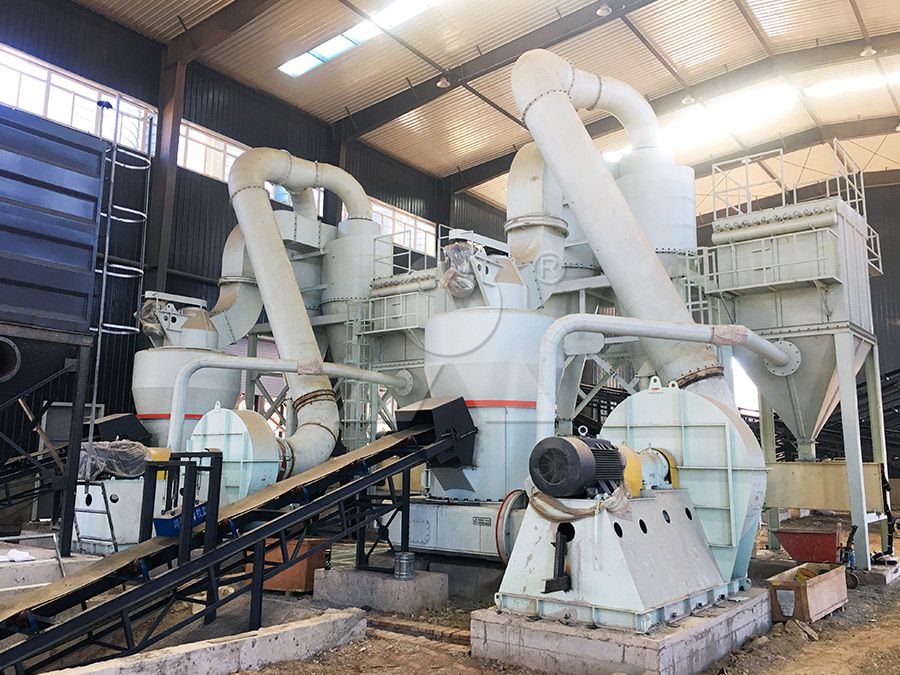
Light calcium carbonate, also known as precipitated calcium carbonate (PCC), has a finer particle size and higher purity than ground calcium carbonate. Its applications in plastics, paints, rubber, and pharmaceuticals require precise control over fineness (325 to 2500 mesh) and minimal contamination. Traditional ball mills or Raymond mills often struggle to meet these requirements without excessive energy use or frequent maintenance. Modern ultrafine grinding mills, such as those utilizing vertical roller technology or multi-stage grinding chambers, offer superior results.
Key Cost Factors in Light Calcium Carbonate Grinding Machinery
1. Initial Purchase Price vs. Total Cost of Ownership
A typical Raymond mill for PCC may cost between $50,000 and $150,000, while an ultrafine vertical mill can range from $200,000 to $500,000. However, the vertical mill often delivers 40% higher capacity per unit of energy. For a plant producing 10 tons per hour, the annual energy savings alone can exceed $80,000. Our MW Ultrafine Grinding Mill (input size 0-20 mm, capacity 0.5-25 tph) reduces system energy consumption to just 30% of a jet mill, with a yield twice that of a ball mill. This translates to a payback period of under 18 months for many operations.
2. Energy Consumption: The Hidden Giant
Grinding is one of the most energy-intensive processes in mineral processing. For light calcium carbonate, achieving d97 ≤ 5 μm requires significant power. Jet mills consume approximately 2000-3000 kWh per ton of finished product. Ball mills average 800-1500 kWh per ton. In contrast, the LUM Ultrafine Vertical Grinding Mill (input size 0-10 mm, capacity 5-18 tph) consumes only 30-50% of the energy of a ball mill for the same fineness, thanks to its multi-head powder separator and optimized grinding curve. Over a 10-year period, energy costs can dwarf the initial machine price by a factor of three to five.
3. Maintenance and Downtime Costs
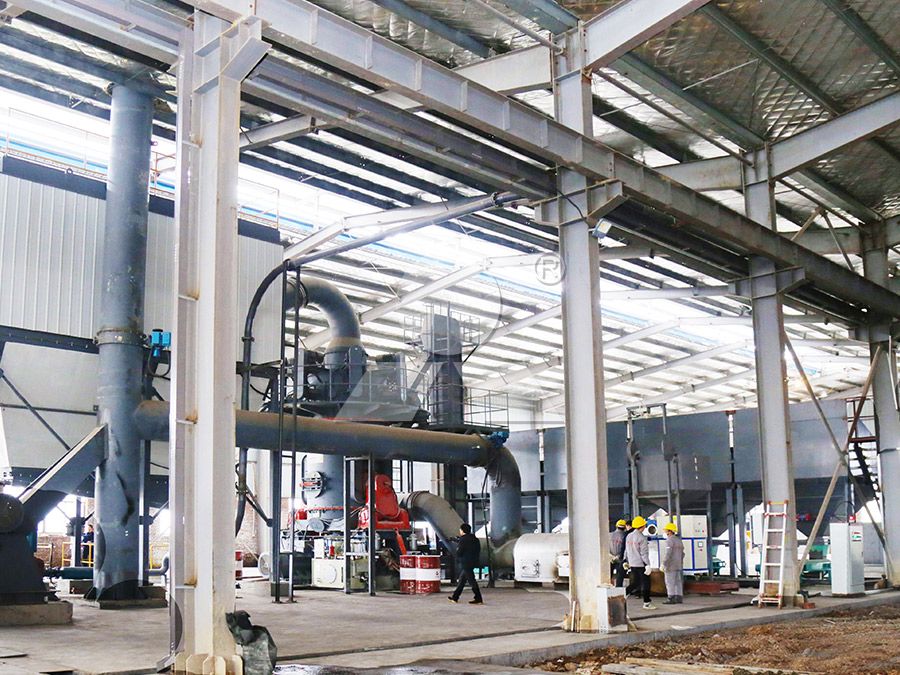
Frequent bearing failures, screw loosening, and liner plate wear are common headaches in traditional mills. Our MW Ultrafine Grinding Mill eliminates rolling bearings and screws inside the grinding chamber, removing the risk of bearing damage or screw-related breakdowns. The external lubricating device enables 24-hour continuous operation without shutdown. Similarly, the LUM Mill’s reversible structure allows a single operator to replace roller shells and liners in under two hours, minimizing production loss. A typical plant losing 100 hours per year to unplanned maintenance at $500 per hour loses $50,000 annually—often more than the cost of a preventive maintenance contract.
4. Spare Parts and Wear Life
Grinding rollers and rings made of traditional high-manganese steel last only 800-1200 hours in light calcium carbonate service. LIMING’s proprietary wear-resistant alloy extends this to 2000-3000 hours—1.7 to 2.5 times longer. With a set of rollers costing $8,000 to $15,000, every extra 1000 hours of life saves thousands. Both the MW and LUM series benefit from digitalized machining (CNC cutting, bending, and milling), ensuring consistent part quality and fit.
Comparing Technologies: Which Mill Fits Your Budget?
| Parameter | Ball Mill | Raymond Mill | MW Ultrafine Mill | LUM Vertical Mill |
|---|---|---|---|---|
| Initial Cost (USD) | $80k – $200k | $50k – $150k | $150k – $400k | $250k – $600k |
| Energy Cost per Ton (USD) | $12 – $18 | $10 – $15 | $4 – $7 | $5 – $9 |
| Maintenance Cost per Year (USD) | $25k – $50k | $20k – $40k | $10k – $20k | $12k – $25k |
| Fineness Range (mesh) | 200 – 600 | 80 – 400 | 325 – 2500 | 325 – 2500 |
| Capacity (tph) | 0.5 – 50 | 0.6 – 5 | 0.5 – 25 | 5 – 18 |
Real-World ROI: A Case Study
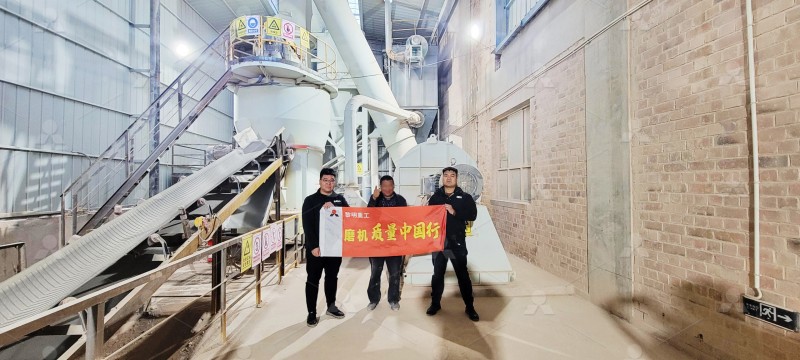
A PCC producer in Vietnam upgraded from a ball mill to an MW Ultrafine Grinding Mill for their 8 tph line. The ball mill required 1200 kW and produced d90 = 45 μm. The MW mill uses only 400 kW for the same output and achieves d97 = 10 μm. Annual electricity savings: $280,000. Maintenance costs dropped from $45,000 to $15,000 per year. The total investment of $320,000 was recovered in 14 months. Additionally, the higher quality powder let them sell at a premium of $15 per ton, adding another $120,000 annually.
Environmental and Operational Benefits That Save Money
Stringent environmental regulations in many countries impose fines for dust emissions and noise violations. Both the MW and LUM mills are equipped with efficient pulse dust collectors and silencers, ensuring emissions stay below national standards. The closed-loop negative pressure system prevents powder leakage, while digital controls allow remote operation, reducing labor costs. These features not only avoid penalties but also improve worker safety and product consistency.
Conclusion: Invest Smart, Not Just Cheap
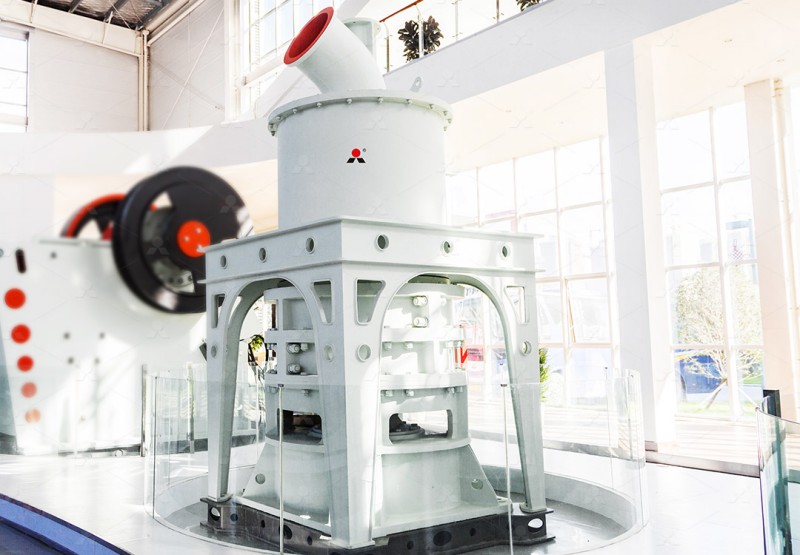
The cheapest machine upfront is rarely the most economical over a decade. For light calcium carbonate, the combination of energy efficiency, low maintenance, and high product quality makes ultrafine grinding mills the superior choice. Our MW Ultrafine Grinding Mill offers the best balance for small to medium capacities (0.5-25 tph), while the LUM Ultrafine Vertical Grinding Mill excels in larger operations (5-18 tph) requiring top-tier fineness. Both are backed by LIMING’s full supply of spare parts and technical support, ensuring worry-free operation.
Frequently Asked Questions (FAQ)
1. What is the typical payback period for an MW Ultrafine Grinding Mill?
Most customers see a payback period of 12 to 18 months, primarily driven by energy savings and reduced maintenance costs compared to ball mills or jet mills.
2. Can the LUM Mill handle materials other than light calcium carbonate?
Yes. The LUM Mill is designed for various non-metallic minerals including calcite, marble, dolomite, barite, talc, and gypsum, as well as coal and slag.
3. How does the fineness adjustment work on the MW Mill?
The cage-type powder selector, based on German technology, allows precise adjustment between 325 and 2500 mesh. Users can achieve d97 ≤ 5 μm in a single pass by adjusting the rotor speed and air flow.
4. What is the maintenance interval for grinding rollers?
With LIMING’s wear-resistant alloy rollers, replacement is typically needed every 2000-3000 operating hours, depending on material abrasiveness. The external lubrication system allows oil changes without stopping the machine.
5. Are spare parts readily available internationally?
LIMING maintains warehouses in key regions (Asia, Middle East, Africa, South America) and can ship original spare parts within 48 hours for most urgent orders. We also offer stock recommendations based on your production volume.
6. What is the noise level during operation?
Both the MW and LUM mills operate below 85 dB(A) at 1 meter distance, thanks to silencers, noise elimination rooms, and the elastic damping structures that reduce vibration.
7. Can the mills be integrated into an existing plant layout?
Yes. The modular design and compact footprint (50% less than ball mill systems) make retrofitting straightforward. Our engineering team provides free layout consultation.
8. How does the dust collection system perform in high-humidity environments?
The pulse dust collector is designed for 99.9% efficiency even at 80% relative humidity. For extremely wet climates, an optional heated air intake prevents condensation.
9. What is the maximum feed size for the MW Mill?
The MW Ultrafine Grinding Mill accepts feed sizes up to 20 mm. Larger materials must be pre-crushed using a jaw crusher or hammer crusher, which we can supply as part of a complete system.
10. Do you offer training for operators?
Yes. Every purchase includes on-site training for operators and maintenance staff, plus digital manuals and remote support via video call for the first year of operation.