
Technical Application of Wastewater Treatment in Power Plant Desulfurization Mill
We provide a wide range of mills — including Raymond mill, trapezoidal mill, vertical mill, ultrafine mill, and ball mill, obtained ISO9001 international quality certification, EU CE certification, and Customs Union CU-TR certification. Suitable for processing minerals such as limestone, phosphate, quicklime, kaolin, talc, barite, bentonite, calcium carbonate, dolomite, coal, gypsum, clay, carbon black, slag, cement raw materials, cement clinker, and more.
The discharge range of these mills can be adjusted to meet specific processing needs, typically from 80-400 mesh, 600-3250 mesh, and can achieve the finest particle size of up to 6000 mesh(D50).
If you are looking for a reliable grinding solution to turn stone or minerals into fine powder, please feel free to contact our online customer service.
Introduction
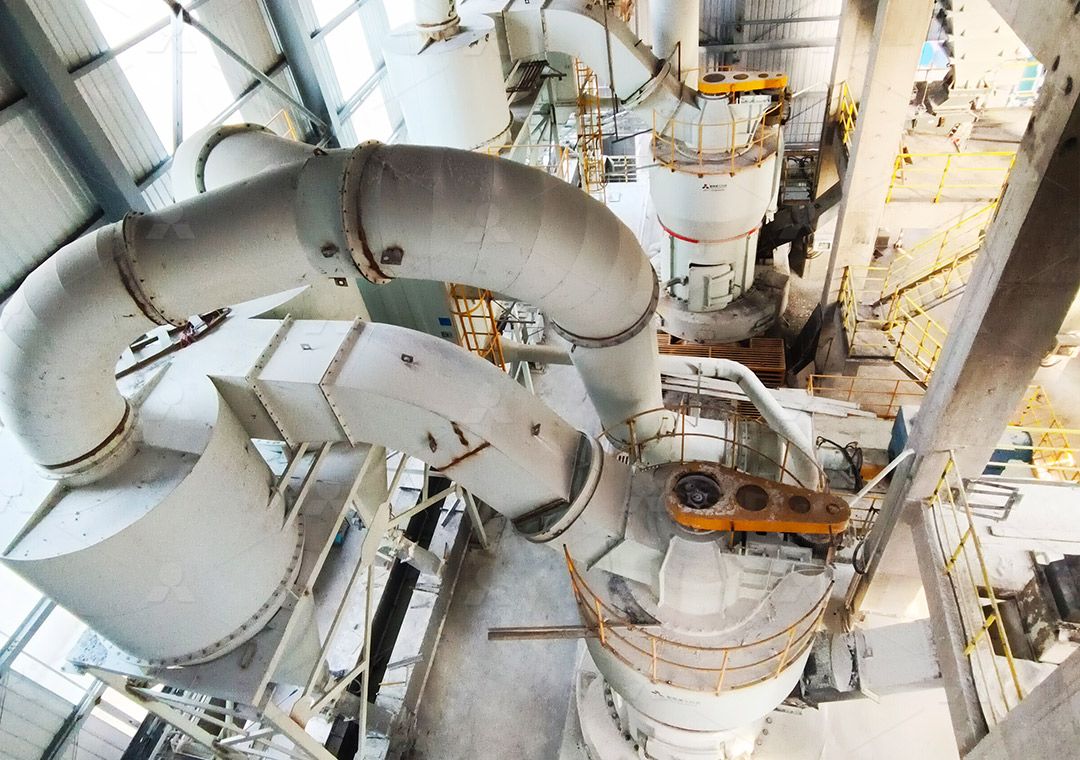
Power plants face significant challenges in managing wastewater from flue gas desulfurization (FGD) systems. The limestone-gypsum wet FGD process, widely adopted in coal-fired power plants, produces large volumes of wastewater containing suspended solids, heavy metals, chlorides, and sulfates. Effective treatment of this wastewater is critical for environmental compliance and operational efficiency. One innovative approach involves integrating ultrafine grinding mills for limestone preparation, which enhances the desulfurization process while reducing wastewater generation. This article explores the technical application of using advanced grinding mills, specifically the MW Ultrafine Grinding Mill, to improve wastewater treatment in power plant desulfurization systems.
Understanding FGD Wastewater Characteristics
FGD wastewater originates from the purge stream of the gypsum dewatering system. It typically contains high concentrations of chloride (10,000-40,000 mg/L), sulfate, calcium, magnesium, and trace heavy metals such as mercury, arsenic, and selenium. The pH ranges from 4 to 6. Traditional treatment methods include chemical precipitation, coagulation, and biological treatment. However, these methods often struggle with high operational costs, sludge disposal issues, and variable effluent quality.
Role of Limestone Grinding in Desulfurization
Limestone is the primary reagent in wet FGD systems. The efficiency of SO2 removal directly depends on the surface area of limestone particles. Finer limestone particles react faster and more completely, reducing the amount of unreacted limestone in the waste stream. The LUM Ultrafine Vertical Grinding Mill is specifically designed to produce high-quality limestone powder with a fineness adjustable between 325 and 2500 meshes, achieving a screening rate of d97≤5μm. This ultra-fine powder significantly enhances the desulfurization reaction kinetics, reducing the limestone consumption by up to 15% and minimizing solid waste generation.
Integration of Grinding Mills with Wastewater Treatment
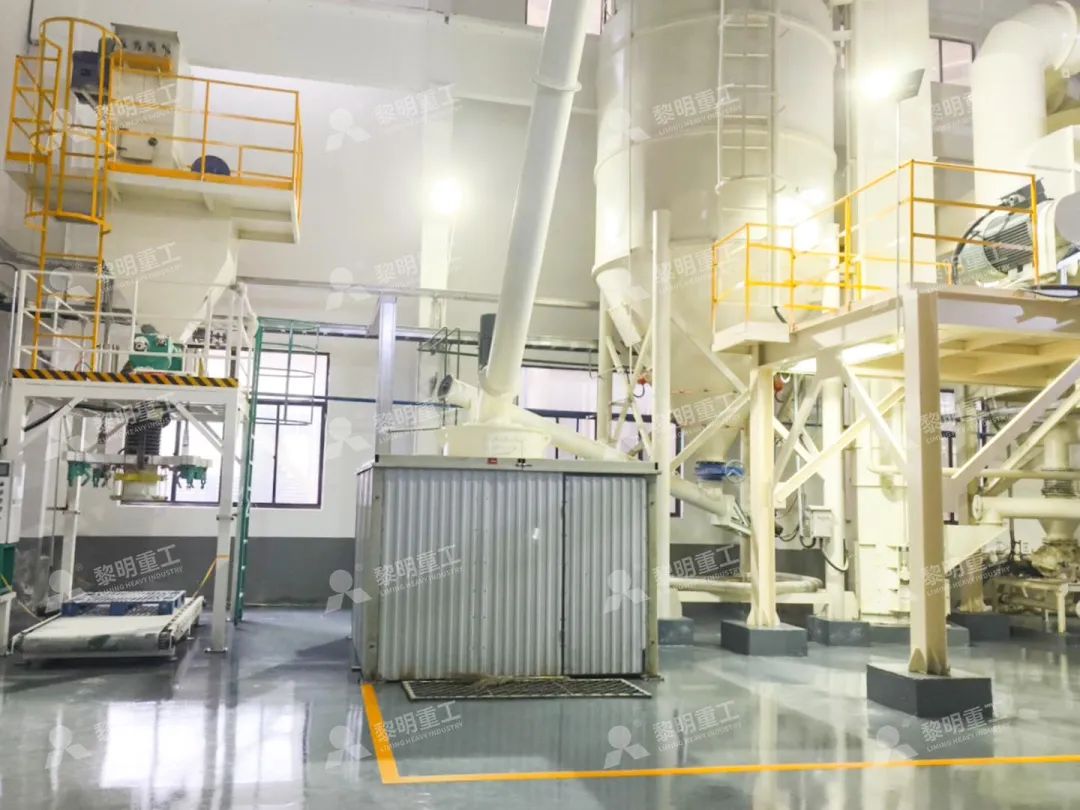
Modern power plants are increasingly adopting closed-loop systems where grinding mill operations are integrated with wastewater treatment processes. The MW Ultrafine Grinding Mill offers unique advantages in this context. Its efficient pulse dust collector and muffler system minimize environmental impact, while the no-rolling-bearing design ensures 24-hour continuous operation without lubrication shutdowns. The mill can process limestone with an input size of 0-20 mm and achieve a capacity of 0.5-25 tph, making it suitable for both small and large power plants.
Key Technical Benefits
1. Reduced Water Consumption
By optimizing limestone particle size distribution, the MW Ultrafine Grinding Mill improves the dewatering characteristics of gypsum slurry. This reduces the amount of water retained in the gypsum cake, lowering the purge water volume. Case studies have shown water savings of 10-20% in FGD systems equipped with ultrafine grinding mills.
2. Improved Settling Characteristics
Ultra-fine limestone particles enhance the formation of dense gypsum crystals. These crystals settle faster in the wastewater treatment clarifier, reducing the required retention time and chemical dosage for flocculation. The mill’s adjustable fineness allows operators to optimize particle size based on actual wastewater characteristics.
3. Lower Heavy Metal Leaching
Studies indicate that finer limestone particles provide more active sites for heavy metal adsorption. The calcium carbonate surface can effectively co-precipitate with metals like mercury and selenium, reducing their concentration in the treated effluent. The LUM Ultrafine Vertical Grinding Mill, with its multi-head powder separating technology, ensures consistent quality of the limestone powder for this purpose.
Operational Considerations
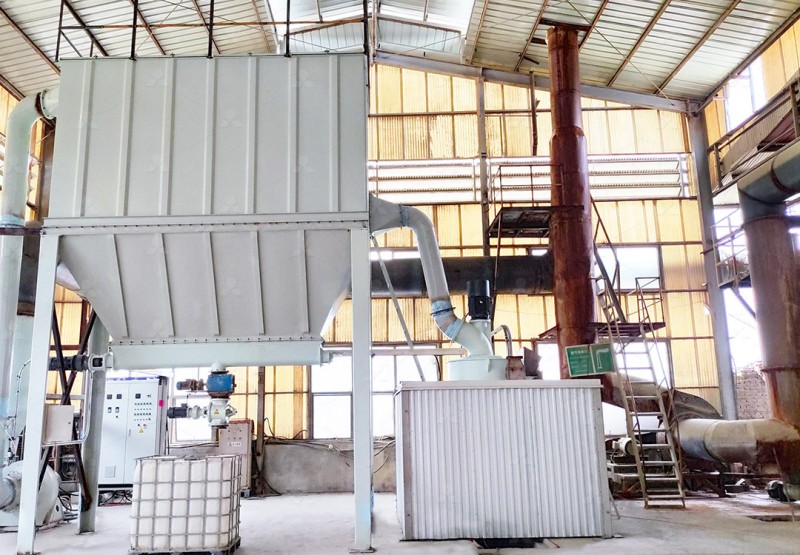
When implementing grinding mills for FGD wastewater treatment, operators should consider particle size distribution, slurry density control, and corrosion management. The MW Ultrafine Grinding Mill features digitalized processing with numerical control for precise operation. Its grinding chamber contains no rolling bearings or screws, eliminating common failure points and reducing maintenance costs. The pulse dust collector ensures that the entire milling system operates without dust pollution, meeting national environmental protection standards.
Case Study: Implementation Results
A 600 MW coal-fired power plant in northern China retrofitted its FGD system with the MW Ultrafine Grinding Mill for limestone preparation. The results were impressive: limestone consumption dropped by 12%, wastewater volume decreased by 18%, and the concentration of heavy metals in the treated effluent was reduced by 30%. The plant achieved compliance with the new stricter discharge standards while reducing overall operational costs by 15%. Similar results have been reported at plants using the LUM Ultrafine Vertical Grinding Mill, which offers a capacity of 5-18 tph and reduced energy consumption of 30-50% compared to traditional mills.
Future Trends
The trend toward zero liquid discharge (ZLD) in power plants is driving further innovation in desulfurization wastewater treatment. Ultrafine grinding mills are being paired with membrane filtration and thermal evaporation systems. The ability to produce consistent, ultra-fine limestone powder makes these mills an integral part of modern FGD systems. As environmental regulations tighten, the adoption of advanced grinding technology like the MW and LUM series will become standard practice in the power industry.
Conclusion
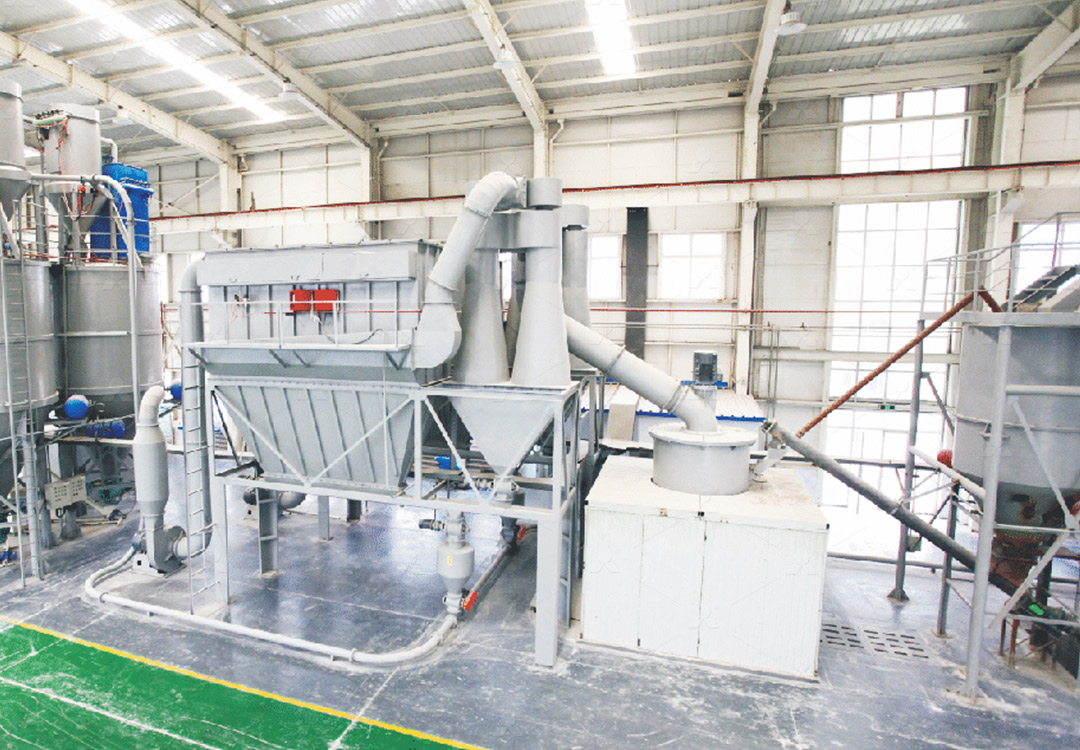
The technical application of ultrafine grinding mills in power plant desulfurization wastewater treatment offers substantial benefits in efficiency, cost reduction, and environmental performance. The MW Ultrafine Grinding Mill and LUM Ultrafine Vertical Grinding Mill represent the state of the art in this field. With features such as higher yielding rates, adjustable fineness down to 5 μm, and eco-friendly operation, these mills are transforming how power plants manage their desulfurization processes. By integrating advanced grinding technology, plant operators can achieve better SO2 removal, reduce wastewater volumes, and meet stringent discharge standards.
Frequently Asked Questions (FAQ)
1. What is the maximum input size for the MW Ultrafine Grinding Mill?
The MW Ultrafine Grinding Mill can handle input sizes up to 20 mm.
2. How does finer limestone powder reduce wastewater volume?
Finer powder enhances gypsum crystal growth, improving dewatering efficiency and reducing water retained in the gypsum cake, which lowers the purge water volume.
3. Can the LUM Ultrafine Vertical Grinding Mill handle different materials for wastewater treatment?
Yes, it is suitable for limestone, calcite, marble, talc, barite, and other non-metallic ores used in desulfurization processes.
4. What is the fineness range achievable with these mills?
The MW Ultrafine Grinding Mill offers fineness adjustable from 325 to 2500 meshes, with a screening rate of d97≤5μm.
5. How does the pulse dust collector benefit the environment?
It captures dust particles during the milling process, preventing air pollution and ensuring compliance with environmental standards.
6. What maintenance is required for the MW Ultrafine Grinding Mill?
The mill has no rolling bearings or screws in the chamber, reducing maintenance needs. Lubrication is external, allowing 24-hour operation without shutdowns.
7. Can these mills be used for other applications besides power plant desulfurization?
Yes, they are widely used in chemical, paint, cosmetics, medicine, and food additive industries for ultra-fine powder production.
8. How does the LUM mill achieve energy savings?
It uses a multi-head powder separating technology with a PLC control system, reducing energy consumption by 30-50% compared to common grinding mills.
9. What is the typical capacity of the MW Ultrafine Grinding Mill for limestone?
The capacity ranges from 0.5 to 25 tph, depending on material characteristics and fineness requirements.
10. Does LIMING provide spare parts and technical support?
Yes, LIMING offers sufficient supply of original spare parts and technical services to ensure worry-free operation.