
Strong Swing Raymond Mill Operating Instructions: A Comprehensive Guide
We provide a wide range of mills — including Raymond mill, trapezoidal mill, vertical mill, ultrafine mill, and ball mill, obtained ISO9001 international quality certification, EU CE certification, and Customs Union CU-TR certification. Suitable for processing minerals such as limestone, phosphate, quicklime, kaolin, talc, barite, bentonite, calcium carbonate, dolomite, coal, gypsum, clay, carbon black, slag, cement raw materials, cement clinker, and more.
The discharge range of these mills can be adjusted to meet specific processing needs, typically from 80-400 mesh, 600-3250 mesh, and can achieve the finest particle size of up to 6000 mesh(D50).
If you are looking for a reliable grinding solution to turn stone or minerals into fine powder, please feel free to contact our online customer service.
Introduction
When I first walked into a milling plant twenty years ago, I remember the foreman telling me: ‘Son, a mill isn’t just a machine. It’s a living thing. Treat it right, and it’ll work for you. Abuse it, and it’ll bite back.’ That lesson has stuck with me through decades of working with grinding equipment across five continents. Today, I want to share that same hard-won wisdom with you, specifically about the Strong Swing Raymond Mill—a workhorse that combines the rugged reliability of traditional Raymond technology with modern engineering improvements.
Whether you’re processing limestone for construction, barite for oil drilling, or gypsum for wallboard, understanding the nuances of your mill’s operation can mean the difference between profitable production and costly downtime. This guide isn’t a rehashed manual. It’s a practical walkthrough based on real-world experience, designed to help you get the most out of your equipment.
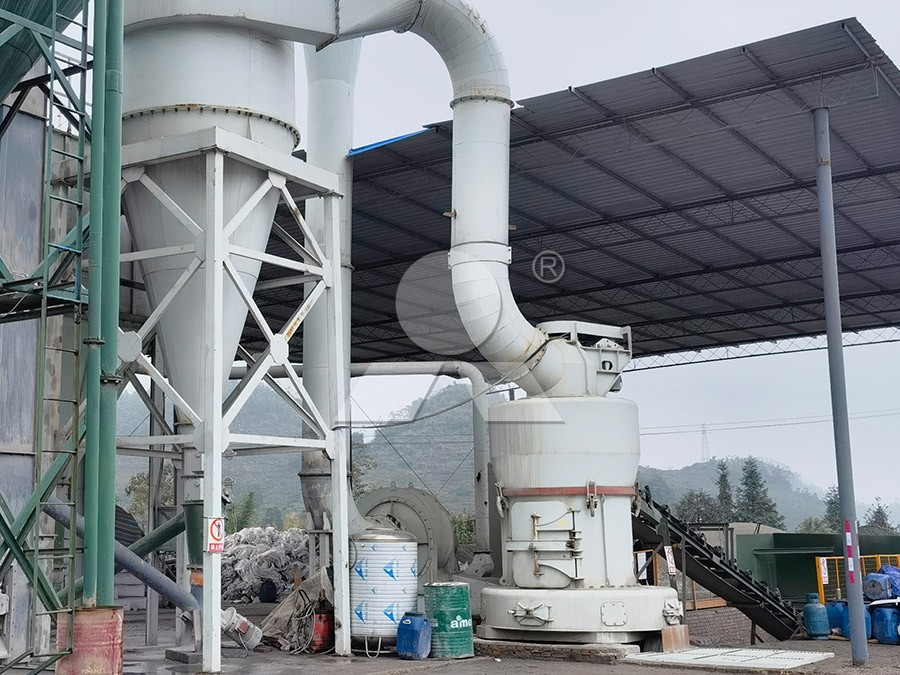
Understanding Your Mill’s Anatomy
Before we dive into operations, let’s talk about what makes this mill tick. The Strong Swing Raymond Mill consists of several key assemblies: the main grinding chamber with rollers and ring, the separator (also called the classifier), the blower, the feeder, and the control system. The ‘strong swing’ feature refers to the enhanced oscillating mechanism of the grinding rollers, which increases grinding force without adding excessive vibration to the foundation.
One thing that always surprises new operators is the absence of rolling bearings inside the grinding chamber itself. This isn’t a design flaw—it’s a deliberate feature. Without bearings inside the chamber, you eliminate the risk of grease contamination in your product and avoid the nightmare of replacing seized bearings in a confined space. The lubrication system is external, meaning you can grease the main shaft without shutting down the mill. For a 24-hour operation, this is a game-changer.
Pre-Start Checklist: Don’t Skip These Steps
I’ve seen too many startups go wrong because someone was in a hurry. Here’s my non-negotiable pre-start routine:
- Inspect the grinding chamber. Open the access door and check for any foreign objects, loose bolts, or excessive wear on the roller shells and grinding ring. A quick visual check can save you from a catastrophic failure later.
- Check the lubrication levels. The main shaft’s external lubricating device should have clean oil at the correct level. If you’re using grease fittings, make sure the lines are clear and the grease is fresh. Contaminated grease is worse than no grease.
- Verify the feeder and hopper. Make sure there are no blockages in the hopper or the feeder mechanism. A jammed feeder can cause the mill to run empty, leading to metal-on-metal contact between rollers and ring.
- Inspect the blower and air system. The blower impeller should spin freely. Check the air ducts for leaks or blockages. The system relies on balanced airflow for proper classification.
- Test the separator (classifier). Rotate the separator rotor by hand to ensure it’s free. A seized separator will stop production immediately.
- Start the lubrication system first. Before starting the main motor, run the lubrication system for at least 30 seconds to ensure all surfaces are coated.

Starting the Mill: A Step-by-Step Process
Here’s where patience pays off. The startup sequence is critical for protecting your equipment.
Step 1: Start the blower. The blower must be running before the main motor engages. This creates the necessary airflow through the system and prevents the mill from choking on its own dust. Let the blower run for about 30 seconds to stabilize.
Step 2: Engage the main motor. Listen for any unusual sounds—grinding, scraping, or knocking. If you hear anything out of the ordinary, stop immediately and investigate. A normal startup sound is a low hum that builds smoothly.
Step 3: Start the feeder at low speed. Begin feeding material at about 30% of your target rate. This allows the mill to build a material bed gradually. Running the mill empty at full speed for long periods can damage the rollers and ring.
Step 4: Adjust the separator speed. Set the separator rotor speed according to your target fineness. For a typical 325-mesh product, start at a moderate speed and adjust based on the fineness test results.
Step 5: Gradually increase feed rate. Once the mill is running smoothly and the product fineness is on target, slowly increase the feed rate to your desired capacity. Monitor the ammeter on the main motor—if it climbs too high, you’re overfeeding. Back off until the load stabilizes.
During Operation: What to Watch For
Operating a Strong Swing Raymond Mill isn’t a set-it-and-forget-it job. You need to be constantly aware of several parameters:
- Motor amperage: This is your best indicator of mill load. A steady amperage means steady production. Fluctuations usually indicate feed inconsistency or a developing problem in the grinding chamber.
- Blower pressure: A drop in blower pressure often indicates a blocked duct or a leak. A sudden spike might mean a blockage in the separator.
- Product fineness: Take samples regularly. If the product becomes coarser, the separator speed might need adjustment, or the separator blades could be worn.
- Vibration levels: A little vibration is normal. Excessive vibration usually points to worn roller shells, a damaged ring, or an imbalance in the separator rotor.
If you’re processing materials like calcite or marble and need ultra-fine powders, consider upgrading to a system designed for higher precision. Our MW Ultrafine Grinding Mill handles input sizes up to 20 mm and delivers fineness between 325 and 2500 mesh, with a capacity of 0.5 to 25 tph. It’s equipped with a German-technology cage-type powder selector and an efficient pulse dust collector that keeps the operation clean. For large-scale operations needing higher throughput, the LUM Ultrafine Vertical Grinding Mill handles up to 18 tph with input sizes up to 10 mm and offers reversible roller structure for easier maintenance. Both machines reduce energy consumption by up to 50% compared to traditional mills.
Shutdown Procedures
Shutting down incorrectly can cause just as many problems as starting up wrong. Here’s the sequence I recommend:
- Stop the feeder first. Let the mill run for another 2-3 minutes to clear the remaining material from the grinding chamber. Running the mill empty briefly is acceptable, but don’t let it run more than five minutes without material.
- Disengage the main motor. Once the chamber is clear, stop the main motor.
- Let the blower run for 2 minutes. This purges any remaining dust from the system. If you have a dust collector, keep it running during this step to capture the fines.
- Stop the blower and dust collector. Close the air dampers to prevent dust from settling back into the mill.
- Lubricate the main shaft. While the mill is still warm from operation, apply grease or oil to the external lubrication points. Warm oil penetrates better.
Common Problems and Quick Fixes
Even with perfect operation, things can go wrong. Here are the most common issues I’ve encountered and how to handle them:
| Problem | Likely Cause | Solution |
|---|---|---|
| Low output | Worn roller shells or grinding ring | Replace the wear parts. Check the gap between roller and ring. |
| Product too coarse | Separator speed too low or blades worn | Increase separator RPM or replace separator blades. |
| Excessive vibration | Uneven feed, worn rollers, or loose foundation bolts | Check feed consistency, inspect rollers, tighten foundation bolts. |
| Motor overload | Overfeeding or material too hard | Reduce feed rate. Pre-crush material to smaller size. |
| Blower not pulling air | Blocked duct or impeller damage | Inspect ducts for blockage. Check impeller for wear or balance. |
Maintenance Tips for Longevity
A well-maintained Raymond mill can run for decades. Here’s how to keep yours in top shape:
- Replace roller shells before they wear through completely. Running with worn shells damages the grinding ring and increases vibration. A good rule of thumb is to replace shells when the wear pattern reaches 60% of the original thickness.
- Lubricate the separator bearings every 500 operating hours. These bearings run at high speed and are exposed to fine dust. Use the grease grade specified in your manual.
- Check the foundation bolts monthly. Vibration can loosen them over time. Loose bolts amplify vibration and can cause structural cracks.
- Clean the air ducts every quarter. Fine powder buildup in ducts reduces airflow and efficiency. Use compressed air or a vacuum system.
- Keep a logbook. Record operating hours, feed rates, product fineness, and any issues. This data helps you spot trends before they become problems.
Final Thoughts
Operating a Strong Swing Raymond Mill isn’t rocket science, but it does require attention to detail and respect for the machinery. I’ve seen operators who treat their mill like an old friend—greasing it, listening to it, and adjusting based on what it tells them. Those operators rarely have unscheduled downtime. The ones who ignore the warning signs end up calling for emergency service at 2 AM on a Sunday. Don’t be that person.
Remember, every mill has its own personality. Some are loud, some are quiet. Some like a steady diet of soft limestone, others handle harder materials better. Learn your mill’s quirks, and it will reward you with years of reliable production.
Frequently Asked Questions (FAQ)
- Q: How often should I replace the grinding roller shells?
A: It depends on the material’s abrasiveness and your operating hours. For soft materials like limestone, shells might last 1,500-2,000 hours. For harder materials like barite, expect 800-1,200 hours. Measure the wear pattern monthly to plan replacements. - Q: Can I run the mill without the dust collector?
A: Technically yes, but you shouldn’t. Without the dust collector, fine powder escapes into the environment, creating a health hazard and losing product. It also disrupts the airflow balance, reducing efficiency. Always run the full system. - Q: What’s the maximum moisture content allowed in the feed material?
A: For a standard Raymond mill, keep moisture below 6-8%. Higher moisture causes material to stick inside the chamber, blocking airflow and reducing capacity. If you need to process wetter materials, consider a mill with a drying system integrated, like the LM Vertical Grinding Mill. - Q: Why is my product fineness inconsistent?
A: Inconsistent fineness usually comes from three things: fluctuating feed rate, worn separator blades, or variations in material hardness. Check your feeder consistency first, then inspect the separator. If the blades have uneven wear, replace them. - Q: How do I adjust the fineness range between 325 and 2500 mesh?
A: The separator rotor speed controls fineness. Higher RPM produces finer powder. Start at a moderate speed, take a sample, and adjust accordingly. For ultra-fine powders (above 800 mesh), you may need a mill specifically designed for that range, such as the MW Ultrafine Grinding Mill. - Q: What’s the most common cause of mill vibration?
A: In my experience, uneven feed is the number one cause. When the mill gets a gulp of material followed by a gap, the rollers oscillate erratically. Use a consistent feeder and maintain a steady material level in the hopper. - Q: Is it safe to run the mill outdoors in cold weather?
A: Yes, but take precautions. Cold temperatures thicken lubricants, so use winter-grade grease. Check for ice buildup in the air ducts. If the material is frozen, it can cause blockages. Keep the hopper and feeder area sheltered.