
Hailong Suihua Raymond Mill Supplier in Heilongjiang, China: Precision Grinding Solutions for Industry
We provide a wide range of mills — including Raymond mill, trapezoidal mill, vertical mill, ultrafine mill, and ball mill, obtained ISO9001 international quality certification, EU CE certification, and Customs Union CU-TR certification. Suitable for processing minerals such as limestone, phosphate, quicklime, kaolin, talc, barite, bentonite, calcium carbonate, dolomite, coal, gypsum, clay, carbon black, slag, cement raw materials, cement clinker, and more.
The discharge range of these mills can be adjusted to meet specific processing needs, typically from 80-400 mesh, 600-3250 mesh, and can achieve the finest particle size of up to 6000 mesh(D50).
If you are looking for a reliable grinding solution to turn stone or minerals into fine powder, please feel free to contact our online customer service.
Introduction
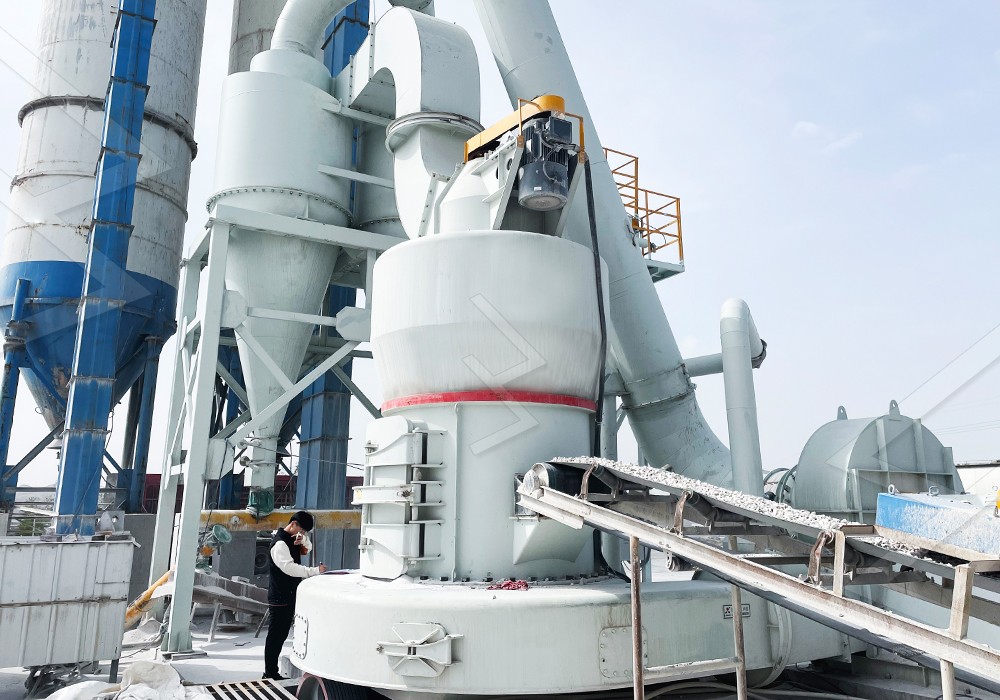
In the heart of Heilongjiang, a province known for its heavy industry and resource processing, the demand for efficient and reliable grinding equipment is paramount. As a supplier based in Suihua, we understand the specific challenges faced by local enterprises—from harsh winters to the need for high-throughput mineral processing. Our company stands as a trusted partner, providing not just machines, but engineered solutions designed for the rigorous conditions of Northern China. We specialize in the supply and service of advanced grinding mills, ranging from the robust Raymond Mill to the high-efficiency MW Ultrafine Grinding Mill and the LUM Ultrafine Vertical Grinding Mill. Our commitment is to deliver equipment that optimizes your powder production while minimizing energy consumption and environmental impact.
Why Choose Our Raymond Mills and Ultrafine Grinders?
Selecting the right grinding equipment is critical for operational success. Our product line is designed to meet diverse needs, from coarse powder production to ultra-fine processing. The Raymond Mill remains a staple for many industries due to its low investment cost and small footprint. However, for applications requiring higher fineness and greater capacity, our advanced mills offer significant advantages.
MW Ultrafine Grinding Mill: The Standard for Fine Powder
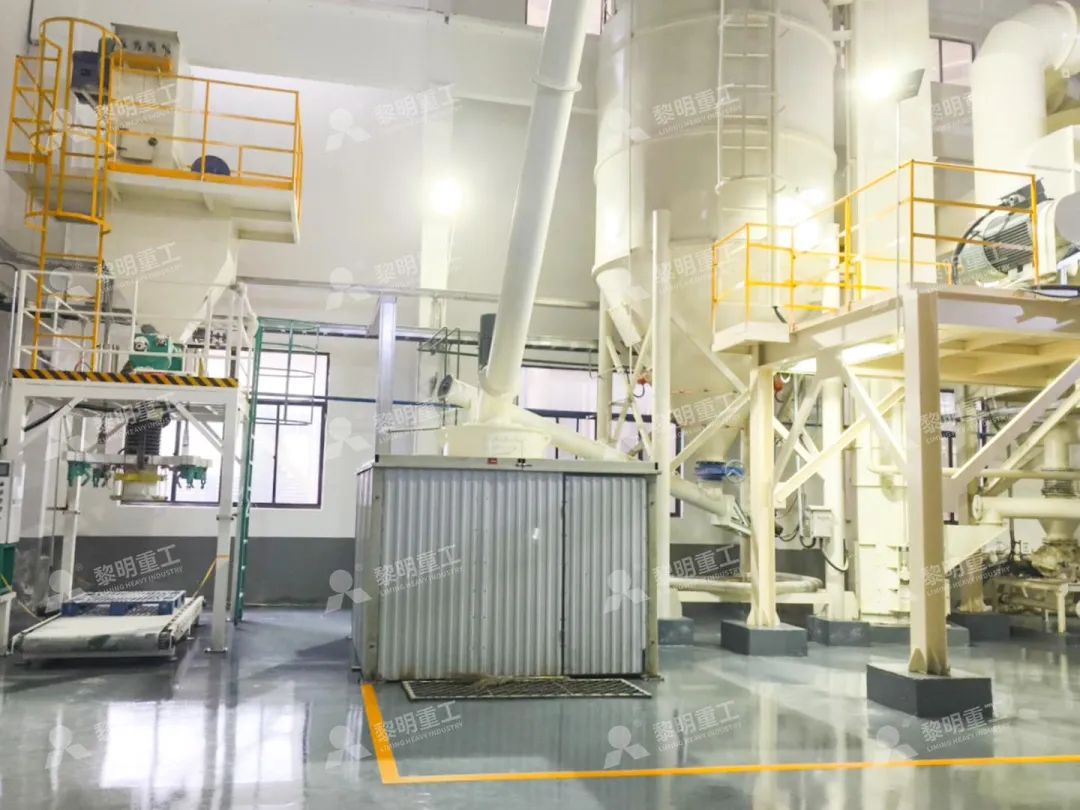
For customers who need to produce ultra-fine powder between 325 and 2500 meshes, the MW Ultrafine Grinding Mill is the ideal choice. This machine is not just a mill; it is a complete system designed for efficiency and environmental compliance. Its key features directly address common operational pain points.
- Higher Yielding, Lower Energy Consumption: The newly designed grinding curves boost production capacity by 40% compared to jet mills, while system energy consumption is only 30% of that of a jet mill. This directly translates to lower cost per ton.
- Eco-Friendly Operation: Equipped with an efficient pulse dust collector and a muffler, the MW mill ensures that your production line meets stringent environmental standards. The days of worrying about dust pollution are over.
- No Rolling Bearing & Screw in Grinding Chamber: This unique design eliminates common maintenance headaches like bearing damage or loose screws. The external lubrication system allows for 24-hour continuous operation without shutdown for greasing.
LUM Ultrafine Vertical Grinding Mill: For Higher Capacity Needs
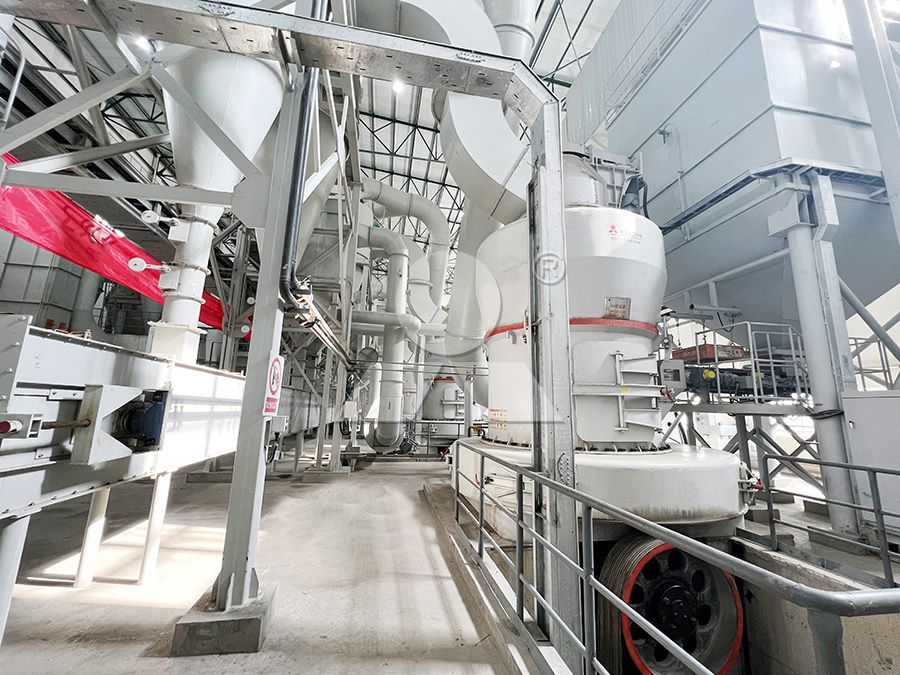
When your operation demands throughput of up to 18 tph with ultra-fine output, the LUM Ultrafine Vertical Grinding Mill is the recommended solution. It integrates the latest Taiwanese roller technology and German powder separating technology.
- Better Quality & Higher Yielding Rate: The unique roller shell and lining plate curve design prevents materials from lingering, reducing iron content and improving the whiteness and cleanliness of the final product.
- Energy-Saving Multi-Head Separator: The PLC controlled multi-head powder separator allows for precise control of grinding pressure and speed, reducing energy consumption by 30-50% compared to common mills.
- Reversible Structure for Easy Maintenance: Heavy grinding rollers can be turned out of the body for checks and replacements quickly, minimizing costly downtime.
Applications Across Northern Industries
Our mills are versatile, processing a wide array of materials critical to Heilongjiang’s economy. From grinding limestone for power plant desulfurization in Jiamusi to processing talc and marble for the cosmetics and paint industries in Harbin, our equipment delivers consistent results. Key materials include: Limestone, calcite, dolomite, petroleum coal, gypsum, barite, marble, talc, coal powder, bauxite, and phosphate ore. The final products are used in chemical industry, paints, cosmetics, medicine, food additives, cement, and ceramics.
Digitalized Precision and Worry-Free Support
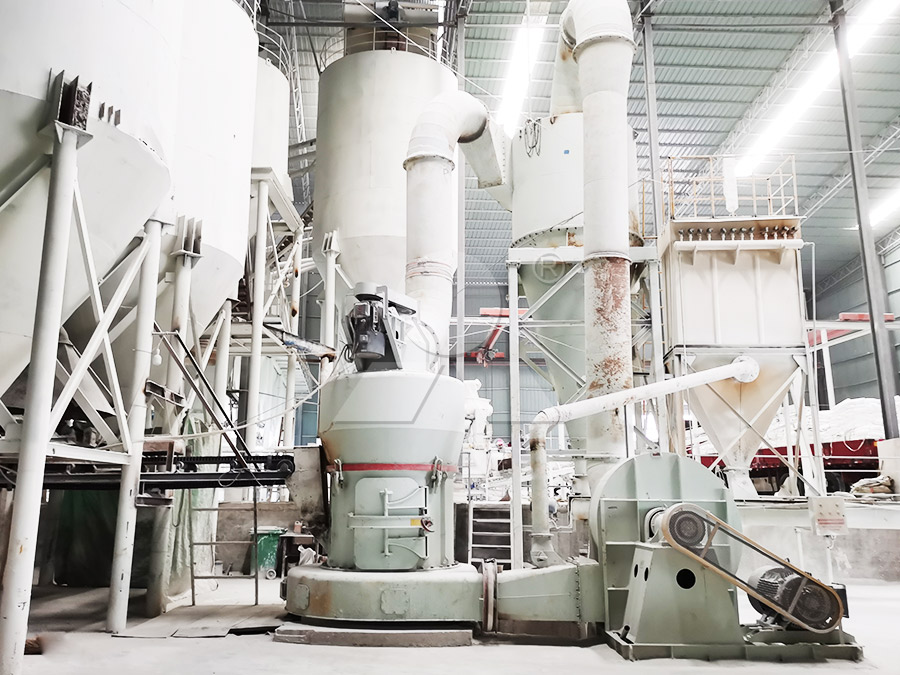
Every machine we supply is manufactured with digitalized processing. Operations like steel plate cutting, bending, planing, milling, and paint spraying are all numerically controlled, ensuring high precision, especially for core parts like the grinding roller and ring. We take full responsibility for every machine produced. Our inventory of original spare parts is sufficient to ensure worry-free operation for years to come. We don’t just sell equipment; we offer technical services and support to keep your production running smoothly, even in the coldest months.
Working Principle Insight
Whether it’s the centrifugal force-driven grinding of the Raymond Mill or the material bed grinding principle of the LUM vertical mill, our equipment is designed for efficient particle size reduction. The MW Ultrafine Grinding Mill, for example, uses a reducer to drive rollers to rotate against a raceway ring. Material is fed to the center, subjected to centrifugal force, and crushed into powder. The blower carries the fine powder to the separator, where coarse powder falls back for regrinding and fine powder is collected.
Conclusion
As your partner in Suihua, Heilongjiang, we provide more than just machinery; we provide productivity. Our range, from the classic Raymond Mill to the cutting-edge MW and LUM Ultrafine Mills, offers a solution for every grinding challenge. Contact us today to discuss how we can optimize your powder processing operation with reliable, efficient, and environmentally conscious equipment.
Frequently Asked Questions (FAQ)
Q1: What is the difference between the MW Ultrafine Grinding Mill and the LUM Ultrafine Vertical Grinding Mill?
A: The MW mill is ideal for smaller capacities (0.5-25 tph) and uses a roller-ring grinding mechanism with a multi-turnplate design. The LUM mill is for higher capacities (5-18 tph) and utilizes a vertical grinding table and roller system, offering better energy efficiency and lower iron contamination for high-grade products.
Q2: Can your Raymond Mill handle wet materials?
A: Standard Raymond Mills are designed for dry materials with moisture content below 6%. For materials with higher moisture, like certain slags, we recommend our LM Vertical Grinding Mill or LM Vertical Slag Mill, which integrate drying and grinding functions.
Q3: What after-sales support do you offer in Heilongjiang?
A: We provide comprehensive technical services including installation guidance, commissioning, operator training, and a full supply of original spare parts. Our service team is based in Suihua to ensure rapid response times.
Q4: How does the MW mill control dust pollution?
A: The MW Ultrafine Grinding Mill is equipped with a highly efficient pulse dust collector and a silencer. The entire milling system operates under negative pressure, ensuring no dust escapes, which fully meets national environmental protection standards.
Q5: What is the typical maintenance schedule for the grinding rollers?
A: Maintenance intervals depend on the material being ground. However, our mills are designed for easy maintenance. The LUM mill features a reversible structure to turn out rollers for inspection. Our digitalized manufacturing ensures high precision of parts, extending service life. We typically recommend a quarterly inspection for high-abrasion applications.
Q6: Can the fineness be adjusted while the machine is running?
A: Yes, both the MW and LUM mills allow for fineness adjustment. The MW mill uses a cage-type powder selector with adjustable speed, allowing you to change the fineness between 325 and 2500 meshes based on production requirements.
Q7: What is the input size requirement for your Raymond Mill?
A: For the standard R-series Raymond Mill, the input size should be less than 25 mm. For larger feed sizes, a jaw crusher is used in the front of the grinding circuit to break down the material to the required specification.