
Silica Powder Processing Equipment: High-Efficiency Silica Stone Grinding Mill
We provide a wide range of mills — including Raymond mill, trapezoidal mill, vertical mill, ultrafine mill, and ball mill, obtained ISO9001 international quality certification, EU CE certification, and Customs Union CU-TR certification. Suitable for processing minerals such as limestone, phosphate, quicklime, kaolin, talc, barite, bentonite, calcium carbonate, dolomite, coal, gypsum, clay, carbon black, slag, cement raw materials, cement clinker, and more.
The discharge range of these mills can be adjusted to meet specific processing needs, typically from 80-400 mesh, 600-3250 mesh, and can achieve the finest particle size of up to 6000 mesh(D50).
If you are looking for a reliable grinding solution to turn stone or minerals into fine powder, please feel free to contact our online customer service.
Introduction to Silica Stone Grinding Technology
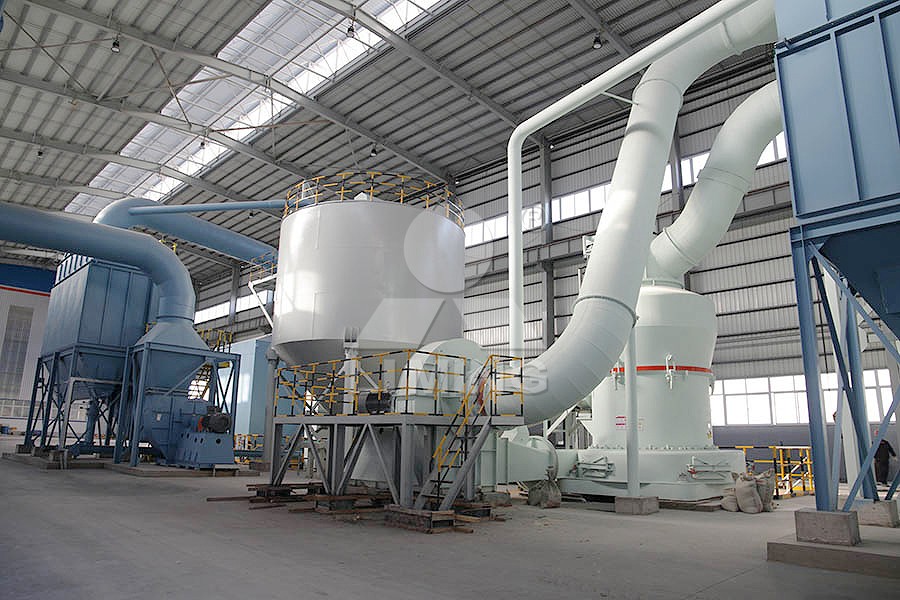
Silica powder, derived from silica stone, is a critical raw material in industries ranging from glass manufacturing and ceramics to electronics and construction. The quality of the final product depends heavily on the grinding equipment used. Traditional mills often struggle with energy inefficiency, high maintenance costs, and inconsistent particle size distribution. Over the past decade, significant advancements in grinding technology have addressed these issues, offering solutions that combine high throughput with precise control over fineness. One such advancement is the development of ultra-fine and vertical grinding mills designed specifically for hard, abrasive materials like silica stone. These machines not only enhance productivity but also reduce operational downtime and environmental impact. For operations demanding high capacity and low energy consumption, the MW Ultrafine Grinding Mill stands out as a reliable workhorse, capable of processing feed sizes up to 20 mm and delivering outputs of 0.5 to 25 tons per hour with fineness adjustable between 325 and 2500 mesh.
Key Design Innovations for Silica Grinding
Grinding silica stone presents unique challenges due to its high hardness and abrasiveness. Standard mills often experience rapid wear of grinding components, leading to frequent part replacements and contamination of the final product. Modern mills combat this through several design innovations. First, the use of wear-resistant alloy materials for grinding rollers and rings extends service life significantly—often 1.7 to 2.5 times longer than traditional high-manganese steel components. Second, the elimination of rolling bearings and screws inside the grinding chamber, as seen in the MW Ultrafine Grinding Mill, removes common failure points. The lubricating device is installed externally, allowing for continuous 24-hour operation without shutdown for maintenance. Third, advanced powder selection systems, such as multi-head cage-type separators, ensure that the final product meets strict specifications, achieving screening rates of d97 ≤ 5 μm in a single pass. For operations that require even larger capacities, the LUM Ultrafine Vertical Grinding Mill offers an excellent alternative, with a capacity range of 5 to 18 tph and input sizes up to 10 mm, integrating grinding, grading, and transport into one efficient system.
Operational Efficiency and Environmental Compliance
Energy consumption remains a primary concern for silica processing plants. Older technologies like ball mills and jet mills consume substantial power, with jet mills often using more than three times the energy of modern alternatives. The MW Ultrafine Grinding Mill addresses this by incorporating newly designed grinding curves that boost production capacity by 40% compared to jet and stirred mills, while keeping system energy consumption at only 30% of a jet mill. Furthermore, environmental regulations are tightening globally, making dust and noise control essential. Modern silica grinding systems come equipped with efficient pulse dust collectors and silencers, ensuring no dust pollution escapes during operation. The entire system operates under negative pressure, which prevents spillage and maintains a clean working environment. This is particularly important when processing materials like silica, where respirable dust poses serious health risks. By adhering to national environmental protection standards, these mills allow companies to operate without fear of fines or shutdowns due to non-compliance.
Digital Precision and Maintenance Simplicity
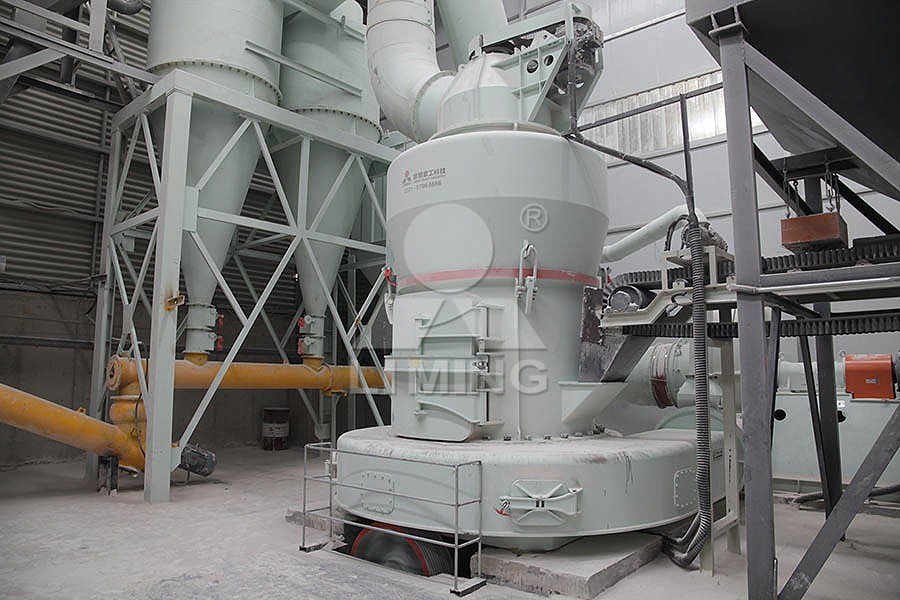
Modern manufacturing techniques have revolutionized the precision of grinding mill components. Using tens of lines of numerical controlling machine tools, operations like steel plate cutting, bending, planing, and milling are controlled with high accuracy. This digitalized processing ensures that core parts—such as the grinding roller shells and ring liners—fit perfectly and perform consistently. Maintenance has also been simplified through reversible structures and hydraulic adjustment systems. For example, in the LUM Ultrafine Vertical Grinding Mill, operators can quickly swing the grinding roller out of the body for inspection and replacement of wear parts, minimizing shutdown losses. Additionally, the use of double position-limiting technology prevents destructive impacts from machine vibration, such as those caused by mine blasting. This stability protects both the mill and the quality of the silica powder being produced. When combined with a sufficient supply of original spare parts and technical support from the manufacturer, these features ensure worry-free operation over the long term.
Application Versatility Across Industries
Silica powder finds use in a wide array of applications, each demanding specific particle sizes and purity levels. In the paint and coatings industry, ultra-fine silica (325-2500 mesh) is used as a matting agent and thickener. In cosmetics, it provides a smooth feel and oil absorption properties. The pharmaceutical and food additive sectors require extremely clean, fine powders with consistent particle distribution. The MW Ultrafine Grinding Mill with its adjustable fineness and efficient powder separation can meet these diverse requirements without needing multiple machines. For larger-scale operations in the construction materials sector, where silica is used in cement and concrete additives, the high-capacity LM Vertical Grinding Mill (3-340 tph) or the MTW-Z European Trapezium Mill (3-55 tph) offer robust solutions. These mills integrate crushing, drying, grinding, and classifying, reducing the overall footprint and investment cost. Whether processing limestone, calcite, or silica stone, the grinding curve design ensures high yielding rates and low iron content, preserving the whiteness and purity of the final product.
Working Principle in Action
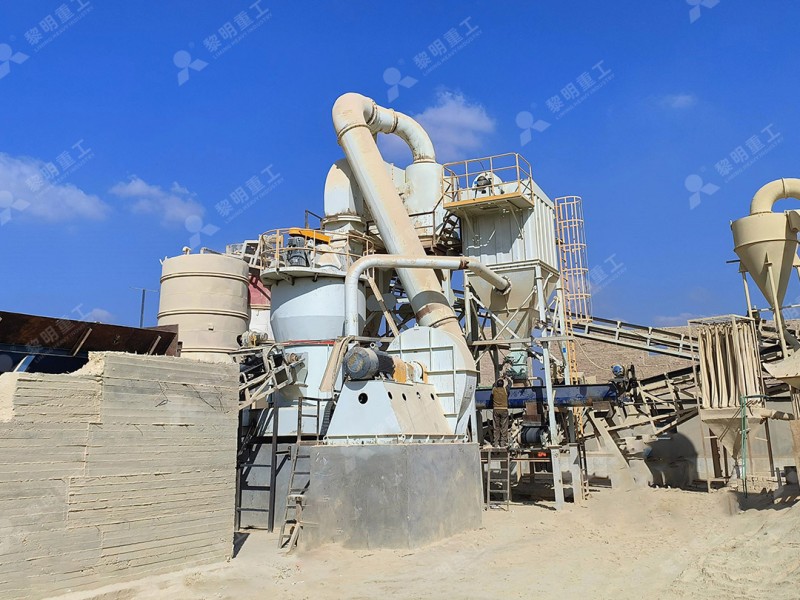
Understanding how these mills operate helps in selecting the right model for specific silica processing needs. In the case of the MW Ultrafine Grinding Mill, the motor drives the main shaft via a reducer, which rotates multiple rollers against a grinding ring. Material is fed from a hopper by a vibrating feeder into the center of the upper turnplate. Centrifugal force pushes the material outward, where it is crushed between the rollers and the ring as it passes through multiple raceways. After grinding, the powder is carried by an air stream to a separator. The turbine inside the separator rejects coarse particles for regrinding, while fine powder enters a cyclone collector and is discharged as final product. Any residual dust is filtered by the pulse collector before the air is released. This multi-stage process ensures maximum efficiency and product quality. For comparison, the LUM Vertical Mill employs a similar principle but integrates grinding and drying in one chamber, making it suitable for materials with higher moisture content. Both systems are fully automated, allowing operators to adjust parameters remotely for consistent output.
Cost and Longevity Considerations
When investing in silica powder processing equipment, the total cost of ownership extends beyond the initial purchase price. Factors like energy consumption, maintenance frequency, spare part costs, and downtime all contribute to the bottom line. The MW Ultrafine Grinding Mill’s energy savings of 70% compared to jet mills translate directly into lower electricity bills. Its external lubrication system means no shutdowns for greasing, and the lack of bearings in the grinding chamber eliminates a common source of expensive repairs. Similarly, the LUM Vertical Mill’s hydraulic adjustment system minimizes manpower requirements during maintenance. With proper care, these machines can operate for decades, providing a strong return on investment. Many operators also appreciate the digitalized manufacturing process, which ensures that replacement parts are precisely machined and readily available, further reducing unexpected delays.
Conclusion: Choosing the Right Mill
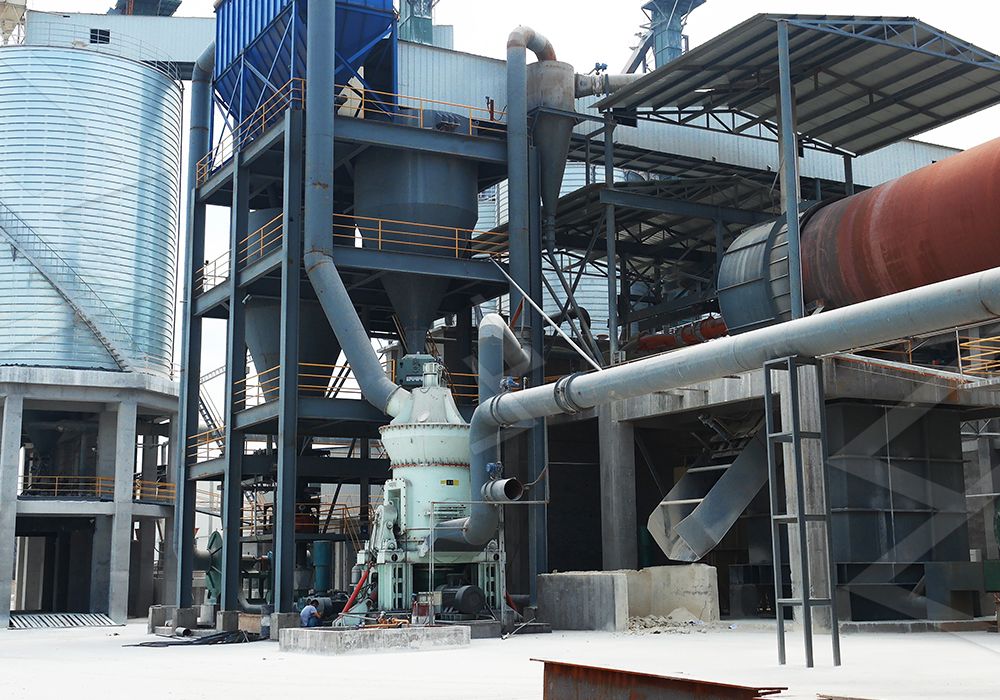
Selecting the appropriate silica stone grinding mill depends on factors like desired throughput, feed size, target fineness, and available space. For most ultra-fine applications requiring high purity and low energy use, the MW Ultrafine Grinding Mill is an excellent choice. For larger capacities with integrated drying, the LUM Ultrafine Vertical Grinding Mill offers superior efficiency. Both models benefit from decades of engineering expertise and are backed by comprehensive spare parts support. As the demand for high-quality silica powder continues to grow across industries, investing in modern, high-efficiency grinding equipment ensures competitiveness and compliance with increasingly strict environmental standards.
Frequently Asked Questions
1. What is the maximum feed size for the MW Ultrafine Grinding Mill when processing silica stone?
The maximum feed size for the MW Ultrafine Grinding Mill is 0-20 mm. Larger materials should be pre-crushed using a hammer crusher or jaw crusher before entering the mill to ensure optimal performance and prevent damage to the grinding components.
2. How does the MW Ultrafine Grinding Mill handle dust and noise during operation?
The mill is equipped with an efficient pulse dust collector that captures all fine particles, preventing dust pollution. Additionally, a muffler and noise elimination room are configured to reduce operational noise, ensuring compliance with environmental protection standards and creating a safer work environment.
3. Can the fineness of silica powder be adjusted, and what range is achievable?
Yes, the product fineness is fully adjustable between 325 and 2500 mesh (approximately 44 to 5 microns). The multi-head cage-type powder separator allows precise control, achieving a screening rate of d97 ≤ 5 μm in a single pass, which is ideal for applications like cosmetics, paint, and pharmaceuticals.
4. What makes the LUM Ultrafine Vertical Grinding Mill more energy-efficient than traditional mills?
The LUM mill uses PLC-controlled multi-head powder separating technology and optimized grinding curves. This reduces energy consumption by 30% to 50% compared to common grinding mills. It also integrates grinding, grading, and transport in one unit, eliminating the need for separate auxiliary equipment and further saving energy.
5. How often do the grinding rollers and rings need to be replaced?
Replacement frequency depends on the abrasiveness of the material and total operating hours. The wear-resistant alloy components used in MW and LUM mills typically have a service life 1.7 to 2.5 times longer than high-manganese steel parts. Regular inspections every 500-1000 hours are recommended to assess wear and schedule timely replacements.
6. Is it possible to operate the grinding mill continuously without maintenance shutdowns?
Yes. The MW Ultrafine Grinding Mill features an external lubrication system that allows for oiling without stopping the machine. Since there are no rolling bearings or screws inside the grinding chamber, the risk of sudden failure is minimized, enabling 24-hour continuous production.
7. What spare parts are typically kept in stock for these mills?
Commonly stocked spare parts include grinding roller shells, ring liners, shovel blades, separator blades, air blower components, and filter bags for the pulse dust collector. The manufacturer, LIMING, provides a comprehensive list of recommended spare parts to ensure worry-free operation and quick replacements when needed.
8. Can the same mill be used to process different materials like limestone or barite?
Absolutely. Both the MW and LUM mills are designed for versatility and can process a variety of non-metallic minerals, including limestone, calcite, dolomite, barite, marble, talc, gypsum, and coal powder. Adjusting the grinding pressure, separator speed, and feed rate allows the mill to handle materials with different hardness and moisture content.