
High-Efficiency Kaolin Grinding Mill Equipment for Ultra-Fine Powder Processing
We provide a wide range of mills — including Raymond mill, trapezoidal mill, vertical mill, ultrafine mill, and ball mill, obtained ISO9001 international quality certification, EU CE certification, and Customs Union CU-TR certification. Suitable for processing minerals such as limestone, phosphate, quicklime, kaolin, talc, barite, bentonite, calcium carbonate, dolomite, coal, gypsum, clay, carbon black, slag, cement raw materials, cement clinker, and more.
The discharge range of these mills can be adjusted to meet specific processing needs, typically from 80-400 mesh, 600-3250 mesh, and can achieve the finest particle size of up to 6000 mesh(D50).
If you are looking for a reliable grinding solution to turn stone or minerals into fine powder, please feel free to contact our online customer service.
Introduction: The Challenge of Kaolin Ultra-Fine Grinding
Kaolin, a naturally occurring clay mineral, is a cornerstone material in industries ranging from ceramics and paper coating to paints, cosmetics, and advanced pharmaceuticals. The global demand for high-value, ultra-fine kaolin powder—often requiring fineness between 325 mesh and 2500 mesh (d97 ≤ 5μm)—has placed immense pressure on mineral processors. Traditional grinding methods, such as ball mills or jet mills, often fall short. They consume excessive energy, produce inconsistent particle sizes, or fail to meet stringent environmental standards. This is where modern, high-efficiency kaolin grinding mill equipment comes into play.
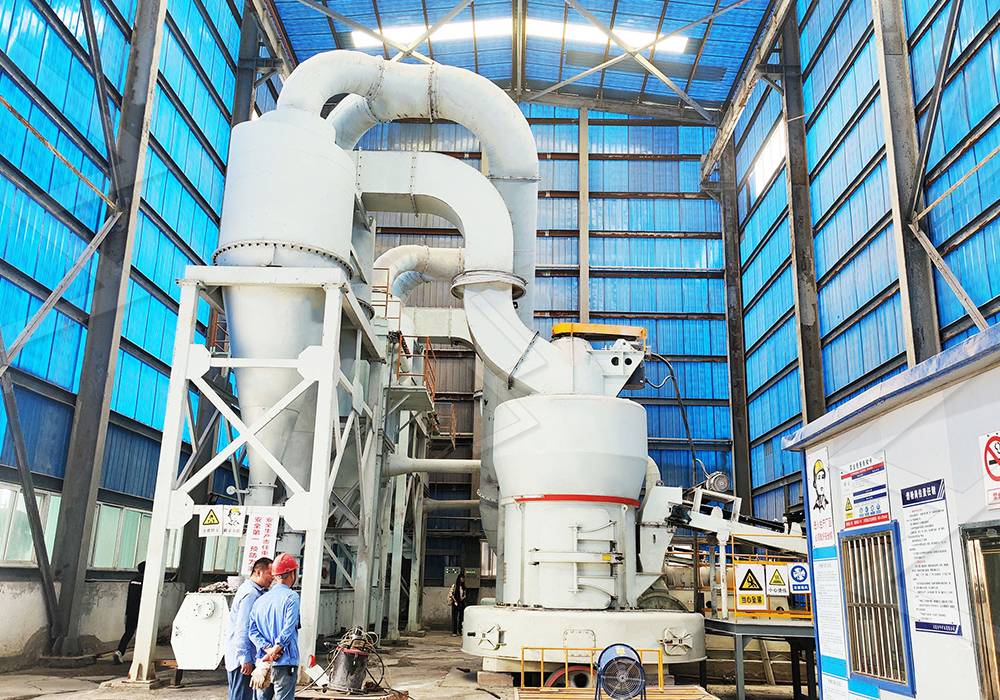
Operators today need machinery that not only crushes but also classifies with surgical precision, all while keeping operational costs and environmental impact low. We have engineered solutions specifically for this niche. Our MW Ultrafine Grinding Mill and LUM Ultrafine Vertical Grinding Mill are two premier choices that address these exact pain points. Below, we dissect the technology, performance, and practical benefits that make these mills indispensable for ultra-fine kaolin processing.
The Core Technology: What Makes a Mill ‘High-Efficiency’?
Not all grinding mills are created equal. For kaolin, which can be abrasive and cohesive, the mechanical design must avoid common pitfalls like bearing contamination, screw loosening, and material re-grinding loops. High-efficiency equipment is defined by four key pillars:
- Energy Consumption: The system energy consumption should be a fraction of older technologies. For instance, modern mills can operate at just 30% of the energy used by a jet grinding mill.
- Yield & Throughput: Higher yielding capabilities, such as 40% more output under the same power conditions compared to stirred mills, are critical for profitability.
- Fineness & Sieving Rate: The ability to achieve a d97≤5μm in a single pass without multiple grinding cycles separates industrial-grade equipment from hobbyist machines.
- Eco-Friendliness: A closed-loop system with pulse dust collectors and silencers ensures the plant meets national environmental protection standards without dust pollution or excessive noise.
Feature Deep-Dive: The MW Ultrafine Grinding Mill
For operations focusing on medium-capacity production of super-fine powders, the MW Ultrafine Grinding Mill stands out. Designed for input sizes of 0-20 mm and a capacity range of 0.5-25 tph, this machine embodies a no-compromise approach to precision grinding.
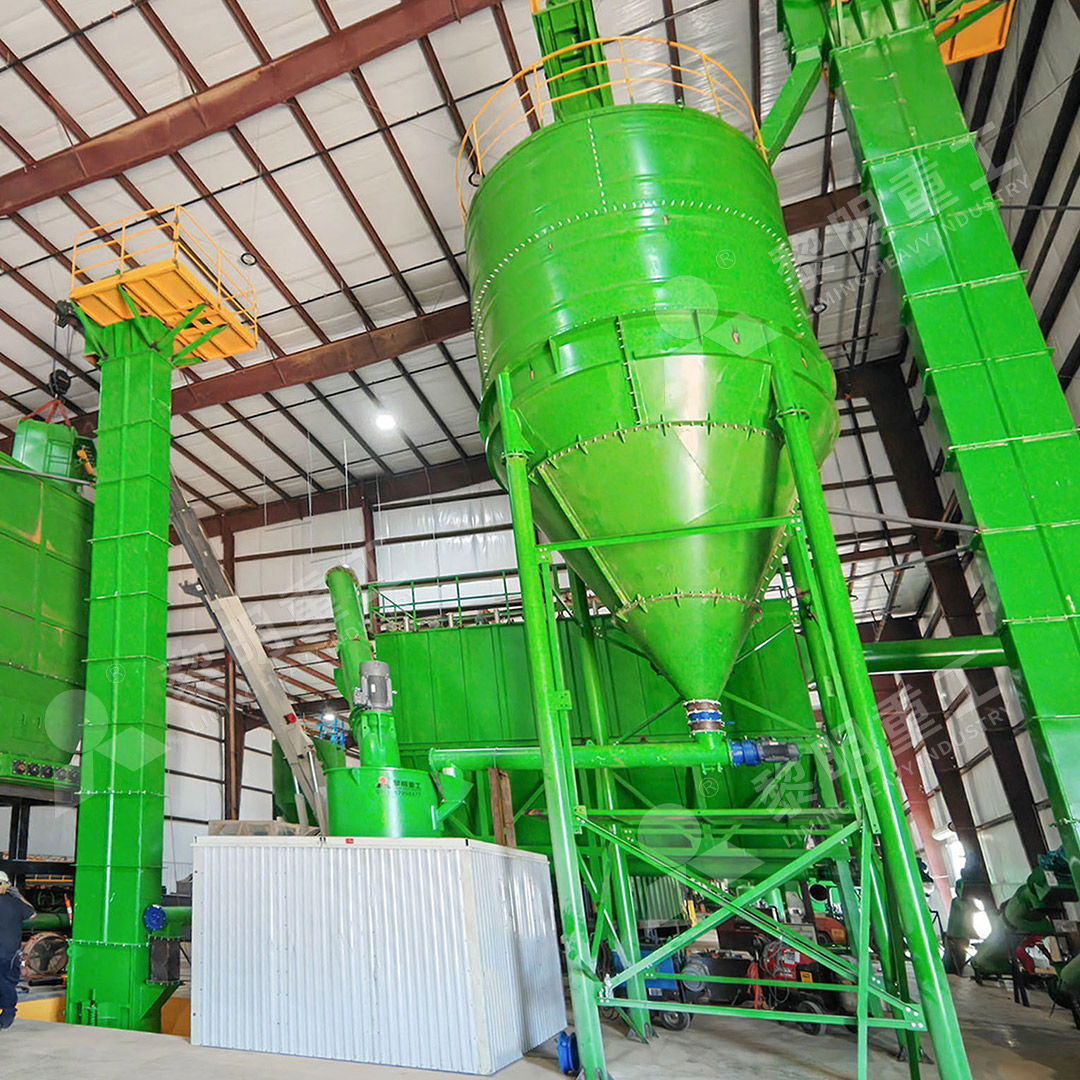
One of its defining features is the elimination of rolling bearings and screws within the grinding chamber. This seemingly small design choice has massive implications. It eradicates the risk of bearing seal failure and the mechanical damage caused by loose screws during high-vibration operation. The external lubricating device allows for 24-hour continuous production without shutdown for maintenance. Furthermore, the newly designed grinding curves for the roller and ring enhance grinding efficiency by over 40% compared to traditional jet or stirred mills. This means you can produce twice the yield of a ball mill while consuming only a fraction of the energy.
Feature Deep-Dive: The LUM Ultrafine Vertical Grinding Mill
When your operation demands higher throughput with a focus on material purity and quality, the LUM Ultrafine Vertical Grinding Mill is the superior choice. Featuring advanced Taiwan grinding roller technology and German powder separating technology, the LUM mill integrates grinding, grading, and transporting into a single, efficient unit.
A common problem in traditional mills is the high iron content introduced by metal-on-metal contact. The LUM design solves this with a unique roller shell and lining plate grinding curve that promotes material layer grinding. The rollers and millstone do not touch directly, which keeps the final product’s whiteness and cleanliness exceptionally high—a non-negotiable factor for kaolin used in cosmetics and paint. The multi-head powder separating technology, controlled by a PLC system, allows users to switch between production requirements instantly. Reducing energy consumption by 30-50% over common mills while offering an input size of 0-10 mm and capacity of 5-18 tph makes it a powerhouse for continuous operations.
Working Principle: From Rock to Ultra-Fine Powder
Understanding the workflow helps in troubleshooting and optimizing the plant. For the LUM Ultrafine Vertical Grinding Mill, the process is highly automated:
- Feeding: The main motor drives the millstone via a reduction box. Material from the screw feeder falls to the center of the rotating millstone.
- Grinding: Under centrifugal force, material moves from the center to the edge. It passes under the rollers where large pieces are crushed, and fine particles form a material bed for inter-granule grinding.
- Classification: Air flow from the intake carries the ground material to the rotor vanes on the separator. Coarse powder falls back to the millstone; eligible fine powder passes through.
- Collection: The fine powder is carried out of the mill and collected by a high-efficiency powder collector. This is the final product.
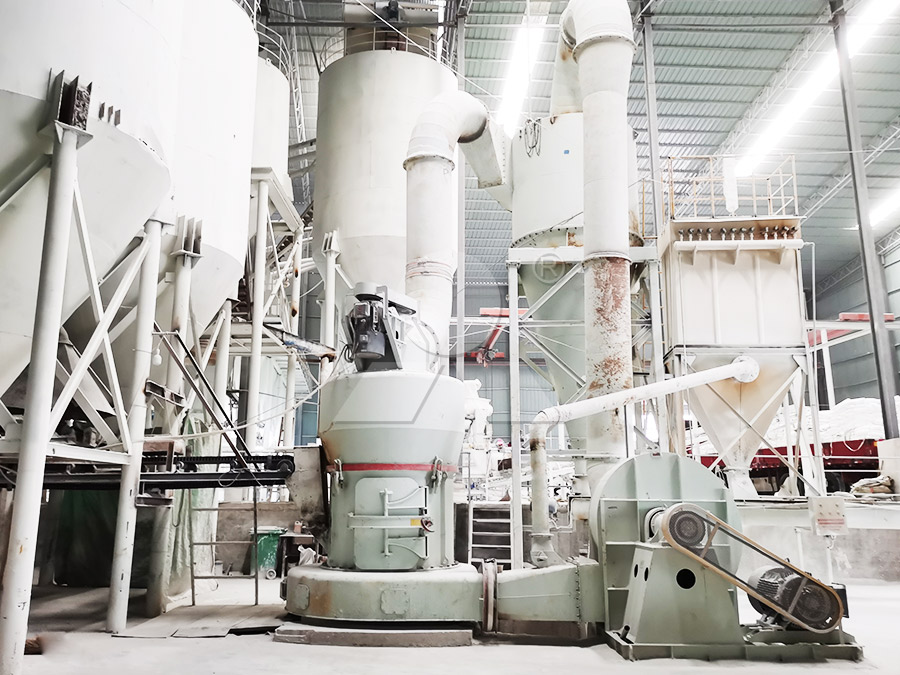
This closed-loop system ensures that contaminants like iron debris are automatically discharged from the bottom, ensuring the purity of the kaolin.
Why Choose Us: Worry-Free Operation and Digital Precision
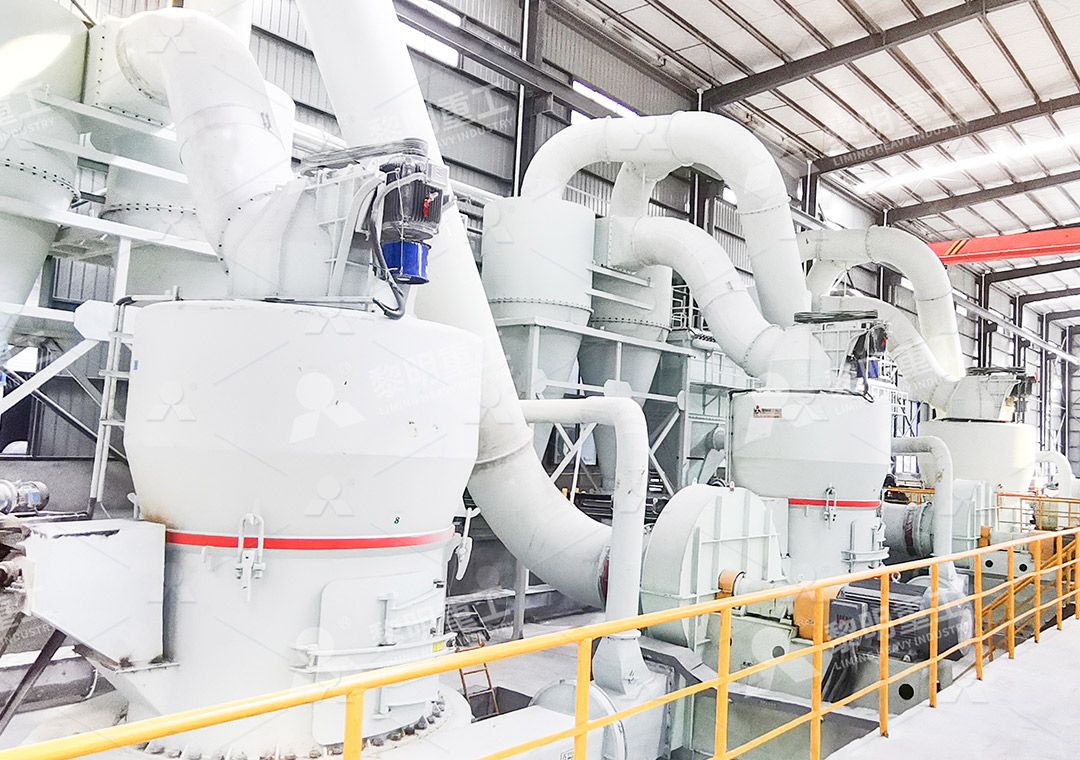
Investing in a grinding mill is a long-term commitment. We take responsibility for every machine produced. Our factories utilize tens of lines of numerical controlling machine tools for steel plate cutting, bending, planing, and milling. This digitalized processing ensures that core parts—like the grinding roller and ring—have flawless machining precision. Combined with the reversible structure of the LUM mill for easy maintenance, downtime is minimized. We also guarantee a sufficient supply of original spare parts, ensuring worry-free operation for years.
Conclusion: The Future of Kaolin Processing
The transition from conventional grinding to high-efficiency, ultra-fine processing is not just a trend—it is a necessity for staying competitive. Whether you require the compact, high-yield precision of the MW Ultrafine Grinding Mill or the high-capacity, purity-focused design of the LUM Ultrafine Vertical Grinding Mill, the technology is available today. By eliminating mechanical weak points, reducing energy consumption by up to 50%, and integrating sophisticated dust removal, these machines represent the gold standard for modern kaolin processing.
Frequently Asked Questions (FAQ)
1. What is the specific advantage of having no rolling bearings inside the grinding chamber?
It eliminates the risk of bearing seal damage from fine kaolin dust. Traditional mills often suffer from bearing failure due to dust ingress. Our design removes this vulnerability, allowing for continuous 24-hour operation and significantly lower maintenance downtime.
2. Can these mills process other materials besides kaolin, like calcium carbonate or barite?
Yes, absolutely. Both the MW and LUM mills are highly versatile. They are ideal for processing non-metallic minerals such as limestone, calcite, dolomite, marble, talc, gypsum, barite, and petroleum coal. The grinding curves and material hardness are adjustable via the hydraulic system.
3. How do you achieve a screening rate of d97≤5μm in a single pass?
This is achieved through the high-precision cage-type powder selector technology (MW) or the multi-head powder separating system (LUM). The classifier separates coarse particles from fine ones with extreme accuracy, allowing only the finest powder to pass through to the collector while returning oversize material for re-grinding.
4. Are these systems environmentally compliant regarding dust and noise?
Yes. Both machines are equipped with high-efficiency pulse dust collectors that eliminate dust pollution. They also feature silencers and noise elimination rooms. The entire system operates under negative pressure, meaning no dust spills out, and the emission standards far exceed international environmental protection requirements.
5. What is the typical maintenance schedule for replacing the grinding roller shell and ring?
The wear parts are made of high-performance wear-resistant alloy, offering a lifespan 1.7-2.5 times longer than traditional high-manganese steel. For the LUM mill, the reversible structure allows for quick inspection and turn-out of the roller without dismantling the entire machine. Maintenance frequency depends on the abrasiveness of the kaolin, but the design minimizes downtime.
6. What is the difference in application between the MW Ultrafine Mill and the LUM Vertical Mill?
The MW mill is ideal for smaller to medium capacity (0.5-25 tph) operations requiring extreme fineness (up to 2500 mesh) with a simple layout. The LUM mill is better for higher capacity (5-18 tph) operations where product purity, low iron content, and high whiteness are critical, such as in the paint or cosmetic industries.