
325 Mesh Quartz Sand Grinding Mill: High-Efficiency Powder Processing Machine
We provide a wide range of mills — including Raymond mill, trapezoidal mill, vertical mill, ultrafine mill, and ball mill, obtained ISO9001 international quality certification, EU CE certification, and Customs Union CU-TR certification. Suitable for processing minerals such as limestone, phosphate, quicklime, kaolin, talc, barite, bentonite, calcium carbonate, dolomite, coal, gypsum, clay, carbon black, slag, cement raw materials, cement clinker, and more.
The discharge range of these mills can be adjusted to meet specific processing needs, typically from 80-400 mesh, 600-3250 mesh, and can achieve the finest particle size of up to 6000 mesh(D50).
If you are looking for a reliable grinding solution to turn stone or minerals into fine powder, please feel free to contact our online customer service.
Introduction to 325 Mesh Quartz Sand Grinding
Quartz sand, especially at 325 mesh, is a critical raw material in industries ranging from glass manufacturing to electronics and construction. Achieving this specific fineness consistently and efficiently requires a grinding mill that combines precision, durability, and energy savings. At Liming Heavy Industry, we have engineered solutions that meet these exacting standards, with our MW Ultrafine Grinding Mill and LUM Ultrafine Vertical Grinding Mill leading the charge. This article delves into the technical nuances, operational benefits, and real-world applications of high-efficiency 325 mesh quartz sand grinding, drawing from decades of field experience and continuous innovation.
The Challenge of 325 Mesh Quartz Sand
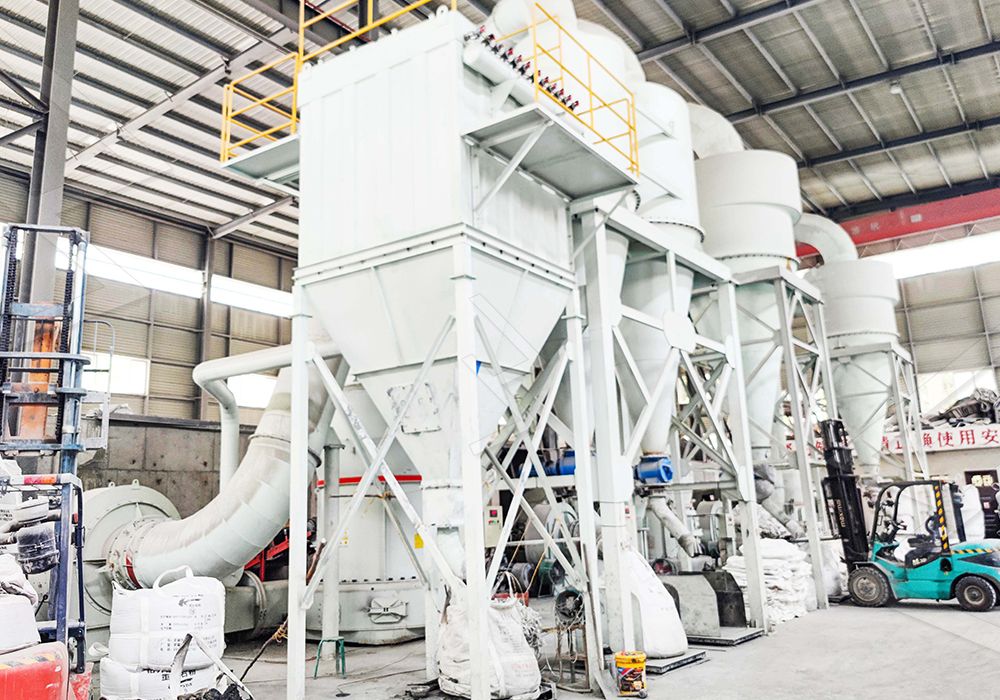
Producing 325 mesh quartz sand is not just about crushing rocks. It is about achieving a uniform particle size distribution while minimizing iron contamination and energy consumption. Traditional ball mills often struggle with these demands, leading to high operational costs and inconsistent product quality. The grinding process must also address the abrasive nature of quartz, which rapidly wears down standard components. This is where modern grinding technologies, such as those found in our MW Ultrafine Grinding Mill, make a decisive difference. The machine’s newly designed grinding curves for the roller and ring significantly enhance efficiency, allowing for a 40% higher capacity compared to jet mills while consuming only 30% of the energy.
Why Choose MW Ultrafine Grinding Mill for 325 Mesh Quartz
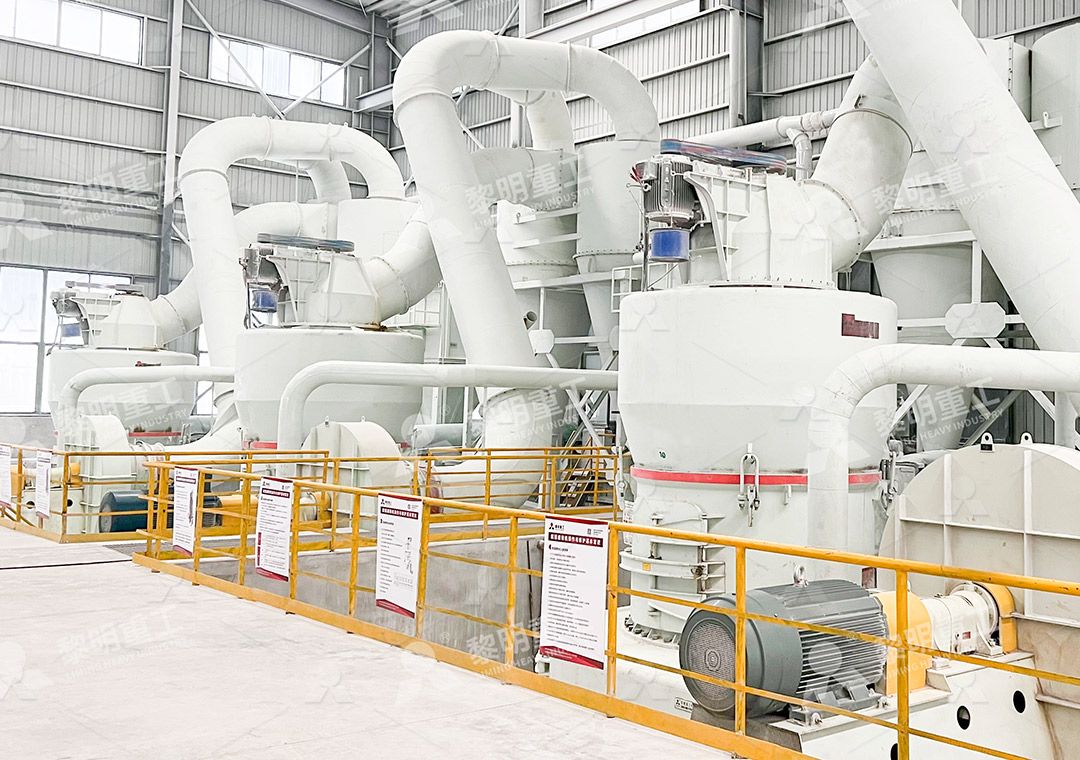
The MW Ultrafine Grinding Mill is specifically engineered for ultra-fine powder production, making it an ideal machine for 325 mesh quartz sand. Its key advantage lies in the absence of rolling bearings and screws inside the grinding chamber. This design eliminates common failure points like bearing damage or loose screws, ensuring uninterrupted operation even during 24-hour continuous production. The lubricating device is mounted externally on the main shaft, allowing for lubrication without shutdown. Furthermore, the mill’s adjustable fineness range, from 325 to 2500 mesh, provides unmatched flexibility. For quartz sand, achieving d97≤5μm in a single pass is not just a specification—it is a guarantee of quality.
LUM Ultrafine Vertical Grinding Mill: A Step Forward in Efficiency
For operations that demand even higher throughput and energy efficiency, the LUM Ultrafine Vertical Grinding Mill presents a compelling alternative. It integrates ultrafine grinding, grading, and transporting into a single system. The LUM mill employs Taiwan grinding roller technology and German powder separating technology, which are crucial for producing 325 mesh quartz sand with high whiteness and low iron content. The double position-limiting technology ensures operational stability by preventing destructive impacts from vibration. Maintenance is also simplified with a reversible structure that allows operators to quickly move the grinding roller out of the body for inspection or replacement, minimizing downtime—a critical factor in high-volume production environments.
Operational Considerations and Environmental Compliance
Modern grinding operations must adhere to strict environmental standards. Both the MW and LUM series mills are equipped with efficient pulse dust collectors and mufflers. The entire milling system operates without dust pollution, meeting national environmental protection standards. This is particularly important for quartz sand processing, where fine silica dust poses health risks. The digitalized processing in our manufacturing facilities ensures high precision for core parts, leading to consistent performance and lower maintenance. We also maintain a sufficient supply of original spare parts, guaranteeing worry-free operation for our customers.
Practical Application: From Feed to Finished Product
Let us walk through a typical 325 mesh quartz sand processing line using our equipment. Raw quartz, with a feed size of 0-20 mm for the MW mill or 0-10 mm for the LUM mill, is first crushed by a hammer crusher. It is then elevated to a hopper and fed evenly into the grinding chamber. Inside the MW mill, the material passes through multiple turnplates and raceways, getting ground into fine powder. The blower carries the powder to the separator, where a turbine ensures only particles meeting the 325 mesh standard proceed to the cyclone collector. Oversized particles drop back for regrinding. The final product is collected via a discharge valve, while any residual air is purified through a filter. This closed-loop system maximizes yield and minimizes waste.
Economic and Performance Metrics
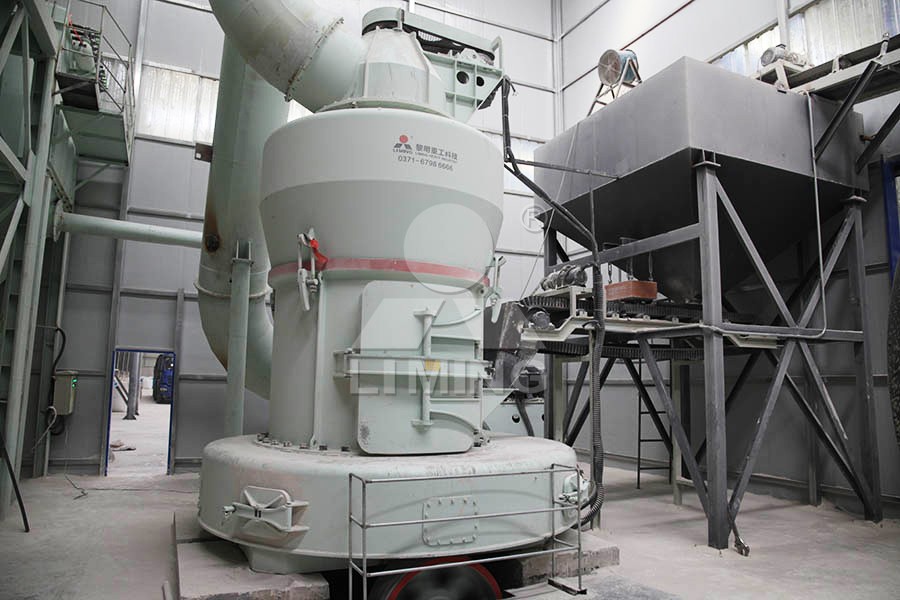
When comparing our mills to traditional options, the numbers speak for themselves. The MW Ultrafine Grinding Mill achieves a system energy consumption that is only 30% of a jet grinding mill. For a 325 mesh quartz sand operation running 20 hours a day, this translates to substantial annual savings in electricity costs. Additionally, the grinding roller and ring lifespan is extended due to innovative wear-resistant alloys and optimized grinding curves. The LUM mill reduces energy consumption by 30-50% compared to common grinding mills while improving product quality. These machines are not just tools; they are investments that pay for themselves through reduced operational costs and higher marketability of the end product.
Conclusion and Path Forward
Grinding 325 mesh quartz sand is a demanding task that requires robust, efficient, and precise machinery. Whether you opt for the MW Ultrafine Grinding Mill for its flexibility and low maintenance or the LUM Ultrafine Vertical Grinding Mill for its high capacity and advanced separation technology, you are choosing a path toward higher productivity and lower costs. Our machines are backed by decades of engineering expertise, a commitment to digital precision, and a global network of service support. For any powder processing challenge, from quartz to calcite, our solutions are designed to deliver.
Frequently Asked Questions (FAQ)
- Q: What is the typical capacity of the MW Ultrafine Grinding Mill for 325 mesh quartz sand?
A: For quartz sand, the MW mill typically processes 0.5 to 25 tons per hour, depending on feed size and final fineness requirements. At 325 mesh, you can expect stable operation within this range. - Q: Can the LUM Ultrafine Vertical Grinding Mill handle materials other than quartz?
A: Yes. The LUM mill is versatile and can process limestone, calcite, dolomite, barite, marble, talc, and many other non-metallic ores with Mohs hardness under 7. - Q: How do you control the fineness of the final product?
A: Fineness is controlled by adjusting the rotating speed of the powder concentrator rotor and the air flow. The MW mill offers adjustable fineness between 325 and 2500 mesh using a cage-type selector. - Q: Is the MW mill easy to maintain?
A: Very. With no rolling bearings or screws in the grinding chamber, maintenance is straightforward. The external lubricating device allows for oil changes without stopping the machine. - Q: What environmental protections are included?
A: Both mills come with pulse dust collectors and silencers. The system operates under negative pressure, ensuring no dust escapes. This meets international environmental standards. - Q: How long do the grinding rollers last?
A: The wear-resistant alloy rollers in our mills have a service life 1.7 to 2.5 times longer than traditional high-manganese steel rollers, reducing replacement frequency and costs. - Q: Can the mill be used for other mesh sizes besides 325?
A: Absolutely. While optimized for 325 mesh, the machines can produce powders from 100 mesh up to 2500 mesh by adjusting parameters and selecting appropriate classifiers. - Q: What is the warranty period for Liming grinding mills?
A: We offer a standard warranty on all equipment. Specific terms vary by model and region, but we guarantee original spare parts and technical support for the lifespan of the machine.