
Efficient Vertical Grinding Mill for Lingmei Sand Processing
We provide a wide range of mills — including Raymond mill, trapezoidal mill, vertical mill, ultrafine mill, and ball mill, obtained ISO9001 international quality certification, EU CE certification, and Customs Union CU-TR certification. Suitable for processing minerals such as limestone, phosphate, quicklime, kaolin, talc, barite, bentonite, calcium carbonate, dolomite, coal, gypsum, clay, carbon black, slag, cement raw materials, cement clinker, and more.
The discharge range of these mills can be adjusted to meet specific processing needs, typically from 80-400 mesh, 600-3250 mesh, and can achieve the finest particle size of up to 6000 mesh(D50).
If you are looking for a reliable grinding solution to turn stone or minerals into fine powder, please feel free to contact our online customer service.
Introduction to Lingmei Sand and Its Grinding Challenges
Lingmei sand, a term often used in industrial mineral processing, refers to a fine silica-based material that demands precise grinding for applications in construction, ceramics, and chemical industries. The key challenge lies in achieving high fineness while maintaining energy efficiency and consistent throughput. Traditional ball mills or jet mills often fall short due to high energy consumption or low capacity. That’s where advanced vertical grinding mills come into play, offering a tailored solution for lingmei sand processing.
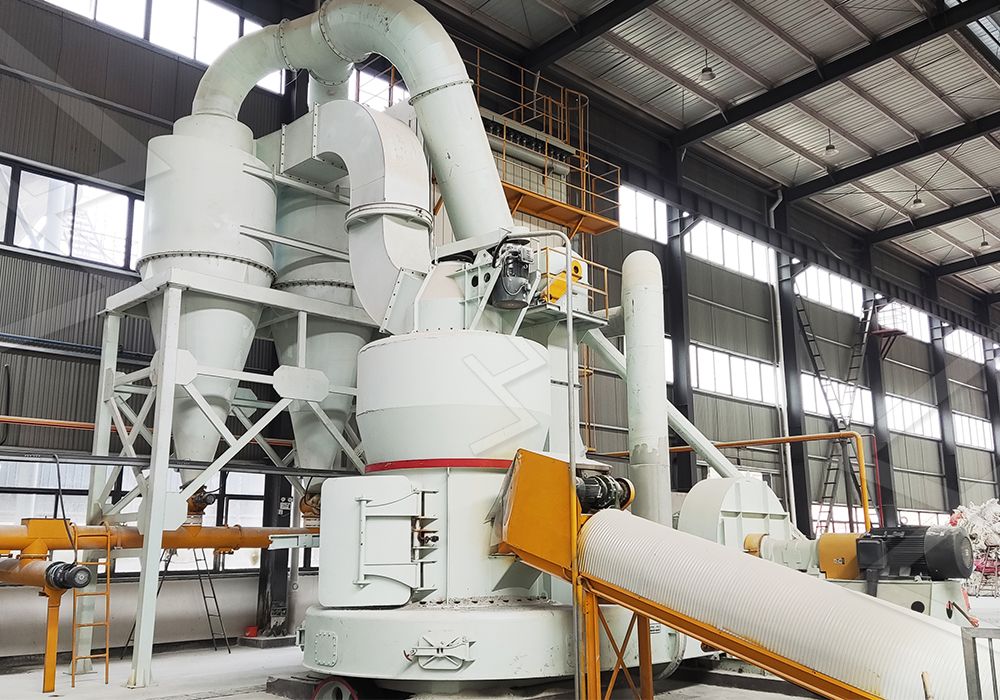
Why Choose a Vertical Grinding Mill?
Vertical grinding mills integrate crushing, drying, grinding, and classifying into a single unit. For lingmei sand, this means reduced operational complexity and lower capital investment. Compared to traditional ball mills, vertical mills occupy about 50% less floor space and cut energy consumption by 30-50%. The design minimizes material retention time, ensuring uniform particle size distribution and high purity of the final product—critical for lingmei sand used in high-end applications like cosmetics or electronics.
Key Features for Lingmei Sand Processing
Our vertical grinding mills are engineered with several advanced features that directly benefit lingmei sand production. The grinding roller and ring are designed with optimized curves to enhance efficiency, yielding up to 40% higher capacity than jet mills. The cage-type powder selector, derived from German technology, allows adjustable fineness between 325 and 2500 meshes, meeting the strictest quality standards. Additionally, the absence of rolling bearings and screws in the grinding chamber eliminates common maintenance issues, ensuring 24/7 operation without unscheduled downtime.
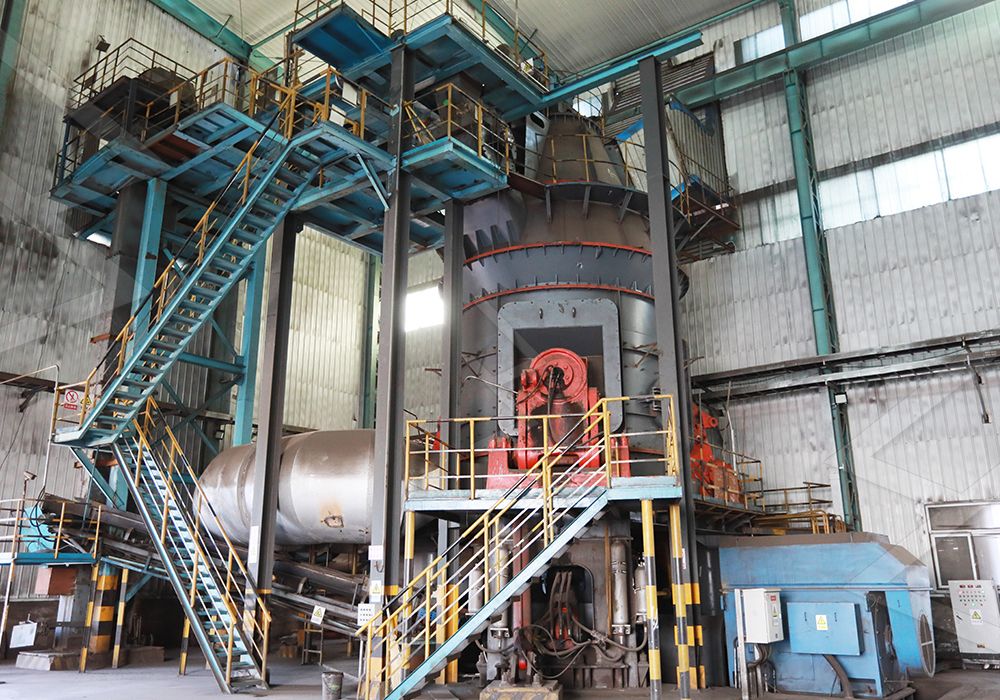
Environmental and Operational Benefits
Environmental compliance is non-negotiable in modern processing plants. Our mills are equipped with efficient pulse dust collectors and mufflers, reducing dust and noise to meet national standards. The entire system operates under negative pressure, preventing dust spillage. For lingmei sand plants near residential areas, this ensures a clean and quiet operation. The digital control system allows remote monitoring and automatic adjustment of parameters like grinding pressure and roller speed, simplifying operator tasks and improving consistency.
Recommended Products for Lingmei Sand
For lingmei sand processing, we recommend two models tailored to different throughput needs. The MW Ultrafine Grinding Mill is ideal for smaller operations, handling input sizes up to 20 mm with a capacity of 0.5-25 tph and achieving fineness from 325 to 2500 meshes. For larger-scale production, the LUM Ultrafine Vertical Grinding Mill offers a capacity of 5-18 tph with input sizes up to 10 mm, featuring double position-limiting technology for stable operation and reversible structure for easy maintenance. Both models integrate our advanced dust collection and noise reduction systems.
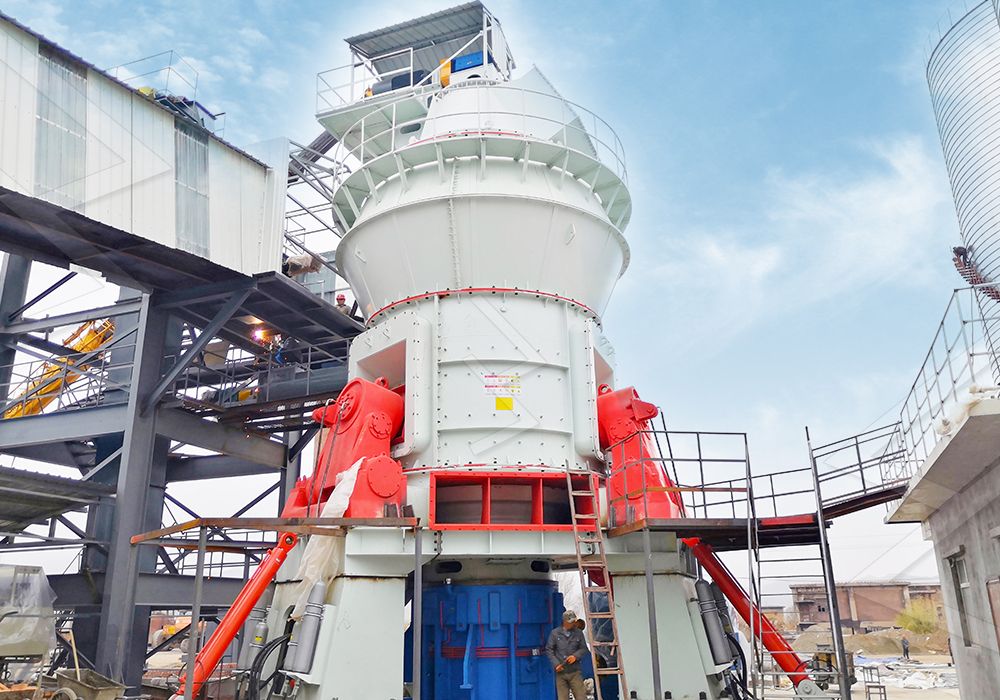
Working Principle Explained
In the MW Ultrafine Grinding Mill, the motor drives the main shaft and turnplates via a reducer. Rollers rotate against the raceway of the ring, crushing material fed from a hopper. After grinding, the powder is carried by air to a separator, where coarse particles drop back for regrinding and fine powder is collected. The LUM mill operates similarly but with a vertical design: the millstone rotates, materials are crushed by rollers forming a material bed, and fine powder is sorted by a rotary classifier. Both systems ensure high efficiency and product quality.
Maintenance and Long-Term Reliability
Our mills are designed for worry-free operation. Spare parts are readily available, and key components like roller shells and liners are made from wear-resistant alloys, lasting 1.7-2.5 times longer than standard materials. The digitalized manufacturing process ensures precision in every part, from steel plate cutting to paint spraying. For lingmei sand plants, this means reduced downtime and lower total cost of ownership, with technical support from our global service network.
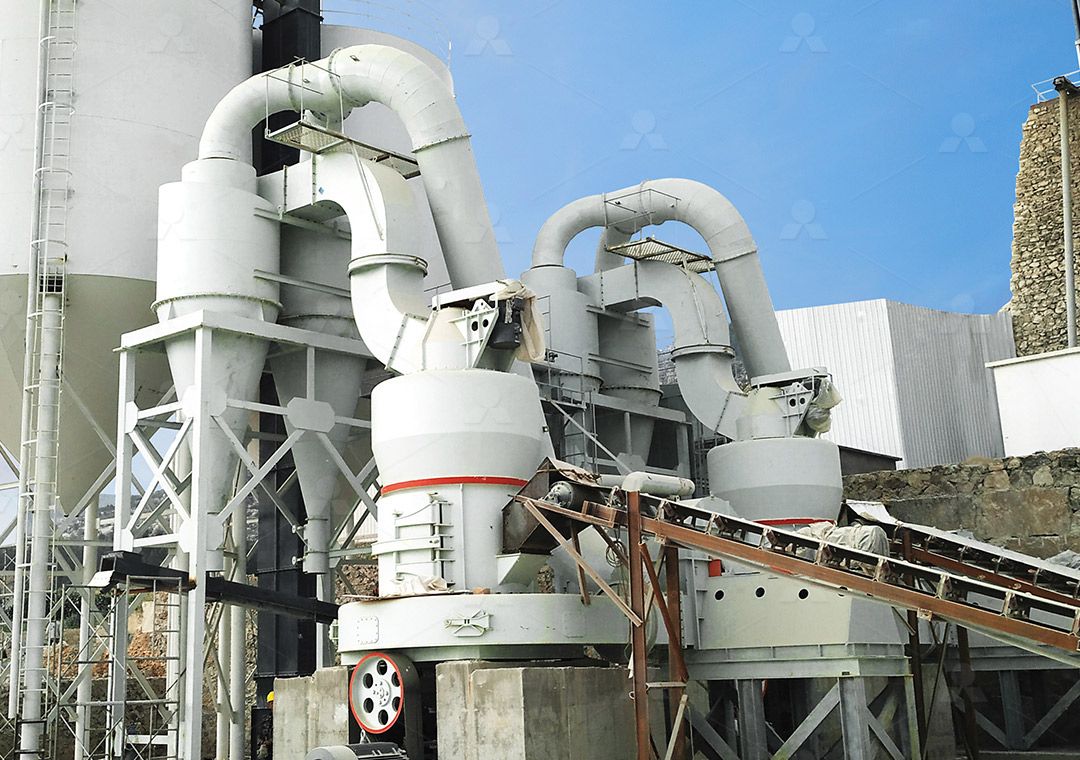
Conclusion
Investing in an efficient vertical grinding mill transforms lingmei sand processing into a profitable and sustainable operation. With our MW and LUM models, you gain higher yields, lower energy use, and eco-friendly production. Contact our team to discuss your specific requirements and arrange a site evaluation.
Frequently Asked Questions (FAQ)
- What is the ideal input size for lingmei sand in your vertical mills?
For MW Ultrafine Grinding Mill, input size is 0-20 mm; for LUM Ultrafine Vertical Grinding Mill, it is 0-10 mm. Pre-crushing may be needed for larger lumps. - Can these mills achieve fineness below 10 microns?
Yes, both models can reach d97≤5μm with proper settings, suitable for ultra-fine lingmei sand applications. - How does the pulse dust collector impact operating costs?
It reduces dust emissions significantly, lowering cleaning costs and ensuring compliance with environmental regulations, with minimal maintenance required. - What is the typical power consumption compared to a ball mill?
Our vertical mills consume 30-50% less energy than ball mills, translating to substantial electricity savings over time. - Do you offer on-site installation and training?
Yes, our service team provides full installation, commissioning, and operator training to ensure smooth startup. - What maintenance is needed for the grinding rollers?
Check roller shells and liners periodically; with wear-resistant alloys, replacement intervals are extended, and reversible designs simplify swaps. - Can the mill handle lingmei sand with moisture?
Yes, the system can incorporate hot air for drying, with LM Vertical Mill supporting simultaneous drying and grinding. - Is remote monitoring available for these mills?
Yes, both models feature PLC-based control for remote operation and parameter adjustments.