
Raymond Mill Supplier in Qingdao, Shandong, China
We provide a wide range of mills — including Raymond mill, trapezoidal mill, vertical mill, ultrafine mill, and ball mill, obtained ISO9001 international quality certification, EU CE certification, and Customs Union CU-TR certification. Suitable for processing minerals such as limestone, phosphate, quicklime, kaolin, talc, barite, bentonite, calcium carbonate, dolomite, coal, gypsum, clay, carbon black, slag, cement raw materials, cement clinker, and more.
The discharge range of these mills can be adjusted to meet specific processing needs, typically from 80-400 mesh, 600-3250 mesh, and can achieve the finest particle size of up to 6000 mesh(D50).
If you are looking for a reliable grinding solution to turn stone or minerals into fine powder, please feel free to contact our online customer service.
Introduction to Raymond Mill Manufacturing in Qingdao
Qingdao, located in Shandong Province, has long been recognized as a strategic industrial hub for heavy machinery manufacturing in China. Among the many equipment suppliers based here, those specializing in Raymond mills and ultrafine grinding solutions stand out due to their commitment to precision engineering and environmental compliance. As a leading Raymond Mill Supplier in Qingdao, Shandong, China, our company has dedicated decades to refining milling technology, ensuring that each machine delivers high throughput, low energy consumption, and exceptional powder fineness.
The Evolution of Grinding Technology
Traditional Raymond mills have served industries for over a century, but modern demands require higher efficiency, finer particle sizes, and stricter environmental controls. Today’s mills integrate advanced powder classification, dust collection, and intelligent control systems. Our product lineup includes the MW Ultrafine Grinding Mill and the LUM Ultrafine Vertical Grinding Mill, both designed to meet the rigorous standards of the chemical, paint, cosmetic, and food additive industries. The MW mill, for instance, accepts feed sizes up to 20 mm and delivers capacities from 0.5 to 25 tph. Its cage-type powder selector, based on German technology, achieves fineness between 325 and 2500 mesh, with a screening rate of d97≤5μm in a single pass.
Key Features of Our Grinding Mills
Our grinding mills incorporate several proprietary innovations. The grinding chamber contains no rolling bearings or screws, eliminating common failure points and allowing 24-hour continuous operation. An external lubrication system enables maintenance without machine shutdown. The pulse dust collector and muffler ensure that the entire milling process meets national environmental standards, with zero dust pollution and reduced noise levels. Digitalized manufacturing, using tens of CNC machine tools, guarantees high precision for core components such as roller shells and liner plates.
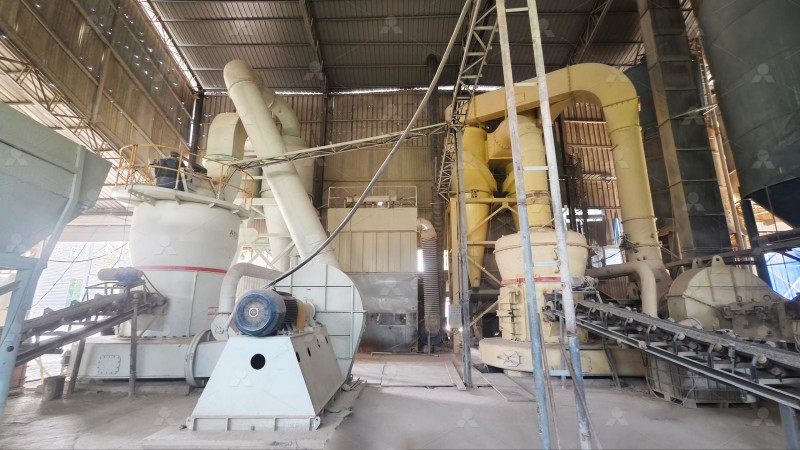
For customers requiring even higher capacities and lower energy usage, the LUM Ultrafine Vertical Grinding Mill is an excellent choice. This mill integrates ultrafine powder grinding, grading, and transport into one system. It adopts Taiwan grinding roller technology and German powder separation technology. With a feed size of 0-10 mm and capacity ranging from 5 to 18 tph, the LUM mill reduces energy consumption by 30% to 50% compared to conventional mills. The double position-limiting technology, combining electronic and mechanical protection, prevents destructive impacts from vibration, ensuring stable operation even under harsh conditions.
Applications Across Industries
Both the MW and LUM mills are suitable for processing limestone, calcite, dolomite, petroleum coal, gypsum, barite, marble, talc, and coal powder. They are widely used in chemical manufacturing, paint production, cosmetics, pharmaceuticals, and food additives. The ability to switch between different fineness settings quickly makes them ideal for multi-product plants. The reversible structure of the LUM mill, which allows the grinding roller to be moved out of the body for maintenance, reduces downtime significantly. Operators can inspect and replace roller shells and liner plates with minimal effort.
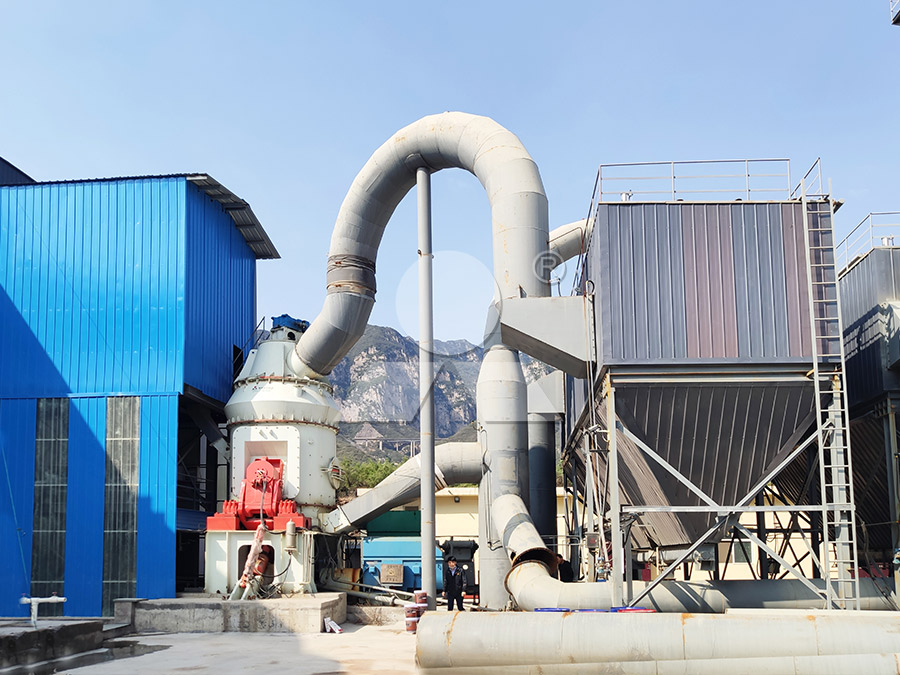
Working Principle of MW Ultrafine Grinding Mill
The motor drives the main shaft and turnplates through a reducer. Dozens of rollers rotate against the raceway of the ring via pins. Raw material, crushed to small size by a hammer crusher, is transported to the hopper by an elevator. A vibrating feeder distributes the material evenly to the central part of the upper turnplate. Centrifugal force pushes the material to the ring raceway, where it is crushed into powder. After passing the first raceway, the material moves to the second and third turnplates. The blower inhales external air, carrying the powder to a separator. A turbine inside the separator sends coarse powder back for regrinding, while fine powder enters a cyclone collector and is discharged as final product. Air with minimal dust passes through a filter and muffler before release.
Working Principle of LUM Ultrafine Vertical Grinding Mill
The main motor rotates the millstone through a reduction box. Air flow enters the mill from an intake port. Material from a screw feeder falls onto the center of the millstone and moves outward under centrifugal force. In the grinding zone, rollers crush large particles directly, while smaller particles form a material bed where intergranular grinding occurs. Ground material moves to the edge until the air current at the air ring carries it upward. Coarse particles fall back to the millstone, while eligible powder passes through rotor vanes in the separator and is collected by a powder collector. Iron debris and other heavy contaminants drop to the bottom and are discharged through a slag opening. The fineness of the final product is controlled by adjusting the rotor speed of the powder concentrator.
Why Choose a Supplier from Qingdao, Shandong
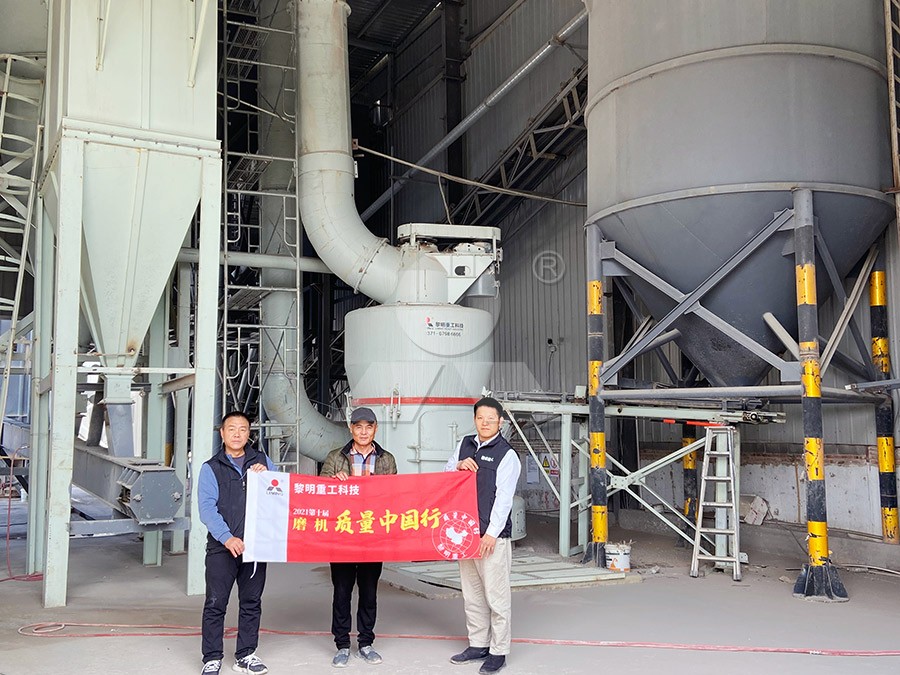
Qingdao benefits from established port infrastructure, a skilled workforce, and a robust supply chain for steel and electronic components. Our factory maintains tens of CNC machine tools, ensuring that all parts—from steel plates to paint spraying—are manufactured to tight tolerances. We provide original spare parts and technical services for every machine we produce. Whether you need a small Raymond mill for pilot testing or a large ultrafine vertical mill for industrial production, our team can provide customized solutions. The MW and LUM mills both feature sufficient spare parts supply, so you can operate worry-free for years.
Frequently Asked Questions (FAQ)
- What is the maximum feed size for the MW Ultrafine Grinding Mill?
The MW mill accepts feed sizes up to 20 mm. For larger materials, a primary crusher is recommended before feeding. - Can the LUM Ultrafine Vertical Grinding Mill handle materials with high moisture content?
Yes, the LUM mill can handle materials with moisture content up to 10%, as the system integrates drying during the grinding process. - How often do I need to replace the grinding rollers and rings?
Service life depends on material abrasiveness and operating hours. Typically, rollers and rings last 1.5 to 2.5 times longer than traditional high-manganese steel parts. We recommend inspecting every 6 months. - Is dust emission controlled during operation?
Absolutely. Both the MW and LUM mills are equipped with efficient pulse dust collectors and operate under negative pressure, ensuring no dust escapes. Noise levels are also minimized with mufflers. - Do you provide training for operators?
Yes. We offer on-site and remote training for your operators, covering startup, shutdown, routine maintenance, and troubleshooting. - What is the warranty period for your grinding mills?
We provide a standard 12-month warranty from the date of commissioning, covering manufacturing defects. Extended warranty options are available. - Can the mill be customized for specific fineness requirements?
Yes. The multi-head cage-type powder selector allows adjustment between 325 and 2500 mesh. We can also configure the separator for specific yield and sieving rate targets. - What is the typical lead time for an MW or LUM mill?
Lead time varies based on configuration and order volume, but standard machines are typically delivered within 45 to 60 days after order confirmation.