
Guangxi Laibin Raymond Mill: Efficient Grinding Solutions for Industrial Powder Processing
We provide a wide range of mills — including Raymond mill, trapezoidal mill, vertical mill, ultrafine mill, and ball mill, obtained ISO9001 international quality certification, EU CE certification, and Customs Union CU-TR certification. Suitable for processing minerals such as limestone, phosphate, quicklime, kaolin, talc, barite, bentonite, calcium carbonate, dolomite, coal, gypsum, clay, carbon black, slag, cement raw materials, cement clinker, and more.
The discharge range of these mills can be adjusted to meet specific processing needs, typically from 80-400 mesh, 600-3250 mesh, and can achieve the finest particle size of up to 6000 mesh(D50).
If you are looking for a reliable grinding solution to turn stone or minerals into fine powder, please feel free to contact our online customer service.
Introduction: The Heart of Modern Powder Processing
In the competitive landscape of industrial powder processing, efficiency and reliability are not just goals—they are prerequisites for survival. For decades, the Raymond mill has stood as a workhorse in the comminution industry, but not all Raymond mills are created equal. The units manufactured and serviced out of Guangxi Laibin have carved a distinct reputation, particularly when integrated with modernized systems designed for high-volume, fine-powder applications. This article delves into the operational principles, technological advantages, and practical applications of these grinding solutions, offering a no-nonsense look at what makes them tick.
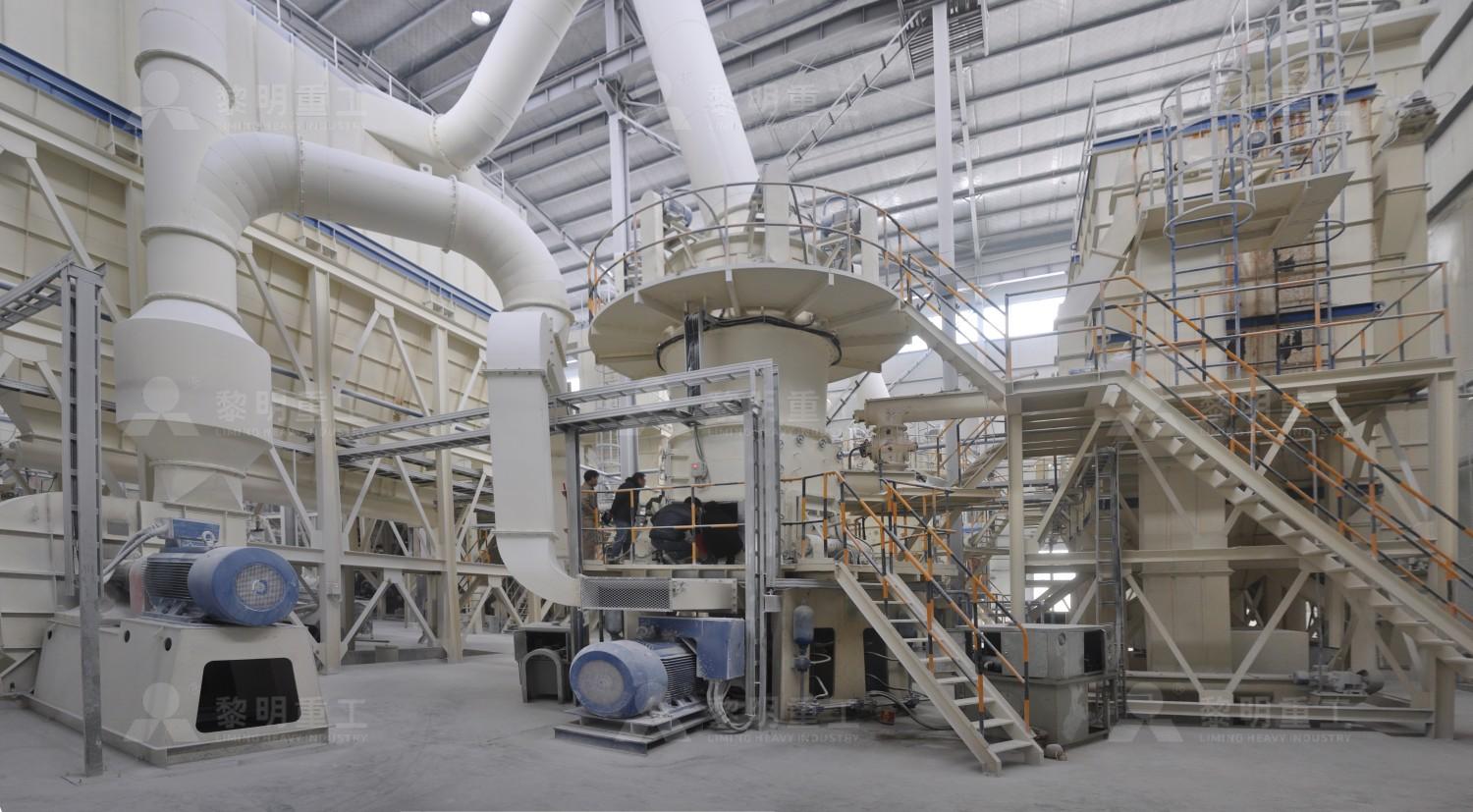
Why Laibin Guangxi? A Regional Hub for Heavy Machinery
Guangxi Laibin has developed into a strategic location for heavy machinery manufacturing, benefiting from a robust supply chain and a skilled labor force. The Raymond mills produced here are not generic imports; they are engineered to handle the specific demands of the Asian and global markets, balancing cost-effectiveness with industrial-grade durability. The local manufacturing ecosystem allows for rigorous quality control at every stage, from steel plate cutting to final assembly.
System Architecture: How a Modern Raymond Mill Operates
Understanding the workflow is crucial. A typical system begins with a jaw crusher reducing feed material to a manageable size. This material is then elevated to a storage hopper. A vibrating feeder, controlled by a digital interface, meters the material evenly into the grinding chamber. Inside the chamber, centrifugal force pushes the grinding rollers outward against the stationary grinding ring. The material is crushed and ground between these components.
A blower draws air through the chamber, carrying the fine powder upward to a classifier. The classifier separates particles by size; oversized particles are returned to the grinding chamber for further processing, while the fine powder passes through to a cyclone collector and is discharged as the final product. The entire airflow system is sealed and operates under negative pressure, ensuring environmental compliance.
Key Technological Differentiators
The market is flooded with options, so what separates a Laibin Raymond mill from the pack? It comes down to several engineering choices.
- Advanced Grinding Curves: Modern designs have moved beyond simple flat rollers and rings. By utilizing optimized grinding curves, the contact area between the roller and ring is maximized, directly translating to higher throughput per revolution and lower energy consumption. This is a direct evolution of the principles seen in high-efficiency mills like the MW Ultrafine Grinding Mill, which achieves a 40% higher capacity than jet mills at the same power.
- Dust and Noise Control: The old image of a dusty, roaring mill is outdated. Current systems are equipped with efficient pulse dust collectors and mufflers. This is not an afterthought; it is integral to the design, allowing for 24-hour operation without environmental penalties.
- Digitalized Processing: Precision manufacturing is non-negotiable. CNC-controlled cutting, bending, and milling ensure that core components like the grinding ring and roller are machined to exact tolerances. This reduces vibration and extends the lifespan of wear parts.
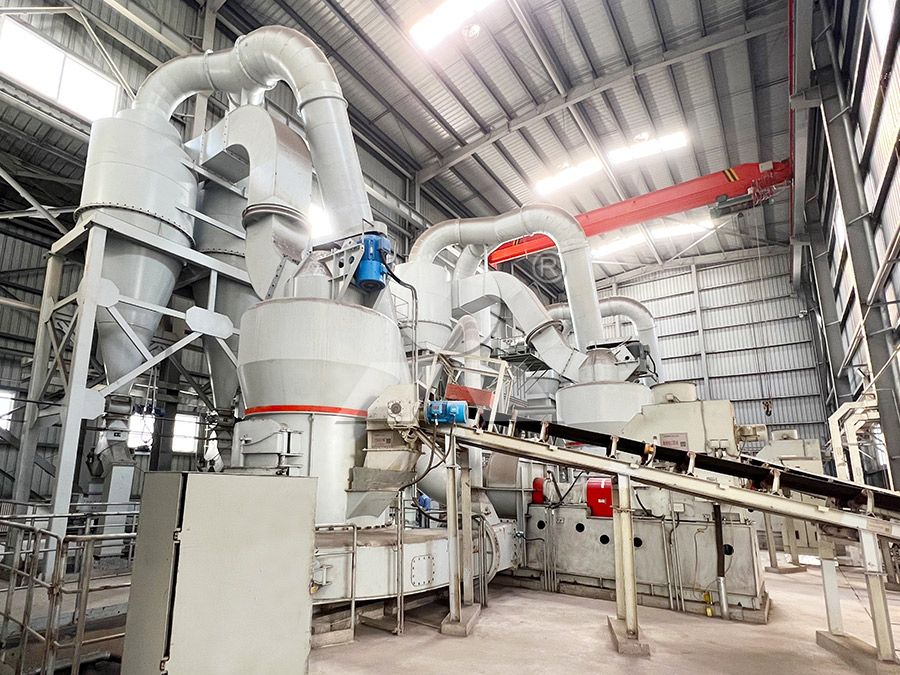
Case in Point: The MW Ultrafine Grinding Mill
For operations requiring fineness between 325 and 2500 mesh, moving beyond standard Raymond technology becomes necessary. The MW Ultrafine Grinding Mill is a prime example of this evolution. It eliminates rolling bearings and screws inside the grinding chamber, removing common failure points. Its cage-type powder selector, adopting German technology, ensures a screening rate of d97≤5μm in a single pass. For a business needing to produce high-value, ultra-fine powders without sacrificing uptime, this is a significant competitive advantage.
Maintenance and Operational Uptime
Downtime is the enemy of profitability. Laibin Raymond mills are designed with serviceability in mind. The use of external lubrication systems for the main shaft means that greasing can be done without shutting down production. Furthermore, the availability of original spare parts is a critical factor. When a mill goes down, waiting weeks for a replacement roller or ring can cripple a business. The support network ensures that these parts are in stock and ready to ship, minimizing operational disruptions.
Applications Across Industries
These mills are not limited to one sector. Their versatility makes them suitable for:
- Non-Metallic Minerals: Grinding limestone, calcite, barite, marble, and talc into powders used in paint, plastics, and rubber.
- Energy Sector: Desulfurization of power plant flue gas requires fine limestone powder. Raymond mills are the standard for this application.
- Chemical Industry: Processing of gypsum, petroleum coke, and other materials requiring precise particle size distribution.
- Food and Medicine: With specific configurations, they can handle ultra-fine grinding of food additives and pharmaceutical ingredients.
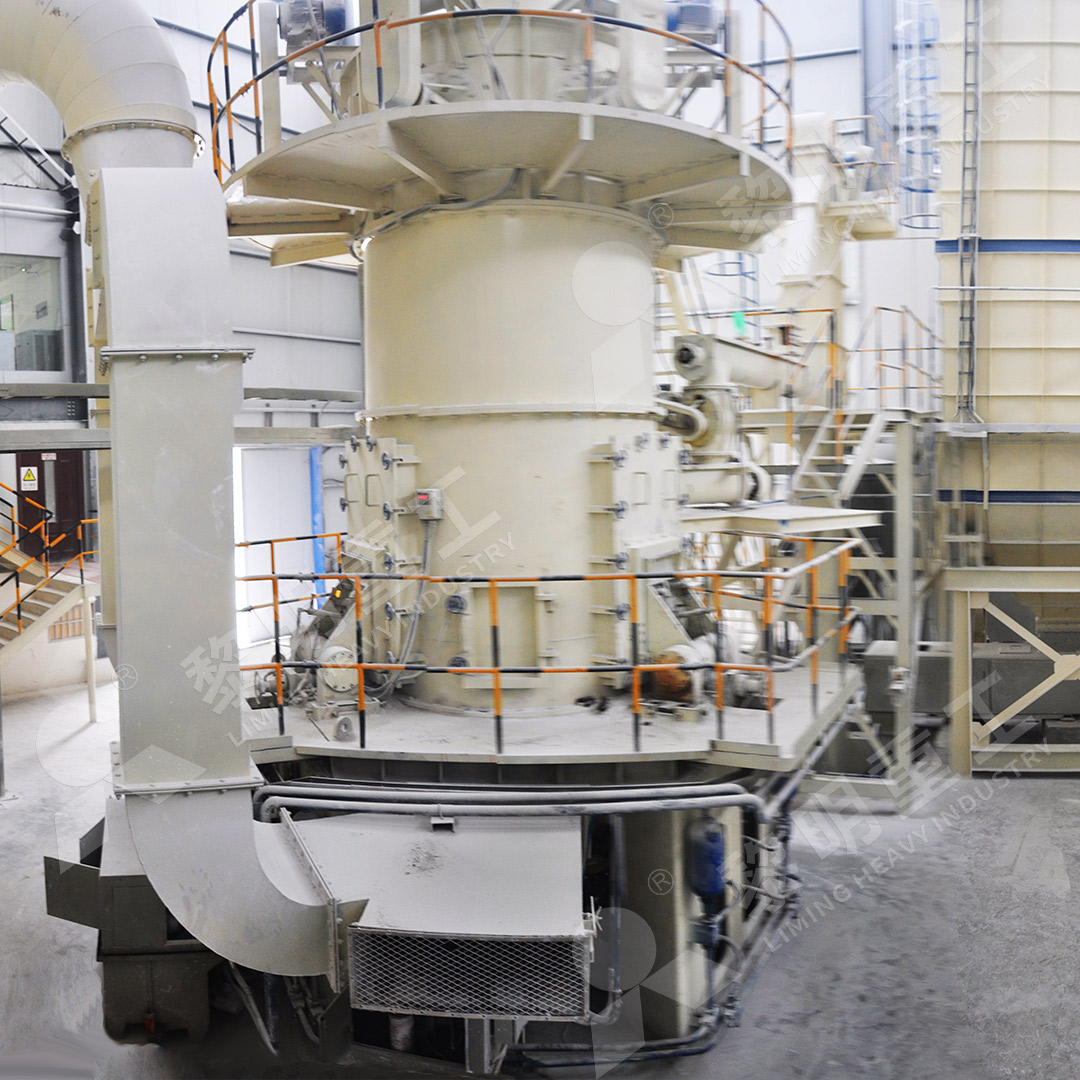
Addressing Common Concerns: Wear and Efficiency
A frequent question involves the wear rate of grinding rollers and rings. While these are consumables, modern metallurgy has significantly extended their life. Wear-resistant alloy components can last 1.7 to 2.5 times longer than traditional high-manganese steel parts. This is not a marketing claim; it is a direct result of partnerships between manufacturers and materials science institutes. Furthermore, the energy savings cannot be overstated. Compared to a ball mill, a properly tuned Raymond mill or vertical grinding system can reduce energy consumption by 30% to 50%. Over a year of continuous operation, this represents a substantial financial saving.
Conclusion: Making the Right Investment
Investing in a grinding mill is a long-term commitment. The Raymond mills from Guangxi Laibin offer a proven blend of robust construction, modern efficiency, and accessible support. Whether you are processing standard limestone or specialized ultrafine powders, understanding the specific features—like the grinding curve geometry, dust collection system, and digital controls—will guide you to the correct machine. For the most demanding ultrafine applications, the MW Ultrafine Grinding Mill stands out as a superior choice, offering the precision and reliability required for high-value production.
Frequently Asked Questions
- Q: What is the typical feed size for a standard Raymond mill?
A: Standard models can typically accept feed sizes of up to 25-30 mm. For larger feed, a preliminary crusher is required in the system. - Q: Can these mills handle materials that are slightly moist?
A: Most models can handle materials with moisture content up to 6-10%. For higher moisture, a hot air system must be integrated to dry the material during grinding. - Q: How often do the grinding rollers and rings need to be replaced?
A: This depends on the material hardness and abrasiveness. For soft minerals like limestone, roller life can exceed 6,000 hours. For harder materials, it may be 1,500-3,000 hours. - Q: What is the power consumption difference between a Raymond mill and a ball mill?
A: A modern Raymond or vertical mill system generally saves 30% to 50% in power consumption compared to a conventional ball mill system of similar capacity. - Q: How fine can the final product be from a standard Raymond mill?
A: Standard Raymond mills typically produce fineness between 80 and 400 mesh. For fineness up to 2500 mesh, an ultrafine grinding mill like the MW series is required. - Q: Is it difficult to change the fineness of the product?
A: No. The fineness is adjusted by changing the speed of the classifier rotor. This can be done digitally via the control panel without stopping the main grinding operation. - Q: Do these mills require a large foundation or civil works?
A: While they do require a concrete foundation, the footprint is significantly smaller than that of a comparable ball mill system. Vertical mills have the smallest footprint. - Q: What spare parts should I keep in stock?
A: It is recommended to keep a set of grinding rollers, grinding rings, a spare shovel blade (if applicable), and a set of seals for the main shaft and classifier. - Q: How is the dust pollution controlled in these modern systems?
A: The system is sealed and operates under negative pressure. A pulse jet bag filter collects dust at the air outlet, ensuring that the discharged air meets environmental standards. - Q: What is the warranty period for these machines?
A: Warranty periods typically vary by supplier and component, but the main body and core components generally carry a warranty of 12 to 24 months from the date of commissioning.