
Raymond Mill Grinding Roller Price: Key Factors and Market Trends in 2024
We provide a wide range of mills — including Raymond mill, trapezoidal mill, vertical mill, ultrafine mill, and ball mill, obtained ISO9001 international quality certification, EU CE certification, and Customs Union CU-TR certification. Suitable for processing minerals such as limestone, phosphate, quicklime, kaolin, talc, barite, bentonite, calcium carbonate, dolomite, coal, gypsum, clay, carbon black, slag, cement raw materials, cement clinker, and more.
The discharge range of these mills can be adjusted to meet specific processing needs, typically from 80-400 mesh, 600-3250 mesh, and can achieve the finest particle size of up to 6000 mesh(D50).
If you are looking for a reliable grinding solution to turn stone or minerals into fine powder, please feel free to contact our online customer service.
Introduction: Understanding the Dynamics of Raymond Mill Grinding Roller Pricing
In the world of industrial grinding, the Raymond mill remains a cornerstone for processing non-metallic minerals and other materials. However, for plant managers and procurement specialists, the cost of a critical wear part—the grinding roller—often becomes a focal point of budgeting and operational planning. In 2024, the price of a Raymond mill grinding roller is not a static figure. It fluctuates based on a complex interplay of manufacturing inputs, technological advancements, and shifting market demands. This article provides a professional analysis of the key factors influencing these prices and outlines the prevailing market trends, helping you make informed purchasing decisions without the fluff.
Key Factor 1: Material Quality and Manufacturing Precision
The single most significant driver of cost is the raw material used in the roller. High-chrome steel, composite alloys, and advanced wear-resistant materials command a premium due to their extended service life. In 2024, the volatility of global metal markets directly impacts base prices. Furthermore, the precision of the manufacturing process, including digitalized machining (as seen in modern factories with numerical control), ensures a perfect fit inside the mill. A roller manufactured with lower tolerance may be cheaper upfront but leads to higher operational costs due to uneven wear and increased downtime. For operations demanding consistency and longevity, investing in higher-quality wear parts is non-negotiable.
Key Factor 2: Technological Upgrades and Grinding Efficiency
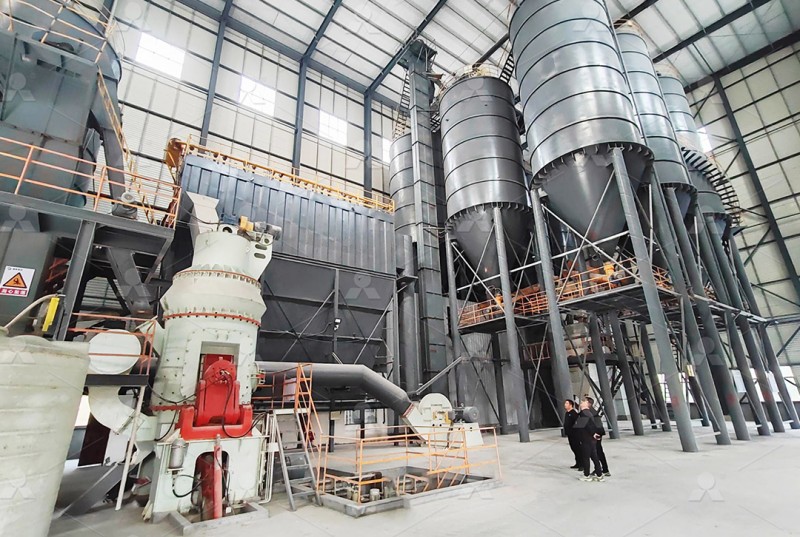
Traditional Raymond mills are being upgraded, but many operators still rely on classic models. The price of a roller is also tied to the design of the grinding curve. Modern alternatives, such as the LUM Ultrafine Vertical Grinding Mill, utilize a completely different grinding principle that eliminates the need for many traditional roller components. However, for those maintaining a Raymond mill, retrofitting with improved roller profiles (e.g., those with optimized curves for material layer formation) will add to the cost. This price reflects R&D investment aimed at boosting capacity and reducing energy consumption—a trade-off that often pays for itself over a few months.
Key Factor 3: Supply Chain and After-Sales Support
In 2024, logistics remain a wildcard. Shipping costs for heavy castings like grinding rollers vary dramatically by region. Additionally, a vendor who offers a comprehensive support package—including technical services, rapid delivery of original spare parts, and guarantees—will price their rollers higher than a generic supplier. The value of ‘worry-free operation’ cannot be overstated. A cheaper roller that fails within weeks causes a cascade of losses: lost production, labor costs for replacement, and potential damage to the mill’s ring. Companies like Liming Group, which manufacture and sell their own equipment, emphasize the ability to supply original parts with assured compatibility.
Market Trends in 2024: A Shift Toward Precision and Automation
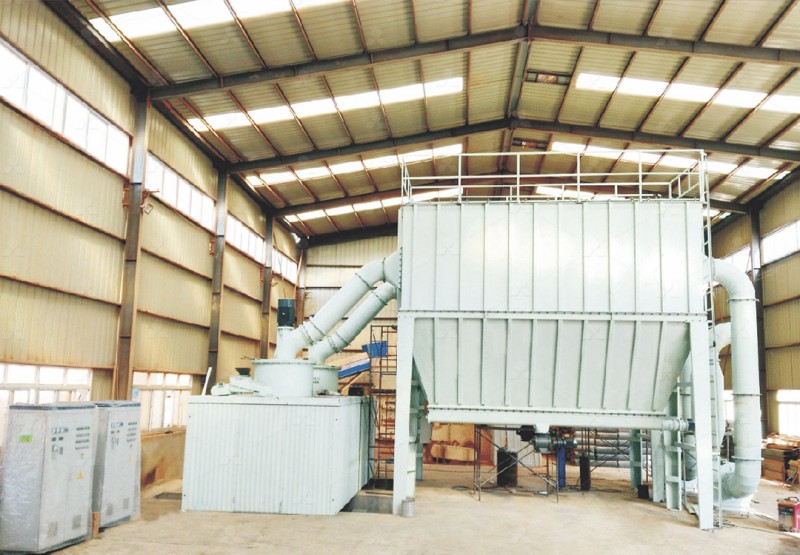
Several trends are shaping the market this year. First, the demand for ultra-fine powders (325-2500 mesh) is rising in the chemical, paint, and food additive industries. This places higher stress on grinding rollers, pushing buyers toward premium, high-wear-resistant options. Second, there is a growing preference for grinding mills that offer lower energy consumption and less environmental impact. While this often leads buyers to consider newer mill types like the MW Ultrafine Grinding Mill—which boasts 40% higher capacity than jet mills and a fully enclosed pulse dust collector—it also pressures existing Raymond mill owners to source better rollers. Finally, digitalization in parts manufacturing ensures consistent quality, reducing the risk of failed components.
Comparing Grinding Technologies: A Broader Perspective
To contextualize Raymond mill roller costs, let’s consider the alternatives. The LM Vertical Grinding Mill integrates crushing, drying, and grinding in one unit, occupying only 50% of the floor space of a ball mill and saving 30-40% energy. Its operation involves no direct contact between rollers and the grinding table during normal work, drastically reducing wear and tear. Similarly, the MTW-Z European Trapezium Mill uses dilute oil lubrication for its grinding roller, a maintenance-free system that reduces downtime. These advanced machines change the cost analysis entirely: the initial investment is higher, but the cost per ton of finished product is often lower. For a plant currently relying on a Raymond mill, the decision to upgrade parts or replace the entire system requires a careful TCO analysis.
Product Recommendation: For operations targeting the highest profit margins with ultra-fine products, we strongly recommend the MW Ultrafine Grinding Mill. With an input size of 0-20 mm and a capacity of 0.5-25 tph, it produces fineness adjustable from 325 to 2500 mesh. Its grinding chamber has no rolling bearings or screws, eliminating common maintenance headaches. This mill is designed for the future of fine powder processing.
Conclusion: Strategic Sourcing for 2024
The price of a Raymond mill grinding roller in 2024 is a reflection of material science, manufacturing quality, and market demand. Do not merely look at the sticker price. Consider the total cost of ownership, including lifespan, energy consumption, and the support provided by the manufacturer. The trend is clear: the industry is moving toward higher precision, lower energy consumption, and automated operation. Whether you stick with your Raymond mill or transition to a more advanced solution like the LUM or MW series, choosing the right partner for your wear parts is the key to success.
Frequently Asked Questions (FAQ)
- What is the average lifespan of a Raymond mill grinding roller?
The lifespan varies from 800 to 3000 hours depending on the material being ground (e.g., limestone vs. quartz) and the roller’s material composition. High-chrome rollers offer significantly longer life. - Can I use a roller from a different manufacturer on my existing Raymond mill?
While possible, it is not recommended. Non-original parts may have different dimensions or metallurgy, leading to uneven wear, reduced efficiency, and potential damage to the mill ring. - How does the price of a grinding roller compare to the operating cost of a vertical mill?
For a similar output, the initial roller cost for a Raymond mill is lower, but vertical mills like the LUM have lower energy consumption (30-50% reduction) and lower per-ton wear costs due to their different grinding principle. - What factors should I consider when choosing between fixing an old Raymond mill or buying a new mill?
Consider your required fineness, capacity, energy costs, and maintenance budget. If you need ultra-fine powder (<325 mesh) and lower energy bills, a new mill like the MW Ultrafine Grinding Mill is a better investment. - Does the brand of the grinding roller affect the price significantly?
Yes. Established brands with digitalized processing and proven quality control, such as those from Liming, command a premium but offer guaranteed performance and longer service life. - How has the 2024 market trend affected the lead time for grinding rollers?
Lead times have stabilized compared to 2022, but custom orders or high-specification rollers may still require 4-8 weeks. We recommend keeping a spare in stock to avoid production halts. - What is the ‘elastic volute damping structure’ and how does it affect roller wear?
This structure, found in advanced mills like the MTW-Z, absorbs vibration. Less vibration means more stable pressure on the roller and ring, leading to slower wear and a more consistent fine powder output.