
Key Equipment for Limestone Mining: Grinding Mill Machinery Selection Guide
We provide a wide range of mills — including Raymond mill, trapezoidal mill, vertical mill, ultrafine mill, and ball mill, obtained ISO9001 international quality certification, EU CE certification, and Customs Union CU-TR certification. Suitable for processing minerals such as limestone, phosphate, quicklime, kaolin, talc, barite, bentonite, calcium carbonate, dolomite, coal, gypsum, clay, carbon black, slag, cement raw materials, cement clinker, and more.
The discharge range of these mills can be adjusted to meet specific processing needs, typically from 80-400 mesh, 600-3250 mesh, and can achieve the finest particle size of up to 6000 mesh(D50).
If you are looking for a reliable grinding solution to turn stone or minerals into fine powder, please feel free to contact our online customer service.
Key Equipment for Limestone Mining: Grinding Mill Machinery Selection Guide
When you are in the limestone mining business, the grinding mill is the heart of your operation. It determines the quality of your final powder, the efficiency of your production line, and ultimately, your bottom line. Over the years, I have visited dozens of quarry sites and talked to countless plant managers. The one question that always comes up is: ‘Which mill is right for my limestone?’ There is no one-size-fits-all answer. The choice depends on your raw material characteristics, desired fineness, capacity requirements, and budget constraints. In this guide, I will walk you through the critical factors for selecting grinding machinery, drawing on real-world experience with our equipment lineup.
Understanding Your Limestone Feed
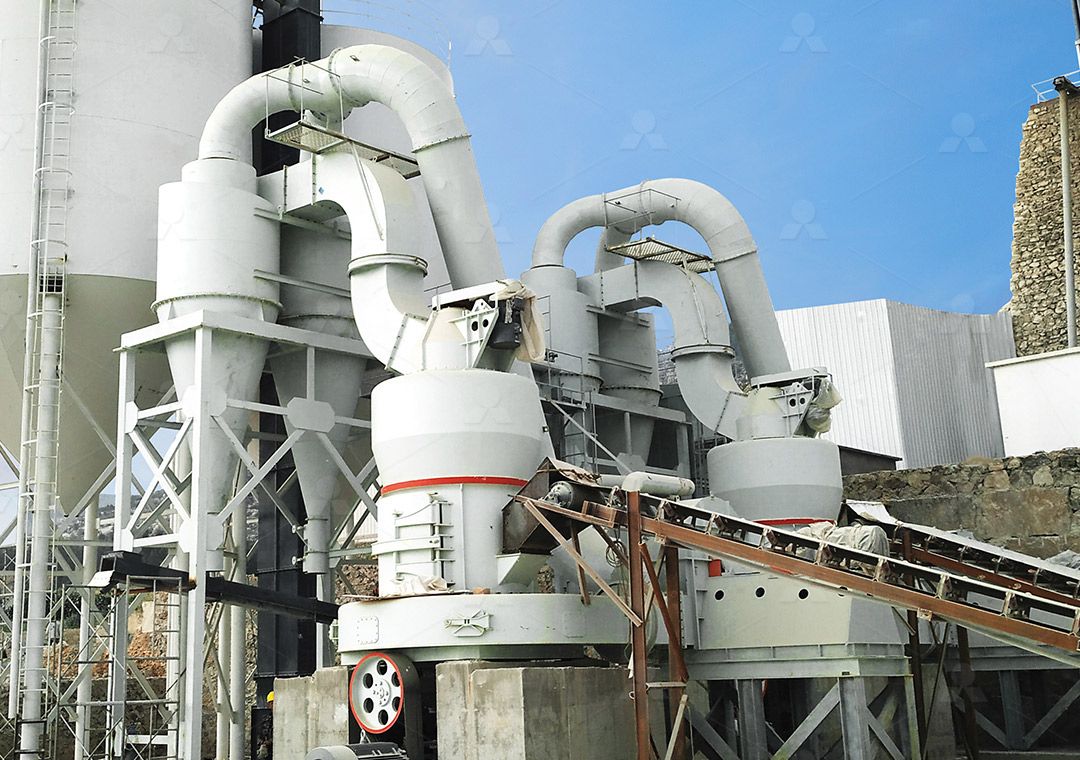
Before you even look at a machine, you need to understand what you are feeding into it. Limestone varies widely in hardness, moisture content, and chemical composition. For example, high-calcium limestone with a Mohs hardness of 3-4 is relatively easy to grind. But if you are dealing with dolomitic limestone or material with higher silica content, you will need a machine built for abrasion resistance. I have seen operators try to force material through an undersized mill, resulting in frequent downtime and high spare part costs. Always start with a thorough analysis of your feed size and moisture. Our LM Vertical Grinding Mill is a workhorse for larger feed sizes up to 70 mm, handling capacities from 3 to 340 tph, making it ideal for large-scale operations. However, for finer, ultra-fine applications, you might look at other options.
Capacity and Throughput Requirements
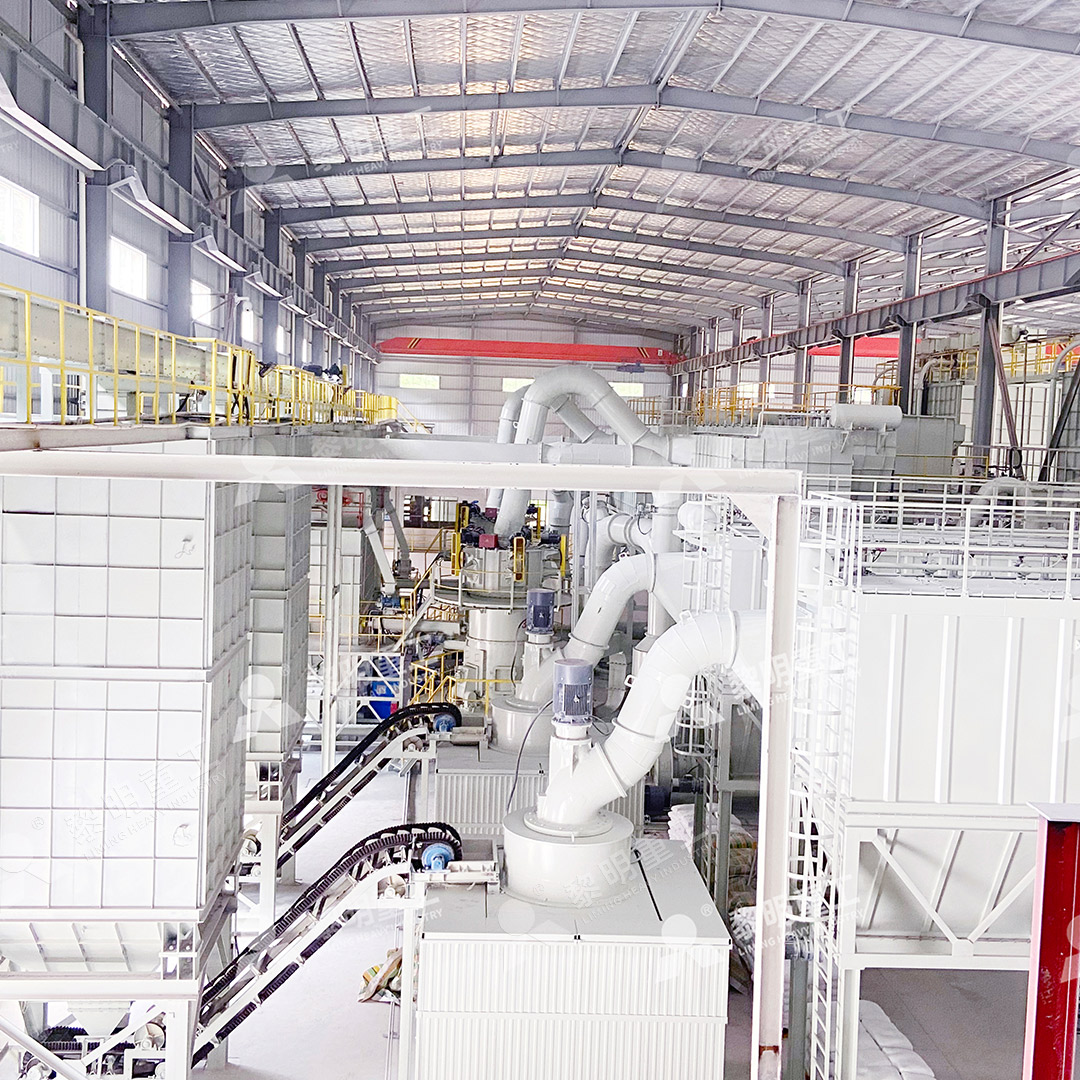
How many tons per hour do you need to produce? This is the second most important question. If your target is a modest throughput of 0.5 to 25 tph with a very fine final product (325-2500 mesh), you are in the sweet spot for our MW Ultrafine Grinding Mill. I recommend this machine to clients who need high-value, ultra-fine powders for applications like paint, cosmetics, or food additives. It features a newly designed grinding curve that boosts production capacity by 40% compared to jet mills. For larger operations needing 5 to 18 tph with ultra-fine output, the LUM Ultrafine Vertical Grinding Mill is a better fit. It integrates grinding, grading, and transport, using Taiwan grinding roller technology and German powder separation technology, which reduces energy consumption by 30-50%.
Fineness and Application Specifics
Not all limestone applications are the same. For power plant desulfurization, you typically need a fineness of 200-325 mesh. For paper making or plastic filling, you might need 600-1250 mesh. For high-end industries like pharmaceuticals, you may require d97≤5μm. The MW Ultrafine Grinding Mill can adjust fineness between 325 and 2500 meshes, with a screening rate that achieves d97≤5μm in a single pass. Its cage-type powder selector, based on German technology, gives you precise control. On the other hand, the LUM Ultrafine Vertical Grinding Mill uses a multi-head powder separating technology with a PLC control system. This allows for fast switching between different production demands without compromising precision. I always tell my clients: if you plan to produce multiple grades of powder, invest in a mill with a flexible separator system. It will save you from buying a second machine later.
Energy Efficiency and Operating Costs
Energy costs are the silent killer in grinding operations. A mill that consumes less power per ton of product will pay for itself over time. The MW Ultrafine Grinding Mill system energy consumption is only 30% of a jet grinding mill, while its yield is twice that of a ball mill. That is a significant saving. The LUM Ultrafine Vertical Grinding Mill reduces energy consumption by 30%-50% compared to common mills. Both machines avoid the use of rolling bearings and screws inside the grinding chamber, which eliminates common failure points. The MW mill has its lubricating device outside the main shaft, allowing for 24-hour continuous operation without shutdown for lubrication. This kind of reliability is crucial when you are running a 24/7 operation. I have seen plants lose an entire shift due to a failed bearing on a poorly designed mill. Do not let that be you.
Environmental and Maintenance Considerations
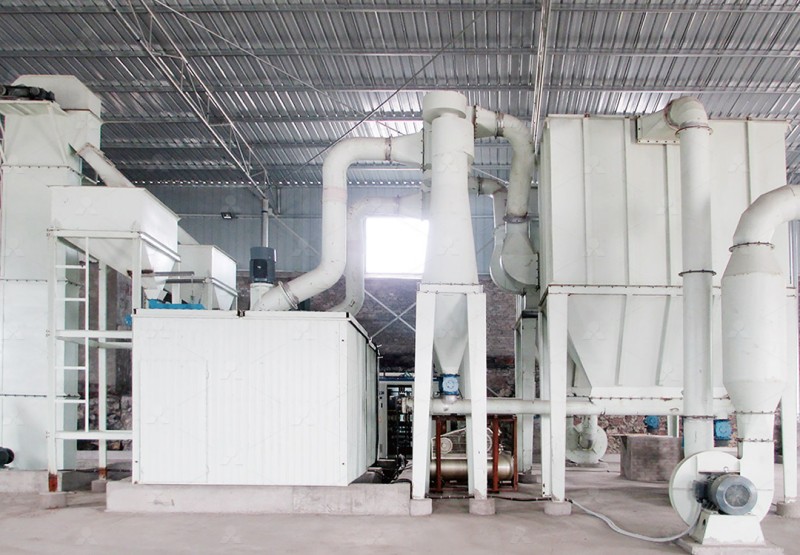
Environmental regulations are getting stricter everywhere. Both the MW and LUM mills are equipped with efficient pulse dust collectors, ensuring no dust pollution during operation. The MW mill also includes a silencer and noise elimination room, meeting national environmental standards. From a maintenance perspective, the LUM mill features a reversible structure and hydraulic adjustment system. This makes it easy to move the grinding roller out of the body for inspection and replacement of roller shells and liner plates. The downtime is minimized. I remember one client in South Asia who was skeptical about maintenance ease. We did a live demo, and his team was able to swap a roller shell in under two hours. That turned him into a loyal customer. Both mills benefit from our digitalized processing, with CNC-controlled cutting, bending, and milling for high precision on core parts.
Final Recommendation
For most limestone milling operations requiring fine to ultra-fine powder, I strongly recommend considering the MW Ultrafine Grinding Mill for its balance of capacity, energy efficiency, and precise fineness control. If your operation demands higher throughput with ultra-fine output and energy savings, the LUM Ultrafine Vertical Grinding Mill is the right choice. Both machines are backed by our company’s commitment to original spare parts supply and technical support. We take responsibility for every machine we produce. Make your selection based on your specific needs, and do not hesitate to contact us for a detailed consultation. A well-chosen mill will serve you for decades.
FAQ
Q1: What is the maximum feed size for the MW Ultrafine Grinding Mill?
A1: The MW Ultrafine Grinding Mill accepts an input size of 0-20 mm. Material larger than this should be pre-crushed using a hammer crusher or jaw crusher.
Q2: Can the MW mill produce powder for food-grade applications?
A2: Yes, it can. The mill is suitable for grinding materials like limestone, calcite, and talc used in food additives. Its closed system and pulse dust collector ensure product purity.
Q3: How often do I need to replace the grinding rollers and rings?
A3: Replacement frequency depends on material abrasiveness and operating hours. Typically, with normal limestone, the wear parts can last 6-12 months. The LUM mill’s reversible structure allows you to flip the roller shell to extend its life.
Q4: What is the difference between the MW and LUM mills in terms of maintenance?
A4: The MW mill has no rolling bearings or screws in the grinding chamber, reducing common failures. The LUM mill offers a reversible structure with hydraulic system for easier roller maintenance. Both are designed for low downtime.
Q5: Is the MW mill environmentally friendly?
A5: Absolutely. It comes standard with an efficient pulse dust collector and a muffler, meeting strict environmental standards. The entire milling system operates with minimal dust and noise pollution.
Q6: Can I adjust the fineness while the mill is running?
A6: Yes, the cage-type powder selector on the MW mill allows you to adjust fineness between 325-2500 meshes. On the LUM mill, the PLC-controlled system lets you change the rotor speed and grinding pressure to adjust fineness.
Q7: What is the typical power consumption for grinding limestone to 1250 mesh?
A7: For the MW mill, the system energy consumption is about 30% of a jet mill. Actual figures depend on feed size and moisture. We recommend testing with your specific material for an accurate assessment.
Q8: Do you provide spare parts for these mills?
A8: Yes, we guarantee a sufficient supply of original spare parts. Our company covers both production and sales, so you will always have access to technical service and genuine components.